

The journey between Da Nang and Hoi An is one of the most traveled routes in Central Vietnam tourism. While there are multiple ways to connect these two iconic cities, tourists often find themselves choosing between the coastal route and the inland route. Both offer unique experiences, yet the coastal road consistently attracts more international and domestic travelers. This article explores the reasons behind that preference, providing insights on attractions, travel tips, safety, timing, and the overall cultural journey.
Coastal vs Inland
The Coastal Route
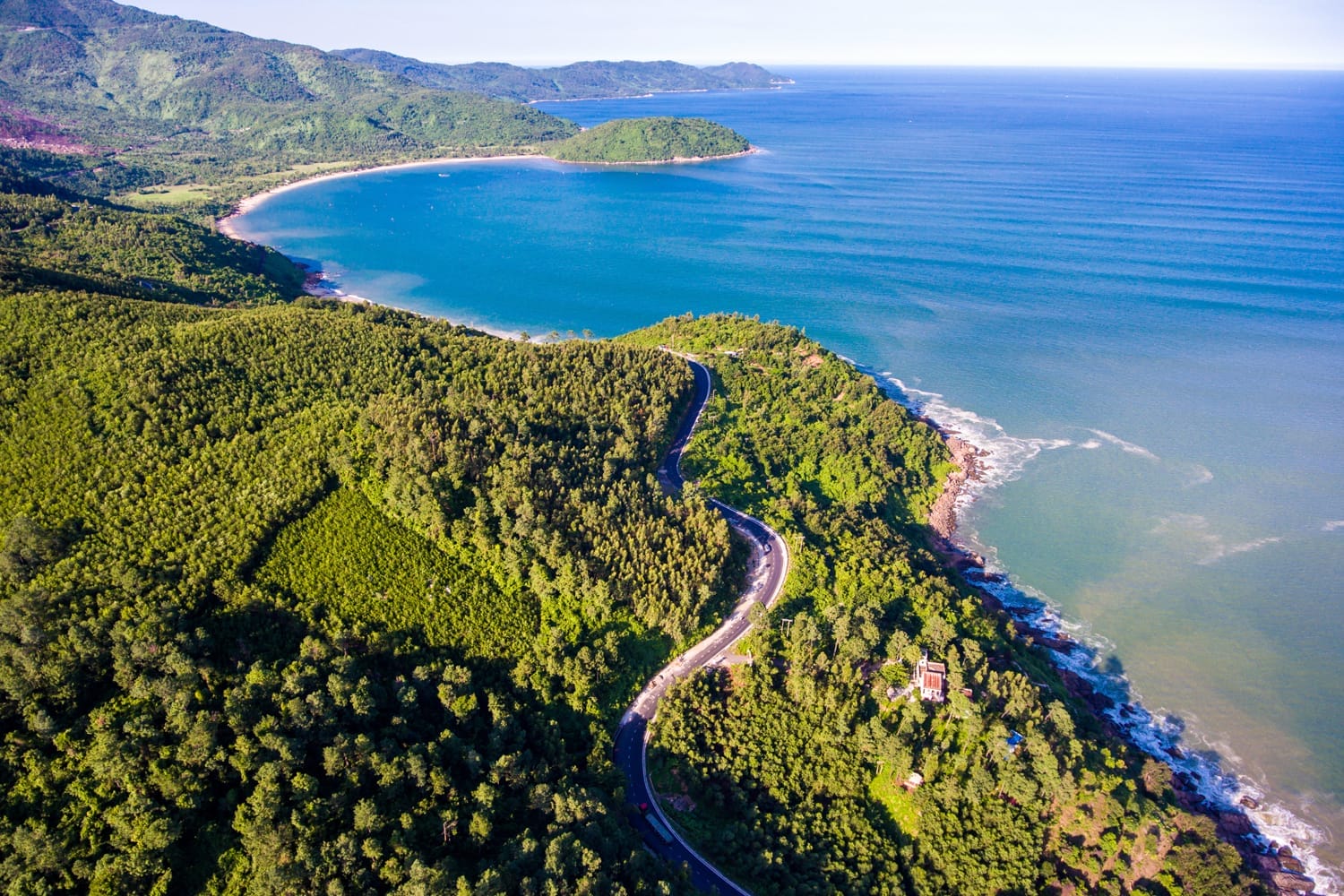
The coastal route between Da Nang and Hoi An runs parallel to the East Sea, following My Khe Beach, Non Nuoc Beach, and passing landmarks such as the Marble Mountains and the Son Tra Peninsula. This road is famous for:
-
Panoramic sea views
-
Easy access to beach resorts
-
Opportunities for photography stops
-
A smooth, well-maintained highway
The Inland Route
The inland road runs further west, cutting through local neighborhoods and rice fields. While it’s faster in some sections, it offers fewer attractions and limited sea views. This route is usually taken by commuters, buses, and local goods carriers.

Why Tourists Choose the Coastal Route
1. Scenic Beauty and Photo Opportunities
Travelers consistently highlight the spectacular coastal scenery as the number one reason to choose this road. From sunrise at My Khe Beach to sunset reflections on the Han River, the journey feels like a photo album waiting to happen. Photography spots in Da Nang and Instagram spots in Hoi An are concentrated along this path, making it the natural choice for content creators and travel bloggers.
2. Access to Major Attractions
The coastal road connects directly to the Marble Mountains, Linh Ung Pagoda, and several beach resorts. For tourists with limited time, the ability to combine Da Nang sightseeing with a smooth ride into Hoi An Ancient Town adds immense value.

3. Safety and Comfort
The coastal highway is newer, wider, and better lit than many inland roads. Tourists prefer safety and easy navigation, especially first-time visitors who may not feel comfortable with Vietnam’s traffic culture.
4. Culinary Stops and Local Eateries
From fresh seafood restaurants in Da Nang to small coffee shops with ocean views, the coastal route provides many chances to taste Central Vietnam cuisine. Inland roads, by contrast, are limited to local food stalls without the same variety.
5. Resort and Accommodation Access
Luxury hotels and beachfront resorts in Da Nang are located along this route. Travelers who stay at these resorts naturally use the coastal highway to transition smoothly into Hoi An for day trips or evening lantern festivals.
6. Cultural and Emotional Experience
For many, the sea breeze, fishing villages, and traditional boats create a more authentic travel memory. Compared to the inland route, which is more functional than scenic, the coastal journey offers connection with Vietnam’s coastal culture.
When to Take the Coastal Route vs Inland Route
Best Time for the Coastal Road
-
Early morning: Avoid heavy traffic and enjoy sunrise views
-
Late afternoon: Cooler weather, golden light for photography
-
Dry season (February–August): Clear skies, calm seas
When Inland Might Be Better
-
Rainy season (September–December) when storms can reduce coastal visibility
-
Travelers in a hurry who want the fastest commute
How to Travel the Coastal Route
Transport Options
-
Taxi or Grab car: Comfortable, direct, costs $15–20
-
Shuttle bus services: Convenient for groups
-
Motorbike rental in Da Nang: Freedom to stop for attractions and photos
-
Private car with driver: Ideal for families or older travelers
Travel Duration
-
Coastal route: 45–60 minutes (without stops)
-
Inland route: 40–50 minutes (but less scenic)
Comparing Costs: Coastal vs Inland
-
Taxi/Grab: Coastal slightly higher due to longer route, but more scenic
-
Motorbike rental: Around $8–12 per day, fuel cheap, flexibility high
-
Bus/shuttle: Same price regardless of route, but most use the coastal highway
Travel Tips for First-Timers
-
Always carry a raincoat if riding a motorbike in the rainy season
-
Stop at Marble Mountains for at least one hour on the way
-
Carry cash for small food stalls
-
Use Google Maps offline in case of signal drop near villages
While the inland route from Da Nang to Hoi An is practical, it lacks the beauty, cultural richness, and tourist-friendly stops found on the coastal route. For first-time travelers and those who want memories beyond just transportation, the seaside highway remains the ultimate choice.
FAQs (People Also Ask)
Q1: How long is the coastal route from Da Nang to Hoi An?
The coastal road is about 30 km and usually takes 45–60 minutes depending on traffic and stops.
Q2: Is it safe to ride a motorbike on the coastal route?
Yes, the road is wide and well-maintained. Always wear helmets, follow local traffic laws, and avoid riding during storms.
Q3: What are the must-see stops between Da Nang and Hoi An?
The Marble Mountains, My Khe Beach, Non Nuoc Beach, and fishing villages are popular stops.
Q4: Which route is faster: inland or coastal?
The inland route may be 10–15 minutes quicker, but the coastal road is more scenic and comfortable.
Q5: What’s the best time to travel from Da Nang to Hoi An by coastal road?
Early morning for sunrise or late afternoon for golden light and cooler temperatures.
Discover the magic of Central Vietnam with our curated Da Nang to Hoi An coastal tours. Breathe in the sea breeze, explore hidden gems, and make memories on every stop.
Tags:
Central Vietnam tourism,coastal route Da Nang Hoi An,Da Nang beaches,Da Nang travel guide,Hoi An day trip,Hoi An travel guide,inland route Da Nang Hoi An,Marble Mountains stop,motorbike travel Da Nang Hoi An,Vietnam itinerary tips