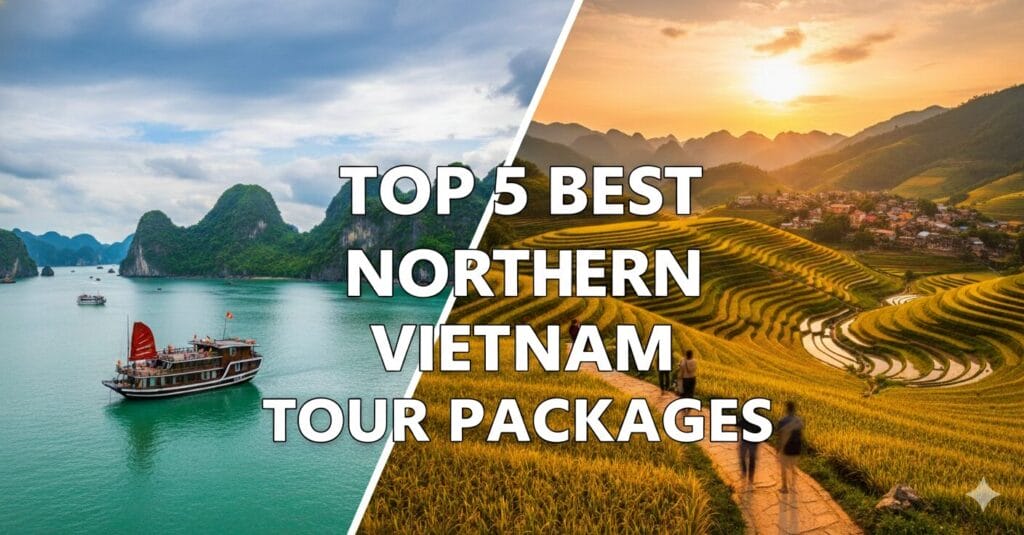
Vietnam continues to surprise travelers year after year. What many visitors once saw as a budget backpacking destination has evolved into one of Asia’s most diverse and rewarding countries to explore. Modern cities rise alongside ancient temples. Luxury beach resorts coexist with fishing villages. Mountain roads lead to remote ethnic communities, while high-speed boats take you to tropical islands.
If you’re planning a trip and wondering where to go, when to visit, and how to organize your journey properly, this updated Vietnam travel guide will help answer your biggest questions in a clear and practical way.
Why Vietnam Is Becoming One of Asia’s Most Attractive Destinations

Vietnam’s strength lies in its variety. Within a single country, you can experience dramatic mountain landscapes, UNESCO-protected bays, vibrant megacities, quiet countryside, and white-sand beaches.
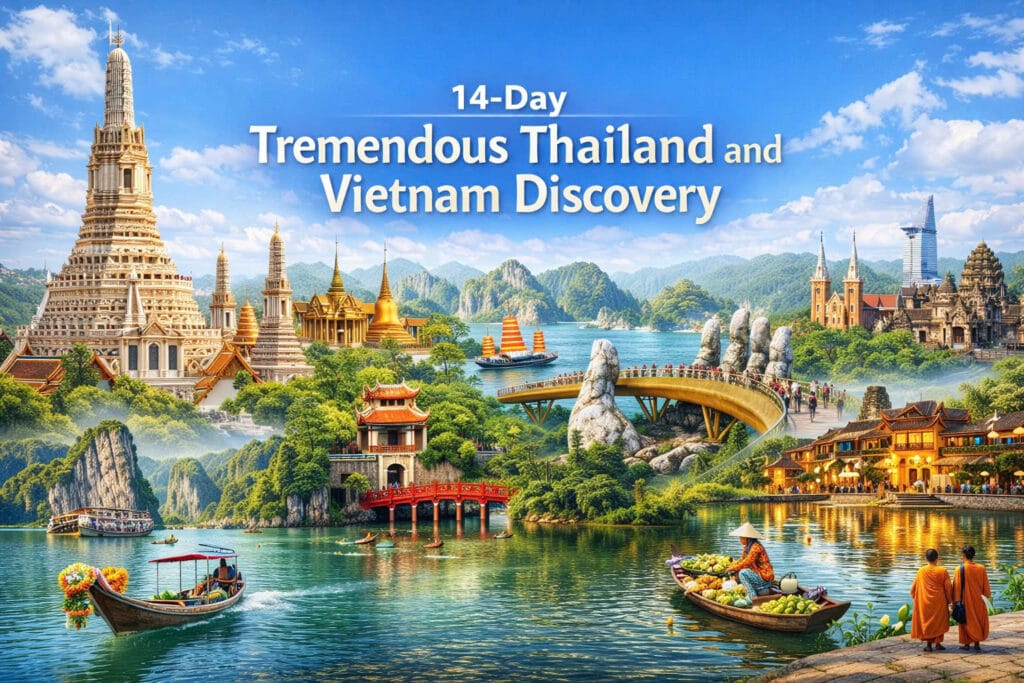
Natural icons such as Ha Long Bay continue to attract global visitors with their limestone formations rising out of emerald waters. At the same time, destinations like Da Nang are constantly developing new tourism infrastructure, from beach resorts to entertainment complexes. The famous Golden Bridge in Ba Na Hills has become one of the most photographed spots in Asia.
But beyond the landmarks, what truly impresses visitors is the balance between authenticity and comfort. Street food culture remains vibrant and affordable, local markets still function as they always have, and rural communities maintain traditional lifestyles — yet transportation, hotels, and guided experiences are more accessible than ever.
Vietnam feels real. And that’s what many travelers are searching for today.
Where to Go in Vietnam: Famous Places That Define the Country
Ho Chi Minh City – Modern Energy & Southern Culture
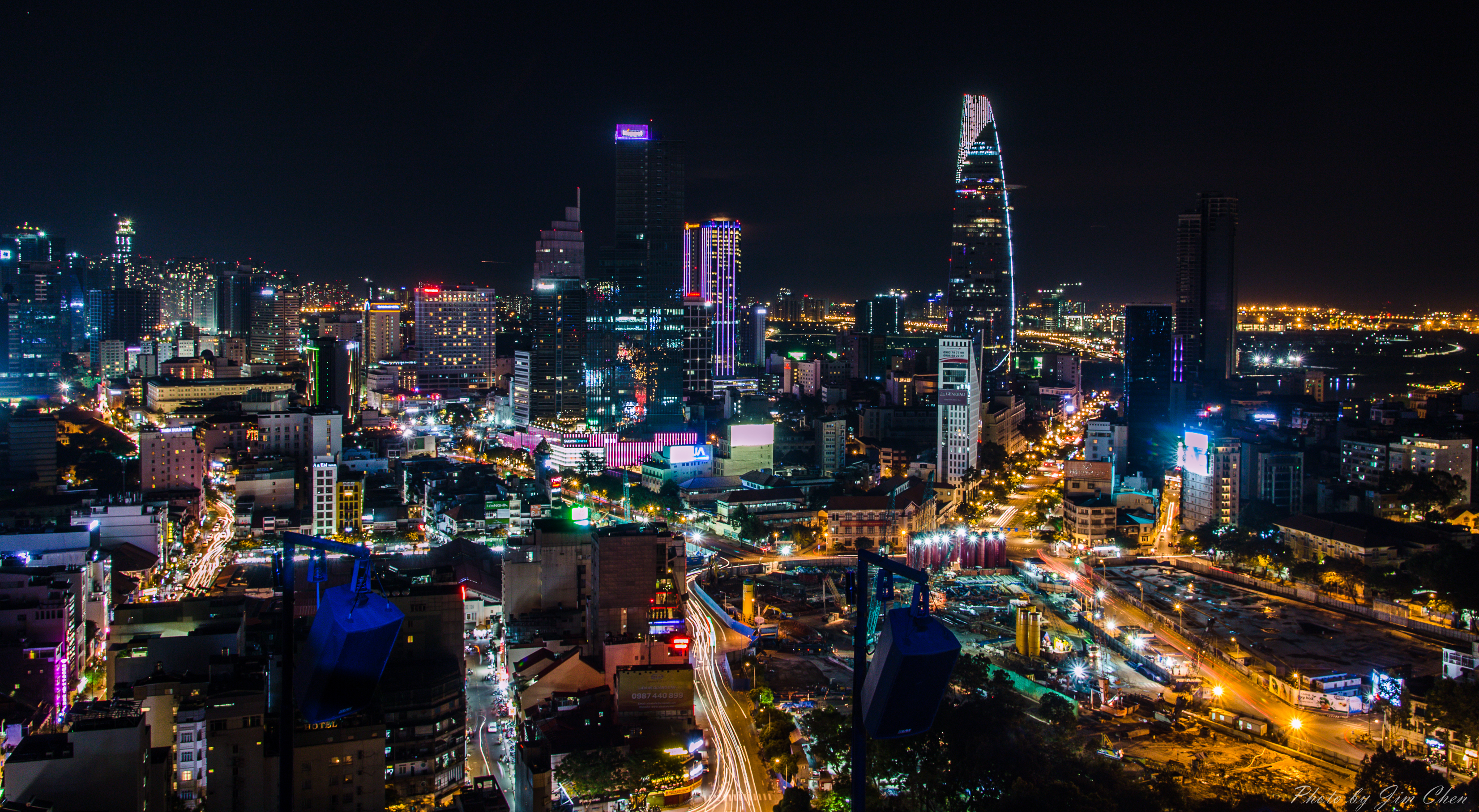
Visitors come here to understand Vietnam’s modern transformation. Colonial buildings like the Central Post Office and Notre Dame Cathedral reflect French influence, while glass skyscrapers show the country’s rapid development. Just outside the city, the Cu Chi Tunnels reveal powerful stories from the Vietnam War era.
Ho Chi Minh City is also one of the best places to explore Vietnamese cuisine. From street-side bánh mì stalls to rooftop fine dining, the food scene here is diverse and creative.
The best time to visit is during the dry season from December to April, when rainfall is limited and humidity is lower.
Hanoi – History, Tradition & Timeless Charm

In contrast to the south, Hanoi feels more traditional and historic. The Old Quarter’s narrow streets still follow ancient trade guild patterns, and life revolves around Hoan Kiem Lake in the early morning.
Hanoi offers a deeper look into Vietnam’s culture. Visitors can explore centuries-old temples, watch water puppet performances, and enjoy unique local flavors like egg coffee and pho prepared in family-run shops.
The city also serves as a gateway to northern destinations such as Ha Long Bay and the mountainous province of Ha Giang.
The most comfortable months to visit Hanoi are October through April, when temperatures are cooler and more pleasant for walking.
Ha Long Bay – Vietnam’s Natural Masterpiece

A UNESCO World Heritage Site, Ha Long Bay is often described as one of the most beautiful seascapes in the world.
Most visitors experience the bay through an overnight cruise. During the journey, you can kayak between limestone islands, explore hidden caves, swim in calm waters, and enjoy sunset views from the deck. Cruises range from comfortable mid-range boats to high-end luxury vessels with private balconies and gourmet dining.
One night is generally sufficient for first-time travelers, though two nights allow for a quieter and more immersive experience away from the busiest routes.
The best months to visit are March to May and September to November, when the weather is relatively stable and visibility is good.
Phu Quoc – Beach Escape with Growing Appeal

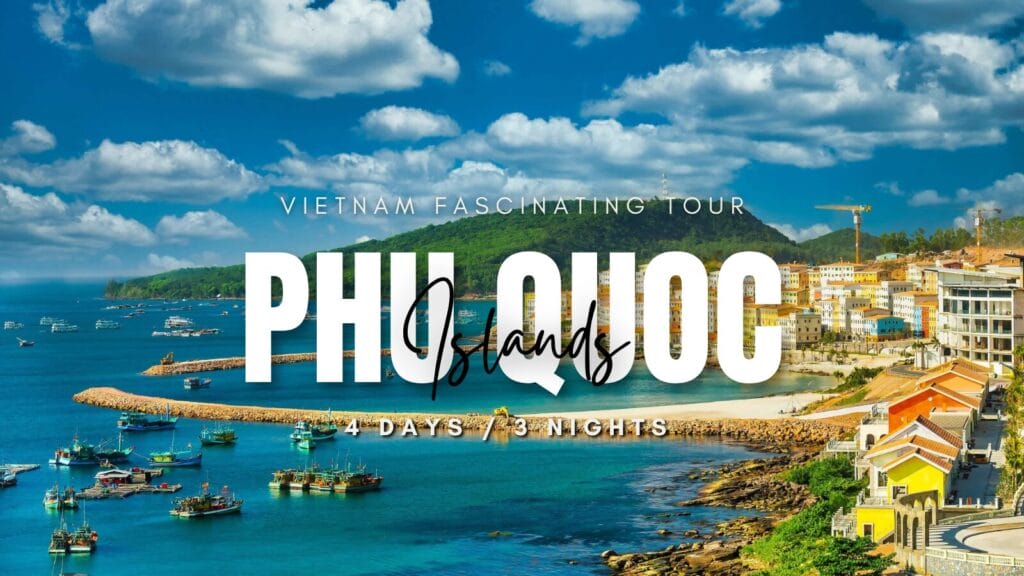
Located in the south, Phu Quoc has transformed into Vietnam’s leading island destination.
The island combines long sandy beaches with modern resorts and entertainment areas. Visitors can snorkel around coral reefs, take the Hon Thom cable car across turquoise waters, or simply relax by the sea. In the evening, night markets offer fresh seafood and local specialties in a casual atmosphere.
The dry season from November to April is ideal for beach activities, with calmer seas and clear skies.
Hidden Places That Offer a Different Side of Vietnam
While famous destinations define Vietnam’s image, lesser-known regions often leave the strongest impression.
In the far north, Ha Giang is known for dramatic mountain passes and ethnic minority villages. The Ma Pi Leng Pass offers breathtaking views over deep valleys and winding rivers. Unlike more commercial trekking areas, Ha Giang feels raw and authentic, though it requires more travel time and planning.
For travelers seeking a quieter island alternative, Con Dao offers peaceful beaches and national park landscapes. It remains less crowded than Phu Quoc and is ideal for those looking to disconnect.
These destinations are best suited for visitors who have more time or prefer experiences beyond the typical tourist route.
When Is the Best Time to Visit Vietnam?
Vietnam’s geography stretches over 1,600 kilometers, meaning weather conditions differ by region.
Northern Vietnam has four seasons, with cool winters and hot summers. Central Vietnam experiences a distinct rainy season between September and November. Southern Vietnam has two main seasons: dry and rainy.
For first-time travelers wanting to explore multiple regions, March and April are often considered ideal months. During this period, most areas experience relatively stable weather, making it easier to combine cities, mountains, and beaches in one itinerary.
The key is not finding a “perfect” month, but designing your route according to seasonal patterns.
How to Plan a Vietnam Trip Smoothly
One of the biggest concerns travelers have is how to structure their journey efficiently. Vietnam is long and narrow, and distances between regions can be significant.
For a 10–14 day trip, a logical route might start in Ho Chi Minh City, continue to central Vietnam (such as Da Nang or Hoi An), and finish in Hanoi with a cruise in Ha Long Bay. This north–south or south–north structure helps minimize backtracking.
Domestic flights are affordable and save time, while trains offer scenic journeys for those who prefer slower travel.
If you want to explore Vietnam without worrying about transport coordination, hotel selection, or cruise quality, it’s worth reviewing sample itineraries from experienced local operators. For updated routes and ideas across the country, you can explore options directly on Vietlong Travel’s website at https://vietlongtravel.com/, where different regions are combined into balanced travel programs.
Frequently Asked Questions About Vietnam Travel
Is Vietnam safe for tourists?
Vietnam is considered very safe for international visitors. Petty theft can occur in crowded areas, but serious crime against tourists is rare.
Do I need a visa to enter Vietnam?
Many nationalities can apply online for an e-visa on this portal. Visa policies may change, so checking official requirements before travel is important.
Is English widely spoken?
In major cities and tourist destinations, English is commonly used in hotels, restaurants, and tour services. In rural areas, communication may be more limited.
How many days are enough for Vietnam?
Ten to fourteen days allow you to explore multiple regions comfortably. With more time, you can include remote areas such as Ha Giang or island destinations.
Final Thoughts: Is Vietnam the Right Destination for You?
Vietnam is not just one experience. It is a collection of contrasts — ancient and modern, peaceful and energetic, simple and sophisticated.
Whether you are drawn by cultural exploration, dramatic landscapes, beach relaxation, or culinary adventures, Vietnam offers a depth that few countries of similar size can match.
The most important step is planning your journey in a way that matches your pace and interests. With thoughtful preparation, Vietnam can become far more than a holiday — it can be a genuinely memorable experience.
Tags:
best places in Vietnam,hidden gems Vietnam,Vietnam itinerary,Vietnam tour,Vietnam travel,vietnam travel guide,vietnam travel tips,When to visit Vietnam