For many first time visitors, traffic in Southeast Asia can feel overwhelming at first glance. The constant flow of motorbikes, buzzing tuk tuks, colorful buses, and families crossing busy intersections without traffic lights may seem chaotic compared to Western driving systems. Yet beneath this apparent disorder lies an unspoken rhythm that millions navigate daily with surprising efficiency.
Understanding traffic in Southeast Asia is not about fearing it. It is about respecting it. From Vietnam’s motorbike dominated streets to Thailand’s highways and Cambodia’s growing urban centers, safe driving in Southeast Asia requires awareness, patience, and cultural understanding. With the right preparation, travelers can confidently navigate roads, rent vehicles responsibly, or decide when hiring a private driver is the smarter option.
This comprehensive guide is built on real regional travel expertise and hands on experience, designed to help you understand driving in Vietnam and across the region with clarity and confidence.
Understanding the Nature of Traffic in Southeast Asia
Why Traffic Feels Different
Traffic in Southeast Asia operates on a different logic than in Europe, Australia, or North America. Instead of strict lane discipline, drivers often move fluidly within available space. Motorbikes dominate urban streets, sometimes carrying entire families or transporting goods in impressive balance. Honking is not aggressive but communicative. It signals presence rather than anger.
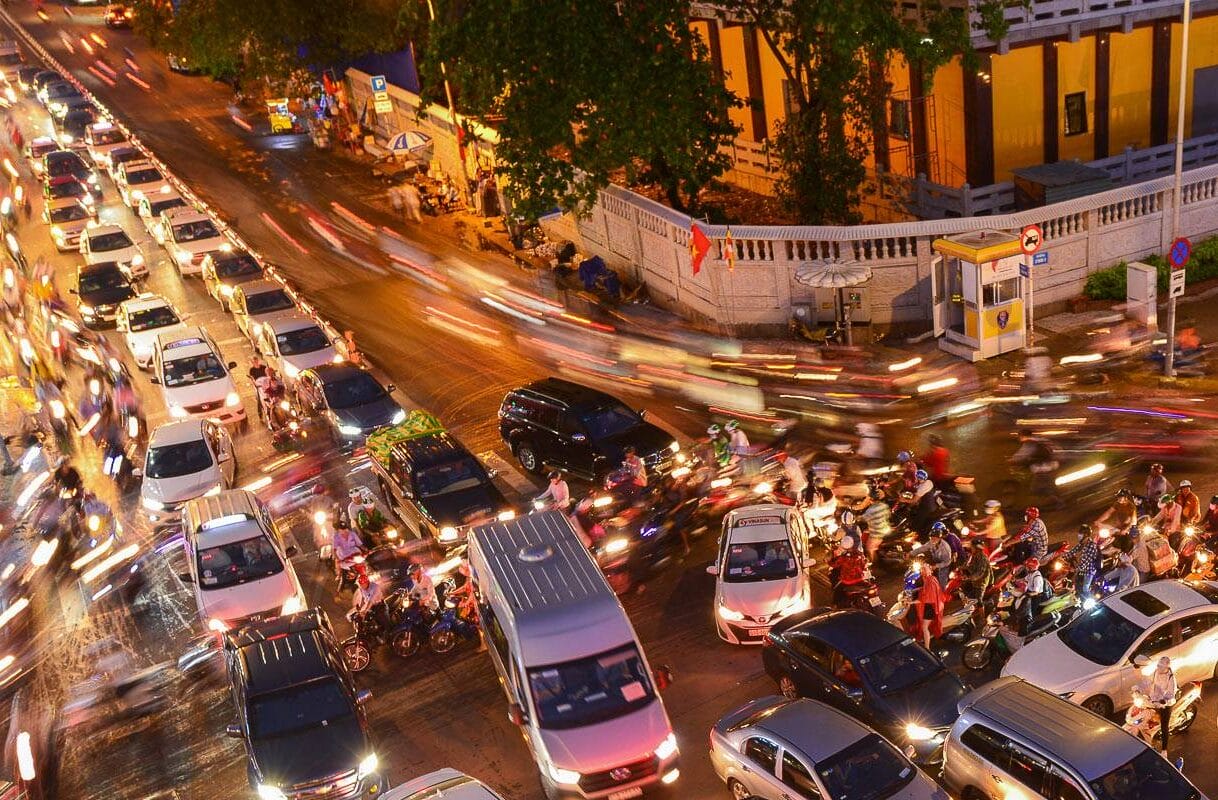
This cultural nuance is essential to understanding safe driving in Southeast Asia. What may look chaotic is often cooperative. Drivers anticipate movement rather than rigidly following lane lines. However, that does not mean traffic in Southeast Asia is without risk. Rapid urbanization, mixed vehicle types, and varying enforcement standards require heightened alertness.
The Motorbike Culture
In countries like Vietnam, motorbikes account for the majority of vehicles on the road. Driving in Vietnam means learning to anticipate swarms of scooters merging from every angle. For visitors renting motorbikes, understanding Southeast Asia road safety practices is crucial. Helmets are mandatory in Vietnam and Thailand. Protective gear, even in tropical heat, dramatically reduces injury risk.
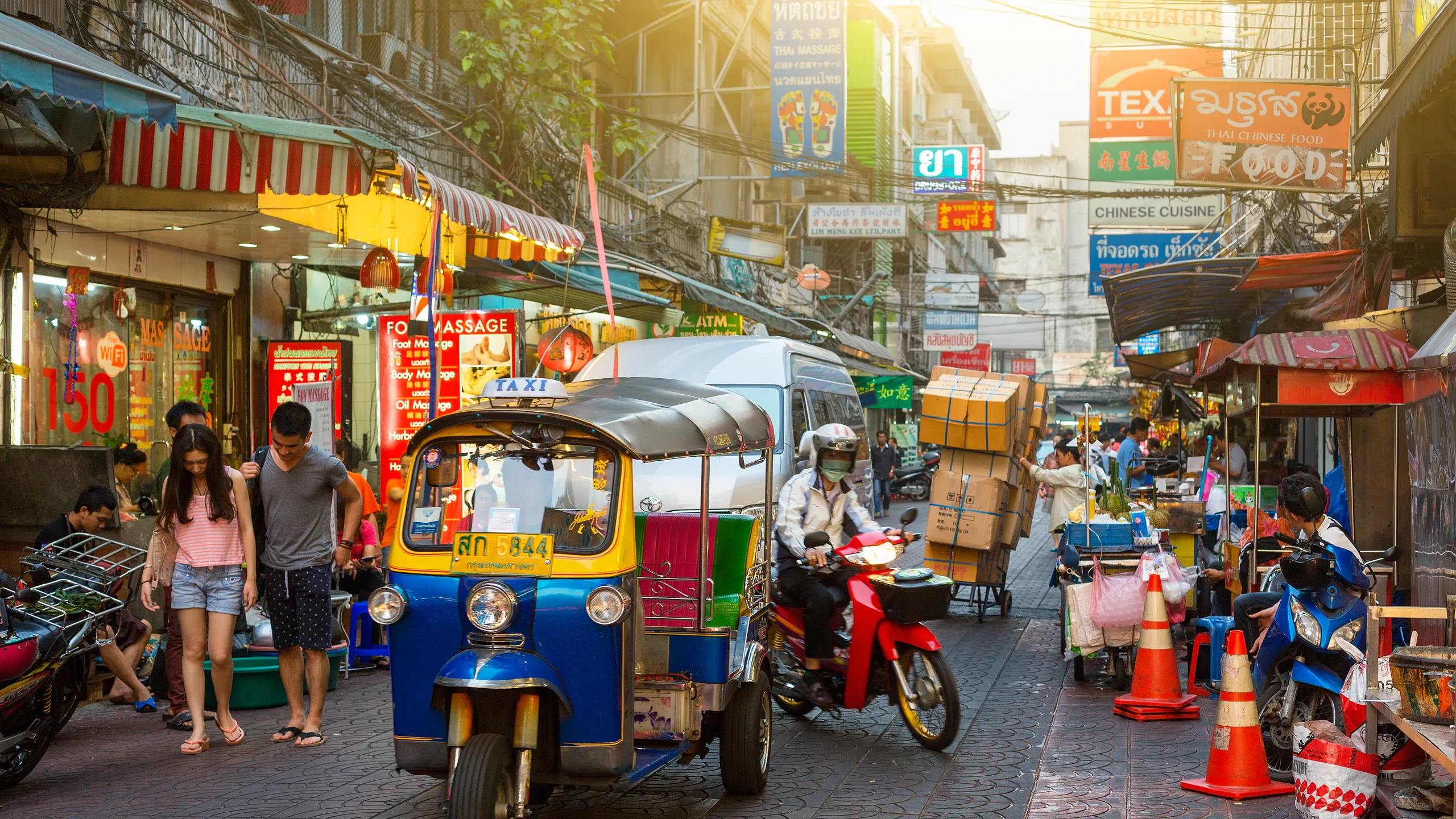
Motorbike safety in Southeast Asia should never be underestimated. Road conditions can vary between modern highways and rural gravel paths. Rainy season adds slippery surfaces and reduced visibility. Travelers must assess their confidence level honestly before choosing to self drive.
Safe Driving in Southeast Asia: Essential Principles
1. Drive Defensively at All Times
Safe driving in Southeast Asia begins with defensive awareness. Expect sudden lane changes, pedestrians crossing unpredictably, and vehicles stopping without warning. Maintain moderate speeds, especially in urban areas. Avoid tailgating. Leave generous braking distance.
Defensive driving reduces stress and improves overall Southeast Asia road safety. Observing local driving patterns for a day before getting behind the wheel is highly recommended.
2. Understand Local Road Rules
Traffic laws differ across Southeast Asia. Thailand drives on the left. Vietnam drives on the right. Speed limits may not always be clearly posted. International driving permits are legally required in many countries, including Thailand and Vietnam, though enforcement varies.
Before attempting driving in Vietnam or neighboring countries, confirm legal requirements with official authorities or trusted travel operators. Driving without proper documentation can invalidate insurance coverage.
3. Weather Awareness and Seasonal Conditions
Traffic in Southeast Asia is significantly influenced by monsoon seasons. Heavy rainfall between May and October in many countries reduces visibility and increases flood risk. Rural roads may become muddy and uneven. Urban streets can experience water pooling, affecting braking performance.
During rainy season, safe driving in Southeast Asia means reducing speed further, using headlights, and avoiding sudden acceleration or braking. In mountainous areas like northern Vietnam or northern Thailand, fog and sharp curves demand additional caution.
4. Night Driving Considerations
Night driving presents unique challenges. Limited street lighting, animals crossing rural roads, and occasional unlit vehicles increase risk. If unfamiliar with local driving culture, it is advisable to limit night travel, particularly outside major cities.
Professional drivers are often trained to navigate these conditions more safely, which is why many family travelers choose private transportation services instead of self driving.
Driving in Vietnam: What Makes It Unique
Urban Centers: Hanoi and Ho Chi Minh City
Driving in Vietnam’s major cities requires patience. Intersections may lack traffic signals, yet vehicles move through smoothly using subtle eye contact and gradual forward motion. The key principle is consistency. Sudden stops create confusion. Predictable movement maintains flow.
When crossing streets as a pedestrian, walk slowly and steadily without sudden changes. This same principle applies when driving. Consistency enhances Southeast Asia road safety.
Rural and Coastal Routes
Vietnam’s coastal highways offer breathtaking scenery, from Da Nang to Hoi An or along the Hai Van Pass. However, scenic beauty does not eliminate risk. Trucks may overtake unexpectedly. Livestock may wander across roads. Mountain routes demand low gear control and experience handling curves.
Motorbike safety in Southeast Asia becomes especially relevant on these scenic routes. Wearing full protective helmets and gloves is strongly advised.
Transportation Alternatives: When Not to Self Drive
While traffic in Southeast Asia can be navigated safely with preparation, many travelers prefer alternatives that reduce stress. Hiring a private driver offers comfort, local expertise, and eliminates concerns about insurance or legal documentation.
Ride sharing services operate widely in cities such as Bangkok, Ho Chi Minh City, and Kuala Lumpur. They offer transparent pricing and reduce the pressure of navigating unfamiliar streets.
For families, especially those with children or seniors, choosing guided transportation enhances both safety and enjoyment. The region’s affordability makes private services accessible compared to Western standards.
Road Safety Statistics and Reality
Southeast Asia road safety remains an ongoing regional focus. Governments are investing heavily in infrastructure, highways, and stricter helmet enforcement. While accident rates historically have been higher than in Europe, improvements are visible year by year.
Understanding traffic in Southeast Asia means acknowledging both progress and responsibility. Travelers contribute to safety by respecting local laws, wearing helmets, avoiding alcohol consumption before driving, and choosing reputable rental providers.
Insurance coverage is non negotiable. Comprehensive travel insurance that includes motorbike riding should be confirmed in writing before departure.
Health and Emergency Preparedness
Safe driving in Southeast Asia also includes preparedness for unexpected events. Keep emergency numbers accessible. Major cities have international standard hospitals. Rural areas may require longer transfer times.
Carry a small first aid kit when riding motorbikes. Hydration is equally important in tropical climates. Heat exhaustion can impair reaction time. Regular breaks during long drives improve concentration.
In case of accidents, remain calm. Contact local authorities and your insurance provider immediately. Documentation with photographs assists claims processes.
Cultural Awareness and Communication
Traffic in Southeast Asia reflects cultural values of flexibility and mutual negotiation. Honking is common but rarely confrontational. Smiling and polite communication go a long way in resolving minor misunderstandings.
Road rage incidents are relatively uncommon compared to Western contexts. Maintaining composure supports overall safe driving in Southeast Asia.
Understanding hand signals, observing local driver behavior, and showing respect to larger vehicles such as buses and trucks enhance your safety significantly.
Sustainable and Responsible Driving
As tourism grows, environmental responsibility becomes increasingly important. Choosing fuel efficient vehicles or electric scooters where available contributes to cleaner urban air. Avoid unnecessary engine idling. Respect pedestrian zones and protected heritage areas.
Sustainable practices align with modern travel ethics and strengthen Southeast Asia road safety initiatives. Responsible driving protects both visitors and local communities.
Traffic in Southeast Asia may initially seem intense, but with knowledge and respect, it becomes manageable. Safe driving in Southeast Asia is not about perfection. It is about patience, awareness, and realistic self assessment.
For some travelers, driving in Vietnam or Thailand can be an exhilarating adventure. For others, hiring experienced local drivers enhances comfort and peace of mind. The choice depends on experience level, travel style, and group composition.
By understanding motorbike safety in Southeast Asia, seasonal weather patterns, local laws, and cultural driving norms, travelers can move through the region safely and confidently, transforming potential anxiety into informed exploration.
Frequently Asked Questions
Is it safe for tourists to drive in Southeast Asia?
Yes, safe driving in Southeast Asia is possible with preparation, proper documentation, and defensive driving habits. However, inexperienced riders should avoid renting motorbikes in busy cities.
Do I need an International Driving Permit in Vietnam or Thailand?
Most Southeast Asian countries require an International Driving Permit alongside your home license. Always confirm current regulations before traveling.
Is motorbike riding safe in Vietnam?
Motorbike safety in Southeast Asia depends on experience, helmet use, and weather conditions. Beginners should avoid heavy urban traffic and consider guided tours instead.
What is the safest way to get around in Southeast Asia?
Private drivers, reputable taxi apps, and organized transfers are often the safest and most stress free transportation options for families.
When is the most dangerous time to drive in Southeast Asia?
Rainy season and nighttime driving present higher risks due to reduced visibility and slippery roads. Extra caution is necessary during monsoon months.
Are roads in Southeast Asia improving?
Yes, infrastructure investment across Vietnam, Thailand, Malaysia, and Cambodia continues to improve highways and traffic management systems.
Explore Vietnam safely with expert guided transfers, trusted drivers, and curated cultural routes. Let our local expertise transform your Southeast Asia journey into a seamless, worry free adventure.
Tags:
Cambodia road conditions,driving in Vietnam,family travel safety Asia,motorbike safety Southeast Asia,safe driving in Southeast Asia,Southeast Asia road safety,Southeast Asia transportation,Thailand driving guide,traffic in Southeast Asia,vietnam travel tips