Why Healthcare Preparation Matters More Than You Think When Traveling Abroad
Travel has a magical way of pulling us out of our routines and dropping us into places that feel thrillingly unfamiliar. Vietnam, with its street-side pho stalls, motorbike-filled cities, emerald bays, and misty mountains, invites travelers to dive in fully. Yet, amid the excitement of planning itineraries, booking hotels, and dreaming of unforgettable meals, one essential topic often gets pushed aside until it is too late: healthcare and travel insurance.
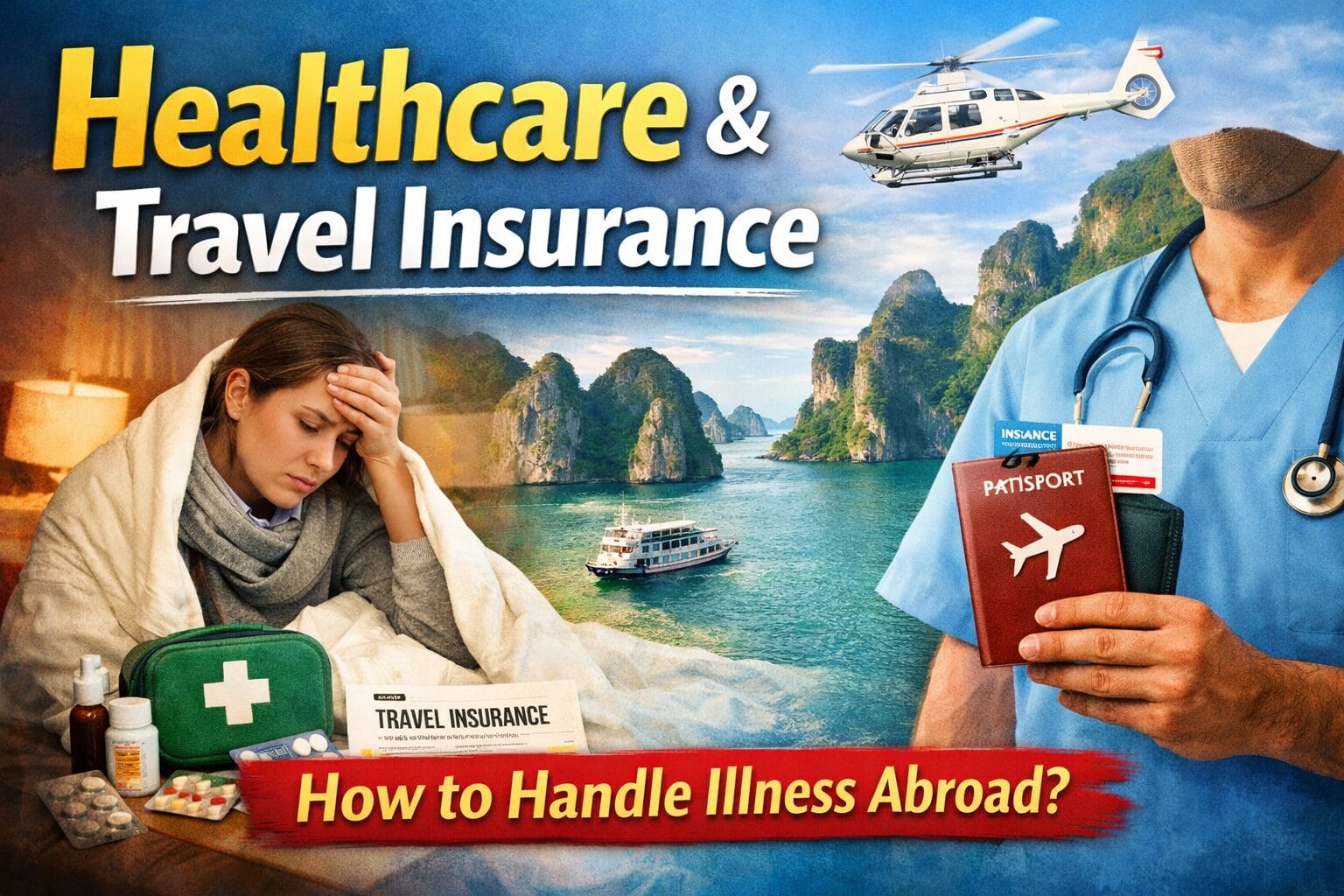
Handling illness abroad is not just about finding a doctor when you feel unwell. It is about understanding how foreign healthcare systems work, knowing your rights as a traveler, preparing for emergencies, and ensuring you are financially and emotionally protected far from home. From food poisoning in Hanoi to a scooter accident in Hoi An or a sudden fever while cruising Ha Long Bay, health issues can arise unexpectedly, even for the most careful travelers.
This guide explores how to handle illness abroad with confidence, focusing on healthcare access, travel insurance essentials, and real-world situations travelers in Vietnam and Southeast Asia commonly face.
Understanding Healthcare Systems When You Travel Internationally
Public vs Private Healthcare Abroad
One of the biggest surprises for first-time international travelers is how different healthcare systems can be. In many countries, including Vietnam, healthcare is divided into public hospitals and private or international clinics. Public hospitals are widely available and affordable, but they can be crowded, language barriers are common, and service standards vary by region. Private hospitals and international clinics, on the other hand, often provide English-speaking doctors, shorter wait times, and more familiar medical practices, but at a higher cost.
For travelers, understanding this distinction before you arrive can save precious time during an emergency. In major cities such as Hanoi, Ho Chi Minh City, and Da Nang, international hospitals are well equipped to treat common travel illnesses, minor injuries, and even serious conditions. In rural areas or remote destinations, medical facilities may be basic, making evacuation insurance particularly important.
Quality of Medical Care in Popular Travel Destinations
Vietnam’s healthcare system has improved significantly over the past decade, especially in urban centers. Many doctors are trained overseas, diagnostic equipment is modern, and pharmacies are well stocked. However, standards are not uniform nationwide. Travelers venturing into mountainous regions, islands, or border areas should plan carefully and understand that advanced treatment may require transfer to a major city.
This variability is one of the key reasons healthcare and travel insurance is essential when handling illness abroad.
Common Travel Illnesses and Health Risks Abroad
Food and Water-Related Illnesses
Trying local cuisine is one of the joys of travel, but it is also one of the most common sources of illness abroad. Traveler’s diarrhea, stomach infections, and food poisoning are frequent issues in Southeast Asia. While most cases are mild, severe dehydration or infections can require medical attention.
Knowing where to seek treatment and having insurance coverage for clinic visits and medication can turn a stressful situation into a manageable one.
Accidents and Injuries While Traveling
Motorbikes, uneven sidewalks, adventure activities, and unfamiliar traffic rules increase the risk of accidents. Even a minor fall can lead to fractures or infections if not treated properly. Travel insurance that covers accidents, emergency care, and hospital stays is critical, especially if your itinerary includes activities like trekking, cycling, kayaking, or motorbike tours.
Climate-Related and Infectious Diseases
Heat exhaustion, dehydration, dengue fever, and seasonal flu are also common concerns. While many illnesses can be treated easily, delayed care due to cost concerns or lack of information can worsen outcomes. This is where being prepared makes a real difference.
Why Travel Insurance Is Non-Negotiable for International Travel
What Travel Insurance Really Covers
Many travelers mistakenly assume travel insurance is only for lost luggage or flight delays. In reality, comprehensive travel insurance plays a crucial role in handling illness abroad. A strong policy typically covers:
– Doctor consultations and hospital treatment
– Prescription medication
– Emergency medical evacuation
– Repatriation to your home country
– Coverage for pre-existing conditions (with conditions)
Without insurance, even a short hospital stay can cost thousands of dollars, especially at international clinics.
Medical Evacuation: The Hidden Lifesaver
Medical evacuation is one of the most expensive aspects of emergency care abroad. If you require specialized treatment not available locally, evacuation to another country or back home may be necessary. In Vietnam, evacuations are usually routed through Bangkok or Singapore, and costs can easily exceed tens of thousands of dollars.
Travel insurance with evacuation coverage ensures decisions are based on medical need, not financial fear.
Choosing the Right Travel Insurance Policy
Not all policies are created equal. When selecting travel insurance for Vietnam or Southeast Asia, travelers should pay attention to coverage limits, exclusions, adventure activity clauses, and the claims process. Policies that offer 24/7 assistance services are particularly valuable when navigating healthcare systems abroad.
How to Handle Illness Abroad Step by Step
Step 1: Recognize Symptoms Early
Ignoring symptoms in the hope they will pass is one of the biggest mistakes travelers make. Early treatment often means faster recovery, lower costs, and fewer complications.
Step 2: Contact Your Insurance Provider
Most travel insurance providers offer emergency assistance hotlines. They can recommend approved hospitals, arrange direct billing, and guide you through the process. This support is invaluable when you are feeling unwell in an unfamiliar environment.
Step 3: Choose the Right Medical Facility
In Vietnam, international clinics in major cities are often the best first stop for travelers. They provide clearer communication and faster service, especially for non-emergency issues.
Step 4: Keep All Documentation
Medical reports, receipts, prescriptions, and discharge summaries are essential for insurance claims. Keeping digital copies is highly recommended.
Managing Healthcare Costs Without Stress
One of the biggest benefits of having proper healthcare and travel insurance is peace of mind. Instead of worrying about costs, travelers can focus on recovery and getting back to enjoying their journey. Even affordable destinations can become expensive when unexpected medical care is involved.
In Vietnam, out-of-pocket costs may seem low compared to Western countries, but multiple visits, tests, or hospital stays can add up quickly.
Preparing Before You Travel
Health Checkups and Vaccinations
Visiting a doctor before departure allows travelers to address existing conditions, update vaccinations, and discuss destination-specific health risks. This proactive approach reduces the likelihood of serious illness abroad.
Packing a Smart Travel Health Kit
Basic medications, prescriptions, and copies of medical records can make treatment smoother. Travelers with chronic conditions should carry sufficient medication for the entire trip.
Understanding Policy Details in Advance
Knowing what your insurance covers before you travel eliminates confusion during emergencies. Read the fine print, understand exclusions, and save emergency contact numbers.
Real-World Experience: When Preparation Makes All the Difference
Many seasoned travelers will tell you that travel insurance feels unnecessary until the moment it saves your trip. From unexpected hospital stays to emergency flights home, preparation transforms crises into manageable detours rather than trip-ending disasters. In Vietnam, where experiences range from bustling cities to remote landscapes, that preparation is especially valuable.
Frequently Asked Questions
Do I really need travel insurance for Vietnam?
Yes. Travel insurance is essential for covering medical treatment, emergencies, and evacuation, especially in case of accidents or serious illness.
Is healthcare in Vietnam safe for tourists?
Healthcare quality is high in major cities with international clinics, but varies in rural areas. Insurance helps ensure access to the best facilities.
What happens if I get sick without travel insurance?
You will need to pay medical costs upfront, which can be expensive, especially for hospital stays or evacuation.
Does travel insurance cover pre-existing conditions?
Some policies do, but often with conditions. Always check policy details before purchasing.
Can I buy travel insurance after arriving abroad?
Some providers allow it, but coverage may be limited. It is best to purchase insurance before departure.
Final Thoughts: Travel Smarter, Travel Safer
Handling illness abroad is not about expecting the worst, but about respecting reality. Travel is unpredictable, and health is priceless. With the right knowledge, preparation, and travel insurance, you can explore Vietnam and the world with confidence, knowing you are protected no matter where the road leads.
Discover Indochina with confidence on our expertly designed tours, where your safety, comfort, and peace of mind are always prioritized, from arrival to departure.
Tags:
expat healthcare,healthcare abroad,illness while traveling,international travel health,medical emergencies overseas,pre-travel preparation,Southeast Asia travel,travel insurance,travel safety,vietnam travel tips