
Ha Giang, a land of majestic mountains and profound cultural heritage in Vietnam’s far north, beckons travelers seeking raw beauty and authentic experiences. This border province, renowned for its dramatic landscapes and vibrant ethnic communities, transforms uniquely with each passing season. For anyone planning their journey, understanding the Ha Giang climate by month is paramount. It directly impacts road conditions, landscape views, and the overall travel experience.
The answer to “when to go” depends entirely on your preferences and what you wish to see. Ha Giang’s unique highland climate means it offers distinct charms year-round. This guide will provide a comprehensive, month-by-month breakdown. It details typical weather patterns, landscape changes, and key activities. This information will help you choose your perfect timing for traveling to Ha Giang. Knowing the Ha Giang climate by month ensures you prepare adequately and make the most of your adventure.
Understanding Ha Giang’s Climate Profile
Ha Giang’s climate is characteristic of a highland region. It offers a refreshing contrast to Vietnam’s hotter lowlands. However, its mountainous terrain creates diverse microclimates. This adds complexity to seasonal predictions. Understanding these nuances is key for any plan involving Ha Giang climate by month.
General Climate Characteristics
Highland Climate: Temperatures are generally cooler than Hanoi or other low-lying areas. This makes it a pleasant escape, especially during hotter months elsewhere. The air is often crisp and invigorating.
Two Main Seasons (Broadly): Ha Giang experiences distinct cool/dry and warm/wet periods.
Dry Season (Roughly October to April): Characterized by cooler temperatures, minimal rain, and often misty mornings. Skies tend to be clearer overall.
Wet Season (Roughly May to September): Warmer and more humid. Rainfall is frequent, particularly in July and August. This period brings lush greenery and full waterfalls.
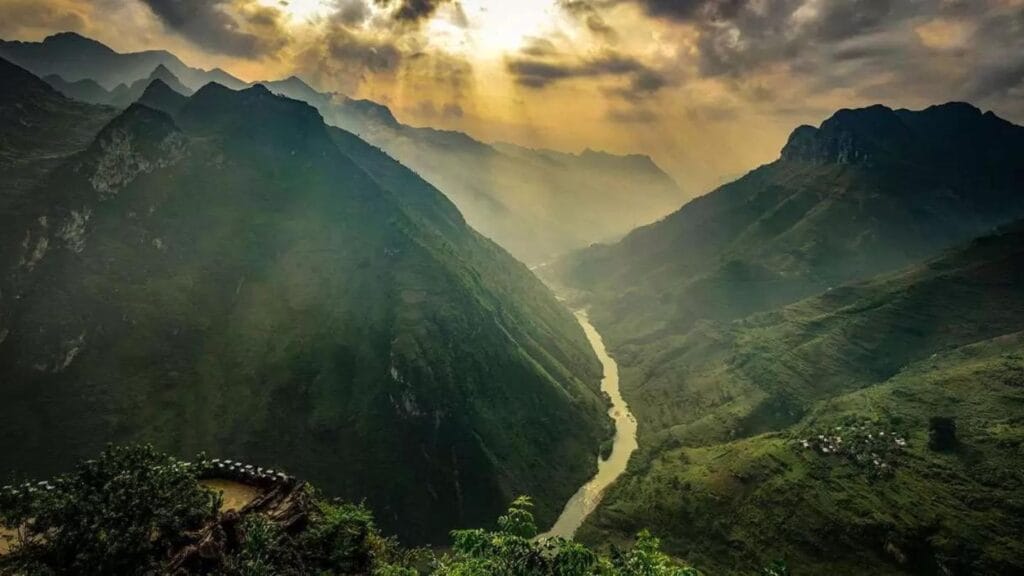
Microclimates: Significant altitude variations across the province (from deep valleys to high mountain passes like Ma Pi Leng) mean local weather can change rapidly. One area might be sunny and clear, while another, just a short distance away, is shrouded in mist or experiencing rain. This unpredictability is part of traveling to Ha Giang‘s adventure.
Factors Influencing Season Choice
Your ideal time to visit Ha Giang often hinges on specific preferences. Knowing the Ha Giang climate by month helps align these factors:
Landscape Transformations: The appearance of the iconic rice terraces changes dramatically. They can be water-filled mirrors, lush green, or golden ripe.
Festivals: Unique ethnic minority festivals occur throughout the year. These offer deep cultural insights and vibrant experiences.
Road Conditions: Rain can make mountain roads slippery and increase the risk of landslides. Dry seasons offer smoother, safer journeys.
Temperature and Precipitation: Your personal comfort with cold, heat, or rain will dictate preferred months.
Crowds: Peak seasons can mean more tourists, especially domestic travelers. This potentially impacts prices and tranquility.
Month-by-Month Breakdown: Navigating Ha Giang Climate by Month

This detailed breakdown will guide you through the specific weather patterns, landscape features, and travel considerations for each month in Ha Giang.
1. January: Coldest Month & Misty Charm
Temperature: January is typically the coldest month in Ha Giang. Average temperatures range from 5-15°C (41-59°F). Higher altitudes like Dong Van and Meo Vac can experience near-freezing temperatures, sometimes dropping below 0°C (32°F) at night.
Precipitation: Very low rainfall. It’s part of the dry season.
Landscape: Rice paddies are largely barren after harvest. However, the stark beauty of the karst mountains is accentuated. Misty mornings and fog are common, creating atmospheric “sea of clouds” phenomena, especially over valleys. Frost can occur at the highest points.
Traveler Experience: Requires heavy winter clothing, including thermal layers, gloves, hats, and warm jackets. Roads are generally dry. It’s a quiet time for tourism, offering peaceful exploration.
2. February: Early Spring & Blossoms Begin
Temperature: Temperatures slowly begin to rise, averaging 8-18°C (46-64°F). It’s still chilly, especially mornings and evenings.
Precipitation: Low rainfall. The air starts to feel a bit fresher.
Landscape: The highlight is the early bloom of peach and plum blossoms. Delicate pink and white flowers adorn the hillsides, creating beautiful scenes. Rice paddies might still be fallow or just beginning to be prepared.
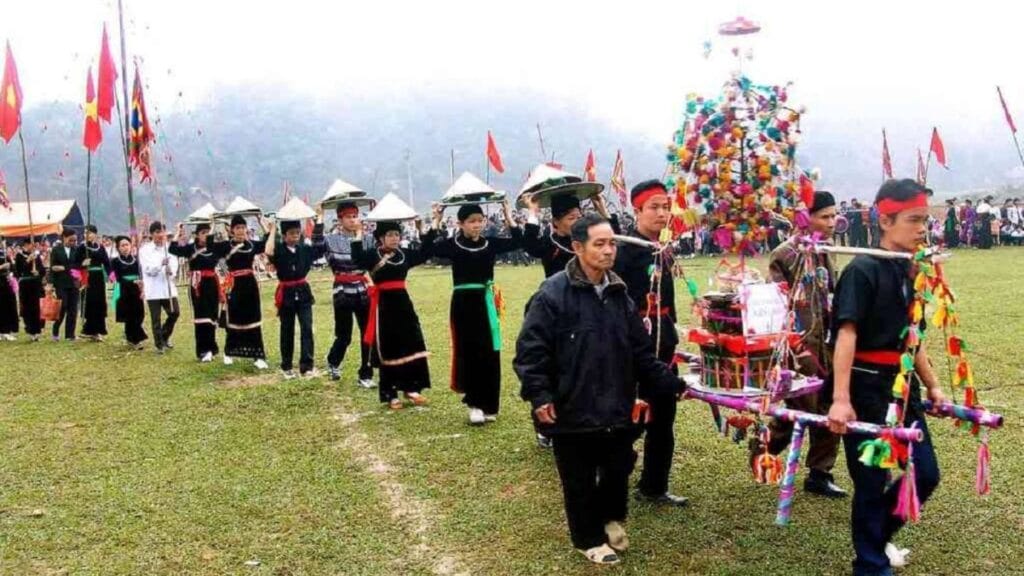
Activities: Good for gentle trekking amidst blossoms. It’s also a time for Lunar New Year (Tet) celebrations. Ethnic minority communities host vibrant spring festivals, like the Gau Tao Festival of the Hmong, making it a culturally rich time to explore the Ha Giang climate by month.
3. March: Peak Blossoms & Mild Days for Traveling to Ha Giang
Temperature: Pleasant temperatures, averaging 12-22°C (54-72°F). Days are often mild and sunny.
Precipitation: Still relatively low rainfall, but occasional light drizzles may occur.
Landscape: Peak bloom for various types of flowers, including pear blossoms. Rice paddies in lower valleys begin to be tilled and filled with water, creating mirror-like reflections.
Activities: Ideal for trekking and motorbike touring. Comfortable for extended outdoor exploration. More festivals occur, celebrating spring and new harvests.
4. April: Warm Days & Paddies Filling Up
Temperature: Warmer, averaging 18-28°C (64-82°F). Days are generally sunny and clear.
Precipitation: Rainfall remains low, but humidity starts to subtly increase towards the end of the month.
Landscape: Rice paddies are extensively filled with water, creating vast reflecting surfaces, especially beautiful in terraced areas. Young rice shoots may begin to emerge.
Activities: Perfect for all types of outdoor activities. The famous Khau Vai Love Market, a unique cultural event, typically takes place in April (27th day of the 3rd lunar month). This month offers excellent conditions for traveling to Ha Giang.
5. May: Start of Wet Season & Green Terraces Emerge
Temperature: Temperatures rise further, averaging 22-30°C (72-86°F). Humidity noticeably increases.
Precipitation: The wet season begins. Afternoon showers become more frequent. These are often short but heavy.
Landscape: Rice plants are actively growing, turning the terraces a lush, vibrant green. Waterfalls begin to gain volume.
Activities: Good for observing the rice growth cycle. Fewer international tourists, so a quieter experience. Road conditions can become slippery after heavy rain.
6. June: Lush Greens & Hot, Humid Days for Traveling to Ha Giang
Temperature: Hot and humid, averaging 25-33°C (77-91°F). The air can feel heavy.
Precipitation: Frequent and heavy afternoon rains are common. Thunderstorms can occur.
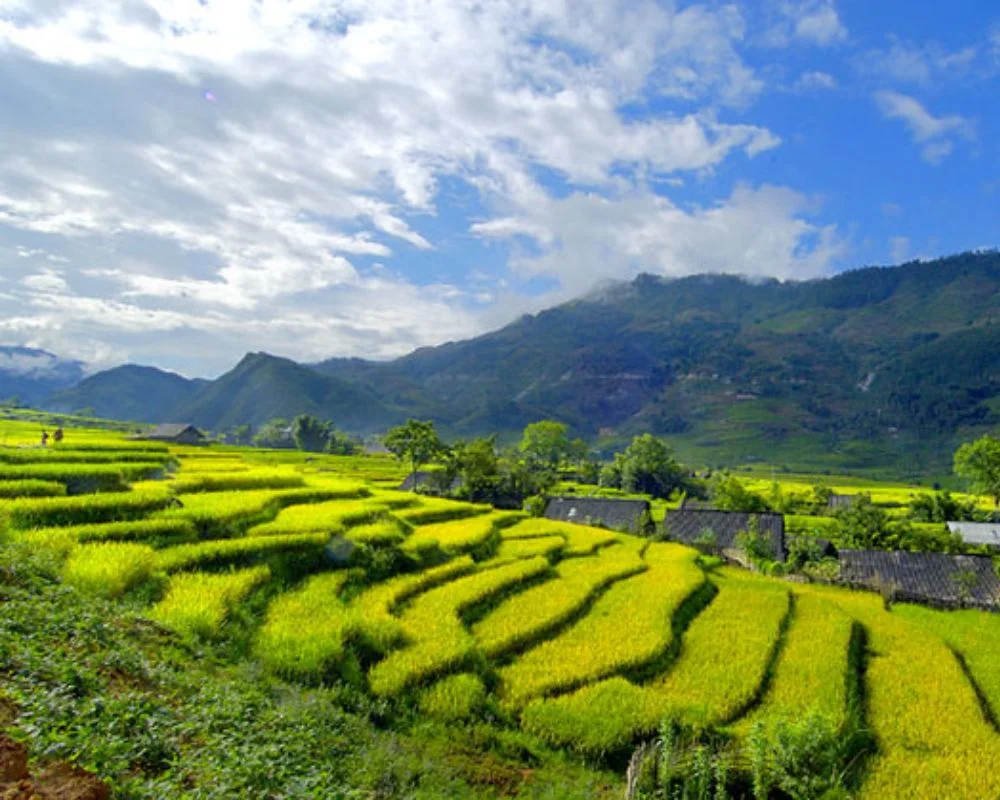
Landscape: Rice terraces are at their absolute greenest, creating stunning, verdant landscapes. Waterfalls are powerful and majestic. Lush forests are vibrant.
Activities: Best for enjoying the lush scenery and powerful waterfalls. Fewer crowds allow for a more peaceful experience. Requires rain gear and caution on roads, as highlighted by Ha Giang climate by month data.
7. July: Peak Rain & Lushness
Temperature: Remains hot and humid, similar to June, averaging 25-32°C (77-90°F).
Precipitation: July is often the month with the highest rainfall. Heavy, prolonged downpours are more likely.
Landscape: Continues to be extremely lush and green. Waterfalls are at their peak volume.
Activities: Ideal for truly immersive nature experiences if you are prepared for rain. However, the risk of landslides and flash floods on mountainous roads is highest. Continuous monitoring of local conditions is crucial for traveling to Ha Giang in July.
8. August: Continued Rain & Transition
Temperature: Temperatures remain warm and humid, averaging 24-32°C (75-90°F).
Precipitation: Rainfall starts to decrease slightly towards the end of the month, but heavy showers are still common.
Landscape: Green fields mature. Some early ripening might begin in lower altitudes. Waterfalls remain impressive.
Activities: Still potential for road issues due to lingering heavy rains. This month marks a transition, with improving conditions as autumn approaches.
9. September: Golden Harvest Begins for Traveling to Ha Giang
Temperature: Temperatures begin to cool, averaging 20-28°C (68-82°F). Humidity decreases.
Precipitation: Rainfall significantly decreases. It marks the clear start of the dry season.
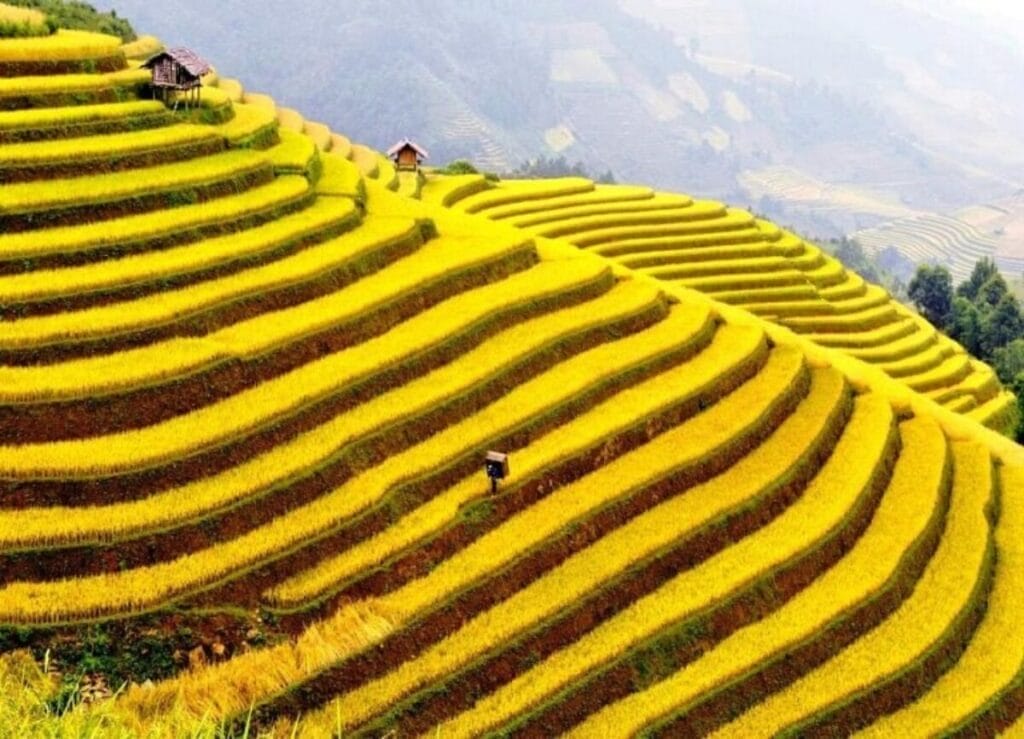
Landscape: The rice paddies in lower altitudes and some higher areas begin to turn a beautiful golden hue. This signals the start of the harvest season.
Activities: Ideal for photography, trekking, and motorbike touring. The weather is highly pleasant. This is a very popular time for traveling to Ha Giang.
10. October: Golden Peak & Perfect Weather for Ha Giang Travel
Temperature: Considered the month with the best weather. Cool, dry, and sunny, averaging 15-25°C (59-77°F).
Precipitation: Minimal rain. Clear skies are common.
Landscape: The golden rice paddies are at their absolute peak across the entire province, especially in Hoang Su Phi. It’s a breathtaking sight for any Ha Giang travel enthusiast. Visibility is excellent.
Activities: Optimal conditions for all outdoor activities. Perfect for trekking, motorbike loops, and photography. This is a prime time for harvest festivals.
11. November: Buckwheat Flowers & Cool Air
Temperature: Cooler, dry weather, averaging 10-20°C (50-68°F). Mornings can be quite chilly.
Precipitation: Very low rainfall. Crisp air.
Landscape: Vast fields of delicate buckwheat flowers bloom from late October through November, blanketing hillsides in shades of white, pink, and purple. The Buckwheat Flower Festival typically takes place in mid-to-late November.
Activities: Ideal for buckwheat flower viewing and cloud hunting. Comfortable for trekking and motorbiking.
12. December: Cold & Misty Charm
Temperature: Coldest part of the dry season, averaging 5-15°C (41-59°F). Nights in high passes can drop below freezing.
Precipitation: Very low rainfall. It’s a very dry month.
Landscape: Misty valleys and fog are common, creating ethereal “sea of clouds” phenomena. Rice fields are fallow. Occasional frost or even light snow can occur at the highest altitudes (rare but possible).
Activities: Quieter time for tourism. Good for cloud hunting. Requires very warm clothing and careful planning for road conditions due to cold.
Choosing Your Best Time Based on Ha Giang Climate by Month
The “best” time for traveling to Ha Giang truly depends on your personal priorities and what kind of adventure you seek. Here’s a summary based on the Ha Giang climate by month data:
Photography & Golden Landscapes: Late September to mid-October (Autumn) is unparalleled for the golden rice fields.
Trekking & Comfortable Motorbiking: Autumn (September-November) offers the most ideal weather and road conditions. Spring (March-April) is also excellent.
Flower Lovers: Late February to early March for peach/plum blossoms (Spring), and late October to early December for buckwheat flowers (late Autumn/early Winter).
Avoiding Crowds: Summer (especially July-August) and Winter (December-January) generally see fewer international tourists, though domestic tourism peaks in autumn.
Lush Greenery & Full Waterfalls: Summer (June-August) showcases the vibrant green landscapes and powerful waterfalls.
Festivals: Spring is rich with ethnic minority festivals, and autumn offers harvest celebrations.
Ultimately, Ha Giang possesses a captivating magic in every season. This Ha Giang climate by month guide emphasizes careful planning based on your desired experience.
Essential Tips for Traveling to Ha Giang, Regardless of Month
Regardless of when you choose to embark on your Ha Giang adventure, certain practical tips remain crucial for a safe and enjoyable trip.
Packing Essentials for Your Ha Giang Trip
Layers: Essential year-round due to changing temperatures throughout the day. Include warm layers, even in spring/autumn, for cool mornings/evenings.
Rain Gear: Always pack a good quality waterproof jacket and trousers, regardless of season, due to unpredictable mountain weather. A rain cover for your backpack is also advised.
Sturdy Footwear: Comfortable, waterproof, and non-slip hiking shoes or boots are crucial for trekking and navigating variable terrain, which can be slippery or uneven.
Sun Protection: Sunscreen, a wide-brimmed hat, and sunglasses are needed even on cloudy days due to high altitude.
Basic First Aid: A small kit with bandages, antiseptic wipes, pain relievers, and any personal medications is always wise.
Power Bank: Electricity can be intermittent in remote areas.
Transportation for Traveling to Ha Giang

Motorbike (The Loop): The Ha Giang Loop is famously explored by motorbike. Only undertake this if you are an experienced rider. Roads are challenging, especially with weather changes. Always wear a helmet and protective gear (kneepads, elbow pads are recommended). Consider hiring an “Easy Rider” (a local guide who drives the motorbike) for safety and invaluable local insights.
Car with Driver: A comfortable and safe option for those who prefer not to ride a motorbike. Drivers are familiar with the terrain and local conditions. This is especially recommended for families or larger groups.
Local Bus/Minivan: Connects Ha Giang City to various districts within the province. This is a budget-friendly option, though less flexible than private transport.
Accommodation in Ha Giang
Homestays: The most authentic way to experience local culture. Stay in traditional stilt houses in ethnic minority villages. Share meals with local families. These offer a unique, immersive insight into daily life. Book in advance during peak seasons (autumn, spring) as popular ones fill up.
Guesthouses/Hotels: Available in Ha Giang City, Dong Van, and Meo Vac. Offer more standard amenities, often with private bathrooms and basic comforts.
Safety Tips for Traveling to Ha Giang
Road Conditions: Always check local road and weather conditions before setting out, especially during the rainy season when landslides can occur. Drive slowly and cautiously on winding mountain roads. Be aware of sharp turns and steep inclines/declines.
Local Guides: Consider hiring a local guide, especially for trekking or if you’re not an experienced rider. They provide safety, navigation, and invaluable cultural insights.
Stay Aware: Be vigilant for animals on the road, other vehicles (especially large trucks), and rapidly changing mountain weather. Avoid riding at night due to poor visibility.
Stay Hydrated & Energized: Carry enough water and snacks, especially during long drives or treks.
Travel Insurance: Non-negotiable. Ensure it covers medical emergencies, accidents (including motorbike accidents if you plan to ride), and evacuation. The remote nature of Ha Giang makes this crucial.
Respect Local Culture
Dress Modestly: Especially when visiting villages and temples.
Ask Permission: Always ask before taking photos of locals, especially children or elders.
Support Local: Buy handicrafts directly from artisans, stay in homestays, and eat at local establishments to ensure your tourism benefits the community.
Bargain Fairly: If bargaining, do so politely and respectfully.
Your Ha Giang Journey Awaits
Ha Giang is truly a mesmerizing destination. It offers unparalleled natural beauty and profound cultural experiences. The decision of when to visit Ha Giang is a personal one, influenced by your desired landscapes and comfort levels. Each season paints this majestic frontier in different hues, from the delicate blossoms of spring to the vibrant greens of summer, the golden tapestry of autumn, and the mystical fogs of winter.
This detailed Ha Giang climate by month guide has provided comprehensive insights into what each period offers. Whether you seek the awe-inspiring golden rice terraces of September, the vibrant spring festivals, or the serene misty landscapes of winter, Ha Giang promises an unforgettable adventure. By choosing wisely and preparing thoroughly, your journey to this remote and stunning province will be a highlight of your Vietnam travels. Embrace the call of the mountains, and let Ha Giang captivate your soul.
Tags:
Ha Giang best time,Ha Giang by month,Ha Giang climate,Ha Giang festivals,Ha Giang flowers,Ha Giang tour planning,Ha Giang travel,Ha Giang trekking season,Ha Giang weather,Northern Vietnam weather