If you’re dreaming of vibrant landscapes, golden rice terraces, and breathtaking photo ops, there’s one question that matters most: when is harvest season for photos in northern Vietnam? This comprehensive guide explores every corner—from the iconic Sapa rice terraces to the lush fields of Ninh Binh—to help you plan your perfect photography trip. Learn what to expect, when to go, where to shoot, why this season is magical, and how to capture stunning images.
1. What Is the Harvest Season for Photos in Northern Vietnam?
Harvest season in northern Vietnam typically refers to the golden rice harvest period, when terraces glow in shades of amber and gold. This time transforms lush green paddies into photogenic masterpieces, perfect for capturing dramatic sunrise shots over cascading fields in Sapa, Mu Cang Chai, and Ninh Binh’s rice paddies.
During this season, local farmers are busy cutting, binding, and transporting rice stalks. The scene becomes rich with cultural authenticity—terrace paths filled with bundles of rice, villagers in traditional dress, and warm lighting at dawn and dusk.
2. Where to Visit During Harvest Season
2.1 Sapa & Mu Cang Chai
-
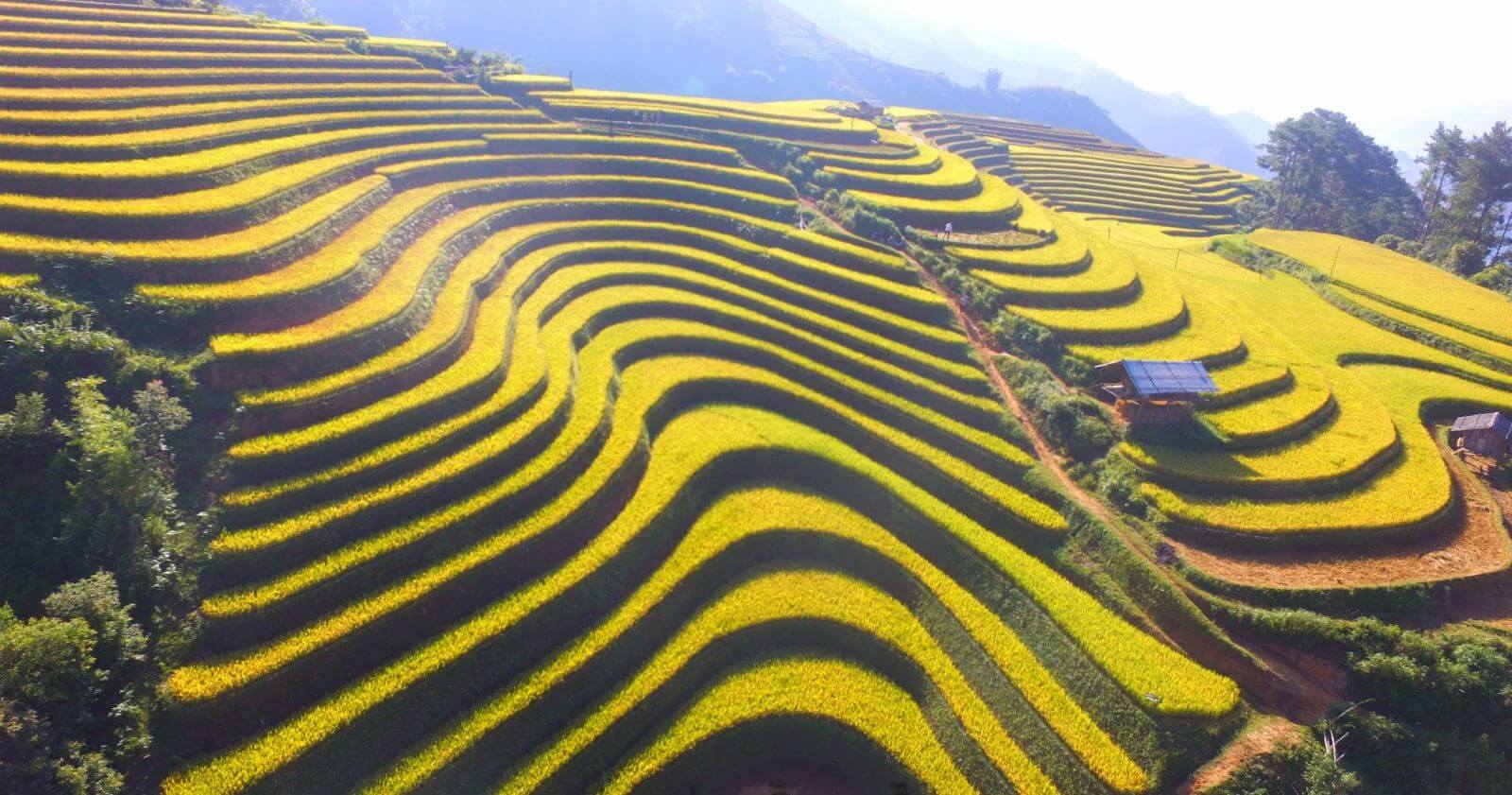
Sapa rice terraces in Lao Cai province, particularly Mu Cang Chai, are world‑famous for stunning sunrise Sapa rice terraces shots.
-
Key locations include the villages of La Pan Tan, Che Cu Nha, and De Xu Phinh.
-
Nearby Hoang Su Phi also features lesser‑crowded but equally photogenic terraces.
2.2 Ninh Binh (Tam Coc / Bich Dong)
-
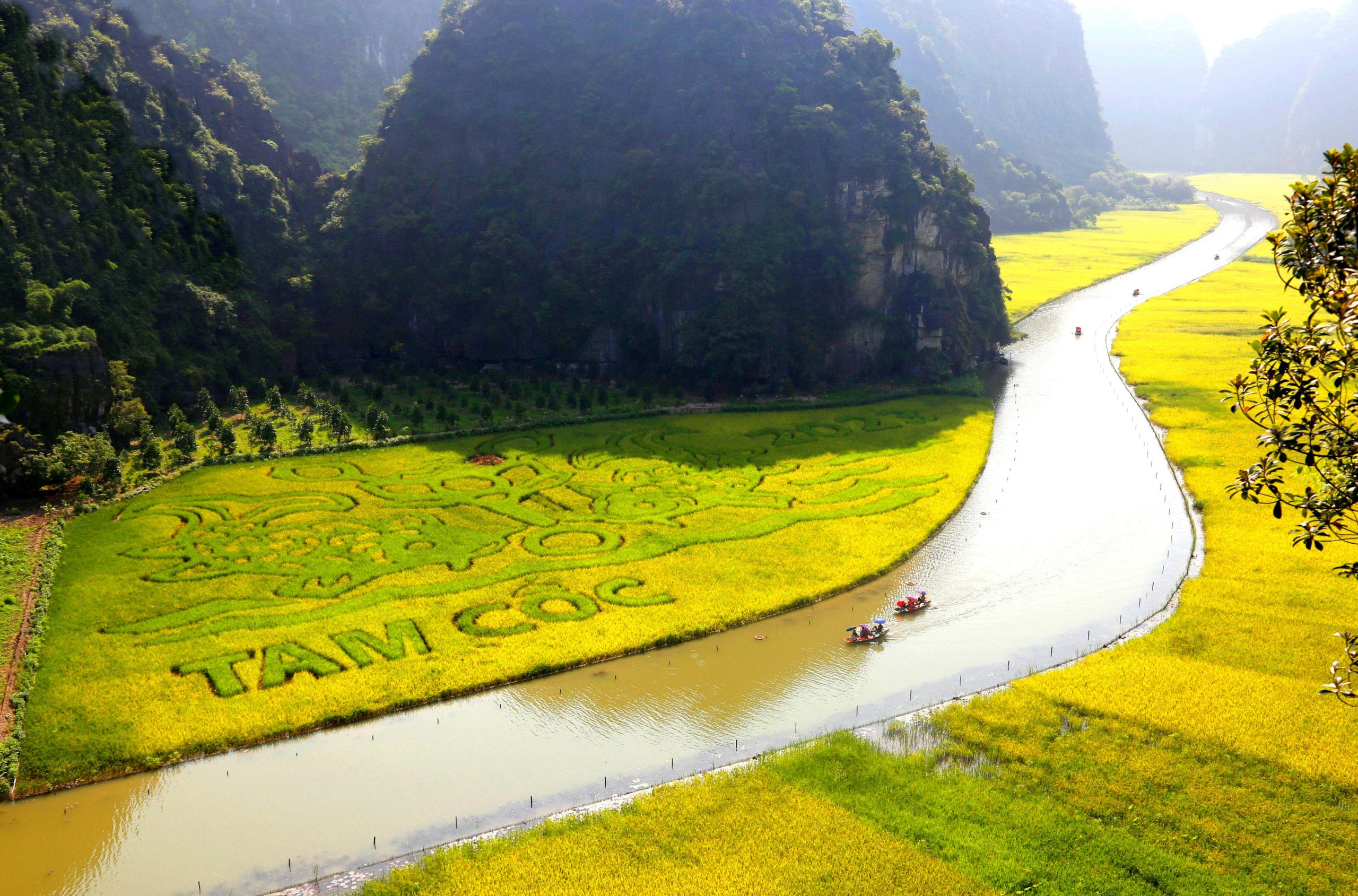
Known as Land Halong Bay rice fields, the golden paddies of Tam Coc and Trang An glow especially at sunrise and sunset.
-
Visit Mua Cave viewpoint for sweeping panoramas overlooking the golden fields.
2.3 Ha Giang & Cao Bang (Optional)

-
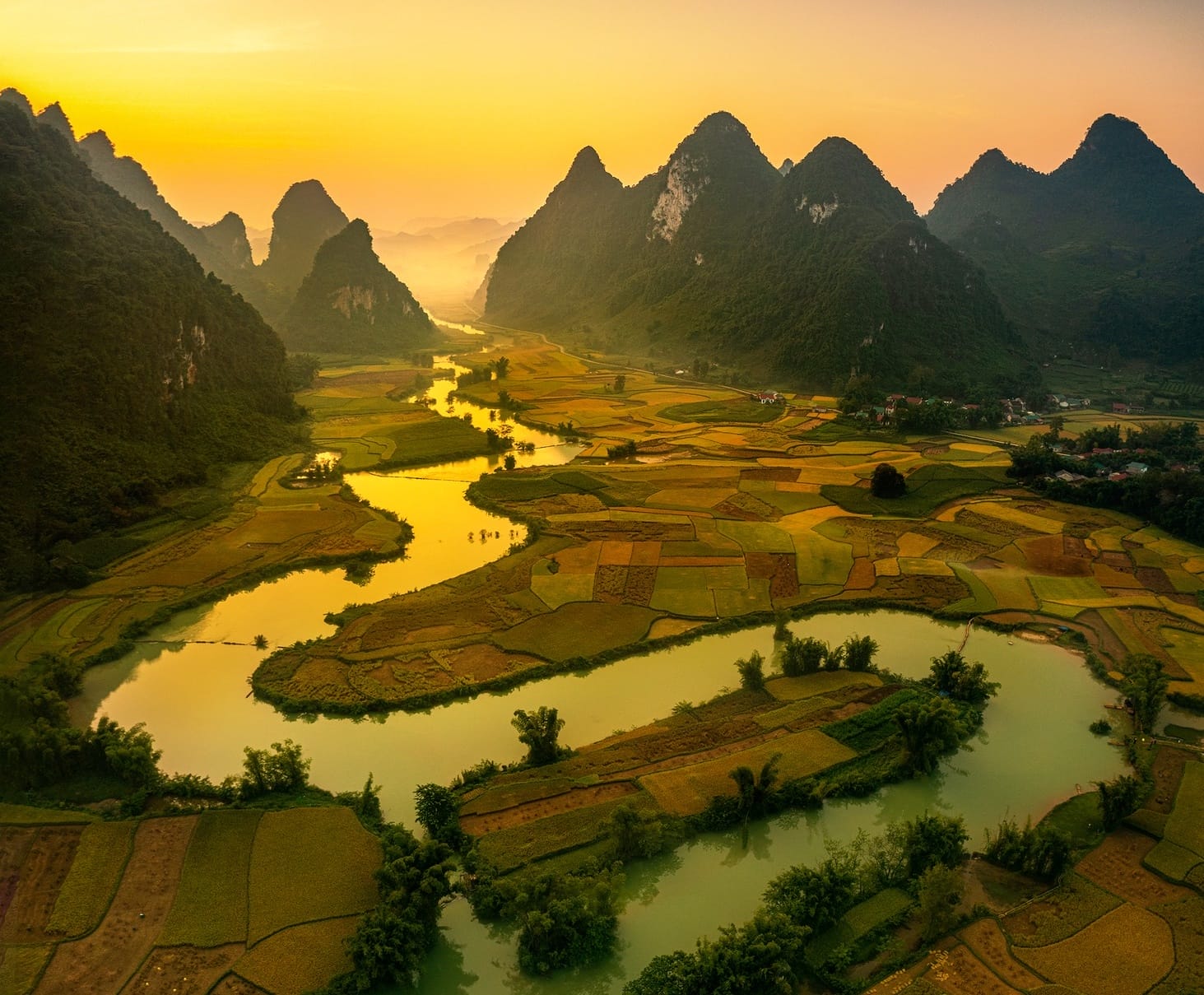
For adventurous travelers, the remote regions of Ha Giang loop and Cao Bang rice terraces offer rugged, dramatic views and rich cultural context.
3. When Exactly Is the Harvest Season? (By Month & Stage)
September to Early October – Full Green to Pre‑Honey Gold
-
The paddies turn from lush green to pale yellow. Harvest begins in lower elevations by mid‑September.
-
This pre‑harvest stage still yields beautiful green‑gold contrast landscapes.
Mid‑October to Mid‑November – Peak Golden Fields
-
The peak golden terraces appear during this window.
-
Best time for vibrant photo coverage of fields, farmers at work, and reflections in water between terraces.
Late November to Early December – Post‑Harvest & Stubble Light
-
Most rice cut by now; paddies become stubble fields with golden straw.
-
Offers moody, earthy tonal landscapes—less vibrant but still photogenic.
4. Why Autumn & Early Winter Are Ideal
4.1 Golden Light & Perfect Contrast
-
Crisp skies and clear air in autumn enhance contrast between sky and terraces.
-
Soft, warm light at sunrise and sunset accentuates texture on terraces.
4.2 Cultural Authenticity & Activity
-
Farmers in traditional attire harvesting paddle by paddle creates powerful cultural storytelling images.
-
Traditional practices like hand‑sickling and rice drying add human interest.
4.3 Cooler Weather & Clearer Visibility
-
Cooler temperatures reduce haze; the air becomes crisp after monsoon rains.
-
Ideal conditions for drone shots, panoramic vistas, and long exposures.
5. How to Prepare for the Best Harvest Season Photography Trip
5.1 Planning & Timing Tips
-
Aim for mid‑October to early November for peak golden light and harvest activity.
-
Book accommodations early, especially in Sapa, Mu Cang Chai, and Ninh Binh.
-
Plan to shoot at sunrise and sunset when the paddies glow and reflections are visible.
5.2 Gear & Packing Checklist
-
DSLR or mirrorless camera with wide-angle and telephoto lenses.
-
Tripod for long‑exposure and low‑light shooting.
-
Polarizing filter to reduce glare on wet paddies.
-
Drone (if allowed) for aerial terrace views.
-
Warm layers: jackets, gloves, scarves—weather can be chilly in early morning.
5.3 Traveling Logistics
-
From Hanoi to Sapa: overnight sleeper train or private car (~8–9 hours).
-
From Hanoi to Mu Cang Chai: 6–7 hour scenic drive.
-
From Hanoi to Ninh Binh: 2–3 hour drive or train.
5.4 Staying Respectful & Sustainable
-
Always ask before photographing locals in villages.
-
Avoid disturbing rice paddies or local crops.
-
Stick to treks or walkways rather than trampling field edges.
6. FAQ – People Also Ask
Q1. When is rice harvest season in Sapa?
A1. The rice harvest season in Sapa typically peaks mid‑October to early November, with fields turning full golden by late October.
Q2. What is the best time for photos in Mu Cang Chai?
A2. Late October is the best time. The terraces glow gold and farmers are actively harvesting, making it perfect for “sunrise Sapa rice terraces” style shots.
Q3. Are the rice fields in Ninh Binh golden in October?
A3. Yes—Ninh Binh’s harvest fields reach peak color in October, especially around Tam Coc and Bich Dong, then taper by early November.
Q4. Can I still photograph after harvest?
A4. Yes. By late November, paddies are stubble‑covered offering dramatic earthy tones and textured landscapes, though less colorful than peak harvest.
Q5. Is it better to visit Sapa or Ninh Binh for harvest photography?
A5. For majestic terrace photography, Sapa or Mu Cang Chai is ideal. For flatter paddies and stunning reflections near karst formations, Ninh Binh is unbeatable.
Q6. How many days do I need for a harvest photo trip?
A6. Recommend at least 4–5 days: 1–2 days in Sapa or Mu Cang Chai, then 1–2 days in Ninh Binh, plus buffer time for travel and weather contingencies.
7. Wrap‑Up Summary Table
| Station / Region | Best Timing | Golden Fields Peak | Photo Conditions |
|---|---|---|---|
| Sapa / Mu Cang Chai | Mid‑Oct to Early Nov | Late Oct | Vibrant gold terraces, sunrise wild light |
| Ninh Binh (Tam Coc Region) | October border to early Nov | October | Flat golden paddies + reflections around karst |
| Ha Giang / Cao Bang (alt) | Late Oct – Nov | Late Oct | Rural, rugged landscapes with human context |
Photo‑enthusiasts, pack your gear and join our expert-led autumn trip for Sapa and Ninh Binh harvest season photography—book now to capture Vietnam’s golden wonders in full bloom.
Tags:
autumn in Vietnam,golden hour photography Vietnam,golden rice terraces,Mu Cang Chai harvest,Ninh Binh paddies,northern Vietnam harvest season,rice harvest photography,sapa photography,Tam Coc reflections,Vietnam wonder landscapes