


Riding a motorbike in Vietnam isn’t just a way to get around — it’s a rite of passage, a full-body dive into the pulse of everyday life. From scooters crowding morning markets to the high-altitude bends of Ha Giang and the sunlit rice terraces of Mu Cang Chai, Vietnam calls out to be explored on two wheels. But for many foreign riders, excitement quickly gives way to uncertainty:
Is my license valid? What if I get stopped? Will insurance cover me? How can I ride legally?
This complete 2025 guide gives you the confidence to ride through Vietnam legally and safely. Whether you’re planning a short trip through the city, a cross-country adventure, or joining a professional motorbike tour, knowing the rules is key. Packed with up-to-date laws, practical advice, and real scenarios, this guide helps you enjoy every ride — fearlessly and fully.
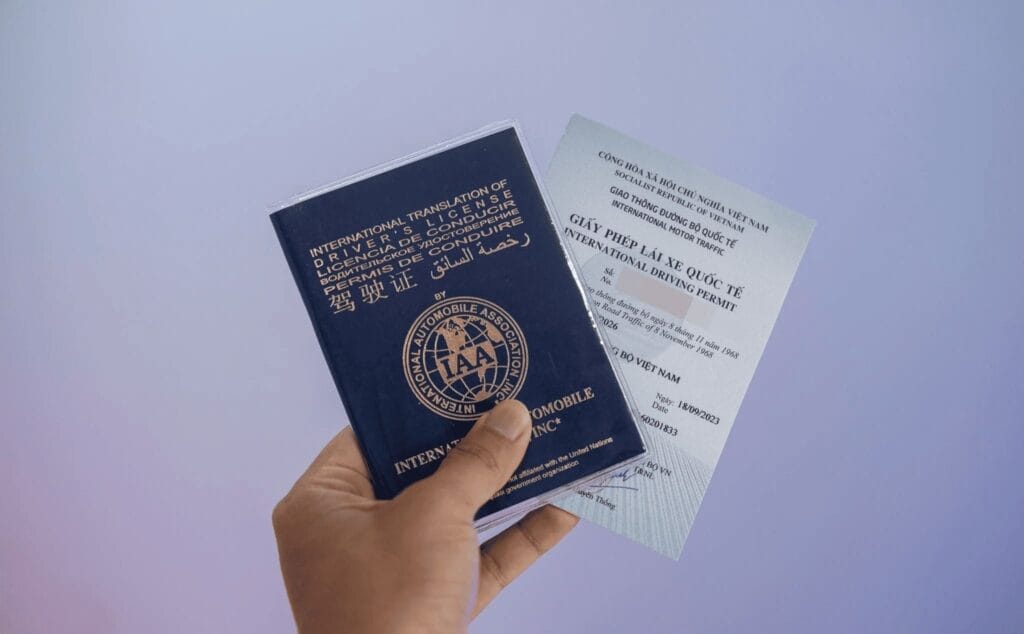
Overview: Riding in Vietnam — The Freedom, the Thrill, and the Legal Facts
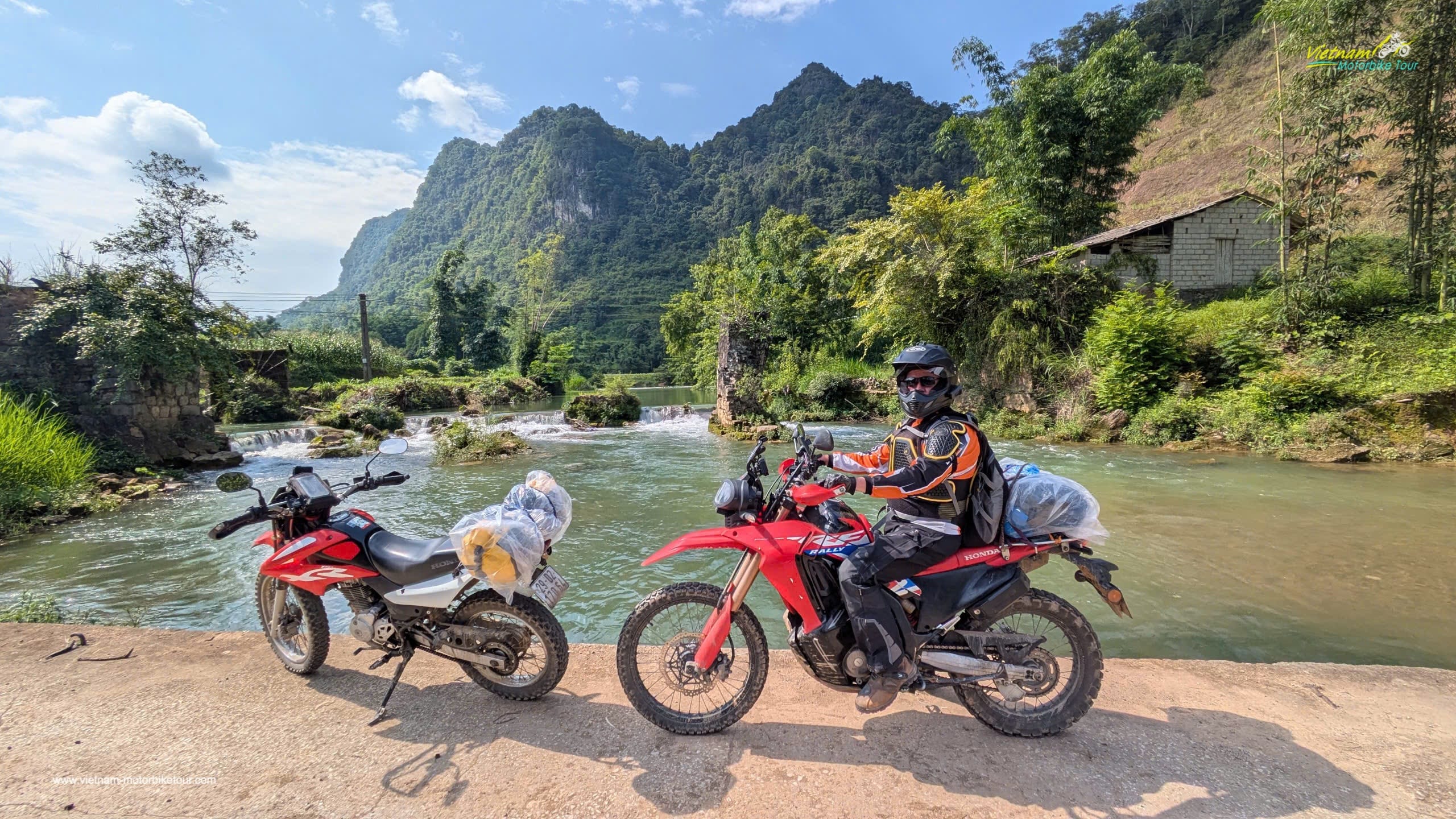
The dream is shared by many: riding the coast from Hue to Da Nang, watching clouds roll across the O Quy Ho Pass, or navigating the maze-like streets of Hanoi’s Old Quarter. Vietnam is one of Asia’s premier motorbike destinations — but the legal side is often misunderstood.
Here’s what many travelers don’t realize:
Vietnam has clear legal standards for motorcycle riders. Not all foreign licenses or IDPs (International Driving Permits) are accepted. Countless travelers unknowingly break the rules — risking fines, invalid insurance, or legal issues in case of an accident. The good news? There are safe and legal ways to ride — whether you’re visiting short-term or living here long-term.
This guide covers everything you need:
-
What Vietnam’s law says in 2025
-
Which foreign licenses are valid
-
The 1968 vs 1949 IDP confusion
-
When an IDP works — and when it doesn’t
-
How to convert your license in Vietnam
-
Insurance essentials
-
Dealing with police
-
Local traffic culture
-
Practical tips from years of rider experience
Understanding Motorbike Licensing in Vietnam (2025)
Motorbiking seems effortless in Vietnam — kids, grandparents, everyone rides. But behind that casual appearance is a clear legal structure governing who can ride, and on what terms.
Why a Valid License Matters
Vietnamese law requires anyone riding a motorbike over 50cc to have a valid and recognized license. This means:
-
A Vietnamese motorbike license (A1 or A2), or
-
A 1968 Vienna Convention IDP with a valid home-country license
Anything else — including many commonly issued IDPs — is not valid in Vietnam.
The 1968 vs 1949 IDP Confusion
Here’s where many get tripped up:
Countries like the USA, Canada, Australia, Japan, Malaysia, and others issue 1949 Geneva IDPs — but Vietnam doesn’t recognize them.
Only countries issuing 1968 Vienna Convention IDPs (mostly in Europe and the UK) are compliant. If your IDP is based on the 1968 Convention and includes motorcycle entitlement, you’re good to go.
Renting Without a Valid License? Think Again
Yes, it’s easy to rent a bike in Vietnam. Rental shops rarely ask for more than your passport and cash. But just because they hand over the keys doesn’t mean you’re riding legally.
Without a valid license:
-
Your insurance won’t cover you
-
Police can fine you
-
You’re 100% liable in accidents
-
You may face legal consequences
Even a minor crash could cost you thousands of dollars if you’re riding unlicensed.
Foreign Riders: What Licenses Are Actually Legal in Vietnam?
To stay within the law, you must fit one of these three categories:
Category 1 — Foreign License + 1968 IDP (Best for Short-Term Trips)
If your country follows the 1968 Vienna Convention:
-
Bring your home license (with motorcycle entitlement)
-
Carry your 1968 IDP (must include category A)
-
Keep your passport on you
If all three are in place, you’re riding legally.
Category 2 — Convert Your License into a Vietnamese One (Best for Long-Term Stay)
Ideal for digital nomads, expats, and long-term visitors.
Vietnam allows you to convert your home license to a local A1 or A2 without testing.
You’ll need:
-
Valid visa or residence status
-
Home-country motorcycle license
-
Notarized translation (if required)
-
Health checkup certificate
-
Passport + photos
-
Application to Department of Transport
The process takes about a week. Once done, you’re fully legal and insurance-compliant.
Category 3 — Take the Vietnamese Riding Test
No license at home? You can take Vietnam’s test, but it includes theory and road exams — in Vietnamese. Most tourists skip this option in favor of conversion or IDPs.
Vietnamese License Types: A1 vs A2
Understanding the license categories matters when choosing your bike.
A1 License — Up to 175cc (Most Travelers)
Covers popular bikes like:
-
Honda XR150
-
Honda Winner 150
-
Yamaha Exciter 155
-
Scooters like Honda Vision, Future, Wave
A2 License — 175cc and Up (For Big Bike Riders)
Covers:
-
Honda CB500X
-
BMW GS models
-
Triumph Tiger
-
Royal Enfield Himalayan
-
Harley Davidson
A2 licenses are harder to get. Your home license must already include big-bike authorization.
Insurance: What Happens If You’re Unlicensed?
Even with “travel insurance,” claims will be denied if:
-
Your license isn’t valid in Vietnam
-
Your license doesn’t match the bike’s size
-
You weren’t legally permitted to ride
Insurance companies check these details before paying medical or damage claims.
Case: Australian Rider with a 1949 IDP
-
Holds an Australian IDP
-
Rides a 150cc rental bike
-
Gets into an accident (not his fault)
Result? Insurance denies the claim. Total out-of-pocket cost could exceed $20,000.
Case: Rider with Vietnamese License
-
Legally converted his license
-
Covered by insurance
-
Protected at police stops
A simple step changes everything.
How to Convert Your License to Vietnamese (Step-by-Step)
Step 1 — Confirm You’re Eligible
You need:
-
A valid visa or residence card
-
Motorcycle entitlement on your home license
-
Enough time in Vietnam (ideally 3–4 weeks)
Step 2 — Gather Documents
-
Original license
-
Passport & visa
-
Health certificate
-
Two passport photos
-
Certified license translation
Step 3 — Submit Application
Visit the local Department of Transport. Agencies can help with the paperwork.
Step 4 — Get Your License
In 5–7 days, you’ll receive your A1 or A2 Vietnamese license.
Easier Option: IDP from the International Automobile Association
If your country doesn’t issue a 1968 IDP, there’s an alternative.
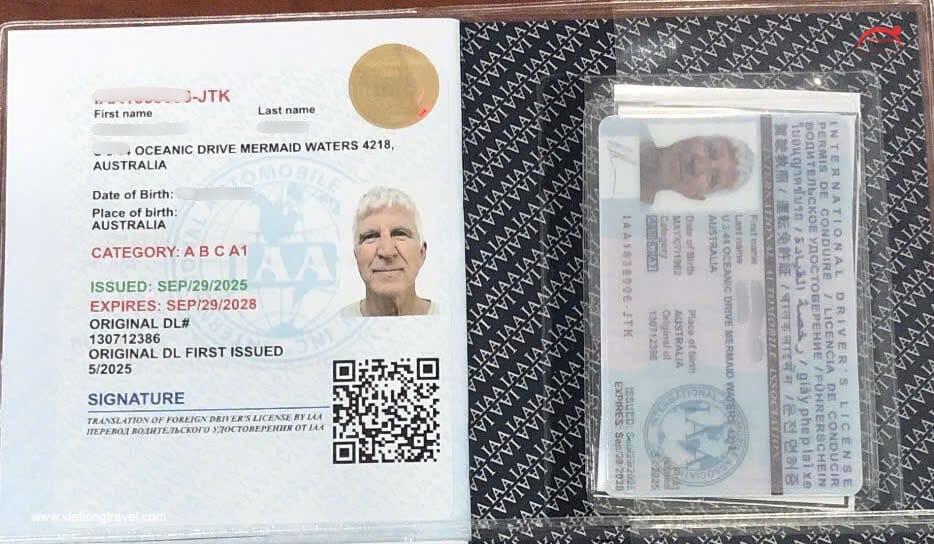
The International Automobile Association offers valid IDPs recognized in Vietnam and over 190 countries. Processing is done online.
What You Need:
-
Passport copy
-
Front and back of local license
-
A selfie
-
Signature on plain paper
Delivery in 7–10 working days. Pickup available in Hanoi or Ho Chi Minh City.
Prices:
-
3-year IDP — $145
-
5-year IDP — $155
-
10-year IDP — $170
-
20-year IDP — $190
Riding Culture & Real-World Tips for Vietnam
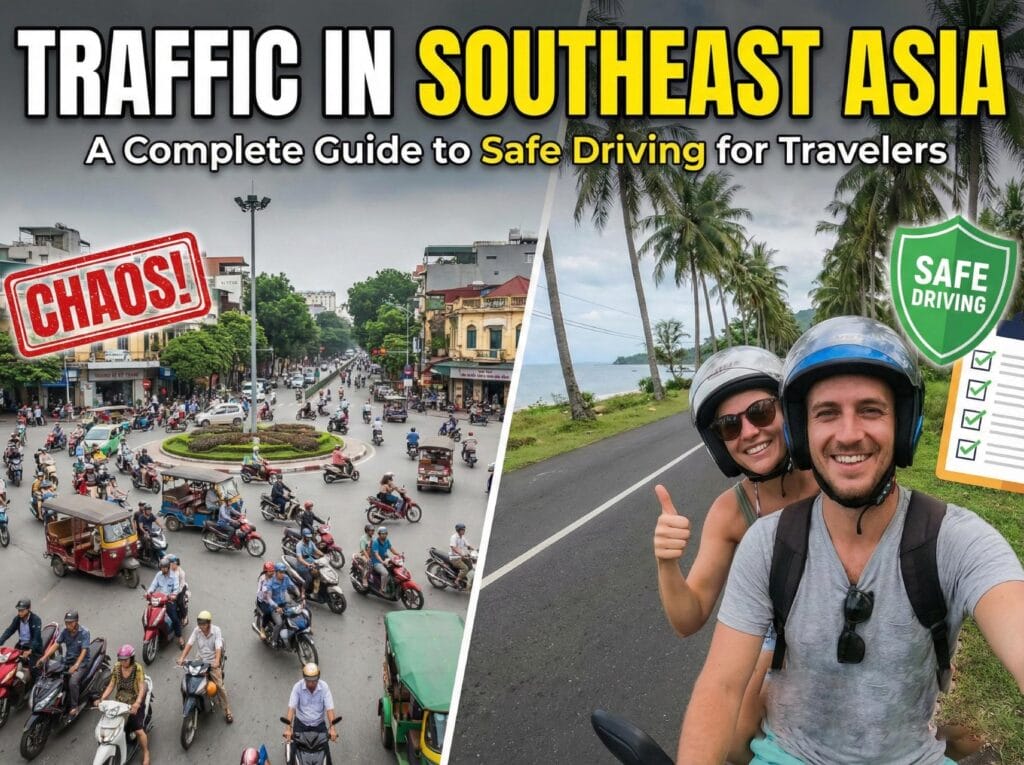
Motorbiking in Vietnam is more than just legal documents — it’s a sensory experience.
Ride Like the Locals
Vietnamese traffic works on instinct:
-
Move steadily
-
Avoid sudden stops
-
Use your horn as a signal, not aggression
-
Follow the flow, not strict rules
City vs. Mountain Roads
Cities sharpen your focus. Mountains test your skill. But both reward you:
-
City: Learn patience
-
Mountains: Embrace the unexpected — weather, terrain, and views
Why Guided Motorbike Tours Are a Great Option
A reputable tour provides:
-
Legal, well-maintained bikes
-
Safety-tested routes
-
Accommodation planning
-
Road captains and mechanical support
-
Help with licensing & insurance
Perfect for new riders or those unfamiliar with Vietnam.
Vietnam remains one of the world’s most exhilarating places to ride. The views, the culture, the people — all unforgettable. But the key to unlocking the best version of this adventure?
Ride legally.
With the right license — whether via IDP, conversion, or guided support — you gain peace of mind, full insurance, and total freedom.
So when the road opens up, and the horizon calls — you’ll answer not with worry, but with a smile.
Ride responsibly. Ride smart. Ride Vietnam — the way it’s meant to be experienced.
Tags:
legal motorbike Vietnam,motorbike rental Vietnam,ride motorbike Vietnam foreigners,Southeast Asia travel,vietnam adventure travel,Vietnam motorbike license,Vietnam road trip,Vietnam scooter travel,Vietnam travel,vietnam travel tips










hi, wenn ich ein bike mit bluecard in vietnam kaufe, darf ich damit in andere länder fahren?
erkennen die alles an?