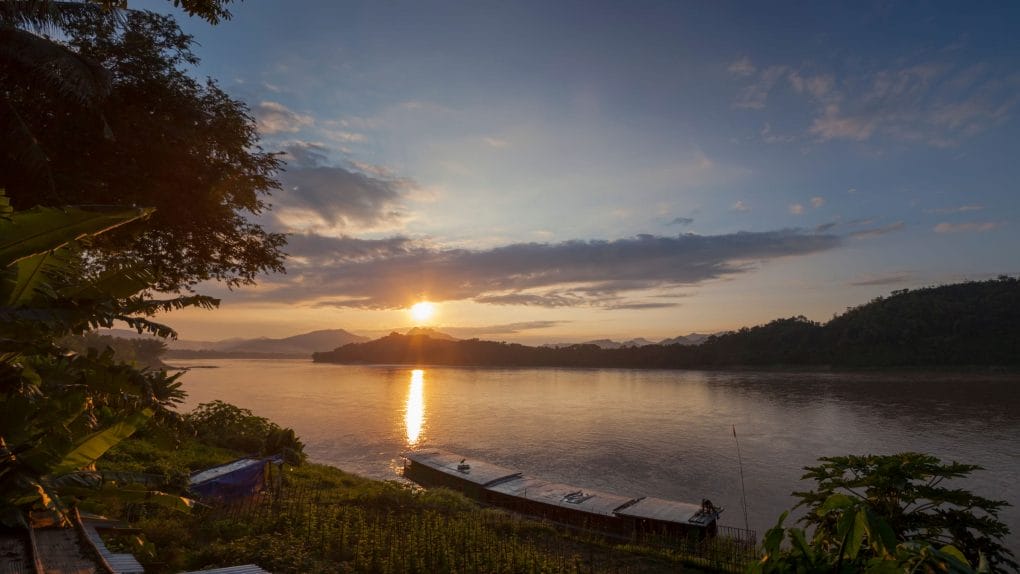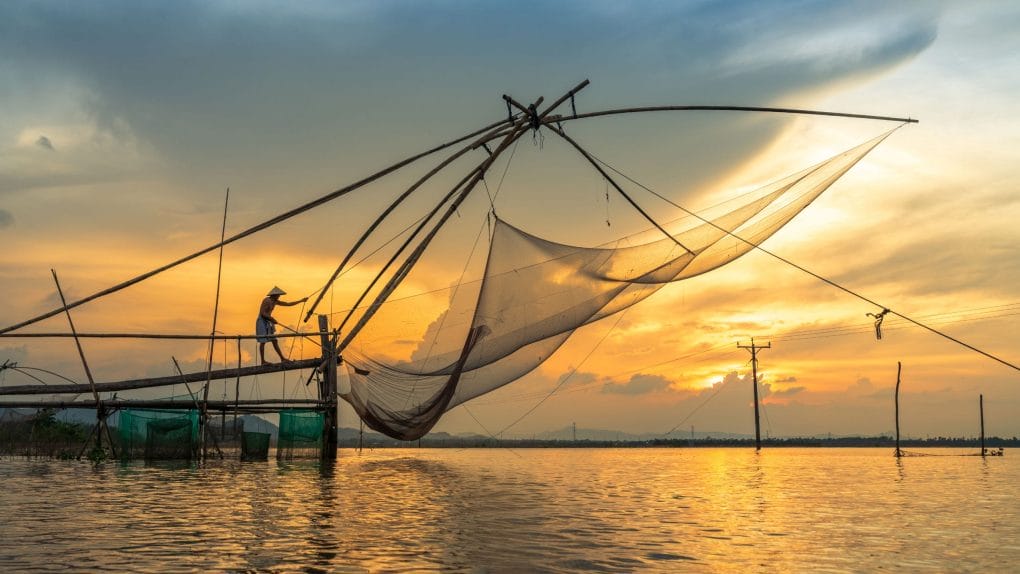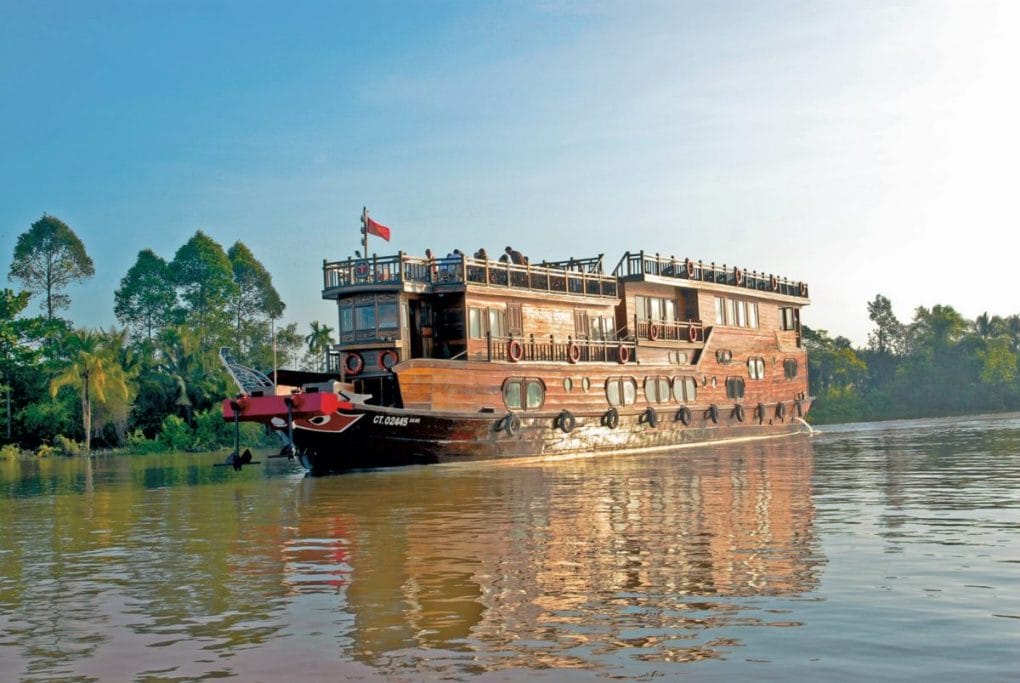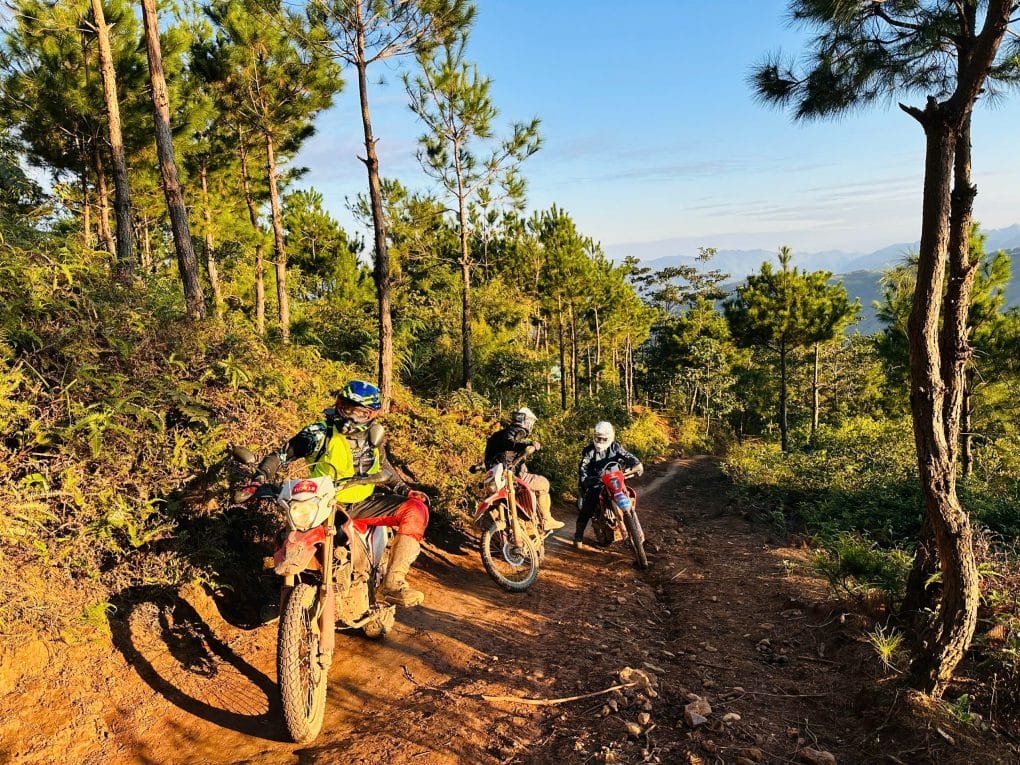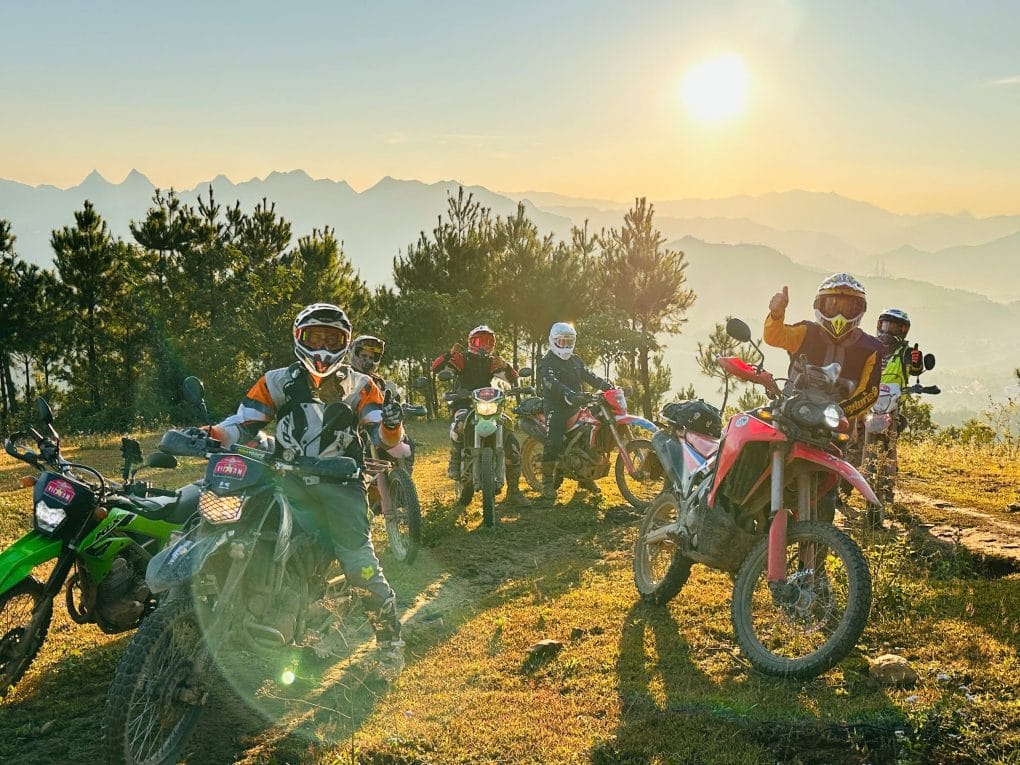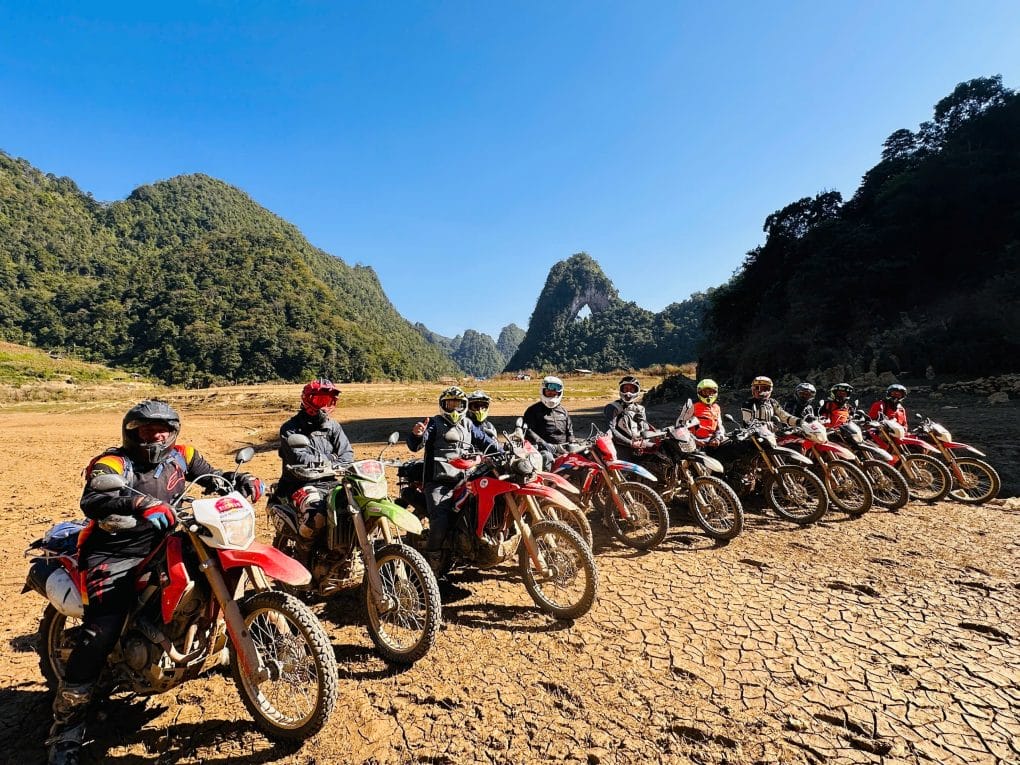

Traveling through Vietnam is like reading a novel where every chapter unfolds in a new climate, a different rhythm, and a fresh palette of landscapes. If you’ve dreamed of an epic Vietnam road trip — from the rice terraces of the North to the lantern-lit streets of Central Vietnam and the cobalt waters of the South — being weather‑savvy is essential. This isn’t just about checking forecasts. It’s about understanding how seasons shape not only the climate but the vibe, the experience, and sometimes the very nature of travel in this rich, diverse land.
In this travel blog style guide, I’ll walk you through how to adapt your Vietnam travel plans across regions, balancing ambition with flexibility. Whether you’re planning a long Vietnam tour, a leisurely Vietnam backpacking journey, or a thrilling Vietnam motorbike travel adventure — you’ll find practical advice, personal insights, and smart seasonal strategies to help you make the most of your journey.
Why Weather Matters So Much in Vietnam
Vietnam stretches over 1,650 kilometers from north to south. That means the climate in the far north — misty mountains, chilly winters, lush springs — can be completely different from the tropical beaches of the south or the Mediterranean-like skies of Central Vietnam. Because of this, planning a pan‑Vietnam itinerary without considering seasonal variation can lead to disappointment: monsoon‑soaked roads, canceled boat rides, unbearably humid days, or missing the best time for certain destinations.
An itinerary that works wonderfully in May for the South might be problematic in October for the North. Even within regions, there are micro‑weather patterns — mountainous highlands, coastal breezes, inland humidity — so “one size fits all” doesn’t apply. That’s why a well-crafted Vietnam travel guide must be adaptable.
Understanding Vietnam’s Seasonal Patterns: North, Central, South
The North (Hanoi, Sapa, Ha Giang, Northwest)
-
Winter (Nov – Feb): Cold, misty and sometimes soggy. Northern highlands can be freezing; lowland Hanoi is cool but damp.
-
Spring (Mar – Apr): Mist clears, blossoms appear, nature revives. Rice terraces begin lush green growth.
-
Summer (May – Aug): Warm to hot with occasional heavy rains and humidity — though rainstorms are often brief.
-
Autumn (Sep – Oct): Many agree this is the most beautiful time — crisp air, golden rice fields, dry weather.
Central Vietnam (Hue, Da Nang, Hoi An, coastal belt)
-
Dry Season (Feb – Aug): Warm sunshine, perfect for beaches, heritage towns, coastal drives.
-
Rainy Season (Sep – Jan): Increased rainfall, risk of typhoons (especially Oct–Dec), rough seas, occasional flooding.
The South (Ho Chi Minh City, Mekong Delta, Phu Quoc, Delta wetlands)
-
Dry Season (Nov – Apr): Hot and sunny — ideal for river cruises, beach time, delta exploration.
-
Wet Season (May – Oct): Frequent afternoon downpours, high humidity. Rain often doesn’t last long but can shape daily plans.
When you are traveling across regions, you may begin your trip in dry, cool northern weather only to arrive in humid southern heat a week later. Being prepared — with flexible plans — can make all the difference.
How to Plan a Flexible Multi-Region Vietnam Road Trip
Embrace the concept of “region-first” planning
Rather than building a fixed linear route across the country, it helps to design your itinerary in “chunks”: northern route, central route, southern route — then assign timing based on seasonal best windows.
For instance: plan North Vietnam in autumn, Central Vietnam in spring or early summer, and reserve South Vietnam for the dry season.
This approach makes your plan fluid. If severe weather hits, you can shift regions rather than cancel whole legs.
Use buffer days and optional detours
Vietnam’s weather can be unpredictable. If you aim to motorbike the coastal roads of Central Vietnam but the forecast threatens storms, have an alternative — maybe explore inland highlands, cultural towns, or forested areas instead. Incorporate at least 1–2 buffer days per destination.
Monitor weather trends but travel for experience
Weather shouldn’t dictate your entire trip; your desire to immerse in local culture, landscapes, food, local life — these matter. For example: riding a motorbike through misty hills, visiting remote highland villages, enjoying off‑season calm in a beach town — these all have their own charm. In fact, some of the richest experiences come precisely because you travel during “shoulder season.”
Region-by-Region Travel Strategies
Northern Vietnam: What to do in winter, spring, summer, autumn
During winter, Hanoi may offer cool city walks but for highlands like Sapa or Ha Giang, the cold might be biting. Instead, this may be a time to focus on cultural immersion — cozy home‑stay experiences, sampling local cuisine, exploring ancient towns, or delving into ethnic‑minority villages.
In spring, the landscapes bloom — lush rice terraces, blossoming flowers, clear mountain air. Perfect for a scenic Vietnam road trip, motorbike ride, or an easy trekking adventure.
Summer brings warm weather but occasional rain. If you’re up for a Vietnam backpacking route, combining lowland cities with short trips to waterfalls, forested areas, or refreshing highland air can be rewarding.
Autumn is golden. Rice fields shimmer, skies clear. For photographers, adventurers, or simply wanderers wanting beauty — this is heaven.
Pro tip: Dress in layers for the highlands. Pack waterproof jackets if traveling during transitional months (spring/autumn).
Central Vietnam: Navigating beach sunshine and typhoon seasons
If you reach Central Vietnam between February and August, you’ll likely enjoy sunny beaches, calm seas, and good conditions for driving along the coast — perfect for a seaside Vietnam coastal road trip or exploring heritage towns like Hoi An and Hue in comfort.
If your trip falls in September to January, you may face rain, storms, or even typhoon risk. But even then, you can pivot — enjoy cultural, gastronomic, and historical explorations: ancient temples, lantern-lit towns, countryside rice‑paddies, and cooler air inland. Water‑based activities (like boating or diving) might be off-limits — but local experiences, cultural tours, food tours shine.
Southern Vietnam & Mekong Delta: Timing your river cruise & beach stay
The dry season (Nov–Apr) invites you to take full advantage: boat cruises on the Mekong Delta, floating‑market visits, island escapes (e.g. Phu Quoc), or urban exploring in Ho Chi Minh City under blue skies.
Once the wet season sets in (May–Oct), rainfall often doesn’t last the entire day — meaning you can still enjoy morning excursions, river rides, or countryside drives, then rest or enjoy indoor cultural experiences during rain. It’s higher humidity, but also fewer crowds and lower prices — ideal for budget travel Vietnam seekers.
Travel Tips: What to Pack, What to Expect, and How to Stay Flexible
Essentials for multi‑region travel
-
Layered clothing: especially if starting in the north and ending in the south (or vice versa).
-
Waterproof gear: rain jacket, waterproof backpack cover — for sudden rain in Central or Southern Vietnam.
-
Mosquito repellent & sun protection: especially for beaches, forests, and delta areas.
-
A flexible mindset: don’t fixate on a rigid schedule — often the best memories come from unexpected detours, slow afternoons, local festivals.
Health, safety & practical prep
Travel across climates means varied health environments. In humid, southern regions or delta areas, mosquitoes thrive — so pack repellent and consider prophylactic measures. In highlands — wrap up warm. Carry basic first aid, and check for weather warnings especially if you plan to ride motorbikes or travel by boat.
Also, allow extra travel time between destinations during rainy seasons — roads may be slippery; flights or buses may be delayed.
Transportation: Choosing what suits the season
If rain or storms are predicted, bus or train travel often offers more reliability than motorbike rides. Inland roads may be less affected than coastal ones during storms. On the flip side, sunny periods are perfect for scenic motorbike travel — letting you soak in landscapes, stop at villages, taste roadside foods, and feel the wind on your face.
Seasonal Itinerary Ideas for Smart Travelers
Here are a few sample itineraries — mixing region, season, and activity type — to help you plan a smart Vietnam tour that respects weather and maximizes enjoyment.
Autumn (Sep–Oct): Northern & Central Highlights — Rice Fields, Mountains, Heritage Towns
Start in Hanoi → travel to Sapa or Ha Giang to admire golden rice terraces and crisp autumn air → descend to Hue → Hoi An coastal drive and heritage‑town strolls in pleasant weather.
Late Winter / Early Spring (Feb–Mar): Central & South — Beaches, Culture, River Life
Begin in Da Nang → Hoi An → coastal drives → ferry to Phu Quoc / Mekong Delta → enjoy floating markets → finish in Ho Chi Minh City.
Summer Backpacking (May–Aug): Highlands, Forests, Waterfalls — Avoiding Crowds
North: misty highlands, trekking, local villages → Central Highlands or Central coast (if weather permits) → Southern highlands / Mekong Delta for jungle, nature tours, delta boat rides.
Dry Season Leisure Trip (Nov–Apr): Southern Vietnam & Mekong Delta Exploration
Hop between Ho Chi Minh City → Mekong Delta → Can Tho → floating markets → beach escapes on Phu Quoc or coastal towns → wrap up in coastal Central Vietnam or head north if time permits.
My Personal Take: Why Flexibility Adds Magic
On one of my trips through Central Vietnam during early October, I had planned to ride the coast from Da Nang to Hoi An, then head inland. But a sudden tropical downpour forced me to change plans at the last moment. Instead of feeling frustrated, I took shelter in a small village, shared soups with locals, listened to stories, and discovered a traditional weaving workshop no guidebook ever mentioned. That unexpected shift — forced by weather — turned into one of the most memorable days of the whole journey.
If I had stuck to a rigid schedule, I would have missed that slice of authentic Vietnam.
That’s the beauty of traveling with the seasons: sometimes detours, delays, and surprise rainstorms are exactly what deepen your connection — with the land, the culture, and the people.
Frequently Asked Questions (FAQ)
What’s the best time to visit Vietnam for a full north-to-south trip?
If you aim to cover North, Central, and South — the most balanced window is late February to early April. During this period, the North is warming up from winter fogs, Central Vietnam has entered its dry season with pleasant sunshine, and the South enjoys mild, dry weather — ideal for beaches, river cruises, and delta tours.
Is it safe to ride a motorbike in Vietnam during rainy seasons?
Yes — but with caution. In rainy or storm-prone months (Central region between September and January; South during wet season), roads can be slippery, visibility reduced, and coastal routes risky. Opt for inland or major roads, avoid nighttime riding, and always check weather updates before departure.
Can I still enjoy beach time in the wet season in Southern Vietnam?
Absolutely. Rain showers are often short and localized. Mornings or early afternoons tend to be good for beach visits or river cruises. Plus, fewer tourists and lower prices make it an attractive time for budget travel Vietnam.
How should I pack if visiting multiple regions with different climates?
Layered clothing is key: a light jacket or fleece for northern highlands, breathable clothes for the South, a waterproof raincoat, mosquito repellent, and sun protection. Packing versatile footwear helps too — something comfortable for motorbike rides, trekking, or walking in wet streets.
Are travel bookings (flights, tours) affected by seasonal weather in Vietnam?
Yes. During peak rainy or typhoon seasons, flights or boat rides (especially in coastal areas) may get delayed or canceled. Having flexible plans, buffer days, and alternative transport (train or bus) can save the day.
If you’re ready to discover Vietnam with an open heart and a flexible spirit, why wait? Contact us today to begin planning your ideal Vietnam road‑trip — crafted for seasons, comfort, and unforgettable memories across North, Central, and South.
Call us to book your dream Vietnam Motorcycle Tour and start your adventure!
WhatsApp: +84.904.124.997