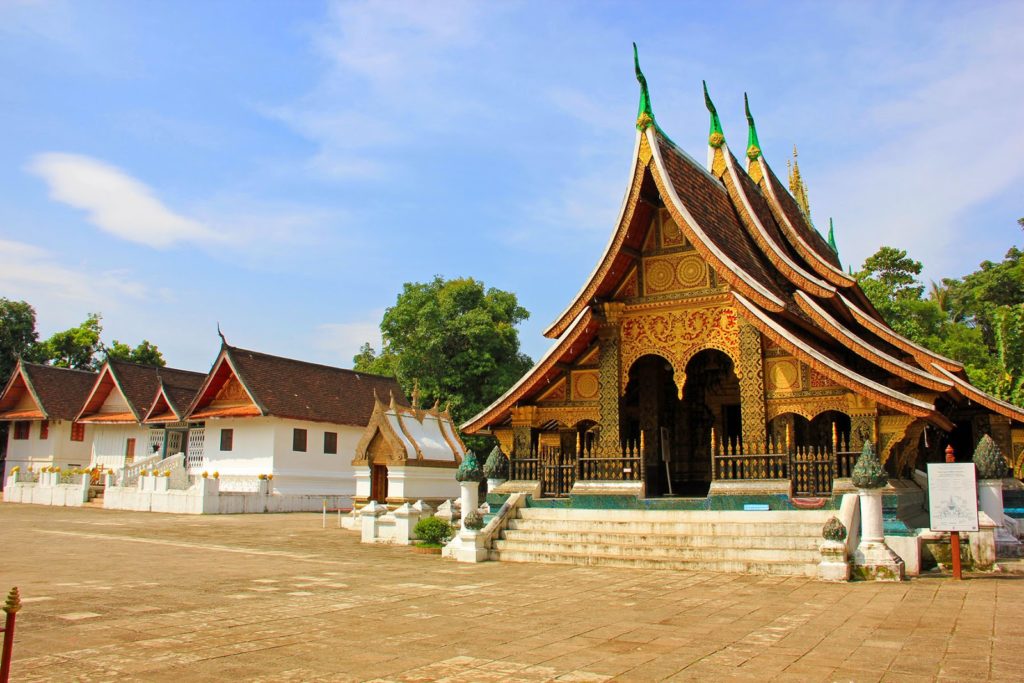

Phu Quoc Island, nestled like a jewel in the Gulf of Thailand, beckons adventurers and leisure seekers with its pristine beaches, lush jungles, and rich cultural tapestry. One of the most frequently asked questions by international travelers, “when is best season to visit Phu Quoc Island?”, speaks to its dynamic weather patterns and ecological diversity. In this deep-dive guide, we explore the phu quoc best season, unraveling weather statistics, tourist crowds, and seasonal highlights to help you plan the perfect trip—whether you’re drawn to sun-soaked beaches or thrilling island hopping.

1. Understanding Phu Quoc’s Seasonal Breakdown
Phu Quoc experiences two primary seasons: the dry season and the rainy season, but within those lie more nuances that shape your island experience.
1.1 The Dry Season (November to April)
This is widely considered the best time to visit Phu Quoc. Skies remain blue, petals of sunlight dance across turquoise waters, and humidity is tolerable. Days are warm (25–30 °C) with mild nights (21–24 °C), creating ideal conditions for sunbathing, snorkeling, and exploring the island’s vibrant landscapes.
-
High Season (December–February): Expect near-perfect weather—ideal for family vacations, honeymooners, and outdoor explorations. Beach resorts buzz with activity, and boat cruises visit peacock-shaped coral reefs with ease.
-
Shoulder Periods (April & November): A golden time when the island feels peaceful, prices dip, yet the weather remains balmy with occasional showers. Great for travelers who want sun and solitude.
1.2 The Rainy Season (May to October)
Not all days during the rainy season are wet—many deliver fleeting showers followed by sunshine.
-
May to June: Predictable thunderstorms followed by sunny gaps. Great underwater visibility continues, a treat for seasoned divers.
-
July to September: More frequent rain and rougher seas. Ferries can be delayed. Some coastal activities and remote island tours may be affected.
-
October: Sudden transformation begins; rainfall lessens and skies clear slowly. The island shows hints of revival, whispering the arrival of the dry season.
2. Seasonal Features—Beyond Just Weather
Let’s explore what each season offers—from cultural festivals to marine wonders and local life.
2.1 Dry Season Delights
-
Peak Sunshine & Beach Bliss
Beaches like Sao and Khem glisten under the sun. Water activities such as snorkeling at An Thoi archipelago and paddleboarding along white sands thrive in calm seas. -
Festivals and Cultural Events
-
Tet Nguyen Dan (Vietnamese New Year): Mid-to-late January or early February. Locals offer warm hospitality, floral displays, and special rituals.
-
Sea Festival (Bien Dong Days): Held variably between November and April, this festival features boat races, seafood fairs, and local music.
-
-
Island Adventures with Reliability
Stable weather means smooth sailing to Fingernail Island and May Rut Lagoon. Kayaking through mangrove forests becomes a serene delight.
2.2 Rainy Season Rewards
-
Fewer Tourists, Lower Costs
Budget-conscious travelers can take advantage of reduced rates on accommodation and boat tours—without sacrificing scenery. -
Dramatic Scenery & Lush Green
The island transforms into a vivid emerald spectacle, with cascading waterfalls like Suoi Tranh roaring to life. -
Fishing & Underwater Marvels
Calm mornings between storms offer excellent visibility—ideal for scuba diving, especially around Turtle Island and the reefs near Hòn Thơm. -
Dash of Adventure
The light rains accentuate the jungle’s aroma. Hikes in Phu Quoc National Park during intermittent sunlight are magical.
3. What Is the Best Season to Visit Phu Quoc Island?
Statistically, November through April offers the most reliable sunshine, calm seas, and minimal rain—making it the best season to visit phu quoc island. However, travelers with a spirit of adventure can thrive from May to October, enjoying unique experiences if they remain flexible.
4. When to Visit for Different Traveler Goals
| Traveler Type | Ideal Season | Advantages |
|---|---|---|
| Beach Lovers | Nov–Apr | Sun, calm seas, excellent swimming and snorkeling |
| Budget Travelers | May–Oct | Lower prices, fewer crowds, lush scenery |
| Cultural Explorers | Jan–Feb | Tet celebrations and Sea Festival events |
| Snorkeling & Diving Fans | Apr–Jun | Clear waters and underwater visibility |
| Nature & Hiking Enthusiasts | May–Oct | Vibrant jungle trails and waterfalls |
5. Travel Tips for Each Season
-
Dry Season Tips:
Secure your stay early, especially December–February. Use reef-safe sunscreen and follow marine protection rules while island hopping. -
Rainy Season Tips:
Plan flexible itineraries. Seek guided treks in Phu Quoc National Park and pack lightweight rain gear. -
Boat Tours:
Dry season ensures smooth ocean passages. In rainy months, check the weather daily and prioritize speedboat options over large ferries. -
Season-Specific Packing:
-
Dry Season: lightweight beachwear, sunhat, sandals, sunscreen
-
Rainy Season: waterproof jacket, quick-dry clothing, waterproof shoe covers
-
6. What to Do in Each Season
In Dry Months (Nov–Apr):
-
Visit Long Beach at sunset
-
Snorkel at An Thoi archipelago
-
Enjoy a fishing-boat dinner
-
Join local festivals and seafood tastings
During Rainy Season (May–Oct):
-
Kayak through Khu Tuong mangroves
-
Trek to Suoi Tranh Waterfall
-
Explore Phu Quoc National Park on drizzly morning trails
-
Enjoy fresh seafood in quiet, beachside eateries
7. FAQ: What Travelers Are Asking About the Best Time to Visit Phu Quoc
Q1: When is the best season to visit Phu Quoc Island for beaches?
A1: The ideal time is from November to April, when the weather is dry, sea conditions are calm, and beach days are sunny.
Q2: Is it worth visiting Phu Quoc during the rainy season?
A2: Yes—May to October may bring showers, but also fewer crowds, lush jungles, budget savings, and beautiful waterfall treks.
Q3: What month has the clearest sea for diving?
A3: April to June offers optimal visibility with calm, warm waters—prime for snorkeling and diving enthusiasts.
Q4: Should I avoid visiting Phu Quoc during monsoon rains?
A4: No need to avoid it completely. Monsoon rains (July–September) can be sporadic. With flexible plans, travelers can still enjoy island life in cozy beachside cafés and lush walks.
Q5: When is Phu Quoc National Park most vibrant?
A5: During the rainy season, especially between May–October, the jungle is alive with lush greenery and water features at full throttle.
Q6: Can I enjoy island hopping in the wet season?
A6: Yes—with precautions. Early rainy season (May–June) still offers calm windows for boat tours to Fingernail Island and surrounding islets.
Phu Quoc presents two sides to its beauty: the sun-drenched calm of November–April, and the emerald wilderness of May–October. Your ideal season to visit Phu Quoc depends on your pace, budget, and sense of adventure. Whether you’re chasing sunny beaches or lush forest trails, Phu Quoc welcomes every traveler’s dreams.
Embark on your Phu Quoc adventure today—book our expertly curated Saigon to Phu Quoc tour for exclusive access to island highlights, cultural experiences, and tropical charm all year round!
Tags:
best season to visit phu quoc island,phu quoc dry season,phu quoc island hopping,Phu Quoc National Park,phu quoc rainy season,Phu Quoc snorkeling,Phu Quoc travel season,phu quoc travel tips,phu quoc weather guide,when to visit phu quoc