✈️ Discovering the Soul of Southeast Asia
Laos is not a country that screams for your attention—it whispers. Nestled quietly between more popular neighbors like Thailand and Vietnam, this landlocked nation rewards those who choose to listen. For first-time visitors, Laos offers a journey that is both grounding and transcendent. There are no dizzying skylines or overcrowded mega-cities here. Instead, you’ll find spiritual cities like Luang Prabang, a timeless Mekong River that shapes both culture and rhythm, and a landscape that unfolds slowly—from forested mountains to fertile plains dotted with rice paddies and golden stupas.
In this travel blog, we’ll guide you through the essential experiences that will make your Laos travel unforgettable. Whether you’re dreaming of a serene Laos holiday, planning your first Laos tour, or wondering how to make your Laos vacation both enriching and hassle-free, this guide brings you deep insight and heartfelt storytelling to spark your journey.

🛕 Why Laos Should Be on Your Travel Radar
Laos doesn’t offer mass tourism—and that’s exactly why it should be on yours. While its neighbors have surged ahead with beach resorts and party towns, Laos has preserved its quiet, reflective charm. This is a country for slow travelers, culture seekers, and explorers who want something real, unfiltered, and deeply human.
From the moment you step into Vientiane, the sleepy capital, you’ll notice the absence of honking horns and rushing crowds. Life here moves to the rhythm of temple bells, morning alms, and the rustle of bamboo in the wind. For many first-time visitors, a Laos vacation is more than a trip—it’s a reset.
Here are a few reasons travelers fall in love with Laos:
-
The spiritual energy of Luang Prabang, a UNESCO heritage town that feels like a living museum
-
The peaceful majesty of the Mekong River, which ties together Laos’ past, present, and future
-
The wild adventures of Vang Vieng, where limestone karsts meet jungle hikes and blue lagoons
-
The authentic hospitality of the Lao people, who make you feel like a guest, not a customer
This is not the place for ticking boxes; it’s for feeling the places you go.
🏯 Luang Prabang – Laos’ Cultural and Spiritual Heart
There’s a quiet magic in Luang Prabang that creeps into your bones. Maybe it’s the monks in saffron robes collecting alms at dawn, the glow of lanterns along the Mekong at dusk, or the sound of silence echoing inside Wat Xieng Thong’s golden halls.
Luang Prabang is where your Laos tour should begin. It’s a city that blends French colonial elegance with Theravada Buddhist grace. Ride a bicycle down tree-lined streets, sip strong Lao coffee in restored villas, and let time stretch endlessly.
What Makes Luang Prabang Special?
-
Morning Almsgiving Ceremony: At sunrise, witness hundreds of monks walking in silence as locals kneel with sticky rice offerings. This is not a photo op—it’s a moment to reflect.
-
Kuang Si Waterfalls: About 30 km away, these turquoise cascades and forest pools are perfect for swimming and hiking. It’s where the jungle breathes and travelers exhale.
-
Night Market: Come evening, Sisavangvong Road transforms into a kaleidoscope of colors and crafts. Handmade textiles, silver jewelry, and Lao snacks create a sensory feast.
-
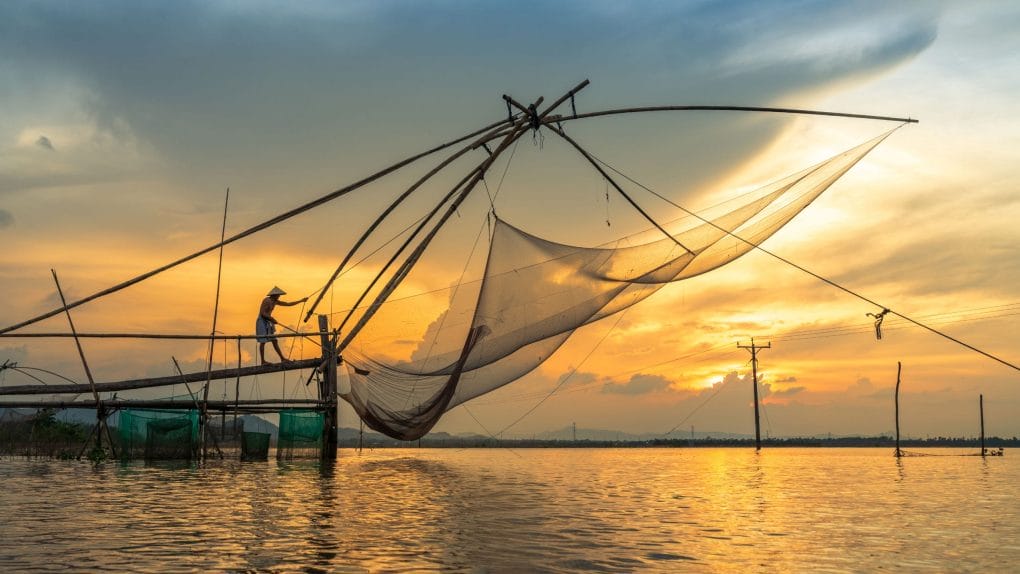
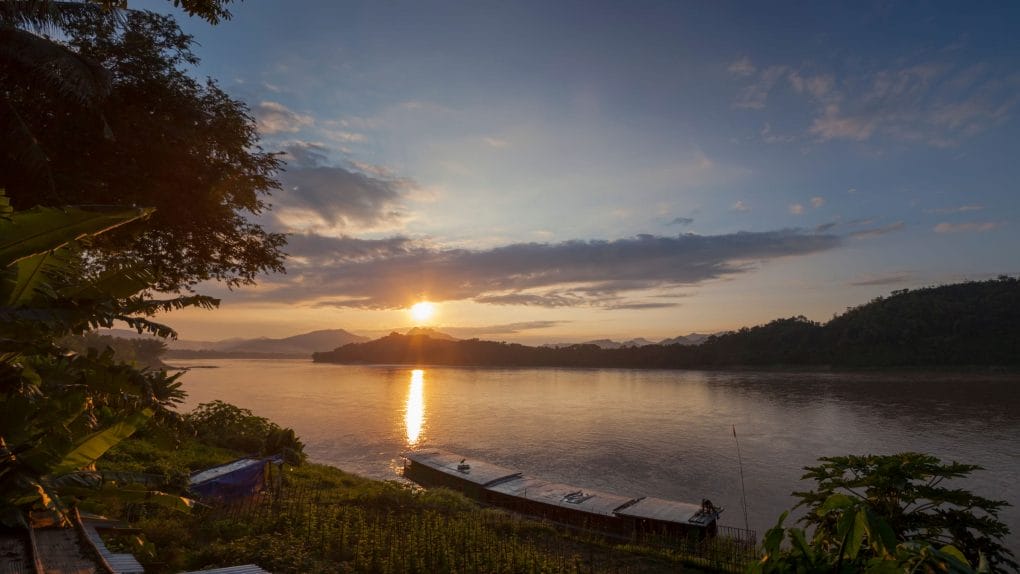
Mekong Sunset Cruises: A slow boat ride at sunset reveals a riverside life that hasn’t changed in decades. Watch children play, fishermen cast nets, and golden stupas glint in the fading light.
If you only visit one place on your Laos holiday, let it be Luang Prabang. It’s where Laos whispers its story best.

🕌 Vientiane – The Capital of Laid-Back Charm
Vientiane is the only capital city in Southeast Asia where rush hour feels more like a coffee break. The Mekong here flows slow, and so does everything else. For first-time travelers expecting the chaos of Bangkok or Hanoi, Vientiane offers a refreshing surprise: calm streets, leafy boulevards, and a surprising depth of culture.
What to Experience in Vientiane?
-
Pha That Luang: This golden stupa is not just a national symbol, but a spiritual compass for Lao people. Covered in real gold, it stands as a quiet reminder of Buddhism’s central role in Lao life.
-
COPE Visitor Centre: A deeply moving experience, this museum highlights the legacy of the Secret War and the resilience of Lao people living with UXO (unexploded ordnance). It’s essential for understanding Laos beyond the postcard.
-
Riverside Life: Locals gather along the Mekong Promenade to do tai chi, eat grilled river fish, and enjoy cold Beerlao as the sun sets over Thailand on the opposite bank.
- Patuxai – The Arc de Triomphe of Laos
Built to honor Lao soldiers who fought for independence from France, this concrete monument mimics Paris’s Arc de Triomphe but with distinctly Lao motifs. Climb to the top for a panoramic view of Vientiane’s evolving skyline—where stupas, pagodas, and modern offices meet.
- 🧘♂️ Buddha Park (Xieng Khuan) – Where Faith Meets Fantasy
About 25 km southeast of the city, this surreal sculpture park is like stepping into a dream. Concrete deities—some serene, some eerie—pose in impossible positions. Created by a priest-shaman in 1958, it’s not officially Buddhist or Hindu, but something entirely its own. The 200+ statues, including a 40-meter reclining Buddha, create a sense of awe and otherworldliness.
- 🛐 Wat Sisaket – Vientiane’s Spiritual Time Capsule
This 19th-century monastery survived the Siamese invasions and now holds over 6,000 miniature Buddha images tucked into every alcove and corner. The faded murals and ancient serenity offer a sense of how Laos once was—and still is, beneath the surface.
Vientiane may not be loud, but it leaves a lasting echo in your memory.

Vang Vieng – From Party Hub to Nature’s Playground
Once notorious for its raucous backpacker scene, Vang Vieng has undergone a transformation. These days, it attracts adventurers, wellness seekers, and nature lovers drawn by its karst limestone peaks, deep caves, and serene river life. This is where your Laos travel becomes visceral: you don’t just see the scenery—you climb, kayak, and zipline through it.
Why Vang Vieng Is Unmissable
-
Nam Song River: Whether you choose a gentle kayak, a long-tail boat, or a serene float on a tube, the river provides breathtaking views of cliffs, jungle, and rustic riverside villages.
-
Blue Lagoons & Caves: Lagoon No. 1 is the most famous for its vivid turquoise water and jungle swings. Tham Phu Kham Cave nearby holds a hidden reclining Buddha inside a cathedral-like cavern.
-
Hot Air Balloon Ride: Few places in Southeast Asia offer the chance to drift over limestone peaks at sunrise. It’s a surreal, unforgettable experience.
-
Countryside by Bike or Buggy: Explore off-road trails to discover ethnic villages, organic farms, and hidden waterfalls.
Vang Vieng invites you to play—to rediscover a childlike awe in nature.
⛰️ The Plain of Jars – Mystery on the Highlands
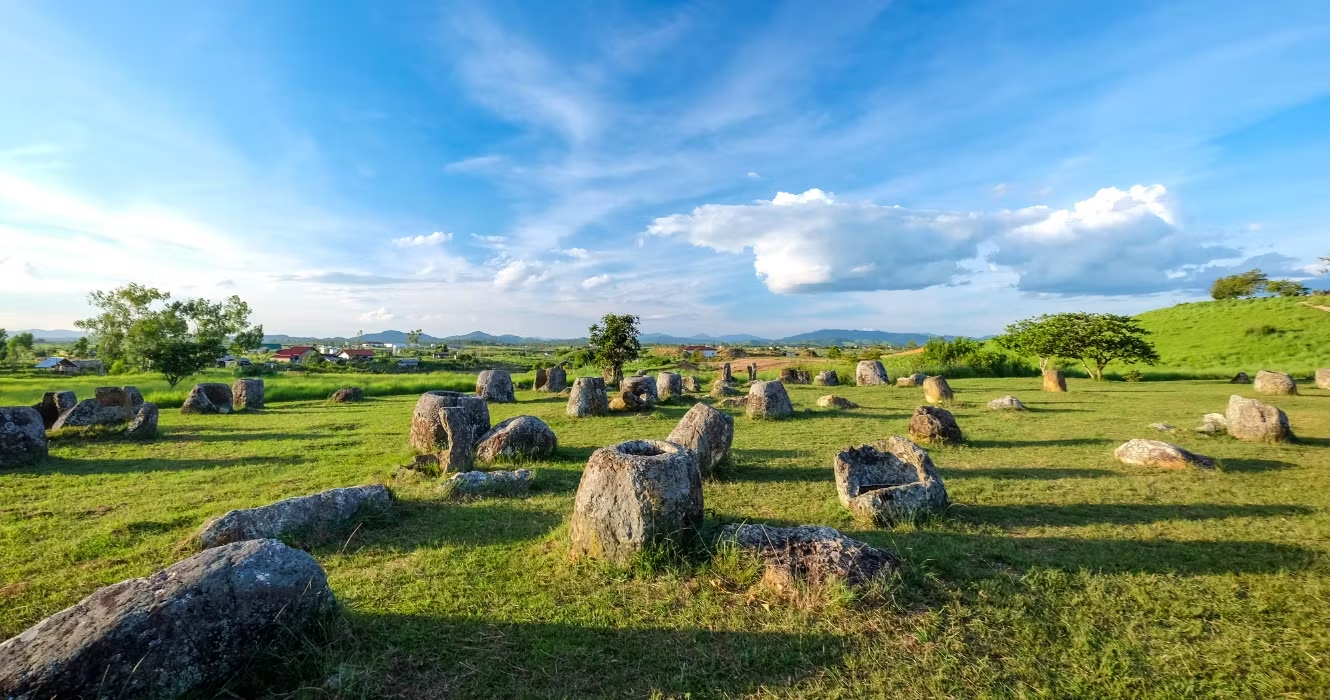
Far from the tourist trail, Xieng Khouang province reveals one of Laos’ most haunting and mysterious sites: the Plain of Jars. Scattered across hills and valleys are thousands of massive stone jars, some weighing several tons. Who carved them, and why? No one knows for sure. Perhaps ancient burial urns or rice wine vats for giants?
This UNESCO World Heritage site is about more than archaeology—it’s about memory and resilience.
What Awaits You in Xieng Khouang
-
Jar Sites 1, 2, and 3: Each location reveals a different atmosphere. Site 1 is the most accessible, with hundreds of jars. Site 2 and 3 offer more remote, eerie experiences.
-
Local Bomb Clearance Stories: The province was heavily bombed during the Vietnam War, and NGOs are still clearing UXOs. Visit the Mines Advisory Group (MAG) office for real stories of survival and hope.
-
Muang Khoun Town: Once the royal seat of the Phuan Kingdom, now home to ghostly ruins and weathered stupas.
A visit here adds depth to your Laos tour. It’s a confrontation with both wonder and wounds.
🌿 Southern Laos – Where Waterfalls Roar and Islands Drift
Southern Laos feels like a different world—lush, tropical, untamed. This region is where the Mekong sprawls into a web of river islands, ancient ruins lie hidden in forests, and waterfalls crash with untamed power.
Key Destinations in the South
🏞️ Pakse – Gateway to the South
This riverside town is your launch point into southern wonders. While it’s not a destination in itself, Pakse offers great coffee, charming French-era buildings, and the majestic Wat Phou just a short drive away.
🛕 Wat Phou – Laos’ Angkor
Older than Angkor Wat, this UNESCO temple complex near Champasak dates back to the 5th century. It’s perched on a mountainside, aligned with celestial events, and suffused with spiritual energy. Mist, moss, and sacred silence fill the air.
🌊 Bolaven Plateau – Land of Coffee & Waterfalls
This cool, elevated plateau is a paradise for waterfall chasers and coffee lovers.
-
Tad Fane Waterfall: Twin streams plunge over 100 meters into a jungle abyss.
-
Tad Lo & Tad Yuang: Peaceful, photogenic, and swimmable.
-
Coffee Plantations: Tour farms that grow Lao Arabica and Robusta. The rich volcanic soil makes it some of the best in Southeast Asia.
🏝️ Si Phan Don – The 4,000 Islands
As the Mekong slows into a delta-like expanse near the Cambodian border, islands emerge—some large, some just a sandbar. Life here is beautifully slow.
-
Don Det: Popular among backpackers for its chill vibe.
-
Don Khon: Known for its French railway relics and waterfalls.
-
Irrawaddy Dolphins: From nearby Khone Falls, take a boat in hopes of spotting these rare freshwater dolphins.
Southern Laos is where your Laos vacation turns meditative—sunsets, hammocks, and barefoot walks through time.

🚗 Travel Tips & Cultural Advice for First-Timers
Traveling in Laos is not about covering ground fast—it’s about going deep. That said, there are a few practical and cultural insights that will elevate your experience.
Travel Tips
-
Visas: Most nationalities can get a visa on arrival or e-visa for 30 days. Check official updates before travel.
-
Transport: Buses are slow and often delayed. Minivans and private drivers are better for long distances. Domestic flights (e.g., Luang Prabang–Pakse) save time.
-
Connectivity: Wi-Fi is widespread, but in rural areas, expect slow speeds. Buy a local SIM card for smoother access.
-
Currency: The Kip is rarely used outside Laos. Bring USD or Thai Baht and exchange locally. ATMs are common in cities.
Cultural Etiquette
-
Dress Modestly: Shoulders and knees covered when visiting temples.
-
Respect for Monks: Don’t touch monks, especially as a woman. Always greet with a bow (nop).
-
Don’t Point Feet: Especially toward sacred objects or people.
-
Be Patient: Things may not run on time. Embrace the Lao saying, “Bo pen nyang” (no worries).
Understanding the rhythm of Lao life is essential. It’s not about efficiency—it’s about presence.
🌏 Laos Will Change You
A journey through Laos is not just a holiday—it’s a homecoming to simplicity, authenticity, and wonder. From the sacred rhythms of Luang Prabang to the wild waters of Si Phan Don, from the mysteries of ancient jars to the living wisdom of village elders—Laos doesn’t just welcome you, it transforms you.
You won’t remember this country for how fast you moved or how many “sights” you saw. You’ll remember how it made you feel. Laos teaches travelers the art of presence—the kind of mindfulness no retreat can sell, and no Instagram post can replicate.
Your first Laos tour may just be the beginning. The magic lies not just in the places, but in the pace. In the smile of a monk, in the mist on the Mekong, in the scent of grilled lemongrass chicken at a night market.
And once you’ve felt it, you’ll carry Laos with you—quietly, profoundly—wherever you go.