
Embarking on a cultural journey through Southeast Asia during the New Year festival season is one of the most enriching travel experiences imaginable. Each country boasts its unique traditions, water fights, rituals, and joyous celebrations. From the world-famous Songkran Festival in Thailand to the vibrant Thingyan Festival in Myanmar, the spiritual Boun Pi Mai in Laos, and the deeply rooted Sankranta in Cambodia — these festivals offer a sensory overload of culture, spirituality, and excitement.
Whether you’re a first-time traveler or a seasoned explorer, this guide provides essential travel tips, cultural insights, and practical advice to help you make the most of your Southeast Asian festival adventure.
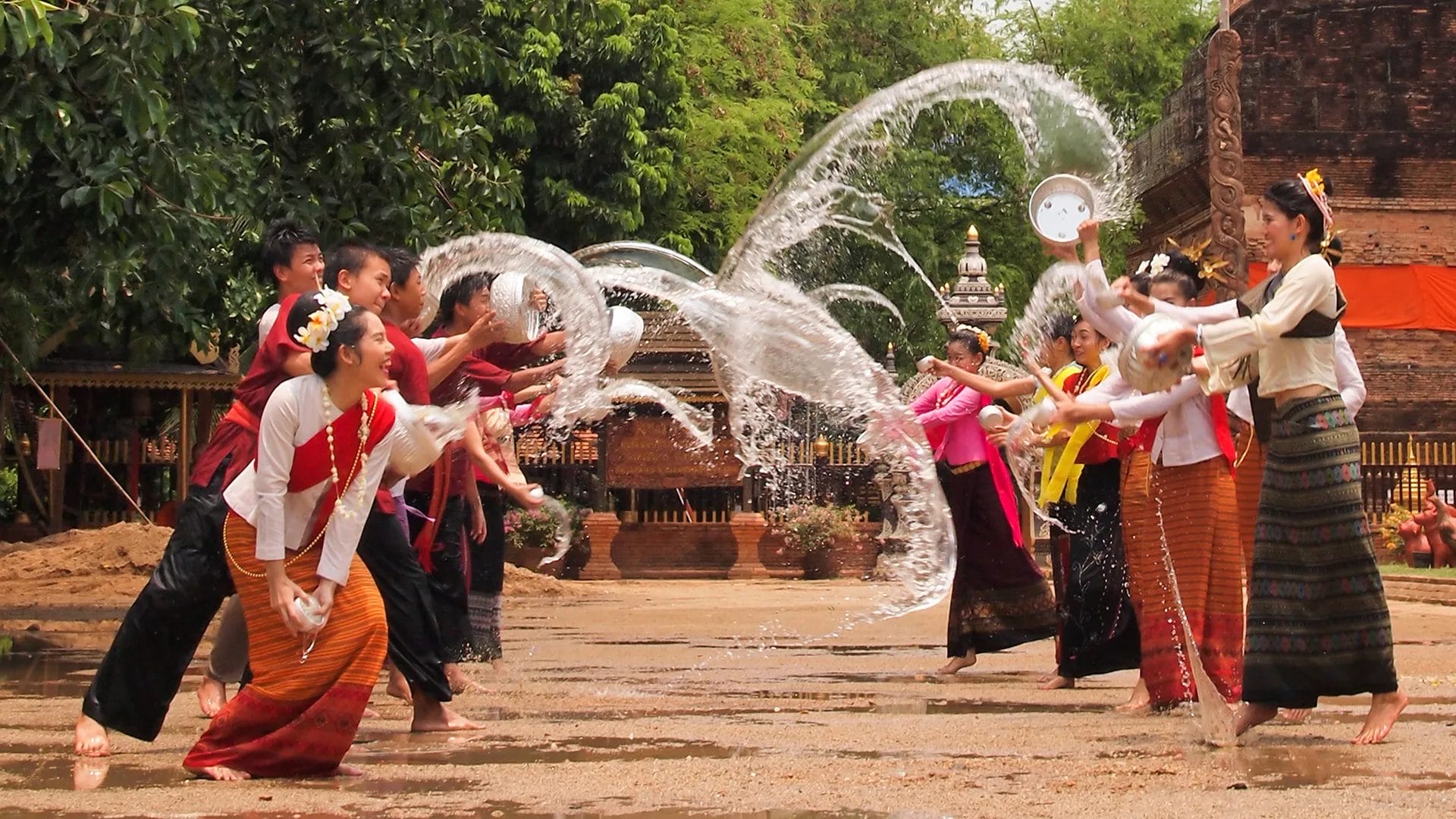
Understanding Southeast Asia’s Water Festivals
What Are the Southeast Asian New Year Festivals?
Southeast Asian New Year festivals are celebrated in mid-April and are tied to the traditional solar calendar. These celebrations mark the beginning of a new year, symbolizing renewal, purification, and community bonding.
-
Songkran Festival in Thailand: Famous for its nationwide water fights, merit-making rituals, and temple visits.
-
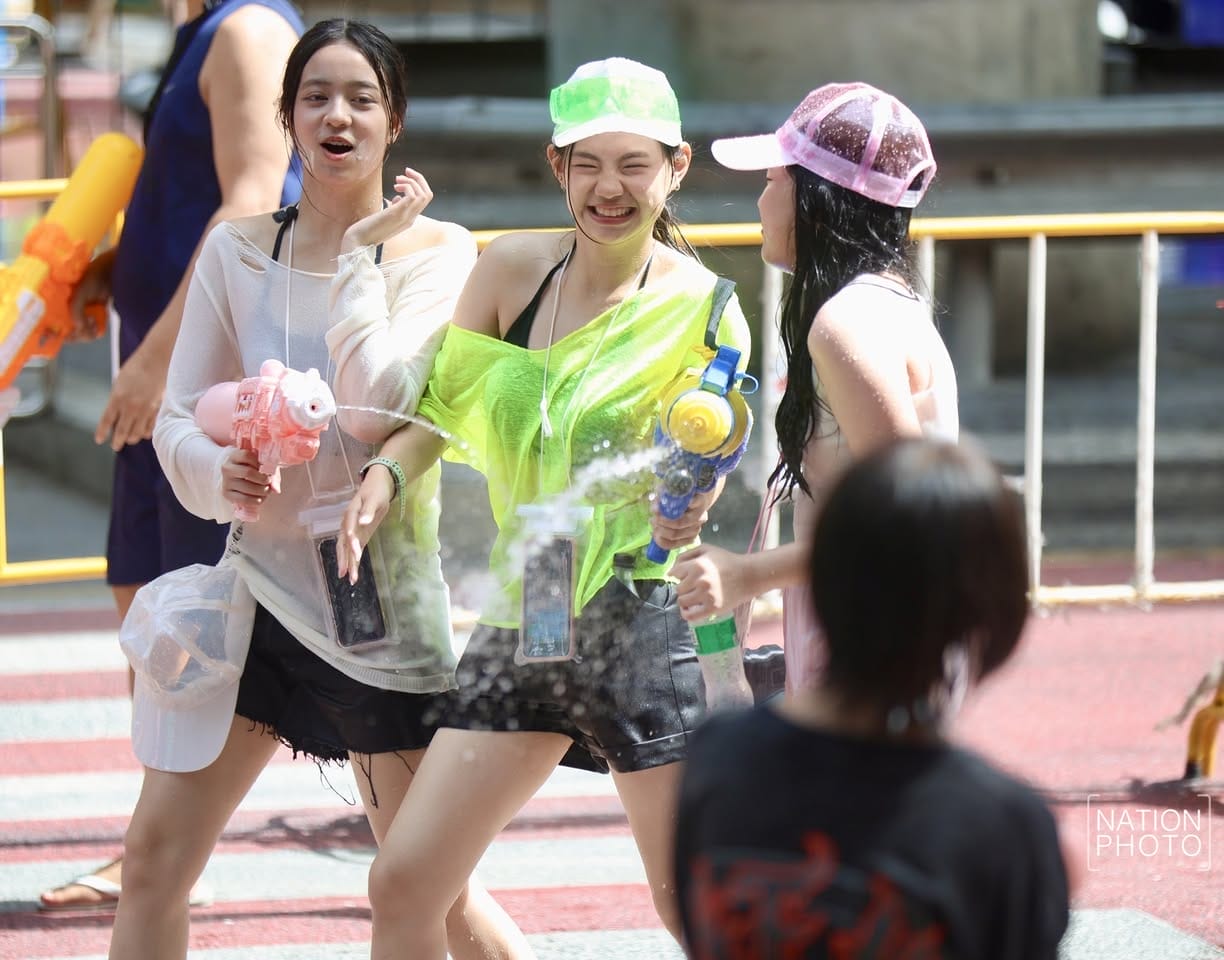
Thingyan Festival in Myanmar: Known for almsgiving, traditional dances, and family reunions.
-
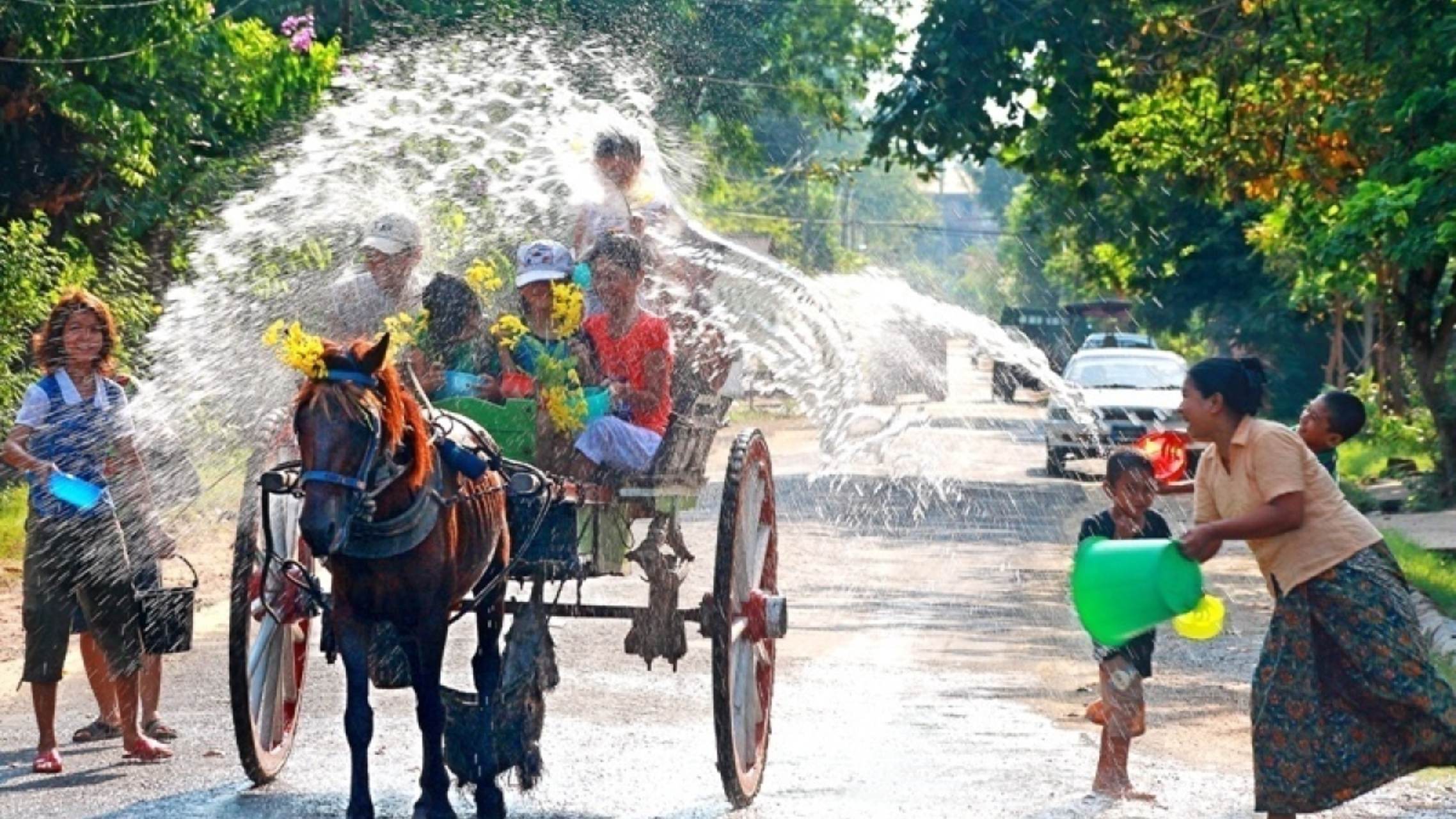
Boun Pi Mai in Laos: A combination of spiritual cleansing, Buddhist rituals, and cultural performances.
-
Sankranta in Cambodia: A sacred time for offering food to monks, playing traditional games, and family ceremonies.
Best Time to Visit
Plan your travel from April 10–20. Festival dates vary slightly:
-
Thailand (Songkran): April 13–15
-
Myanmar (Thingyan): April 13–17
-
Laos (Boun Pi Mai): April 14–16
-
Cambodia (Sankranta): April 13–16
Book accommodations at least 3 months in advance, especially in popular cities like Chiang Mai, Luang Prabang, Siem Reap, and Yangon.
Essential Travel Tips for Festival Season
1. Pack Waterproof Essentials
You will get soaked. Pack:
-
Waterproof phone pouch
-
Quick-dry clothes
-
Flip-flops or waterproof sandals
-
Extra dry bag for valuables
2. Respect Local Traditions
While these festivals are fun, they hold deep cultural significance. Participate respectfully:
-
Dress modestly for temple visits
-
Don’t splash monks or elders
-
Avoid alcohol consumption near sacred sites
3. Learn Key Festival Phrases
A few local phrases will go a long way:
-
Thailand: “Sawasdee pi mai” (Happy New Year)
-
Laos: “Sabaidee Pi Mai”
-
Myanmar: “Thingyan nay kaung lar?”
-
Cambodia: “Soursdey Chnam Thmey”
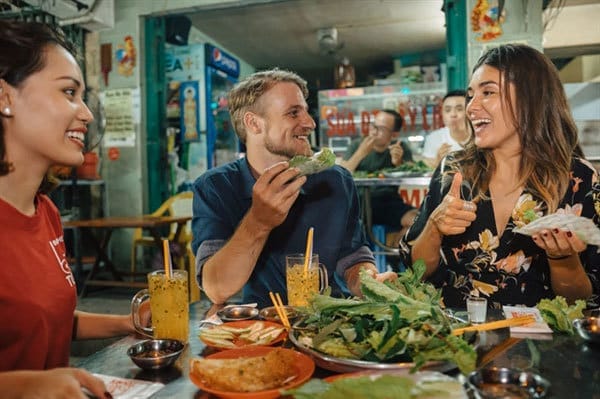
4. Explore Local Foods
Festivals are the best time to try traditional dishes:
-
Thailand: Khao Chae (jasmine rice with iced water and condiments)
-
Myanmar: Mont Lone Yay Baw (glutinous rice balls)
-
Laos: Or Lam (Lao stew)
-
Cambodia: Num Ansom (sticky rice cake)
Top Destinations to Celebrate Each Festival
Songkran Festival – Thailand
-
Chiang Mai: The epicenter of Songkran celebrations
-
Bangkok: Silom and Khao San Road are popular for tourists
-
Ayutthaya: Offers a more cultural experience with elephants
Thingyan Festival – Myanmar
-
Yangon: Street parties and traditional dances
-
Mandalay: Religious rituals and water pavilions
-
Bagan: Quiet but scenic during Thingyan
Boun Pi Mai – Laos
-
Luang Prabang: A UNESCO World Heritage City with beautiful parades
-
Vientiane: Local celebrations with spiritual significance
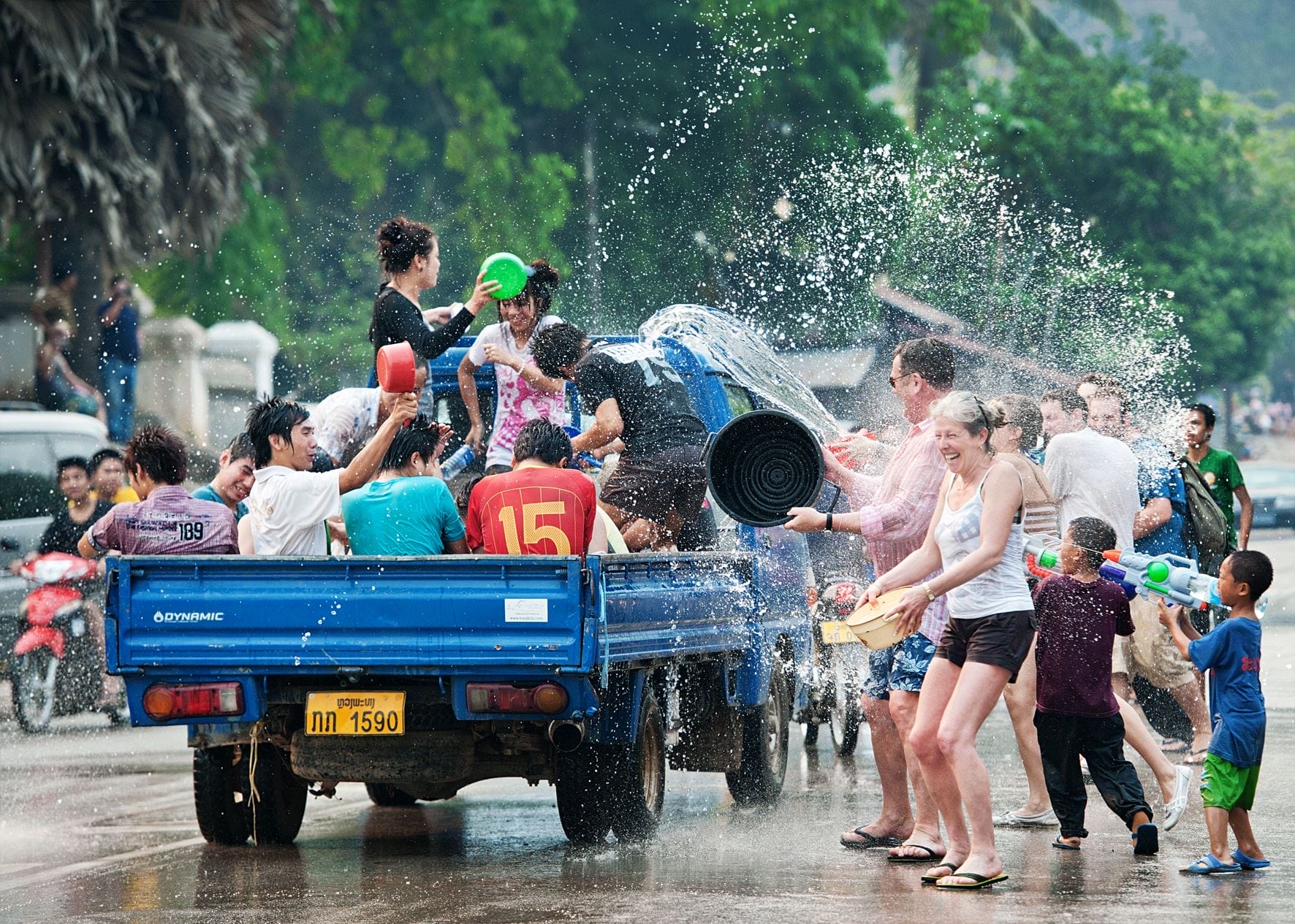
Sankranta – Cambodia
-
Siem Reap: Combines Angkor temples with modern festivities
-
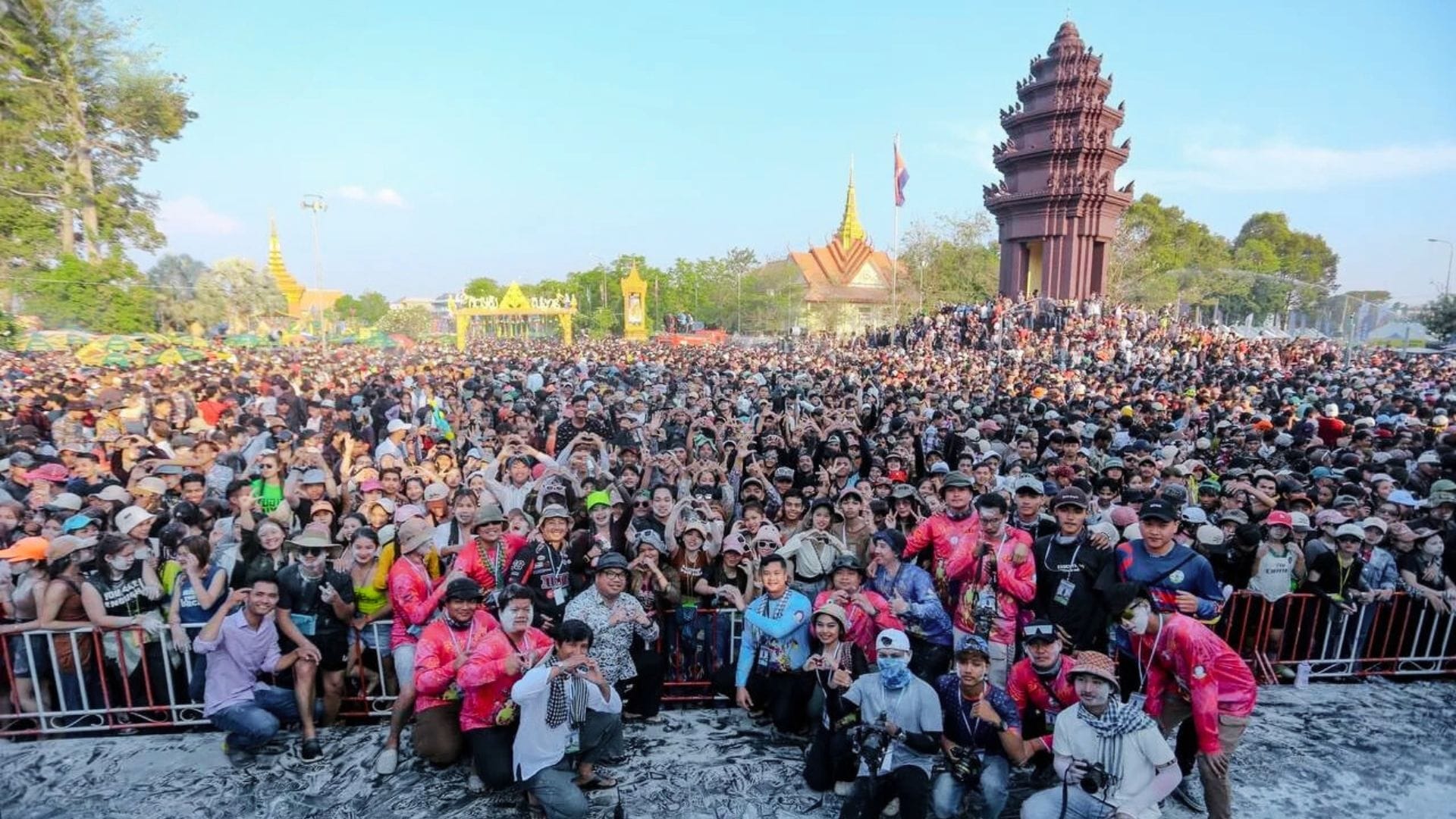
Phnom Penh: National games and ceremonial processions
Cultural Do’s and Don’ts
| Do | Don’t |
|---|---|
| Participate in water fights with consent | Splash monks or elders |
| Visit temples respectfully | Wear revealing clothes in sacred areas |
| Try traditional foods | Waste water during the festival |
| Greet locals with festival phrases | Expect Western-style nightlife |
Incorporating the Festivals into a Travel Route
If you want to experience all four, plan this route:
-
Chiang Mai, Thailand →
-
Luang Prabang, Laos →
-
Siem Reap, Cambodia →
-
Yangon, Myanmar
Use low-cost airlines or regional buses. Each leg is 1–2 hours by air or an overnight bus ride.
FAQs: People Also Ask
What is the meaning of Songkran Festival?
Songkran represents the Thai New Year, celebrated with water to wash away bad luck and sins, and bring blessings for the new year.
Can tourists participate in Thingyan Festival?
Absolutely. Tourists are welcomed and encouraged to participate respectfully in Thingyan celebrations, especially in Yangon and Mandalay.
Is Boun Pi Mai similar to Songkran?
Yes. While both involve water festivities and merit-making, Boun Pi Mai focuses more on Buddhist rituals and spiritual renewal.
What should I wear during these water festivals?
Wear lightweight, quick-drying clothes. Avoid white (it becomes see-through), and dress modestly for temple visits.
Is it safe to travel during the festival season?
Yes, but expect crowds. Plan accommodations early, be cautious of slippery streets, and follow local safety guidelines.
Ready to experience the joy, culture, and magic of Southeast Asia’s water festivals?
Book your unforgettable Indochina festival tour now and celebrate the New Year the traditional way!