Northern Thailand’s lush jungles, misty mountains, and tranquil rivers make Chiang Mai a dream destination for travelers seeking nature, spirituality, and culture. Yet, for many, one experience tops the bucket list — spending a day with Thailand’s most beloved animal, the elephant. But with growing awareness about animal welfare, modern travelers are asking a vital question: What are ethical elephant-sanctuary options near Chiang Mai?
Today, we’ll explore how to experience elephants the right way — with compassion, knowledge, and respect — while supporting sanctuaries that genuinely prioritize the wellbeing of these magnificent creatures.
Understanding Ethical Elephant Tourism in Chiang Mai
For decades, elephants in Thailand were used for logging and tourist rides, leading to widespread mistreatment. But as the global movement toward ethical elephant tourism gained strength, Chiang Mai became the epicenter of a remarkable transformation.
An ethical elephant sanctuary is one that ensures elephants live freely — without chains, riding saddles, or forced performances. Visitors can observe, feed, or walk alongside them, but never exploit or harm them. The focus is education, conservation, and coexistence.
When choosing where to visit, travelers should ask:
-
Are elephants allowed to roam freely?
-
Does the sanctuary prohibit riding or tricks?
-
How are the elephants sourced — rescued or bred?
-
Is the experience more about learning than entertainment?
These are the foundations of truly responsible elephant tourism.
Top Ethical Elephant Sanctuaries Near Chiang Mai
1. Elephant Nature Park (ENP)
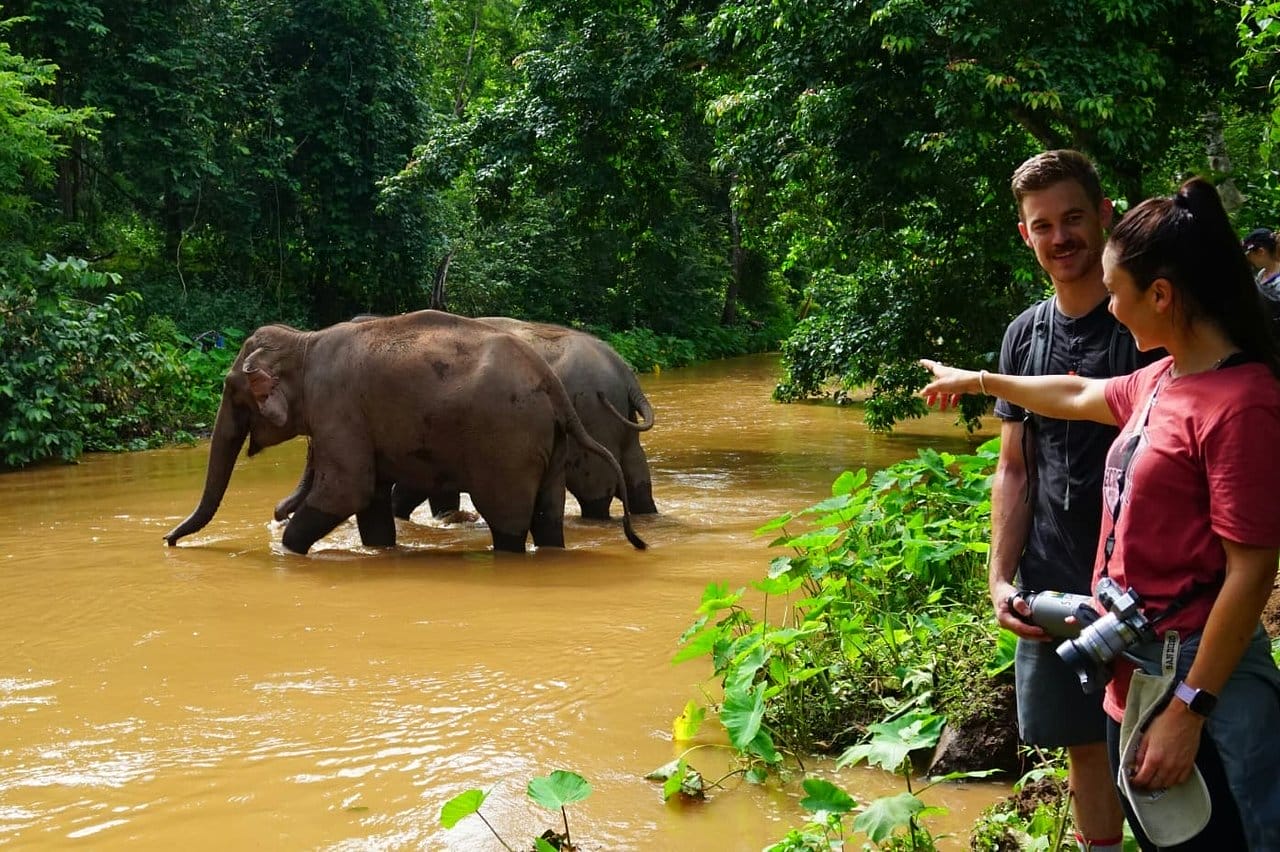
Located just 60 km from Chiang Mai, Elephant Nature Park is one of Thailand’s pioneering ethical sanctuaries. Founded by Lek Chailert, a passionate animal activist, ENP has rescued hundreds of elephants from abusive tourism and logging industries. Visitors spend the day feeding elephants, walking with them to the river, and watching them bathe — all under strict non-riding, non-contact guidelines.
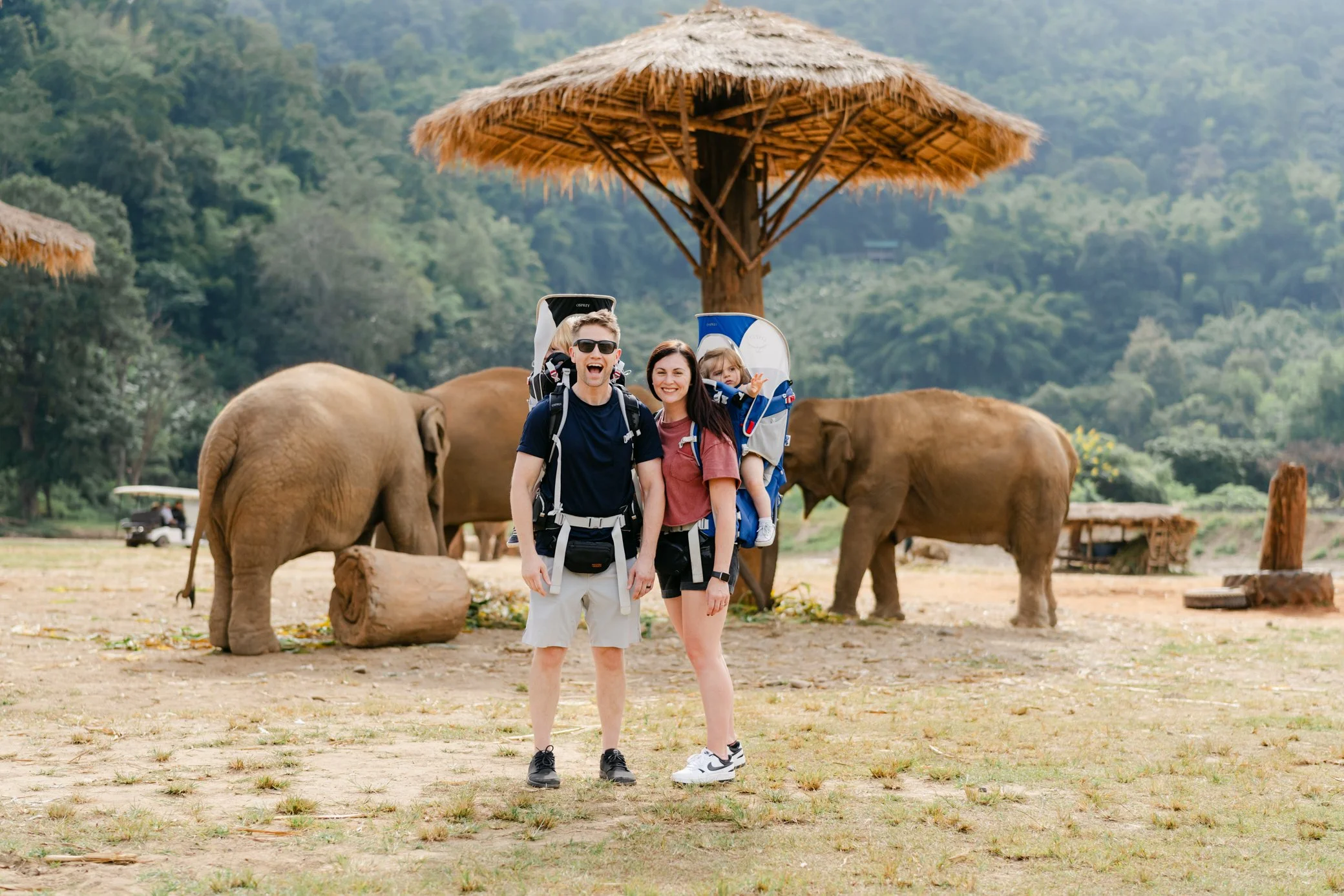
What makes ENP stand out is its holistic approach: it also shelters buffaloes, cats, and dogs, creating a true haven for all living beings. The park’s income supports elephant rescue projects across Southeast Asia, making it a must-visit for those seeking a deeply meaningful experience.
2. Happy Elephant Home
A smaller, community-based sanctuary north of Chiang Mai, Happy Elephant Home allows guests to meet elephants rescued from riding camps. Visitors help prepare food, learn about elephant behavior, and walk beside them in the forest. There’s even a chance to bathe the elephants naturally in the river — a joyful, mud-splattered moment that feels authentic and respectful.
The sanctuary limits daily visitor numbers to avoid stress for the animals, aligning perfectly with sustainable travel values.
3. Elephant Green Sanctuary
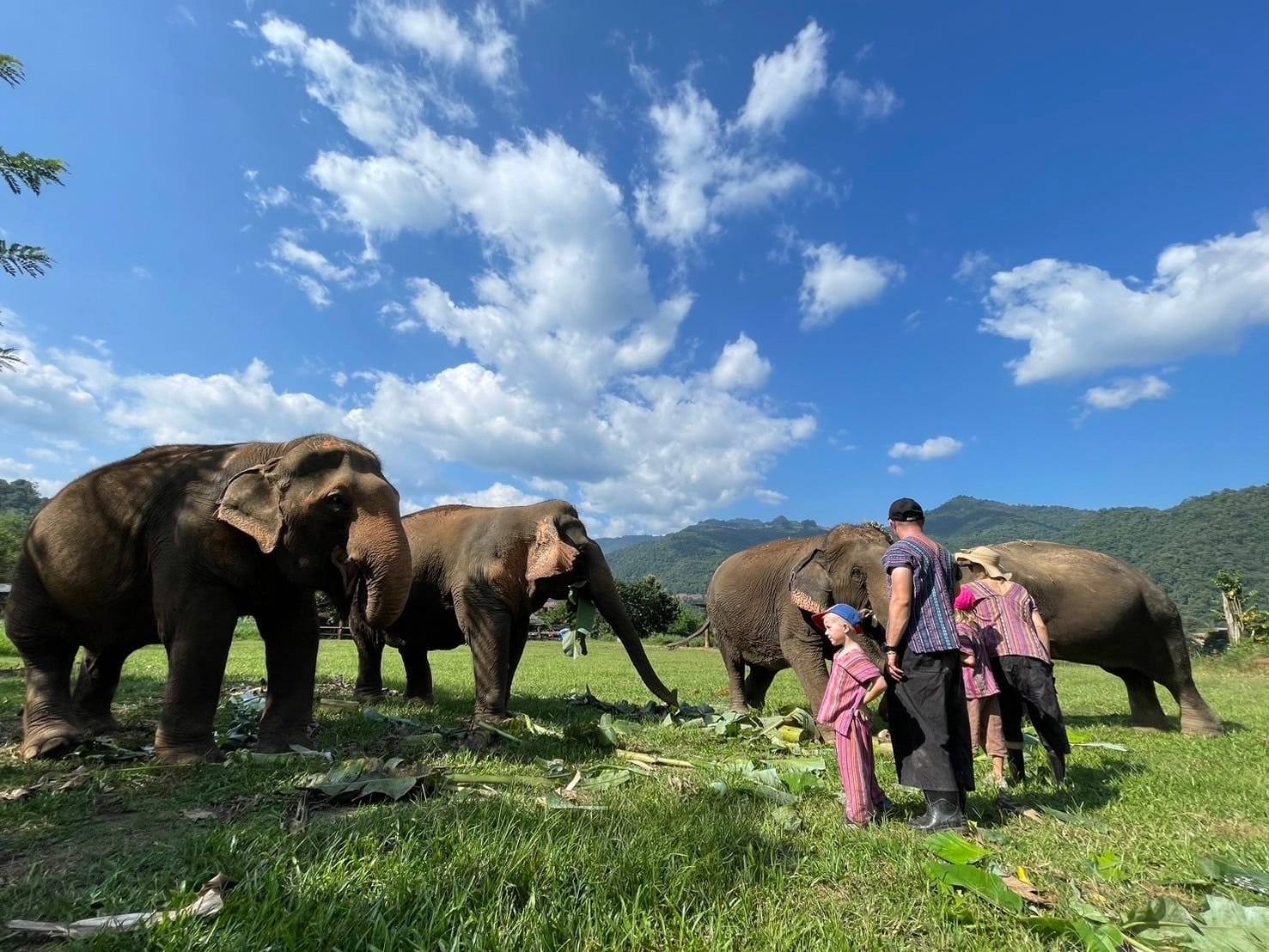
Located about an hour west of the city, Elephant Green Sanctuary combines conservation with local education. The experience includes walking through scenic countryside trails and understanding how the Karen hill-tribe communities care for elephants. Here, visitors gain insight into responsible elephant tourism in Chiang Mai through storytelling and real-life interaction — without exploitation or crowding.

4. Kindred Spirit Elephant Sanctuary
Tucked deep in the hills of Mae Chaem district, this sanctuary offers one of the most authentic elephant encounters near Chiang Mai. Elephants here roam naturally in the forest, cared for by mahouts who’ve transitioned from traditional logging work to eco-tourism. Visitors can stay overnight in a local homestay, experiencing rural life while contributing to wildlife protection and community development.
Why Choosing Ethical Sanctuaries Matters
Supporting ethical elephant sanctuaries in Chiang Mai means directly contributing to animal welfare and conservation. Every ticket purchased helps fund medical care, proper nutrition, and forest rehabilitation. More importantly, it sends a clear message to the tourism industry — travelers value compassion over convenience.
It’s also a transformative experience for visitors. Observing these intelligent, emotional creatures up close — without cages or chains — leaves a lasting impression. You begin to understand their personalities, their gentle communication, and the depth of their social bonds. It’s not just a photo opportunity; it’s a lesson in empathy and coexistence.
How to Identify a True Ethical Elephant Sanctuary
When researching, look for transparency. A reputable sanctuary will:
-
Publish information about each elephant’s rescue story
-
Have strict no-riding, no-show, and no-breeding policies
-
Employ local caretakers (mahouts) with fair wages
-
Support conservation or reforestation programs
Be wary of places that use the word “sanctuary” but still allow elephant bathing or performances for entertainment. Real sanctuaries focus on observation, not interaction.
The Ideal Time to Visit Elephant Sanctuaries in Chiang Mai
The best time to visit Chiang Mai for outdoor activities is between November and February, when the weather is cool and dry. This period is perfect for day trips or overnight stays in the mountains. During the green season (June to October), the jungles around the sanctuaries are lush, and rivers run full — offering an even more picturesque setting, though occasional rain showers are to be expected.
Responsible Traveler’s Tips
-
Always book directly through the sanctuary’s official site or a verified ethical operator.
-
Bring eco-friendly products (biodegradable sunscreen, no plastic bottles).
-
Dress modestly and wear comfortable walking shoes.
-
Respect the elephants’ space — no touching unless guided by the staff.
-
Avoid visiting any camp that promotes tricks or circus-like performances.
Being a conscious traveler means prioritizing the welfare of the animals over the thrill of physical interaction.
FAQs About Ethical Elephant Sanctuaries in Chiang Mai
1. Can you still touch or feed elephants at ethical sanctuaries?
Some ethical sanctuaries allow supervised feeding or gentle interaction, but only if the elephants approach willingly. The goal is always respect, not control.
2. How long does a visit usually last?
Most day trips last between 4–6 hours, though multi-day programs with volunteer opportunities are also available for deeper experiences.
3. Are these sanctuaries suitable for families?
Yes, many sanctuaries near Chiang Mai welcome children and families, offering educational programs about wildlife and conservation.
4. Are elephants in these sanctuaries truly free?
While not wild, these elephants live in semi-natural environments, free from chains and work. They’re monitored for health but allowed to move and behave naturally.
5. What should I bring when visiting a sanctuary?
Comfortable clothes, insect repellent, a refillable water bottle, and an open heart to learn and connect responsibly.
For an authentic and ethical Chiang Mai experience, join our Northern Thailand Eco & Culture Tour — where you’ll walk beside elephants, not ride them. Contact Viet Long Travel to plan your visit today!
Tags:
animal welfare tourism,Chiang Mai elephant sanctuary,Chiang Mai travel guide,elephant experience Chiang Mai,elephant nature park,ethical elephant tourism,ethical travel Thailand,responsible tourism Thailand,sustainable tourism Chiang Mai,Thailand eco travel