When travelers first imagine China, the first pictures often come quickly: the immense stone ridges of the Great Wall, the imperial symmetry of the Forbidden City, the crowds of Beijing, and the famous skyline of Shanghai. Yet the true depth of China begins only after stepping beyond these global icons. This enormous country holds landscapes, cultures, and experiences so varied that many seasoned travelers return again and again and still feel they have only touched the surface. For anyone searching for truly unique places to visit in China, the most rewarding journeys often happen far from the classic first-time routes.
What makes China extraordinary is not only its scale, but the way each province feels almost like entering a different country. One day you may stand among rainbow-colored mountains shaped by millions of years of geology, and the next day you may drift silently through an ancient canal town where life still follows rhythms established centuries ago. In remote villages, minority communities preserve traditions that remain vivid and alive, while hidden mountain regions reveal some of Asia’s most dramatic scenery. This is the China that surprises experienced travelers: layered, complex, visually overwhelming, and emotionally memorable.
For travelers planning a deeper China itinerary, exploring beyond famous capitals offers stronger cultural immersion, fewer crowds, and richer storytelling. These destinations are not simply scenic detours; they represent some of the most powerful travel experiences available anywhere in Asia.
Why Explore Beyond China’s Famous Icons
China’s hidden geography offers extraordinary contrast
The country’s size creates astonishing diversity. Northern deserts, southern rice terraces, western high plateaus, and eastern water towns all exist within one nation. Many visitors underestimate how dramatically landscapes change across regions. While Beijing introduces imperial history, the hidden provinces reveal natural drama that feels cinematic.
Local culture becomes more personal outside major tourist centers
In lesser-known regions, encounters often feel more genuine. Families still gather in open courtyards, local markets remain central to daily life, and travelers can observe traditional practices that are increasingly difficult to find in heavily visited urban centers.
Unique places often create the strongest memories
Many travelers remember lesser-known China more vividly than famous monuments because these places feel unexpected. The emotional effect of discovering something unfamiliar often lasts longer than ticking off famous landmarks.
Zhangjiajie: China’s Floating Mountains That Inspired Fantasy Worlds
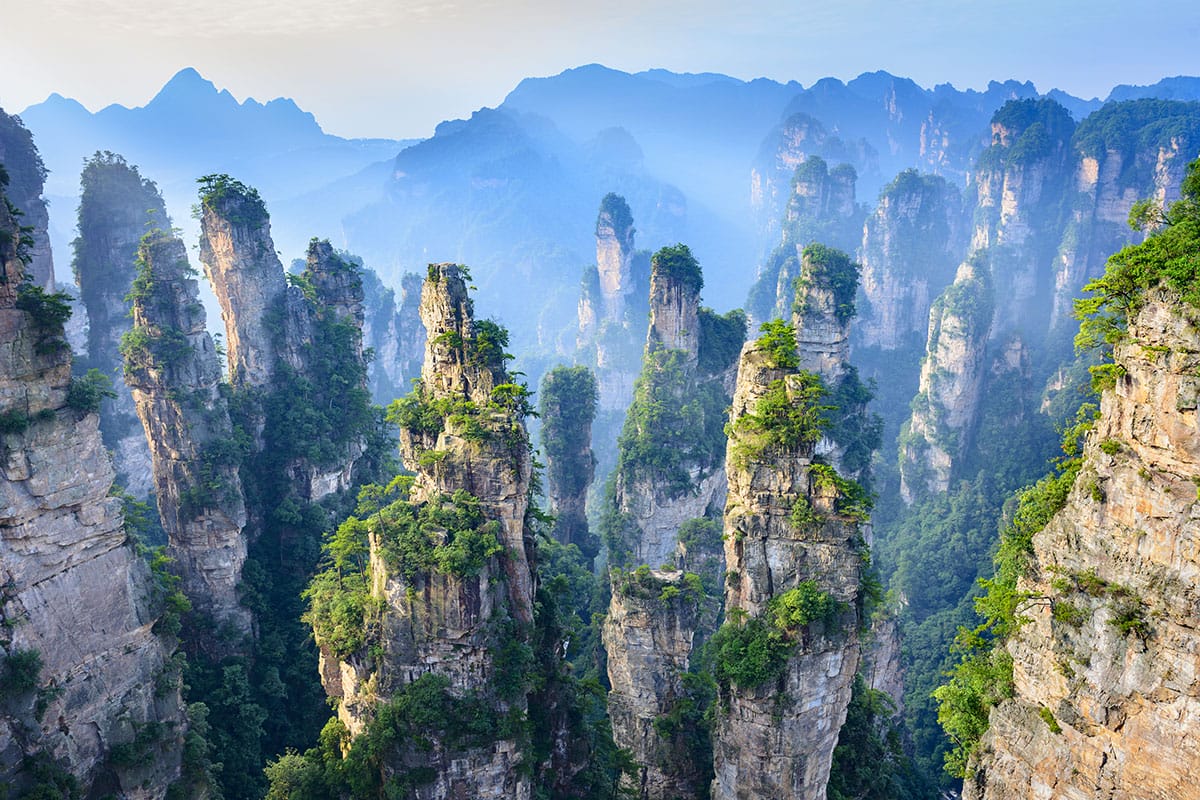
A landscape that feels almost unreal
Among all unique places to visit in China, Zhangjiajie often leaves the deepest visual impact. Located in Hunan Province, this vast national forest is famous for thousands of sandstone pillars rising vertically through mist-filled valleys. The formations appear almost suspended in air, especially during early morning when clouds drift between peaks.
These dramatic mountains became internationally famous because they inspired the floating landscapes seen in modern fantasy cinema, yet standing there in person feels even more surreal than any photograph suggests. Elevators built into cliffs, narrow glass bridges, and panoramic cable cars allow travelers to move through the landscape from constantly changing perspectives.
Why Zhangjiajie deserves more than a day trip
Many visitors underestimate how large the park is. Spending at least two full days allows enough time to experience sunrise viewpoints, forest walks, hidden platforms, and quieter areas after day visitors leave. Early morning is especially valuable because the changing mist creates entirely different scenery each hour.
The nearby Grand Canyon glass bridge adds another memorable dimension for travelers who enjoy dramatic height experiences. Suspended high above a deep valley, it combines adrenaline with extraordinary photography opportunities.
Fenghuang Ancient Town: A Living Riverside Storybook
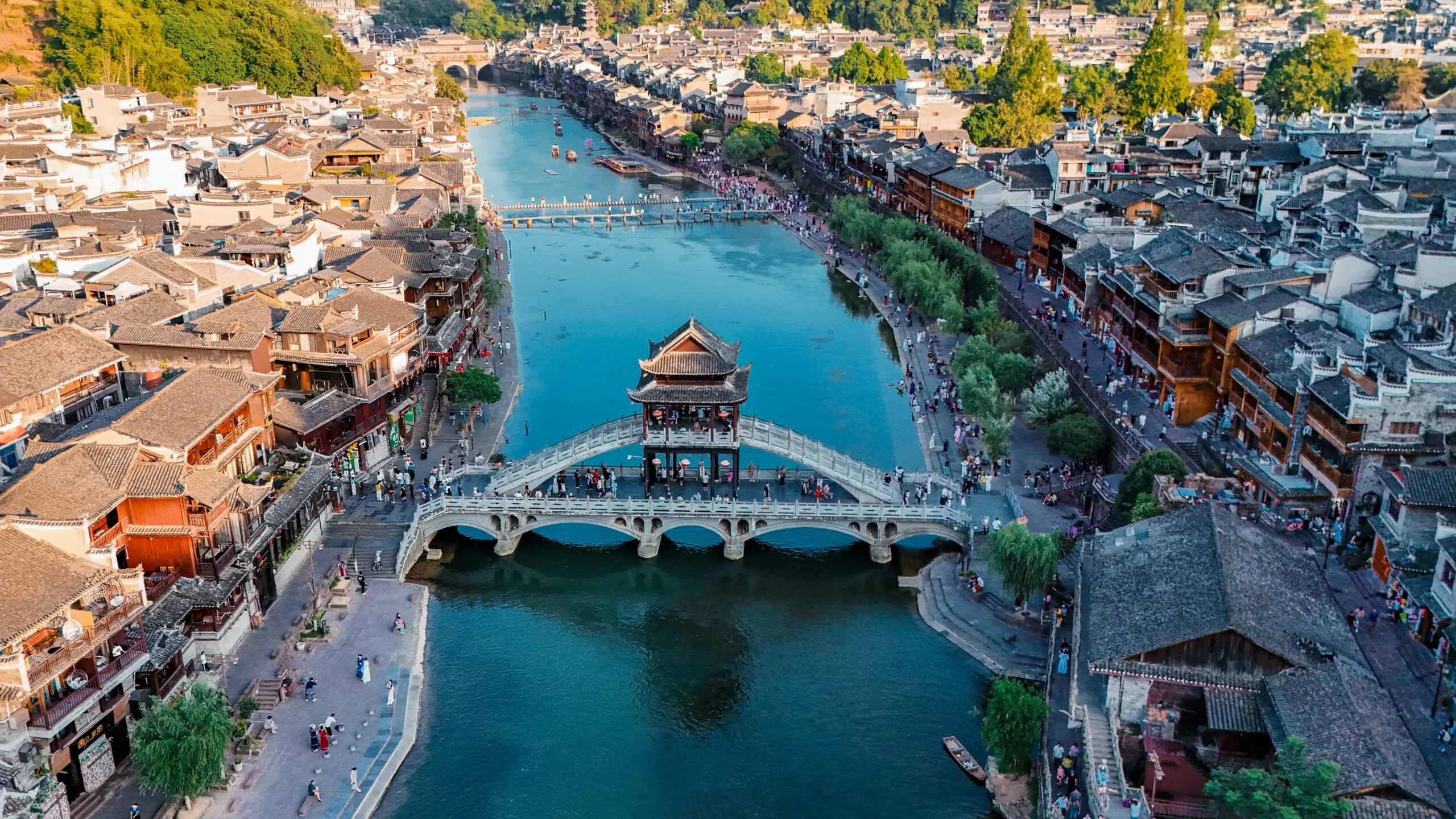
One of China’s most atmospheric historic towns
Fenghuang, meaning Phoenix Town, offers one of the most visually romantic settings in China. Wooden houses line the riverbanks, narrow bridges connect old neighborhoods, and lantern reflections transform the town each evening.
Unlike reconstructed tourist zones, Fenghuang still feels inhabited by ordinary life. Elderly residents wash vegetables by the river, children cross stone lanes after school, and traditional wooden architecture remains central to the town’s identity.
Evening reveals the town’s strongest charm
The town changes dramatically after sunset. Warm lights reflect across the water, creating one of the most memorable night atmospheres in inland China. Slow walking here often becomes the highlight rather than sightseeing itself.
Yuanyang Rice Terraces: A Landscape Built by Generations
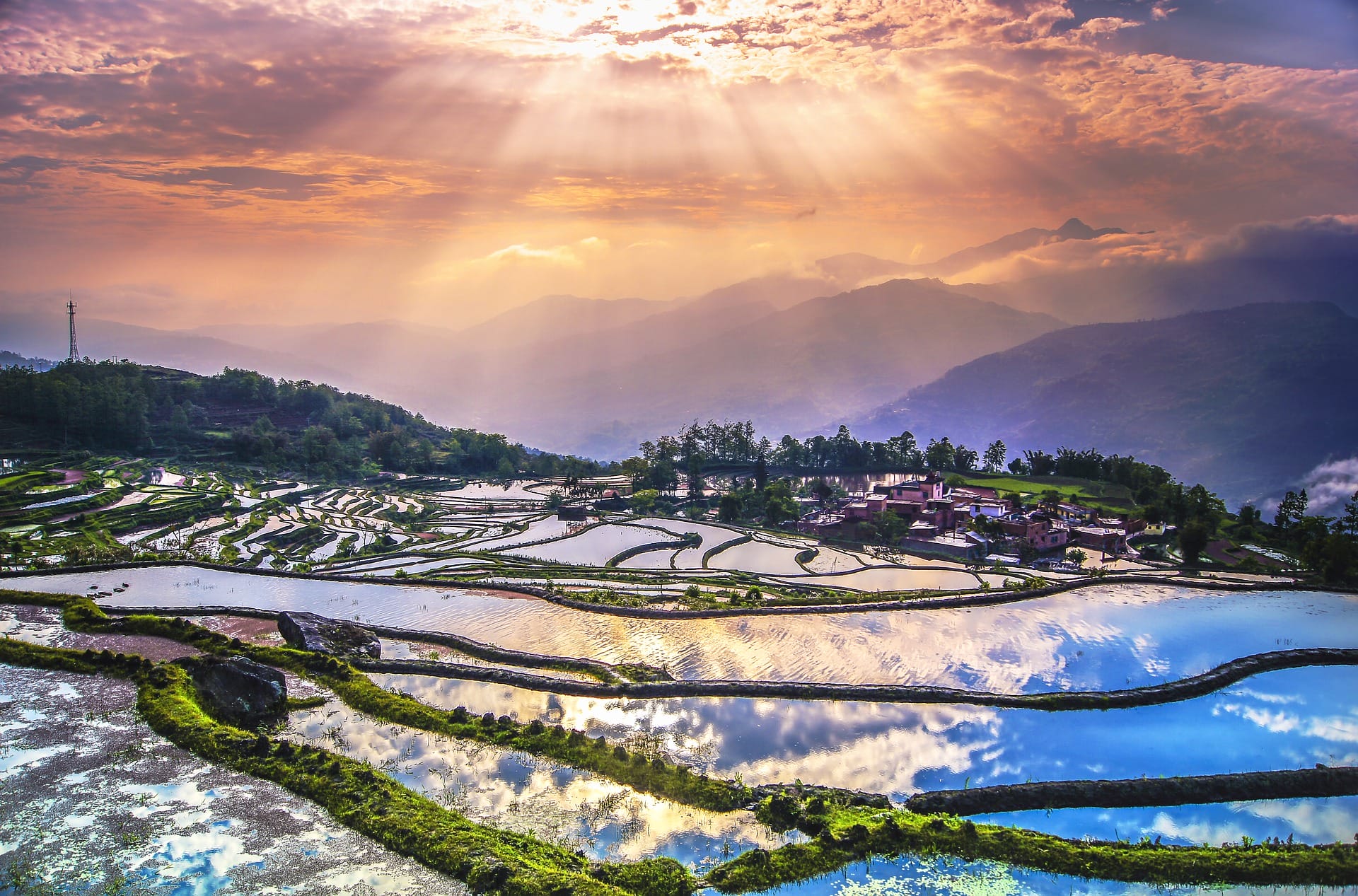
Human engineering shaped into natural art
In Yunnan Province, the Yuanyang Rice Terraces represent centuries of agricultural intelligence. Built by the Hani people across steep mountain slopes, these terraces create thousands of reflective layers that shift color depending on season and sunlight.
During sunrise, water-filled terraces mirror the sky, producing one of China’s most extraordinary visual scenes. Every viewpoint feels different because the geometry changes with angle and light.
Why this destination feels deeply immersive
Beyond scenery, villages around the terraces offer cultural depth. Traditional mushroom-shaped houses, local farming systems, and mountain life continue much as they have for generations.
Dunhuang: Where Desert, Art, and Silk Road History Meet
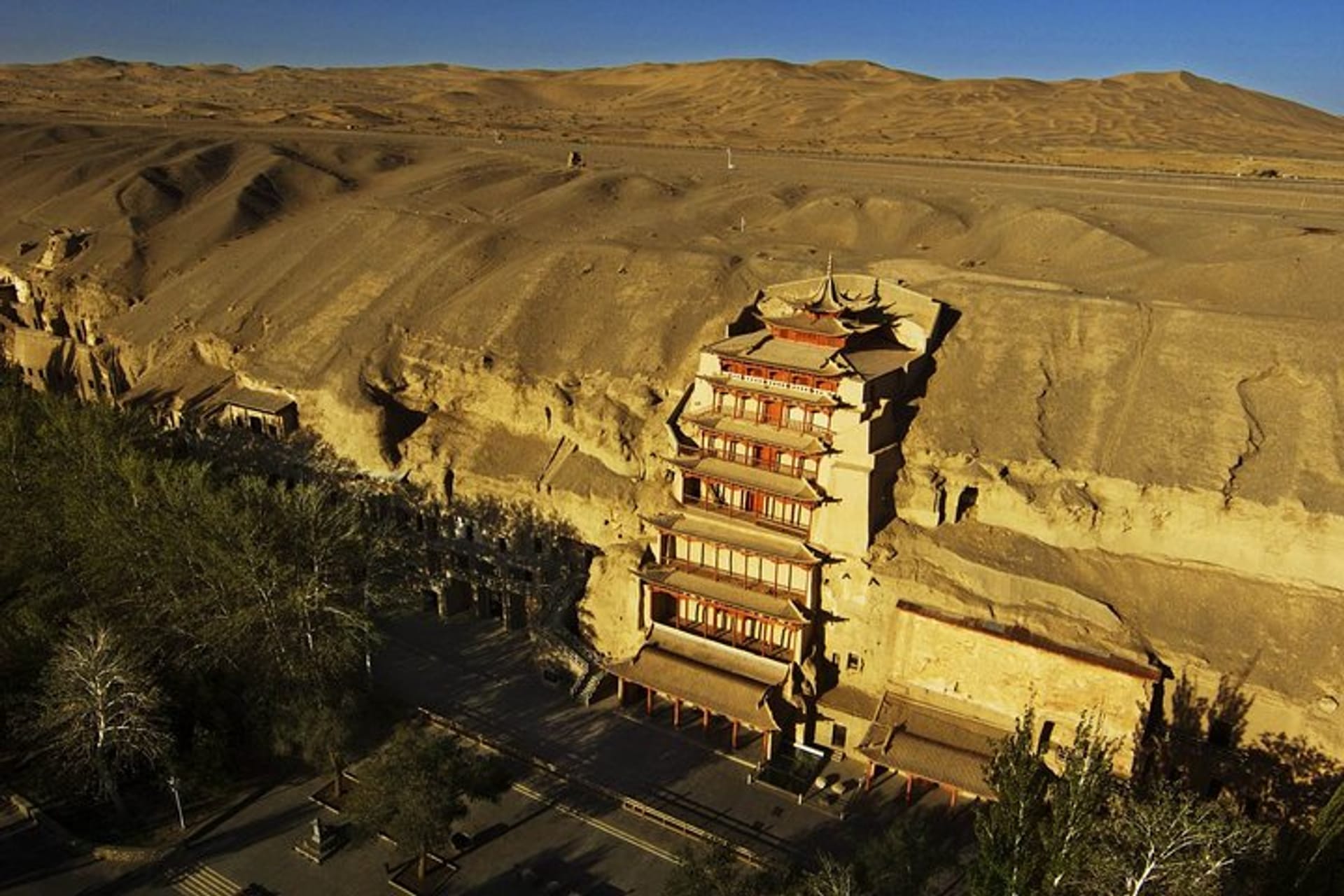
A forgotten cultural crossroads
Far in Gansu Province, Dunhuang offers a completely different China. Here, desert landscapes merge with Silk Road history, creating one of the most intellectually fascinating destinations in the country.
The Mogao Caves preserve Buddhist wall paintings and sculptures that span centuries of artistic exchange between East and West. These cave temples reveal how ideas traveled long before modern globalization.
Desert experiences beyond historical sites
Nearby singing sand dunes and Crescent Lake create one of China’s most striking desert landscapes. Camel rides at sunset may sound touristy, but the wide desert silence still creates powerful atmosphere.
Wuzhen: Ancient Water Town Elegance Without Rushing
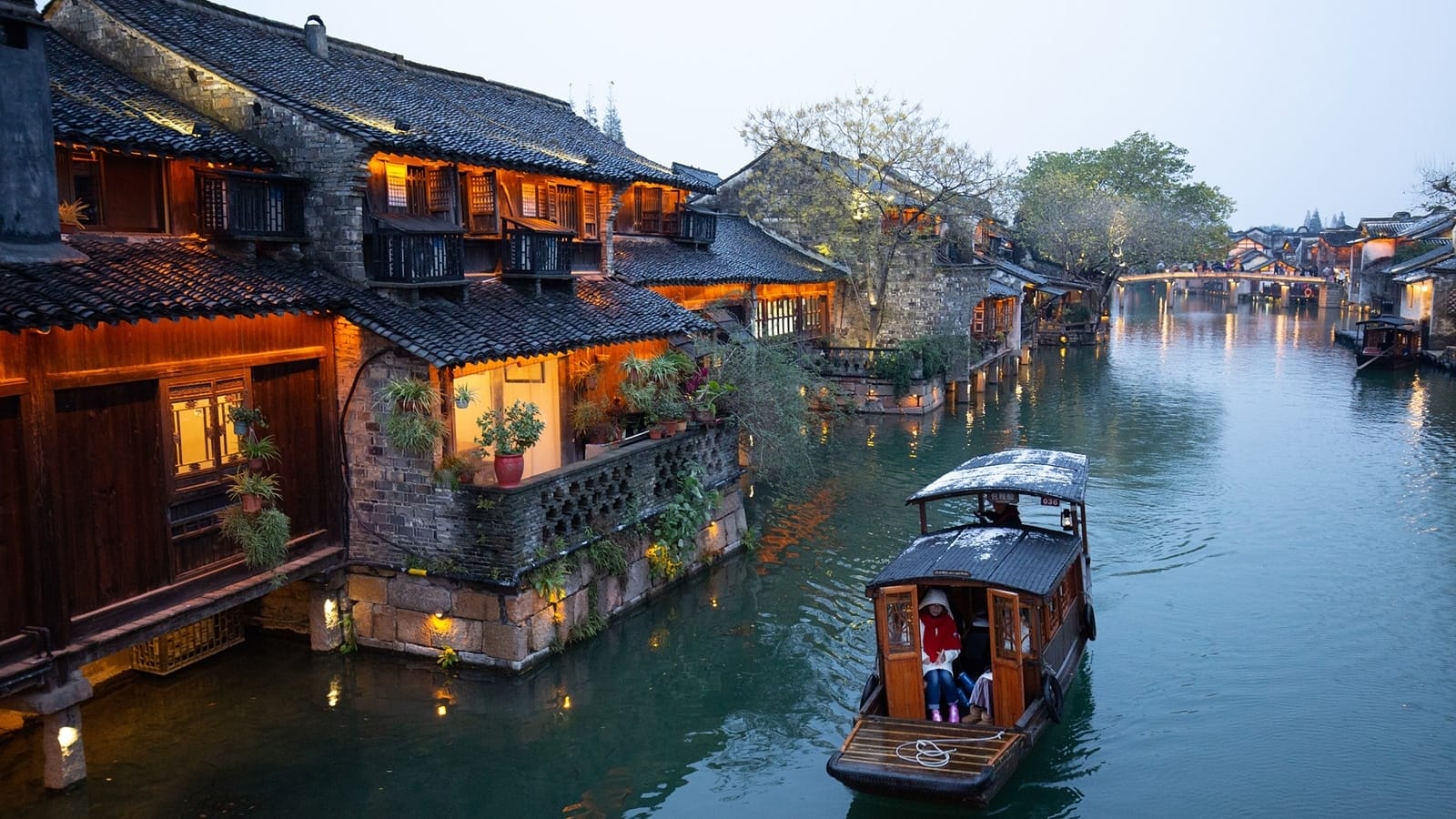
Water defines the rhythm of life
Among China hidden gems, Wuzhen offers one of the most refined historical experiences. Canals replace streets in many sections, and stone bridges create layers of quiet perspective.
Unlike larger commercial cities, Wuzhen feels slow. Boats glide silently under bridges while traditional homes remain beautifully preserved.
Best experienced overnight
Staying overnight changes everything. After day visitors leave, the canals become peaceful and reflective, offering one of China’s most elegant evening walks.
Daocheng Yading: China’s Sacred Alpine Wilderness
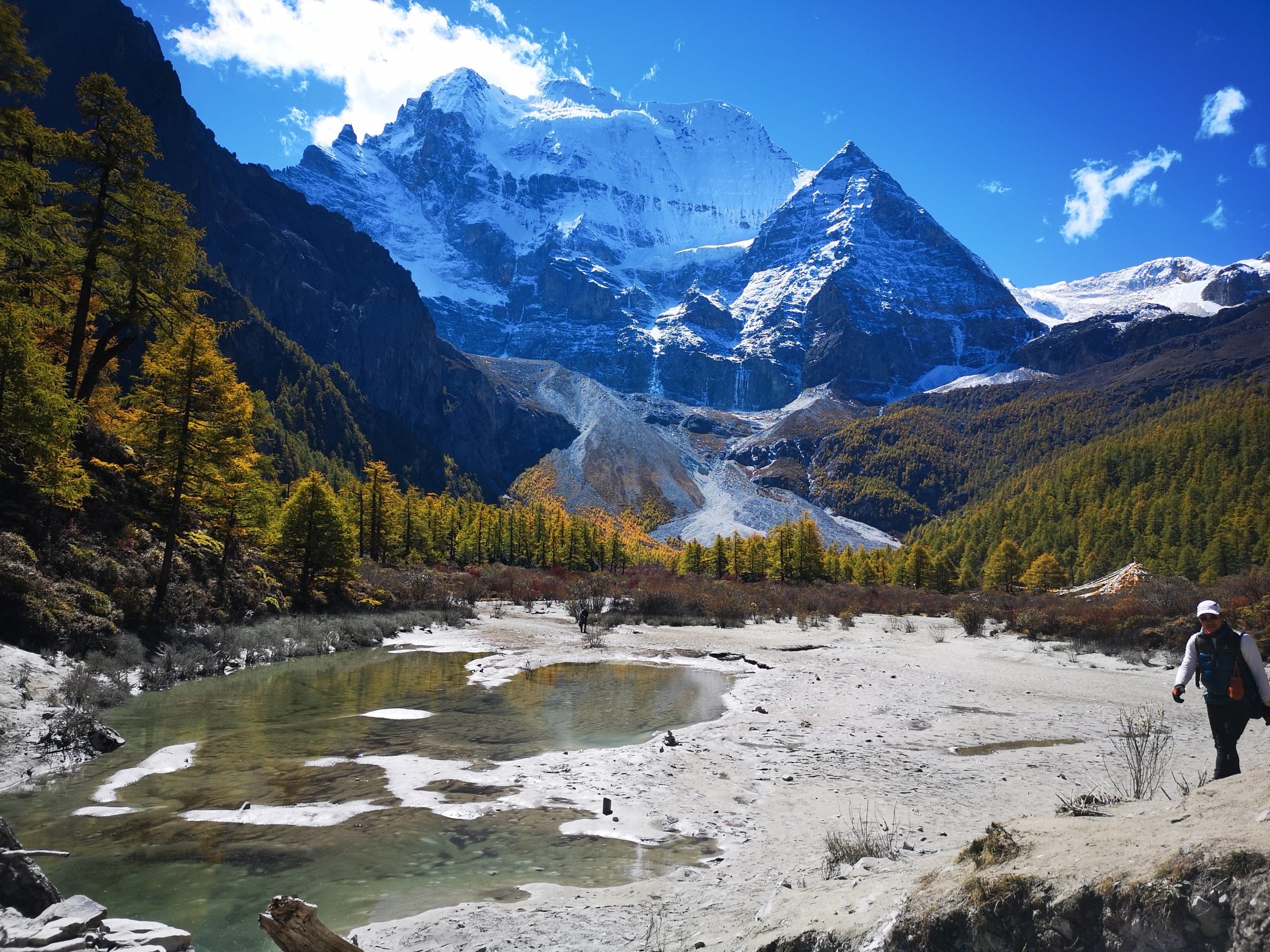
A destination for serious mountain lovers
Located in western Sichuan, Daocheng Yading presents snow peaks, alpine lakes, and sacred Tibetan landscapes that many compare to the world’s finest mountain regions.
The altitude is significant, but the reward is extraordinary scenery rarely matched elsewhere in East Asia.
Spiritual atmosphere adds emotional depth
Prayer flags, monasteries, and pilgrim routes create a powerful spiritual presence that distinguishes the experience from purely scenic mountain travel.
Tulou Villages of Fujian: Circular Architecture Like Nowhere Else
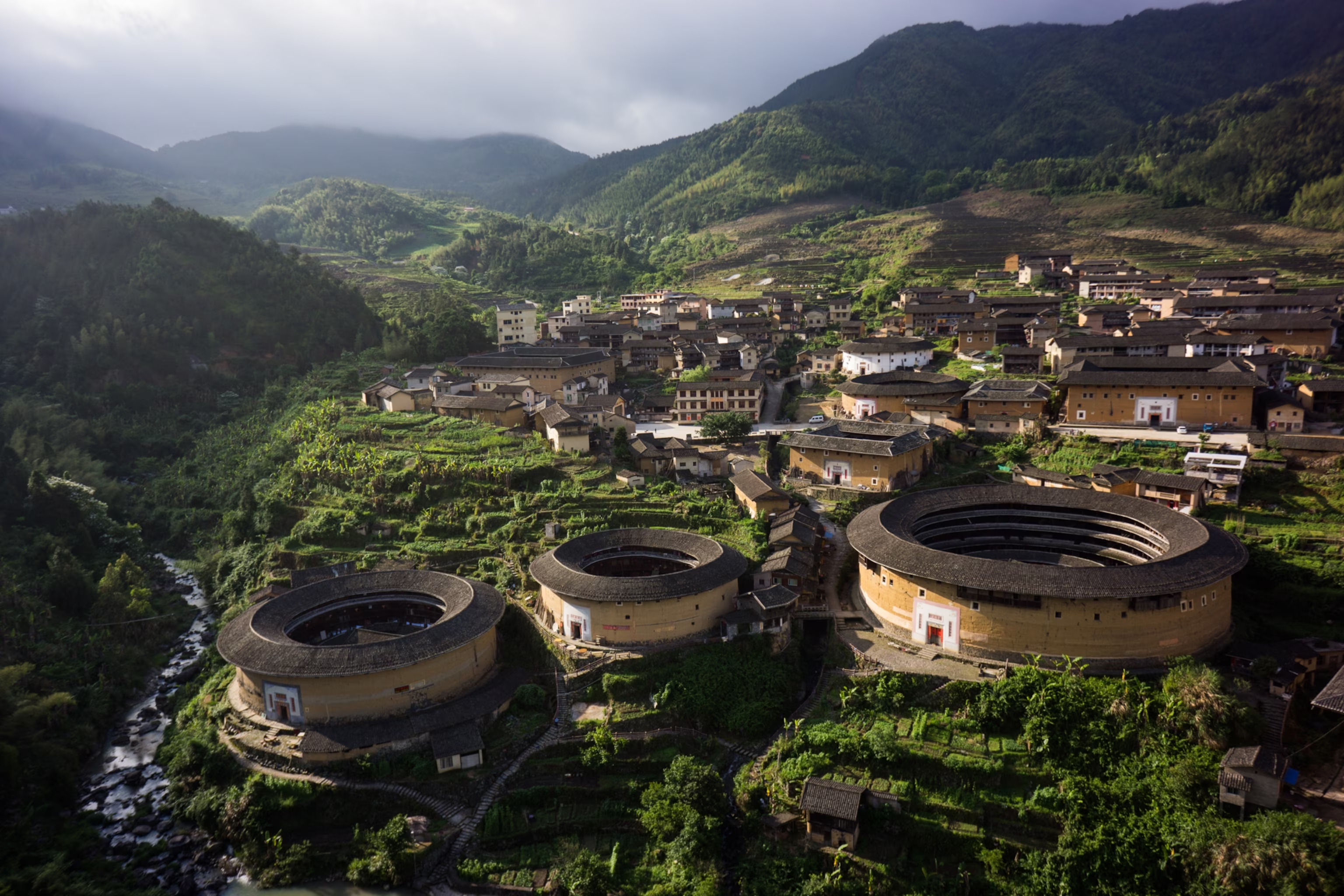
Unique communal living structures
The Tulou are giant circular earthen buildings designed for entire communities. These massive fortified homes protected families for generations and remain among the most unusual architectural experiences in China.
More than architecture
Inside, many Tulou still function as living communities. Conversations with residents often become the most memorable part of visiting.
Kashgar: A Different Cultural Dimension of China
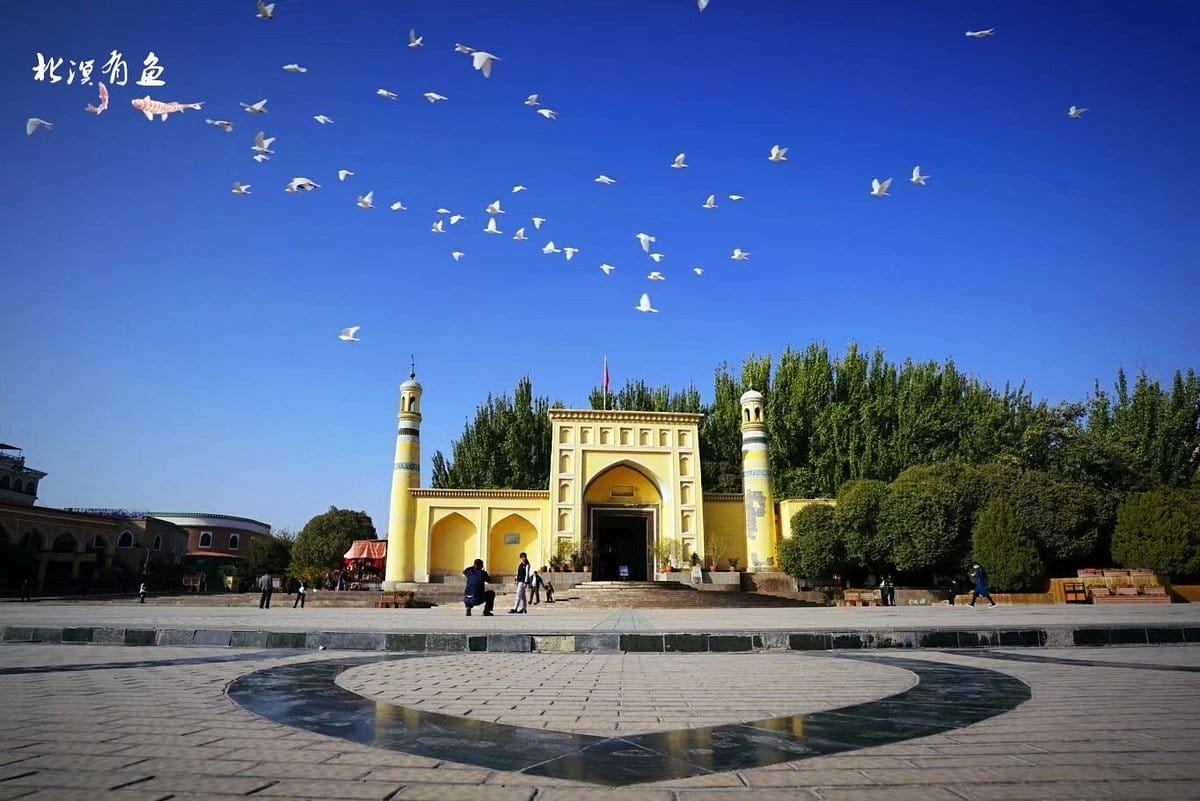
A crossroads of identity
Far west in Xinjiang, Kashgar introduces travelers to a completely different historical atmosphere shaped by Central Asian influence.
Markets, food culture, and architecture feel distinct from eastern China, making it one of the strongest examples of regional diversity.
The old city remains deeply atmospheric
Walking through narrow lanes reveals handcrafted traditions, tea houses, and slow local rhythms difficult to find elsewhere.
Libo: Hidden Karst Beauty in Guizhou
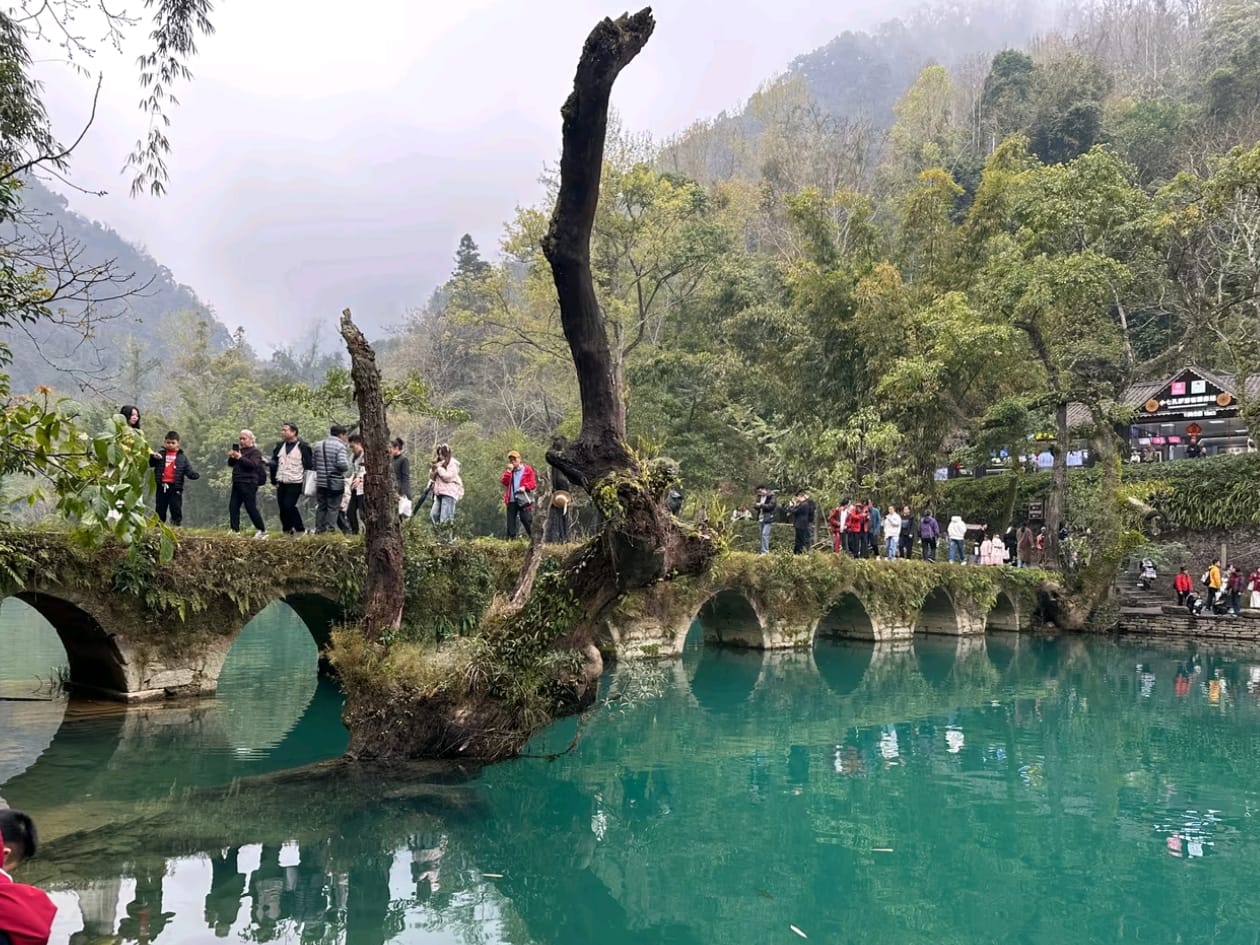
One of China’s least discussed natural wonders
Libo’s limestone forests, emerald rivers, and forest pools create one of southern China’s most visually refreshing landscapes.
Ideal for travelers seeking quiet nature
Because it remains less internationally known, the atmosphere often feels more peaceful than major scenic parks.
Practical Advice for Visiting Unique Places in China
Travel distances matter more than expected
China is vast, and combining hidden destinations requires realistic planning. Domestic flights and high-speed rail often work best together.
Seasonal timing changes everything
Spring and autumn usually offer the best balance for most hidden regions. Summer can bring crowds, while winter transforms some landscapes dramatically.
Regional pacing improves the experience
Fewer destinations with longer stays create stronger experiences than rushing across too many provinces.
FAQ: People Also Ask About Unique Places to Visit in China
What is the most beautiful hidden place in China?
Many experienced travelers consider Zhangjiajie, Yuanyang, and Daocheng Yading among the most visually extraordinary hidden destinations because each offers entirely different natural beauty.
Is it worth visiting China beyond Beijing and Shanghai?
Absolutely. Many of China’s strongest travel experiences happen outside major cities because cultural immersion and landscapes become far more diverse.
Which hidden place in China is best for first-time travelers?
Wuzhen and Zhangjiajie are excellent because they combine accessibility with strong visual impact.
Are remote places in China difficult to travel independently?
Some remote regions require more planning, but high-speed rail and domestic flights now make many hidden areas far easier than before.
How many days are ideal for a deeper China trip?
A meaningful hidden-China itinerary usually needs at least ten to fourteen days to avoid excessive rushing.
The most powerful journeys in China often begin when famous landmarks are left behind. The country’s true richness appears through mountain villages, ancient canal towns, desert monasteries, alpine valleys, and landscapes shaped by generations of local life. Travelers who look beyond the Great Wall and Forbidden City discover not simply alternative destinations, but a more layered understanding of China itself.
Explore deeper China with expertly designed journeys by Viet Long Travel, where every hidden destination becomes smooth, meaningful, and unforgettable from arrival to departure.
Tags:
China hidden gems,China offbeat itinerary,China travel guide,Silk Road China,unique China travel