China is one of those destinations where timing changes everything. A journey through this vast country can feel entirely different depending on whether you arrive during the soft bloom of spring, the dramatic colors of autumn, the heat and movement of summer, or the quiet beauty of winter. For first time travelers, understanding the best time to visit China is not simply about choosing comfortable weather. It is about matching the season with the type of China you want to experience, because every region, every city, and every landscape transforms in its own way across the year.
Unlike smaller destinations where climate remains fairly predictable across the country, China stretches across enormous geographical zones. Northern cities can still feel cold while southern regions are already warm and green. Mountain provinces may be misty while coastal cities remain bright and dry. Ancient capitals, modern skylines, sacred mountains, river towns, and cultural heritage sites all respond differently to seasonal shifts, which is why many experienced travelers carefully plan around weather, public holidays, and visibility before deciding their route.
The question of the best time to visit China becomes especially important when the journey includes iconic places such as Beijing, Shanghai, Great Wall of China, or dramatic natural landscapes like Zhangjiajie National Forest Park. These destinations are unforgettable, but the quality of the experience changes dramatically depending on visibility, temperature, crowd levels, and local atmosphere.
For first time visitors, China often feels larger and more layered than expected. Distances are significant, climates vary quickly, and cultural experiences become much richer when chosen in the right season. This guide explores when to travel through China for cities, mountains, cultural landmarks, and scenic wonders while helping you understand which months deliver the strongest overall experience.

Why Choosing the Best Time to Visit China Matters for First Time Travelers
China rewards travelers who plan carefully because the country offers multiple travel personalities within one calendar year. A spring visit creates one emotional impression, while autumn creates another entirely different one. Even the same street in Beijing can feel transformed between April blossoms and November golden leaves.
For first time travelers, season affects walking comfort, internal flights, train journeys, visibility at mountain viewpoints, and how deeply cultural sites can be appreciated without physical fatigue. Long days of exploring temples, palace grounds, old alleys, river towns, and mountain stairs become far more enjoyable when temperatures are balanced.
The best time to visit China is often considered spring and autumn because these seasons create the most reliable combination of comfortable climate, scenic beauty, and manageable travel conditions across multiple regions. Yet summer and winter also have strong advantages depending on travel priorities.
China’s cultural identity also follows seasonal rhythms. Parks, food culture, festivals, tea regions, gardens, and even public activity patterns shift through the year. That means choosing a season is not simply logistical; it shapes what kind of China you feel.
Spring in China: One of the Most Comfortable Seasons for First Exploration
March to May Brings Balance Across Major Regions
For many travelers, spring offers the most natural answer to the question of the best time to visit China. Between March and May, temperatures become mild across much of central and eastern China, flowers begin appearing in city parks, and major cultural landmarks become pleasant to explore on foot.
In Beijing, spring softens the city. Palace grounds feel open and bright, trees begin blooming, and long historical walks become comfortable without summer heat. This season is especially ideal for visiting the Great Wall because the climbing experience remains physically manageable while surrounding hills gradually turn green.
Spring also works beautifully in Shanghai, where riverside walks, gardens, and historic districts feel energetic but not overwhelming. The contrast between modern skyline views and classical gardens becomes particularly enjoyable during mild weather.
Spring in Historical and Cultural Areas
Ancient towns and heritage districts across China often feel most photogenic during spring because natural colors return without peak tourist pressure. Courtyard architecture, temple compounds, and riverside neighborhoods appear softer in spring light.
Travelers who appreciate cultural depth often find spring ideal because museums, city walks, and heritage routes remain enjoyable for full days without weather extremes.
Spring for Scenic Mountain Travel
Mountain destinations begin reopening fully in spring, especially where winter fog or snow previously limited movement. Visibility improves gradually, waterfalls strengthen, and forest areas become fresh and vivid.
For first time visitors wanting both city culture and natural scenery, spring strongly supports a balanced itinerary.

Summer in China: Dramatic Energy, Green Landscapes and High Season Travel
Why Summer Is Both Rewarding and Challenging
Summer in China creates strong visual richness but also introduces heat and humidity in many urban areas. From June through August, the country becomes highly active, with school holidays increasing domestic travel.
For travelers who do not mind warmer weather, summer offers some of the greenest landscapes of the year. Mountain regions become especially attractive because forests, cliffs, and rivers reach full visual intensity.
This season can still be the best time to visit China if the itinerary prioritizes elevation and scenic regions over long urban walking days.
Best Summer Destinations for Comfort
Highland and mountain areas become particularly appealing in summer. Zhangjiajie’s towering stone pillars often look dramatic in summer mist, creating the cinematic atmosphere many travelers hope for.
Summer also suits travelers wanting dramatic photography because clouds and changing light create depth in mountain views.
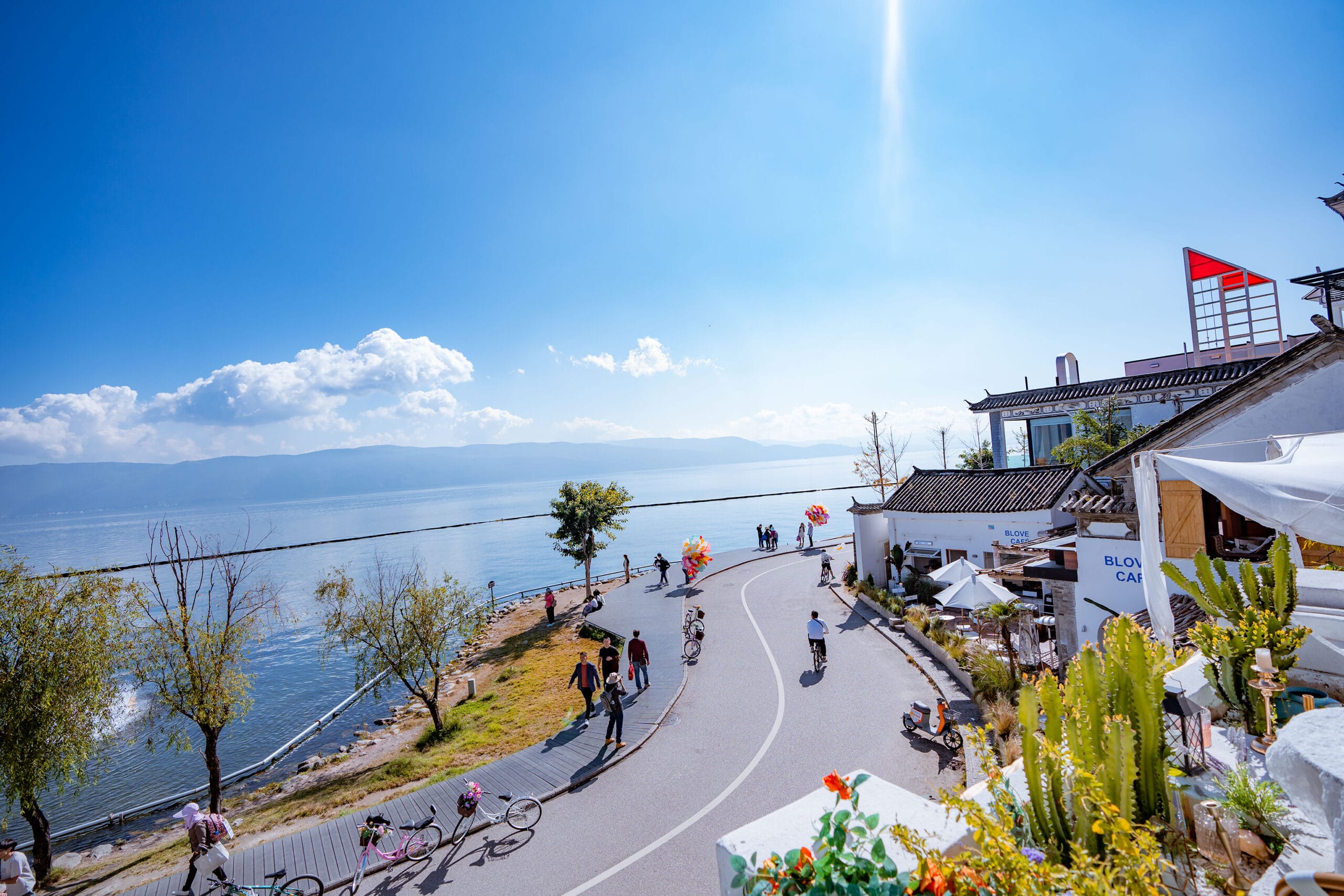
City Travel in Summer Requires Good Timing
Large cities such as Beijing and Shanghai remain possible in summer, but early mornings and evenings become the most pleasant sightseeing periods. Indoor heritage sites, tea houses, museums, and evening river walks help balance daytime heat.
Summer is often ideal for travelers who enjoy energetic urban life combined with scenic excursions.
Autumn in China: Often the Best Time to Visit China for Overall Balance
Why Experienced Travelers Prefer September to November
Autumn is often regarded as the strongest overall answer for the best time to visit China because it combines excellent weather, clear skies, strong visibility, and comfortable temperatures across many major regions.
From September through November, humidity drops, skies often become clearer, and landscapes develop seasonal color. This improves both city travel and mountain travel significantly.
In Beijing, autumn creates near ideal conditions for heritage exploration. Long walks through imperial areas become comfortable, and the Great Wall gains golden hills in the background.
Autumn in Scenic Regions
Mountain destinations become extraordinary during autumn because forests develop layers of gold, red, and deep green. Photography improves dramatically due to sharper air and lower summer haze.
This is especially important for scenic parks where viewpoints depend heavily on visibility.

Urban Atmosphere in Autumn
Shanghai in autumn becomes particularly elegant. Cooler evenings make riverfront areas, colonial architecture zones, and garden districts much more enjoyable.
For first time travelers planning multi-city routes, autumn often delivers the smoothest logistics because weather disruptions are lower than summer.
Winter in China: Quiet Cultural Depth and Unique Seasonal Beauty
Why Winter Is Underrated
Winter is often overlooked, yet it offers a very distinct version of China that many thoughtful travelers appreciate deeply.
Cities become calmer outside major holiday periods, and famous landmarks often feel more spacious.
For travelers interested in architecture, museums, and atmosphere rather than greenery, winter can still be an excellent season.

Northern China in Winter
Beijing becomes cold, but clear winter light often creates excellent visibility for historical sites. The Great Wall under winter skies can feel especially dramatic.
Cold temperatures require preparation, but the reward is fewer crowds.
Southern China as a Winter Alternative
Southern areas remain more moderate and can provide comfortable travel when northern regions feel cold.
For flexible travelers, winter can still become the best time to visit China depending on route design.
Month by Month Travel Perspective for First Time Visitors
January favors winter city exploration and quieter landmarks.
February introduces winter atmosphere with occasional festival energy.
March begins spring transition and floral landscapes.
April offers highly comfortable city travel.
May is excellent before summer heat intensifies.
June becomes greener but wetter in some regions.
July brings strong mountain travel opportunities.
August remains scenic but warm.
September begins ideal autumn balance.
October often delivers peak comfort.
November offers crisp air and autumn color.
December creates quiet cultural travel.
How to Choose the Best Time to Visit China Based on Travel Style
If your priority is cultural cities, spring and autumn offer strongest comfort.
If mountains are central, late spring through autumn usually works best.
If you want fewer crowds, winter offers excellent opportunities.
If you want green landscapes and dramatic nature, summer remains attractive despite heat.
The best time to visit China ultimately depends on whether your first trip focuses on urban heritage, scenic photography, mountain adventure, or broad cultural immersion.
FAQ About the Best Time to Visit China
Which month is best for visiting Beijing and the Great Wall?
April, May, September, and October usually provide the best weather for long walking days and clear views.
Is autumn better than spring in China?
Autumn often offers clearer skies and less rainfall, while spring provides flowers and softer landscapes.
Can first time travelers visit China in summer?
Yes, especially if combining cities with mountain destinations where temperatures feel more comfortable.
How many days are ideal for a first China trip?
Ten to fourteen days allows enough time for Beijing, Shanghai, and one major scenic region.
When should travelers avoid China due to crowds?
Major national holiday periods can become extremely busy, especially early October and public holiday peaks.
Let Viet Long Travel design your China journey with perfect seasonal timing, smooth transport, handpicked hotels, and unforgettable cultural experiences tailored for your first adventure ✈️🏯
Tags:
Beijing travel tips,best time to visit China,China cultural tours,China mountain travel,China travel guide,China weather by season,first trip to China,Great Wall travel season,Shanghai holiday guide,Zhangjiajie itinerary