Imperial China & Martial Arts Discovery – 9 Days Experience
Overview
This 9-day journey takes you deep into the cultural and historical soul of China—beyond the classic highlights into legendary heritage sites. Begin in Beijing, where imperial history unfolds at the Great Wall and Forbidden City. Continue to Zhengzhou and Dengfeng, home of the world-famous Shaolin Temple, birthplace of Chinese Kung Fu. Explore Luoyang, one of China’s oldest capitals, and marvel at the breathtaking Longmen Grottoes, a UNESCO masterpiece of Buddhist art. Travel onward to Xi’an, where the Terracotta Army reveals the ambition of China’s first emperor. Conclude in Shanghai, a modern metropolis where tradition meets innovation. This itinerary is ideal for travelers seeking a deeper cultural journey—combining history, spirituality, martial arts, and modern China in one unforgettable experience.
Tour Route Map
TOUR EXPERIENCE AT A GLANCE
- Walk along the historic Great Wall at Juyong Pass
- Explore Tiananmen Square and the Forbidden City
- Discover the classical landscapes of the Summer Palace
- Learn about traditional Chinese jade culture
- Travel by modern high-speed rail through central China
- Visit the legendary Shaolin Temple
- Discover the relationship between Kung Fu and Zen Buddhism
- Explore the historic Pagoda Forest
- Watch a Shaolin Kung Fu performance, subject to operating arrangements
- Visit Longmen Grottoes, one of China’s great Buddhist art treasures
- Travel through ancient Luoyang, one of China’s historic capitals
- Stand before the extraordinary Terracotta Warriors
- Experience Xi’an’s Ancient City Wall
- Wander through the colourful Muslim Quarter
- Discover traditional silk production
- See Shanghai from the Jin Mao Tower
- Walk through Yuyuan Bazaar and The Bund
- Experience the contrast between traditional and futuristic China
DAY 1: ARRIVAL IN BEIJING – GATEWAY TO IMPERIAL CHINA
Welcome to Beijing, a city where the architecture of emperors, the rhythm of neighbourhood life and the ambitions of modern China exist side by side.
Upon arrival at Beijing International Airport, meet your private English-speaking guide and transfer to your hotel in the city centre. Depending on traffic and your arrival airport, the journey generally takes around 45–60 minutes.
The transfer offers your first glimpse of the scale of the Chinese capital. Broad avenues pass contemporary business districts, residential towers and monumental public buildings, while occasional grey-tiled rooftops hint at the older Beijing still hidden among the modern city.
For more than eight centuries, Beijing has stood at the centre of Chinese political and cultural life. Emperors ruled from here, scholars competed for positions in the imperial bureaucracy and defensive systems were developed to protect the capital from the north.
Yet Beijing is not simply a collection of imperial monuments.
It remains a deeply lived-in city.
In residential areas and public parks, local residents practise tai chi, play chess or cards, sing together, dance in groups and gather beneath trees for long conversations. These everyday rituals provide an important counterpoint to the grand historical sites you will explore over the coming days.
After checking into your hotel, the rest of the day is intentionally left free.
This allows time to rest after your international flight and adjust gently to the local time.
Travellers arriving early may choose to explore a nearby Hutong neighbourhood.
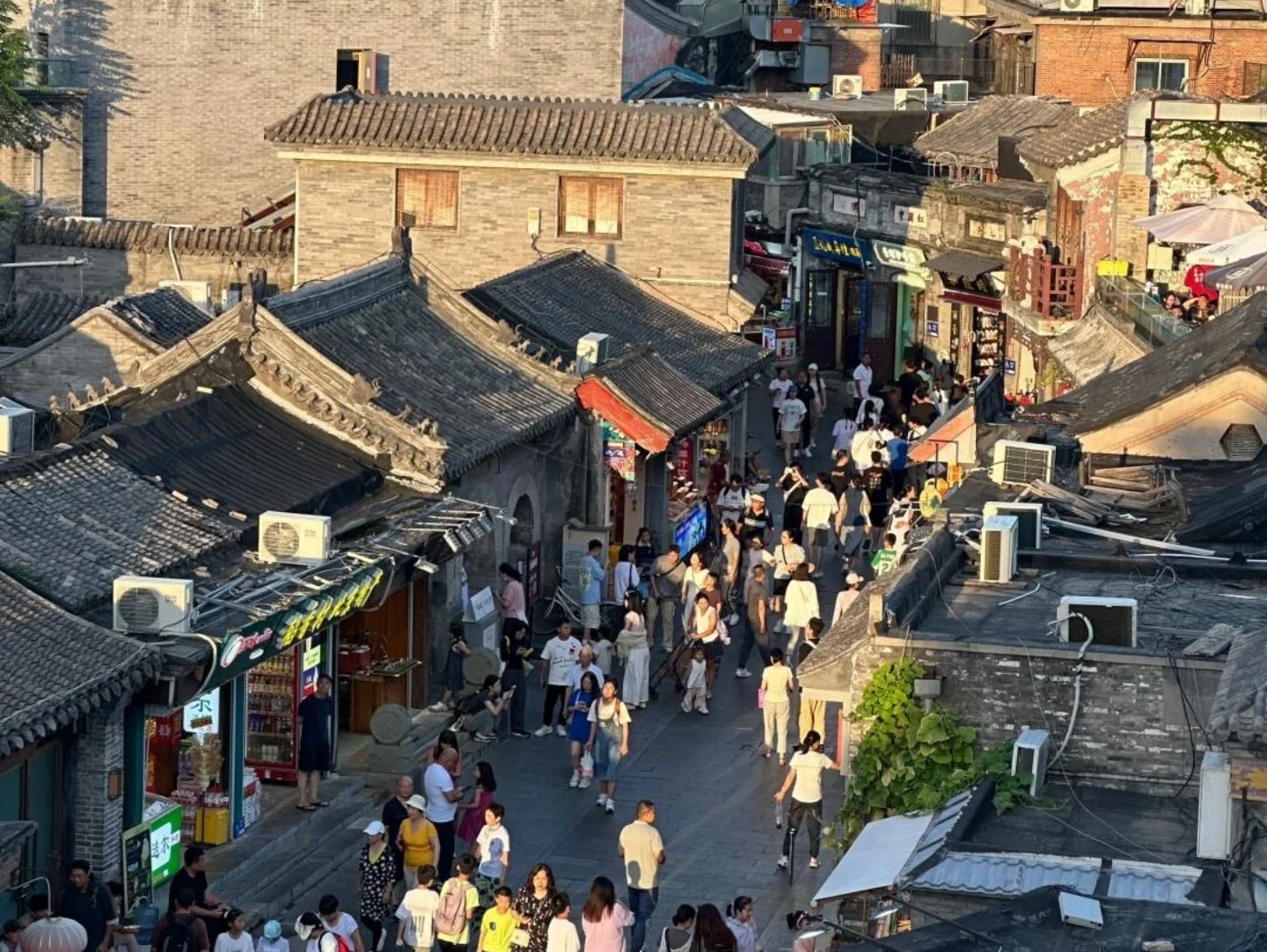
These narrow lanes developed around traditional courtyard homes known as siheyuan and once formed the social heart of old Beijing. Walking through them reveals a more intimate side of the capital, where small restaurants, family homes and local shops sit behind simple grey-brick walls.
For dinner, you may choose a casual local restaurant or begin your journey with Beijing’s celebrated Peking duck, historically associated with imperial cuisine.
Tonight is about settling into China rather than rushing immediately into sightseeing.
Tomorrow, your journey begins properly in the mountains north of Beijing, where the Great Wall climbs across the landscape.
Meals: None
Accommodation: Hotel in Beijing
Tour Highlights: Airport welcome, private transfer, introduction to Beijing and optional hutong exploration
DAY 2: BEIJING – JUYONG PASS GREAT WALL, JADE CULTURE & OLYMPIC ARCHITECTURE
After breakfast, leave central Beijing and travel north towards the mountains surrounding the capital.
Your destination is the legendary Great Wall of China at Juyong Pass, located approximately 1.5–2 hours from central Beijing depending on traffic.

The approach gradually changes from urban development to mountain scenery.
Juyong Pass occupies a strategic valley and historically served as one of the important defensive corridors protecting Beijing from forces approaching from the north.
As you arrive, sections of the Wall rise sharply along the mountainsides, connecting watchtowers and fortified gates.
Walking onto the ancient ramparts is one of those travel experiences that photographs rarely prepare you for.
The Wall follows the natural contours of the mountains rather than cutting straight through them, climbing steep slopes before disappearing across distant ridges.
Your guide will explain how the Great Wall was constructed and reinforced by different Chinese states and dynasties over centuries.
It was never one uninterrupted structure built at a single moment.
Instead, it developed as an enormous network of walls, towers, garrisons and communication systems designed to control frontier regions and protect strategic passes.
Juyong’s position made it especially important because any army moving through this valley could potentially threaten the capital.
Walk at your own pace.
Energetic travellers may continue towards higher watchtowers, while those preferring a more relaxed experience can remain around the lower fortifications and enjoy the views.
After leaving the Great Wall, return towards Beijing and visit a jade workshop.
Jade occupies a special position in Chinese culture. For thousands of years, it has been valued not only for its beauty but also for symbolic associations with purity, virtue, wisdom, protection and social status.
Observe artisans shaping and polishing the stone while learning how jade has been used for jewellery, ritual objects and decorative works throughout Chinese history.
Later, stop near the iconic Bird’s Nest National Stadium and Water Cube.
Created for the Beijing Olympic Games, these futuristic structures represent a very different China from the ancient Wall visited earlier.
That contrast is one of the themes running throughout this journey.
China is rarely only ancient or only modern.
Both worlds often appear within the same day.
Return to your hotel in the late afternoon.
Meals: Breakfast
Accommodation: Hotel in Beijing
Tour Highlights: Juyong Pass Great Wall, mountain scenery, jade craftsmanship, Bird’s Nest and Olympic Beijing
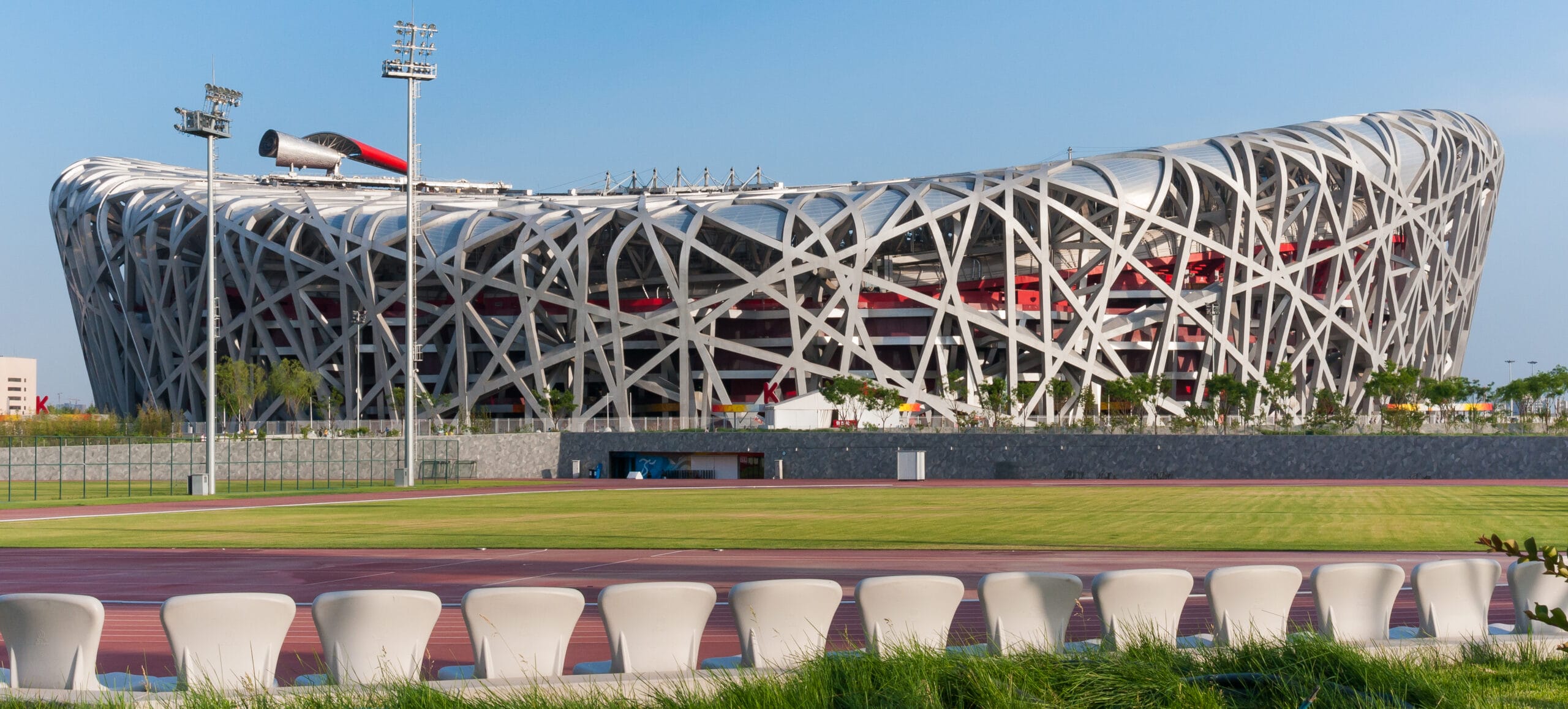
Olympic Stadium (Bird’s Nest)
DAY 3: BEIJING – TIANANMEN SQUARE, FORBIDDEN CITY, SUMMER PALACE & HONGQIAO MARKET
Today enters the ceremonial heart of imperial Beijing.
Begin at Tiananmen Square, an enormous public space surrounded by important national buildings and aligned with the historic central axis of the capital.
From here, continue towards the imposing entrance of the Forbidden City.
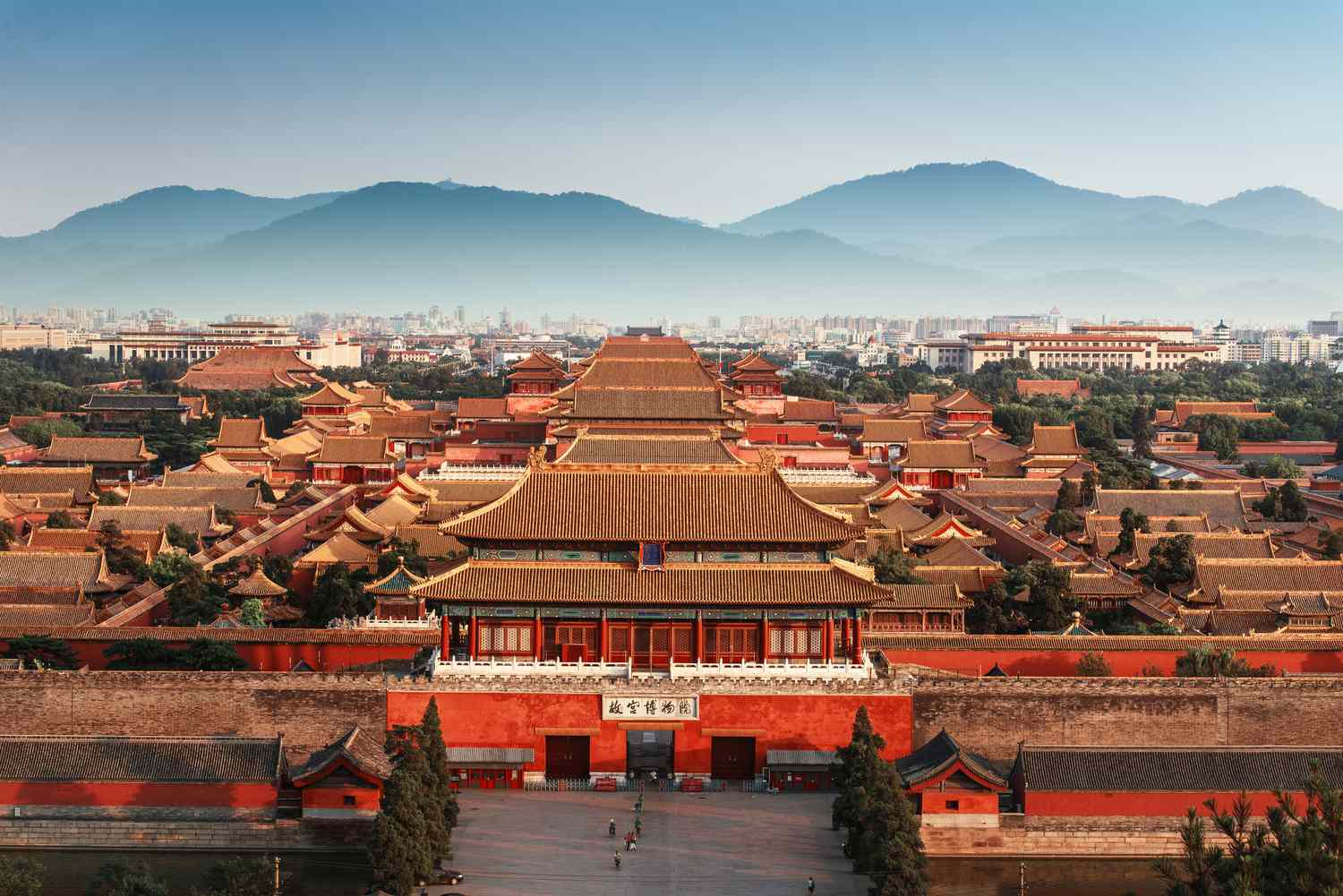
For nearly five centuries, this enormous palace complex served as the residence of the emperors of the Ming and Qing dynasties and as the political centre of the Chinese empire.
Passing through its gates once meant entering a world controlled by hierarchy, ritual and strict imperial protocol.
Today, walking through its successive courtyards allows you to understand just how carefully architecture was used to express political authority.
Grand halls stand on elevated marble terraces. Red walls and yellow roofs dominate the visual landscape. Dragons, lions and mythical creatures appear in decorative details associated with power and protection.
Your guide will help transform these monumental buildings into human stories.
Behind the formal ceremonies were emperors, empresses, concubines, scholars, guards and court officials whose lives were governed by elaborate rules.
As you move from the great ceremonial halls towards more private residential areas, the palace gradually feels less like an abstract monument and more like an enormous enclosed community.
In the afternoon, leave the formality of the imperial palace and travel to the Summer Palace.

Built around Kunming Lake and Longevity Hill, the complex was designed as a royal retreat.
Here, classical Chinese architecture blends with gardens, wooded slopes and water.
Walk through part of the famous Long Corridor, decorated with thousands of painted scenes inspired by landscapes, mythology, literature and history.
The atmosphere is intentionally different from the Forbidden City.
Where the imperial palace communicates control, the Summer Palace expresses harmony.
It reflects the classical Chinese belief that carefully designed architecture should work with nature rather than dominate it.
Later, continue to Hongqiao Market, where imperial history gives way to energetic commercial life.
Browse handicrafts, accessories, souvenirs and local products while experiencing a very different side of Beijing.
Return to the hotel in the late afternoon.
Tomorrow, the journey leaves the imperial capital and moves towards one of China’s most fascinating cultural landscapes: Mount Song and the Shaolin Temple.
Meals: Breakfast
Accommodation: Hotel in Beijing
Tour Highlights: Tiananmen Square, Forbidden City, Summer Palace, Kunming Lake, Long Corridor and Hongqiao Market
DAY 4: BEIJING – ZHENGZHOU – DENGFENG – SHAOLIN TEMPLE – LUOYANG
Today marks a powerful change in the character of your journey.
After breakfast, transfer to Beijing railway station and board a modern high-speed train to Zhengzhou, with the journey typically taking around three to four hours depending on the selected service.
Upon arrival, meet your local guide and continue by road towards Dengfeng, situated near the sacred landscape of Mount Song.
This region occupies a unique position in Chinese cultural history.
Imperial capitals represented political power.
Mount Song became associated with something different: spiritual cultivation, religious learning and the disciplined traditions that later became inseparable from the global image of Chinese martial arts.
Your destination is the legendary Shaolin Temple.
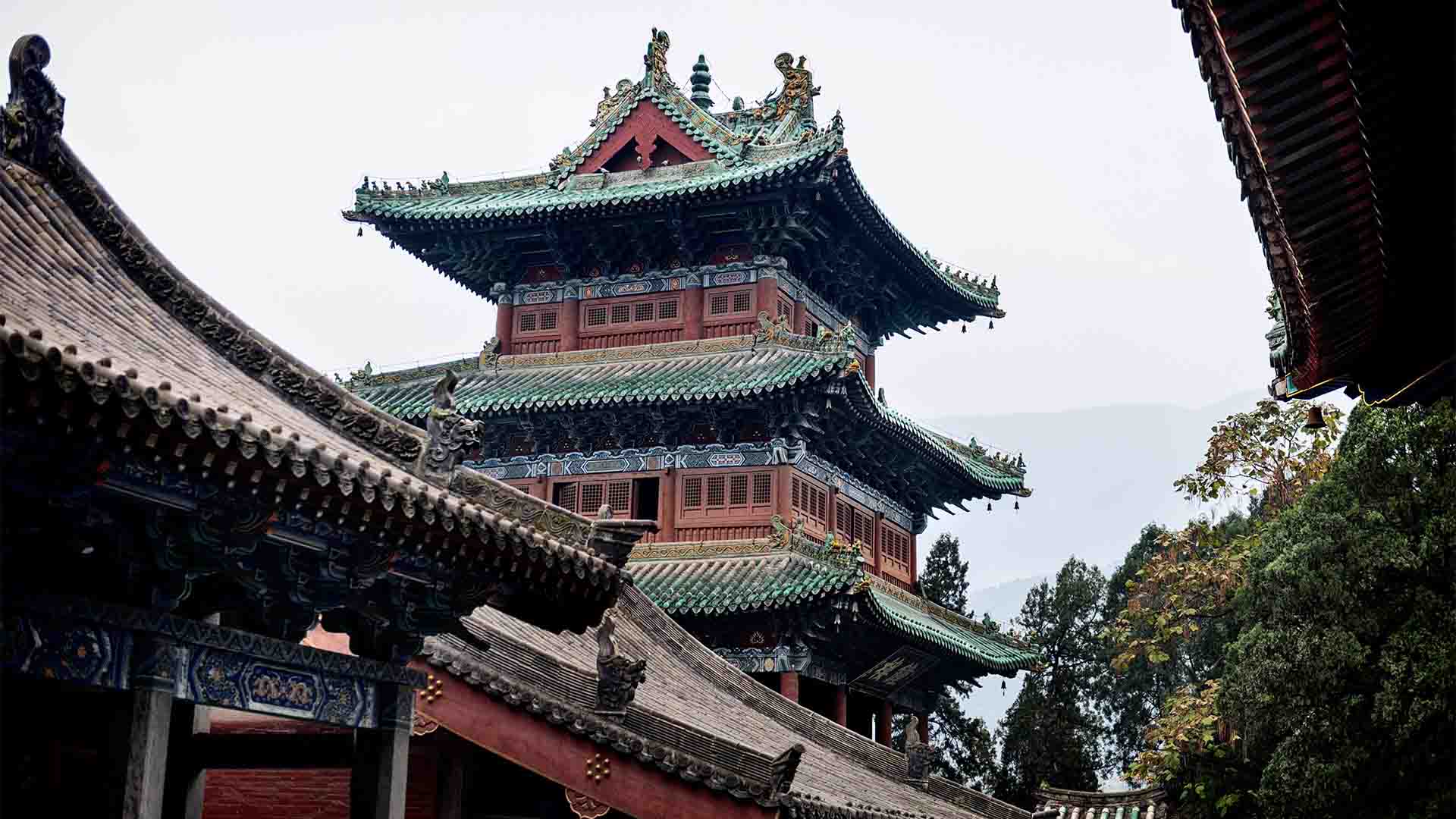
Founded more than fifteen centuries ago, Shaolin became deeply connected with Chan Buddhism, better known internationally by its Japanese-derived name, Zen Buddhism.
The temple is also widely associated with the development and preservation of Chinese Kung Fu traditions.
Yet understanding Shaolin requires looking beyond spectacular kicks and physical demonstrations.
Historically, martial discipline was closely connected with concentration, control, repetition and the training of both body and mind.
Walk through the temple’s historic courtyards and halls while your guide introduces its religious background and changing fortunes through Chinese history.
Incense, ancient trees and traditional architecture create a surprisingly reflective atmosphere compared with the dramatic reputation of Shaolin martial arts.

Continue to the remarkable Pagoda Forest, where numerous brick and stone pagodas commemorate generations of respected Shaolin monks.
The different forms and sizes provide clues to rank, historical period and individual significance.
Depending on current operating arrangements, attend a Shaolin Kung Fu performance.
The demonstration may include rapid forms, weapon techniques, balance and impressive physical conditioning.
Rather than treating the show simply as entertainment, consider the extraordinary repetition and mental discipline required to master each movement.
This is the essential lesson of Shaolin:
strength without control is incomplete.
After your visit, continue overland towards Luoyang, one of the great ancient capitals of China.
Check into your hotel and enjoy the evening at leisure.
In a single day, the journey has shifted from imperial Beijing to a world shaped by monks, meditation and martial discipline.
Meals: Breakfast
Accommodation: Hotel in Luoyang
Travel: High-speed train Beijing – Zhengzhou; road transfer to Dengfeng and Luoyang
Tour Highlights: Mount Song, Shaolin Temple, Zen Buddhist heritage, Pagoda Forest and Kung Fu performance
DAY 5: LUOYANG – LONGMEN GROTTOES – HIGH-SPEED TRAIN TO XI’AN
After breakfast, travel to one of China’s greatest repositories of Buddhist art: the magnificent Longmen Grottoes.
Set along limestone cliffs beside the Yi River near Luoyang, the grottoes preserve an extraordinary collection of Buddhist sculptures created across several centuries.
Thousands upon thousands of figures occupy caves, niches and cliff faces.
Some are only a few centimetres high.
Others rise dramatically above the visitor.
Together they form a remarkable visual record of the spread and development of Buddhism in China.
Walk along the river and gradually explore the carved cliff.
The experience is not simply about counting statues.
Look carefully and different artistic styles begin to emerge.
Facial expressions, robes, body proportions and decorative elements changed over time, reflecting shifts in religious thought, political patronage and artistic influence.
Among the most celebrated sections is the monumental Fengxian Temple, where a great seated Buddha dominates the surrounding figures.
The scale is impressive, but the calm expression of the sculpture often makes the strongest impression.
Your guide will explain how Luoyang became an important centre of Buddhist culture and how rulers, wealthy families, monks and ordinary believers sponsored carvings as expressions of faith.
This creates a fascinating continuation from yesterday.
At Shaolin, Buddhism was encountered through meditation and martial discipline.
At Longmen, the same religious tradition appears through sculpture and artistic devotion.
After the visit, transfer to Luoyang railway station and board a high-speed train to Xi’an, usually taking approximately 1.5–2 hours depending on the service.
Xi’an represents another major chapter of Chinese history.
Known historically as Chang’an, the city served as the capital of several dynasties and stood at the eastern gateway of the ancient Silk Road.
Upon arrival, meet your local guide and transfer to the hotel.
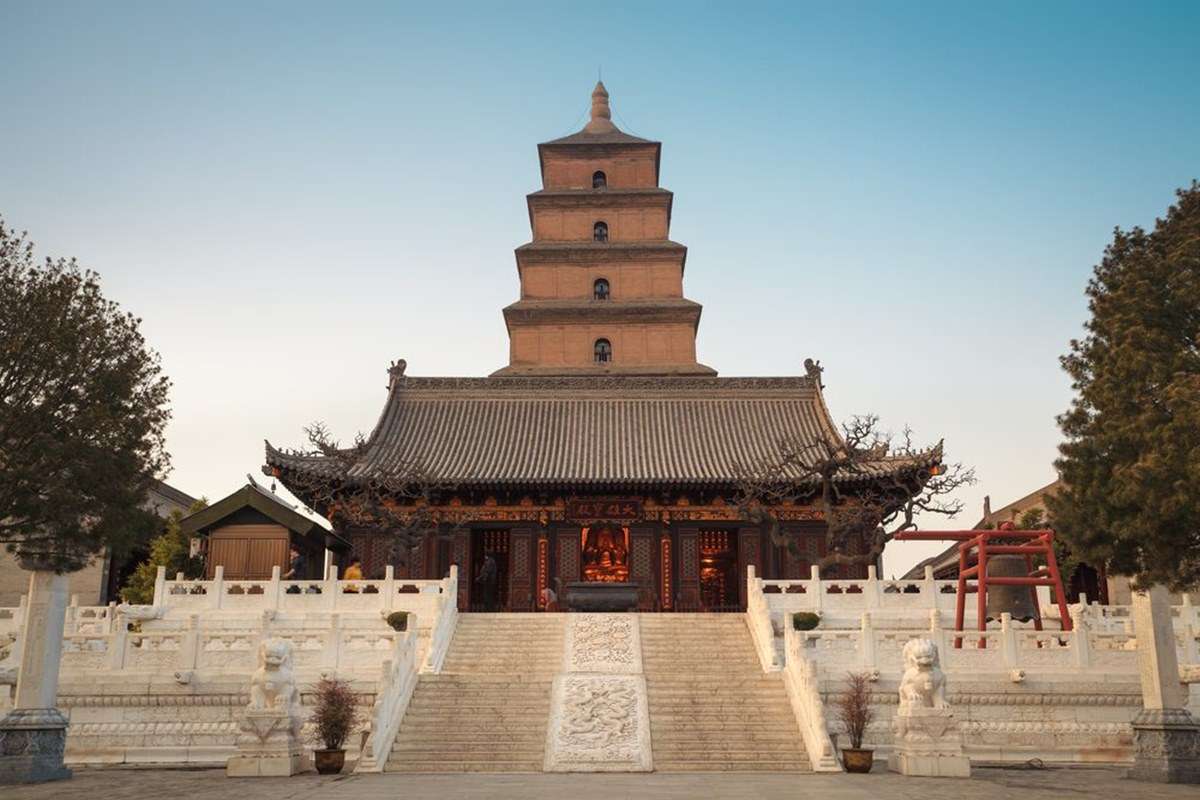
Later, depending on timing, visit Big Wild Goose Pagoda Square.
The pagoda is closely associated with the famous monk Xuanzang, whose seventh-century journey to India brought important Buddhist scriptures back to China.
His story creates another meaningful connection with the Buddhist heritage encountered earlier today.
As evening falls, the surrounding public square becomes lively with local residents walking and socialising. When operating, the fountain display combines music, water and lights.
Return to the hotel for the night.
Tomorrow, the journey shifts from Buddhist devotion to imperial ambition with the extraordinary Terracotta Army.
Meals: Breakfast
Accommodation: Hotel in Xi’an
Travel: Luoyang – Xi’an by high-speed train
Tour Highlights: Longmen Grottoes, Buddhist art, Yi River, high-speed rail and Big Wild Goose Pagoda Square
DAY 6: XI’AN – TERRACOTTA WARRIORS, CERAMIC TRADITIONS, ANCIENT CITY WALL & MUSLIM STREET
After breakfast, travel outside Xi’an for one of the greatest archaeological experiences in China: the Terracotta Army.
The warriors were created for the immense funerary complex of Qin Shi Huang, the ruler who unified competing states and became the first emperor of a unified China.
For more than two thousand years, the underground army remained hidden.
Then, in 1974, local farmers digging a well accidentally uncovered fragments of terracotta figures.
Subsequent excavations revealed a vast military formation of life-sized soldiers, horses and chariots.
Entering the main excavation hall is an extraordinary moment.
Row after row of warriors stands in silence, facing forward as though still awaiting an imperial command.
From a distance, the figures can appear uniform.
Look closer.
Different hairstyles, armour, clothing and facial features indicate rank and military function.
Infantrymen stand beside officers, archers and cavalry units.
Although the figures are now largely earth-coloured, many were originally brightly painted.
Your guide will explain the enormous organisational effort required to produce the army and how the site reflects the extraordinary ambition of Qin Shi Huang.
The emperor sought not merely to rule China during his lifetime but to reproduce elements of his earthly empire for the afterlife.
Afterwards, visit a traditional crockery or ceramic workshop.
The stop offers an opportunity to see how clay is shaped and fired and provides a direct connection with some of the techniques associated with the production of terracotta figures.
Return to Xi’an city and stop near the magnificent Ancient City Wall.
Largely dating from the Ming period, the walls form one of China’s best-preserved historic urban fortification systems.
Their broad ramparts and gateways provide an immediate sense of Xi’an’s strategic importance.
Later, continue to the lively Muslim Quarter.
The atmosphere here could not be more different from the disciplined silence of the Terracotta Army.
Narrow streets are filled with vendors preparing noodles, grilled meats, flatbread, dumplings and sweet local snacks.
The neighbourhood reflects centuries of contact between Chinese and Islamic cultures through the Silk Road.
For travellers, this is where ancient trade history becomes something tangible.
You can see it in architecture, smell it in spices and taste it in food.
Return to your hotel after a day moving from imperial archaeology to the multicultural legacy of the Silk Road.
Meals: Breakfast
Accommodation: Hotel in Xi’an
Tour Highlights: Terracotta Warriors, Qin Dynasty history, ceramic craftsmanship, Ancient City Wall and Muslim Quarter
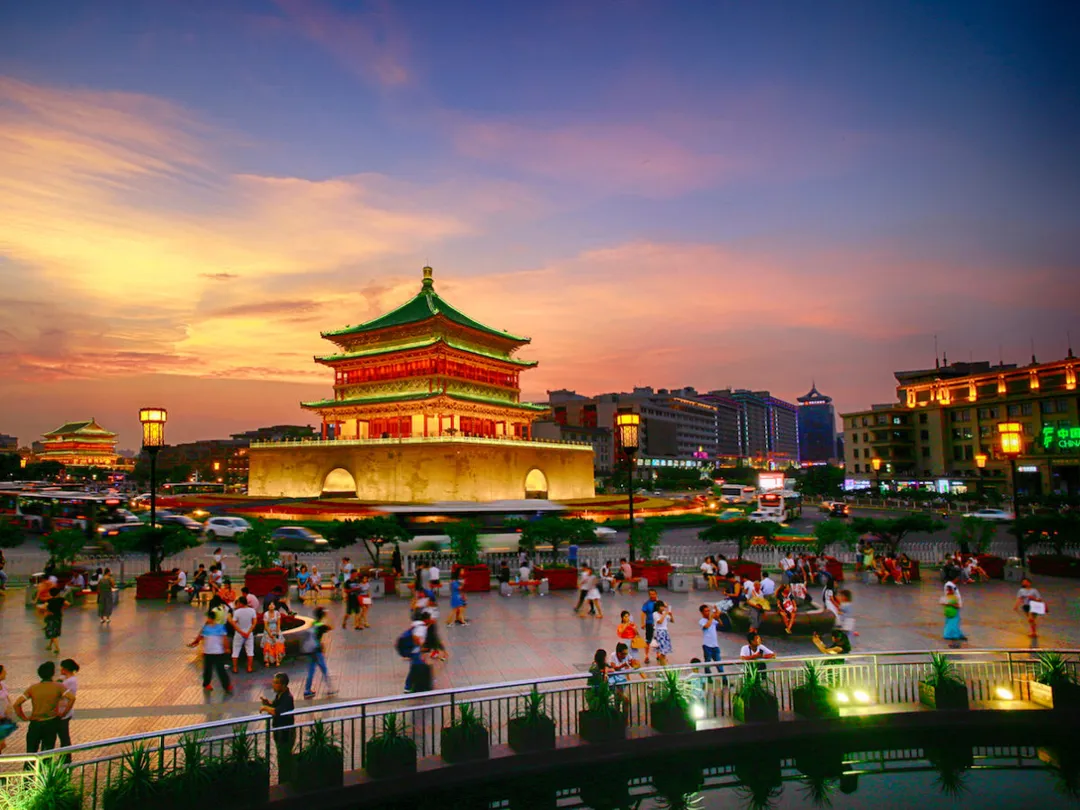
DAY 7: XI’AN – SHANGHAI – FROM ANCIENT CAPITAL TO MODERN METROPOLIS
After breakfast, check out of your hotel and transfer to the airport or railway station for the journey to Shanghai.
Depending on the confirmed arrangement, travel by domestic flight, generally around 2.5 hours, or by high-speed train, typically around six hours.
The transition is one of the strongest contrasts of the entire tour.
Xi’an is a city defined by ancient capitals, archaeology and Silk Road memory.
Shanghai looks firmly towards the future.
Upon arrival, meet your local guide and transfer to the hotel.
The journey into central Shanghai immediately reveals the different scale and personality of the city.
Elevated highways pass residential towers and business districts while the skyline gradually rises ahead.
Shanghai developed from a riverside settlement into one of Asia’s great international trading cities.
During the nineteenth and early twentieth centuries, Chinese merchants, overseas trading companies, banks and shipping businesses transformed its commercial importance.
That period left behind a distinctive architectural heritage, particularly around the Bund and former international concession areas.
Today, historic neighbourhoods coexist with a metropolis of glass towers, high-speed infrastructure, luxury shopping and global finance.
After hotel check-in, the remainder of the day is free.
This slower afternoon is useful after several consecutive days of historical sightseeing and transport.
Depending on your arrival time, you may explore independently around the hotel or take an optional evening walk along the Huangpu River.
Shanghai after dark provides one of the most dramatic city views in Asia.
On one bank, the historic buildings of the Bund glow beneath warm architectural lighting.
Across the river, the futuristic skyscrapers of Pudong create an entirely different skyline.
The scene provides a visual summary of modern Shanghai:
the past and future looking directly at one another across the same river.
Enjoy dinner independently.
Shanghai cuisine provides another change after the stronger flavours of northern and central China. Dishes often make greater use of delicate sauces and slightly sweeter seasoning.
Return to your hotel for a restful evening.
Tomorrow, your final full sightseeing day explores the traditional craftsmanship, old neighbourhood atmosphere and spectacular modern skyline of Shanghai.
Meals: Breakfast
Accommodation: Hotel in Shanghai
Travel: Xi’an – Shanghai by domestic flight or high-speed train
Tour Highlights: Arrival in Shanghai, modern cityscape and optional Huangpu River evening walk
DAY 8: SHANGHAI – PEOPLE’S SQUARE, SILK HERITAGE, YUYUAN BAZAAR, JIN MAO TOWER & THE BUND
Your final full day of sightseeing explores Shanghai through a series of striking contrasts.
Begin at People’s Square, one of the civic centres of modern Shanghai.
Surrounded by important cultural institutions, contemporary architecture and public gardens, the area provides a useful introduction to the scale and organisation of the city.
Continue to a silk factory or silk cultural centre.
Silk has played an enormous role in Chinese history.
Long before modern international trade, Chinese silk was highly valued across Asia, the Middle East and Europe.
Demand for this remarkable fabric helped give the ancient Silk Road its enduring name.
During your visit, learn how silkworm cocoons are carefully processed to produce fine threads.
Watching the process reveals just how much patience and technical knowledge are required to transform something as delicate as a cocoon into fabric.
From silk production, move into one of Shanghai’s most atmospheric traditional districts at Yuyuan Bazaar.
The area is filled with decorative roofs, narrow pedestrian passages, teahouses, shops and snack stalls.
Despite the modern commercial activity, the architectural style creates a vivid impression of an older Shanghai.
Browse handicrafts, sample local snacks or simply enjoy the colourful atmosphere.
Later, cross into the futuristic Pudong district and ascend the Jin Mao Tower.
From its elevated observation level, the scale of Shanghai becomes extraordinary.
The Huangpu River bends through the metropolis while skyscrapers extend far into the distance.
Standing above the city provides the perfect context for your next stop: The Bund.
Walk along the waterfront past historic trading houses, hotels and former banks.
Across the river, Pudong’s skyscrapers rise almost directly opposite.
Few urban views communicate China’s transformation more powerfully.
Behind you stands the architecture of international commerce from another era.
Ahead of you stands twenty-first-century China.
Take your time here.
The Bund is not simply a place to photograph a skyline.
It is a visual lesson in how Shanghai reinvented itself while still carrying the architectural memory of its past.
Depending on the final programme and your energy level, continue into the surrounding commercial areas or enjoy some independent shopping.
For your final night, an optional Huangpu River cruise is highly recommended.
Seeing both sides of Shanghai illuminated from the river provides a fitting conclusion to a journey that began among ancient walls and Buddhist monasteries.
Meals: Breakfast
Accommodation: Hotel in Shanghai
Tour Highlights: People’s Square, silk production, Yuyuan Bazaar, Jin Mao Tower, Pudong and The Bund
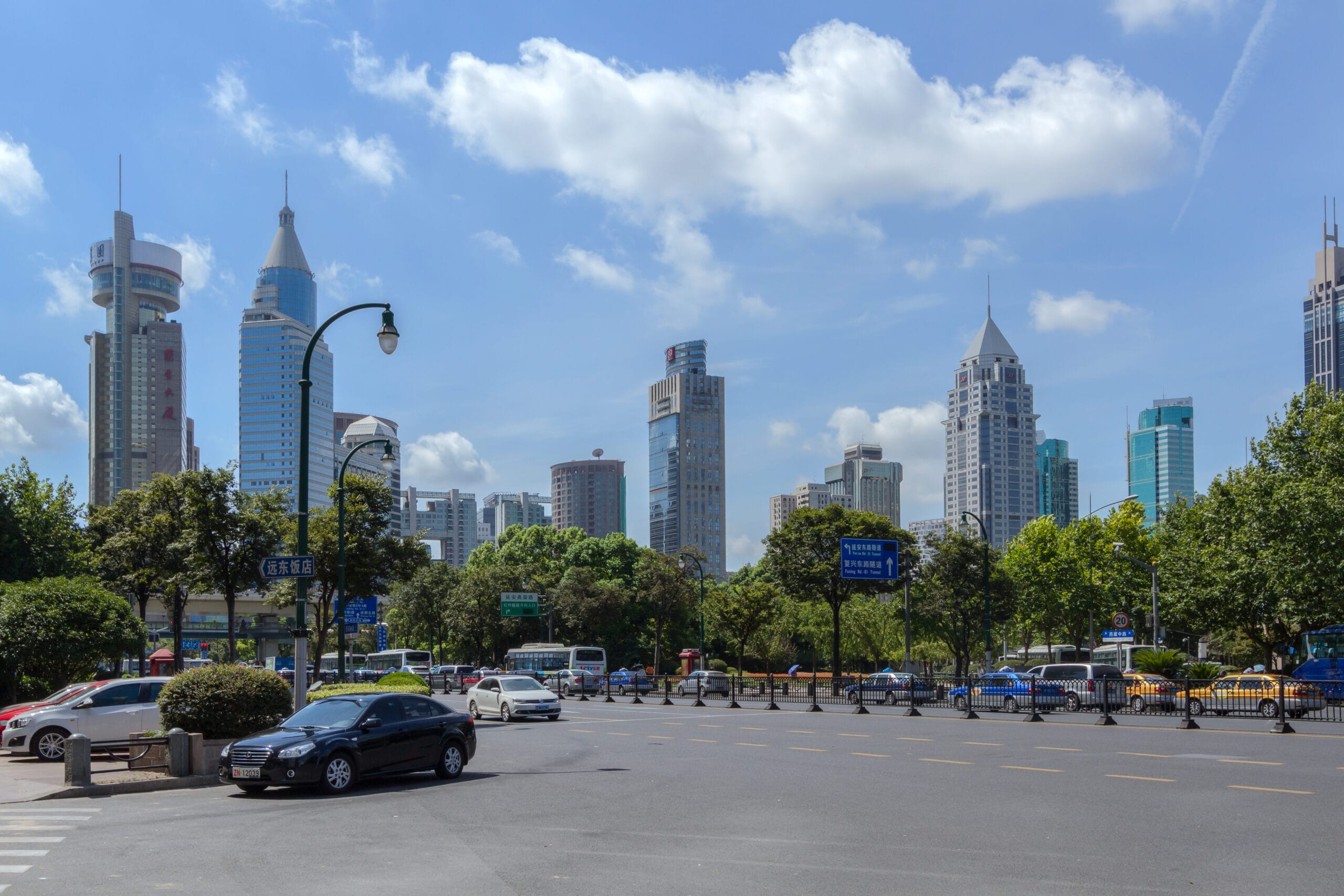
DAY 9: SHANGHAI DEPARTURE – FAREWELL TO CHINA
Enjoy breakfast at your hotel and some final free time depending on your departure schedule.
At the appointed time, meet your private driver and transfer to Shanghai Pudong International Airport or Hongqiao Airport for your onward journey.
As the tour comes to an end, look back at just how much of China’s cultural identity has unfolded over nine days.
Beijing introduced a world shaped by emperors and imperial authority.
You walked along the Great Wall, crossed the ceremonial courtyards of the Forbidden City and discovered how classical Chinese garden design transformed the Summer Palace into a landscape of harmony.
Then came a completely different China.
At Mount Song, the Shaolin Temple revealed the relationship between physical discipline and spiritual cultivation.
Kung Fu became more than a performance.
It became a doorway into ideas of concentration, balance, repetition and inner control.
In Luoyang, those spiritual traditions appeared again through art.
Thousands of Buddhist figures carved into the cliffs of Longmen demonstrated how religious belief could be transformed into some of China’s most extraordinary sculpture.
Xi’an then returned the journey to the world of emperors.
The Terracotta Warriors revealed the ambitions of China’s first emperor, while Muslim Street told another story—one shaped by merchants, cultural exchange and the ancient Silk Road.
Finally, Shanghai brought you into modern China.
Traditional silk-making, historic architecture and old commercial districts now exist alongside high-rise towers and one of the world’s most recognisable urban skylines.
That progression gives the journey its real meaning.
It is not simply a tour of famous landmarks.
It is a journey through different ways China has expressed power, belief, discipline, creativity and ambition.
Emperors built palaces.
Monks cultivated the mind.
Artists carved mountains.
Warriors guarded eternity.
Modern China built towards the sky.
Your Imperial China & Martial Arts Discovery ends today, but these different faces of China will remain long after you return home.
Meals: Breakfast
Accommodation: None
Service: Private airport transfer
Tour Conclusion: End of services
FREQUENTLY ASKED QUESTIONS
What makes this tour different from a classic Beijing–Xi’an–Shanghai itinerary?
The addition of Shaolin Temple and Longmen Grottoes gives the journey much greater cultural depth. Travellers experience not only imperial China, but also Zen Buddhism, Kung Fu heritage and Buddhist art.
Is this a private tour?
Yes. The core sightseeing programme is designed with private transportation and English-speaking local guides.
Is the tour suitable for first-time visitors to China?
Absolutely. It includes essential landmarks such as the Great Wall, Forbidden City, Terracotta Warriors and Shanghai while adding less conventional cultural experiences in Dengfeng and Luoyang.
Do we actually learn Kung Fu on this tour?
The standard itinerary focuses on discovering Shaolin history and observing a Kung Fu performance when available. A private introductory Kung Fu class can be added on request.
Is Shaolin Temple really the birthplace of Chinese Kung Fu?
Shaolin Temple has become one of the world’s best-known centres associated with Chinese martial arts and is particularly famous for the relationship between Shaolin martial traditions and Chan Buddhist practice.
Is the tour suitable for senior travellers?
Yes, particularly for active seniors. Private transportation reduces unnecessary walking, although guests should be comfortable with stairs and uneven historic surfaces.
What is the best time to take this tour?
Spring and autumn are generally the most comfortable seasons, especially April–May and September–October.
Are domestic flights and trains included?
The exact inclusion of high-speed trains and domestic flights should be clearly stated in the final quotation.
Are lunches and dinners included?
Daily hotel breakfast is normally included. Other meals depend on the final quotation and may be left flexible so travellers can explore local cuisine.
Can vegetarian meals be arranged?
Yes. Advance notice is recommended so guides can select appropriate local restaurants.
Is gluten-free food easy to arrange?
Strict gluten-free dining can be more difficult because soy sauce, noodles and shared cooking areas are common. Advance planning is recommended.
Can we add an evening Huangpu River cruise?
Yes. It is one of the best optional experiences for viewing Shanghai’s skyline after dark.
Is this itinerary suitable for photographers?
Very much so. The tour provides architectural, cultural, portrait, religious and urban subjects ranging from Shaolin monks and Buddhist sculpture to the Great Wall and Shanghai skyline.
Can the tour be extended?
Yes. Popular additions include Chengdu and Giant Pandas, Zhangjiajie, Guilin and Yangshuo, or a Yangtze River cruise.