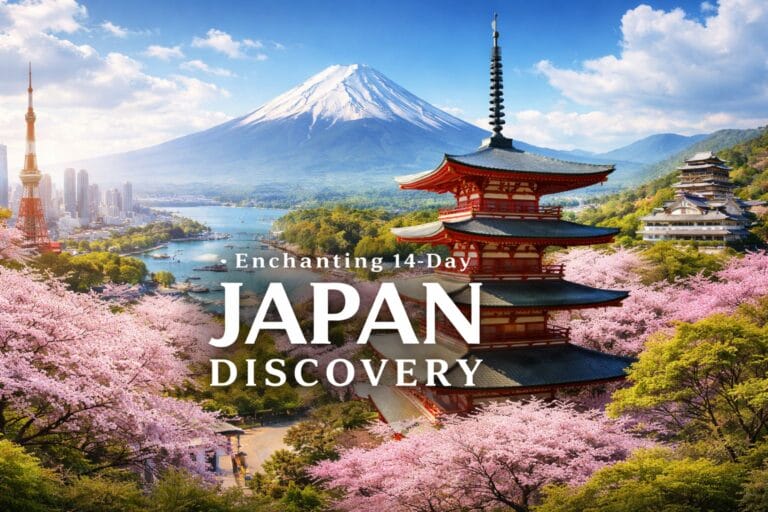
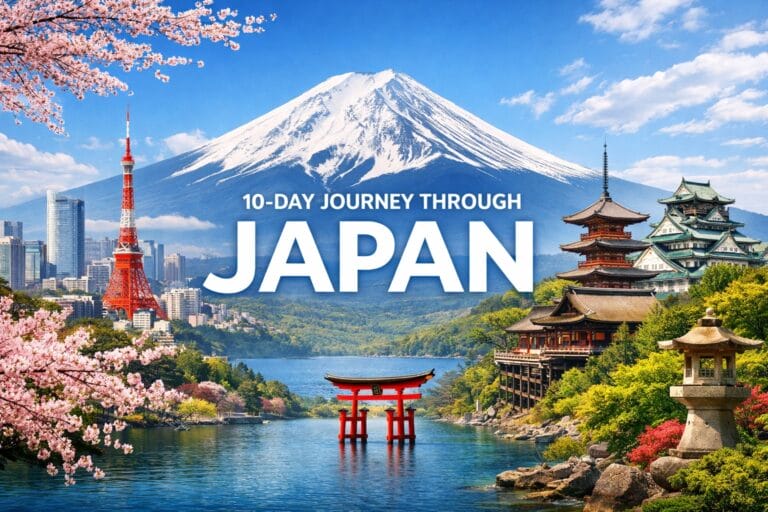
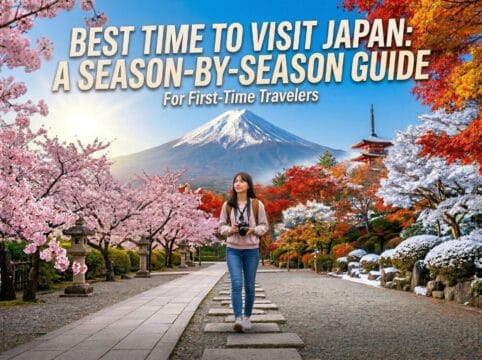
10-Day Japan Discovery Tour from Tokyo to Osaka via Kyoto
Overview
Discover Japan through a beautifully balanced 10-day journey from Tokyo to Osaka, blending futuristic city life, sacred traditions, spectacular landscapes and deeply moving history. Explore Tokyo’s imperial gardens, historic Asakusa and dynamic shopping districts before travelling towards Mt. Fuji, Lake Kawaguchiko and the volcanic landscapes of Hakone. Continue by Japan’s famous bullet train to Kyoto, where Zen gardens, bamboo groves, golden temples and Gion reveal the refined spirit of old Japan. Meet Nara’s celebrated deer, walk beneath the vermilion torii gates of Fushimi Inari and travel onward to Hiroshima and sacred Miyajima. The journey finishes in vibrant Osaka with panoramic city views, its great castle and atmospheric food-and-shopping streets. Designed for first-time visitors, this itinerary captures Japan through meaningful contrasts—ancient and modern, meditative and energetic, natural and urban.
Tour Route Map
TOUR AT A GLANCE:
|
DAY |
TRIP SUMMARY |
MEALS |
| 01 | ARRIVAL | None |
| 02 | TOKYO CITY SIGHTSEEING | B |
| 03 | FREE LEISURE ON YOUR OWN | B |
| 04 | KAWAGUCHIKO LAKE – CHUREITO PAGODA – OWAKUDANI VOLCANO VALLEY – LAKE ASHI – TRAVEL TO KYOTO | B |
| 05 | ARASHIYAMA – KYOTO SIGHTSEEING | B |
| 06 | TODAIJI TEMPLE – NARA PARK – KASUGA TAISHA – FUSHIMI INARI SHRINE | B |
| 07 | HIROSHIMA – TRAVEL TO OSAKA | B |
| 08 | UMEDA SKY BUILDING – OSAKA CASTLE – SHOPPING DISTRICTS | B |
| 09 | FREE LEISURE ON YOUR OWN | B |
| 10 | FLY TO THE NEXT DESTINATION | B |
DETAILED DAY-BY-DAY ITINERARY:
DAY 01: ARRIVAL IN TOKYO – WELCOME TO JAPAN (NONE)
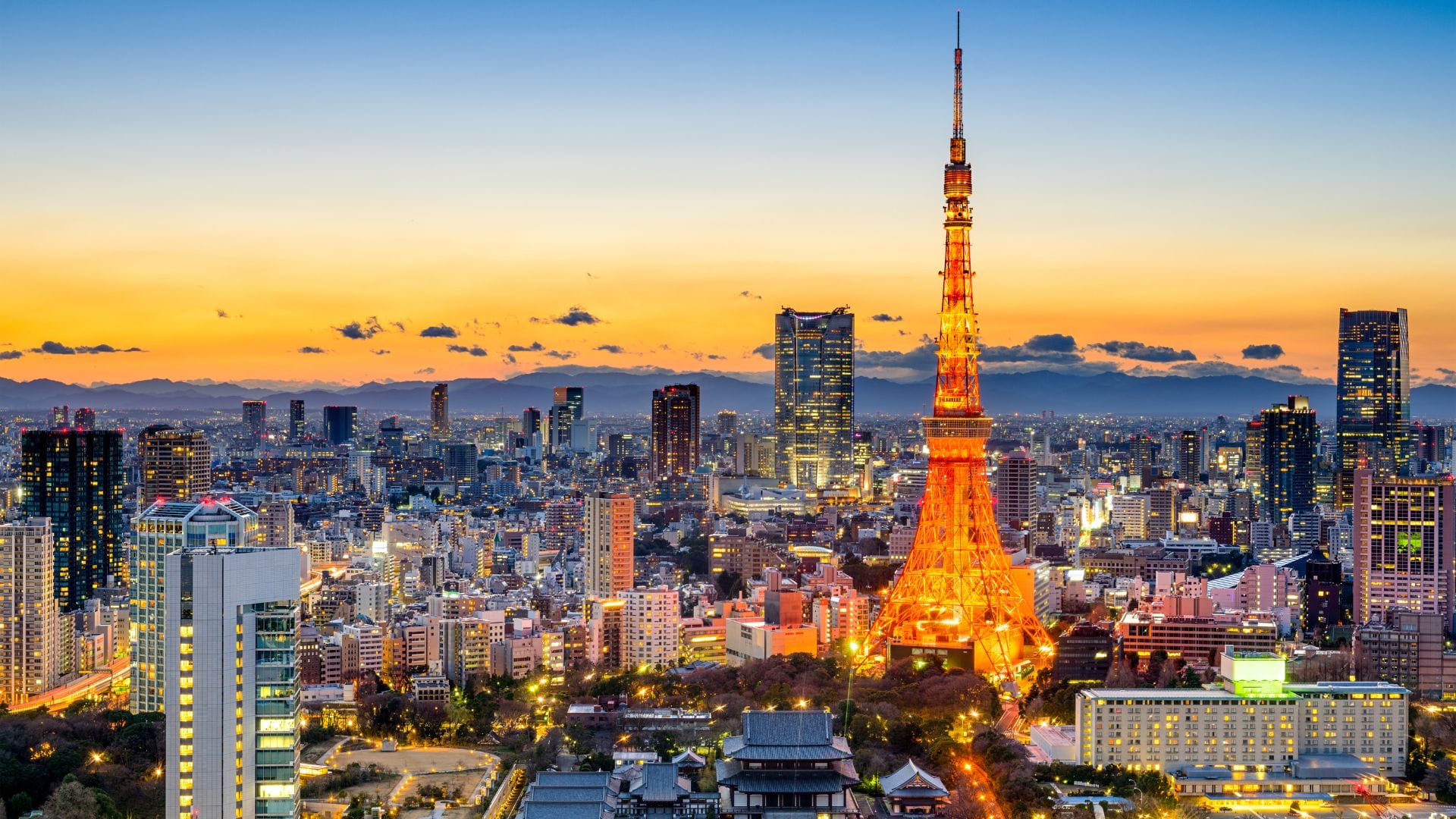
There is a special sensation when you first arrive in Tokyo. From the airport windows, Japan may initially appear intensely modern—orderly expressways, glass towers, immaculate stations and a city extending almost endlessly towards the horizon. Yet over the coming days, you will discover that beneath this contemporary surface lies a culture where centuries-old rituals, seasonal awareness and deeply rooted traditions continue to shape everyday life.
Upon arrival, meet your local representative and transfer comfortably to your hotel in Tokyo. The original program deliberately keeps the first day uncomplicated, giving you time to recover from the international flight, settle into your room and begin adjusting to Japan at a relaxed pace.
After check-in, the remainder of the day is free at leisure.
Rather than treating this as an empty afternoon or evening, think of it as your first opportunity to observe Japan without a sightseeing schedule. Step outside and notice the details: vending machines glowing beside quiet streets, tiny restaurants hidden beneath railway lines, commuters moving with remarkable efficiency and neighbourhoods where modern buildings can suddenly give way to a small shrine or carefully tended garden.
Depending on your arrival time and energy level, perhaps enjoy an easy dinner close to the hotel. Your first Japanese meal does not need to be elaborate. A bowl of noodles, grilled fish, sushi or a simple local set meal can be a wonderful introduction to one of the country’s great pleasures: food that places enormous value on freshness, presentation and seasonality.
Tonight is about arrival rather than achievement.
There will be plenty of time for landmarks tomorrow. For now, allow Tokyo to introduce itself slowly.
The city that can initially feel enormous soon becomes fascinating precisely because of its contrasts—and tomorrow, your first full sightseeing day will begin revealing them.
Highlights: Arrival in Tokyo • Airport transfer • Hotel check-in • Free time to recover from the flight • First impressions of Japan
Overnight: Tokyo – Shinagawa Prince Hotel or similar.
DAY 02: TOKYO CITY DISCOVERY (B)
Your first full day in Japan begins around 08:00 and introduces Tokyo not as one single cityscape, but as a remarkable collection of different worlds.
Start with the Imperial Palace East Gardens, part of the grounds associated with Japan’s Imperial Palace. The landscaped gardens provide a quiet introduction to the historical heart of Tokyo—an extraordinary contrast to the surrounding business districts. Stone walls, broad lawns and carefully maintained Japanese landscapes offer the first glimpse of the restraint and harmony that appear repeatedly throughout Japanese design. The original program notes that the East Garden is normally closed on Mondays.
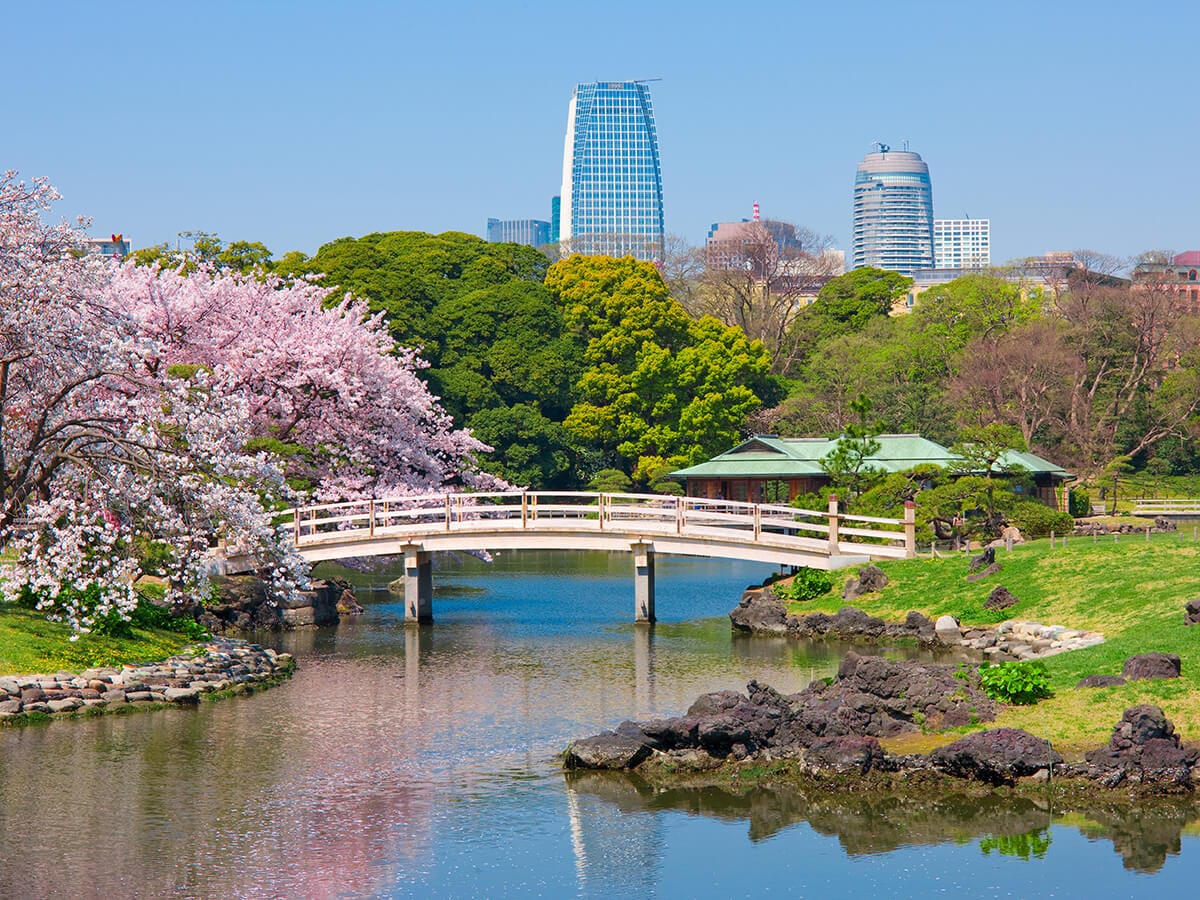
Continue to Hamarikyu Gardens, once connected with a feudal lord’s residence and later the Tokugawa shogunate. Surrounded by seawater moats, the approximately 25-hectare garden creates an almost surreal scene: traditional Japanese landscaping framed by the high-rise skyline of contemporary Tokyo.
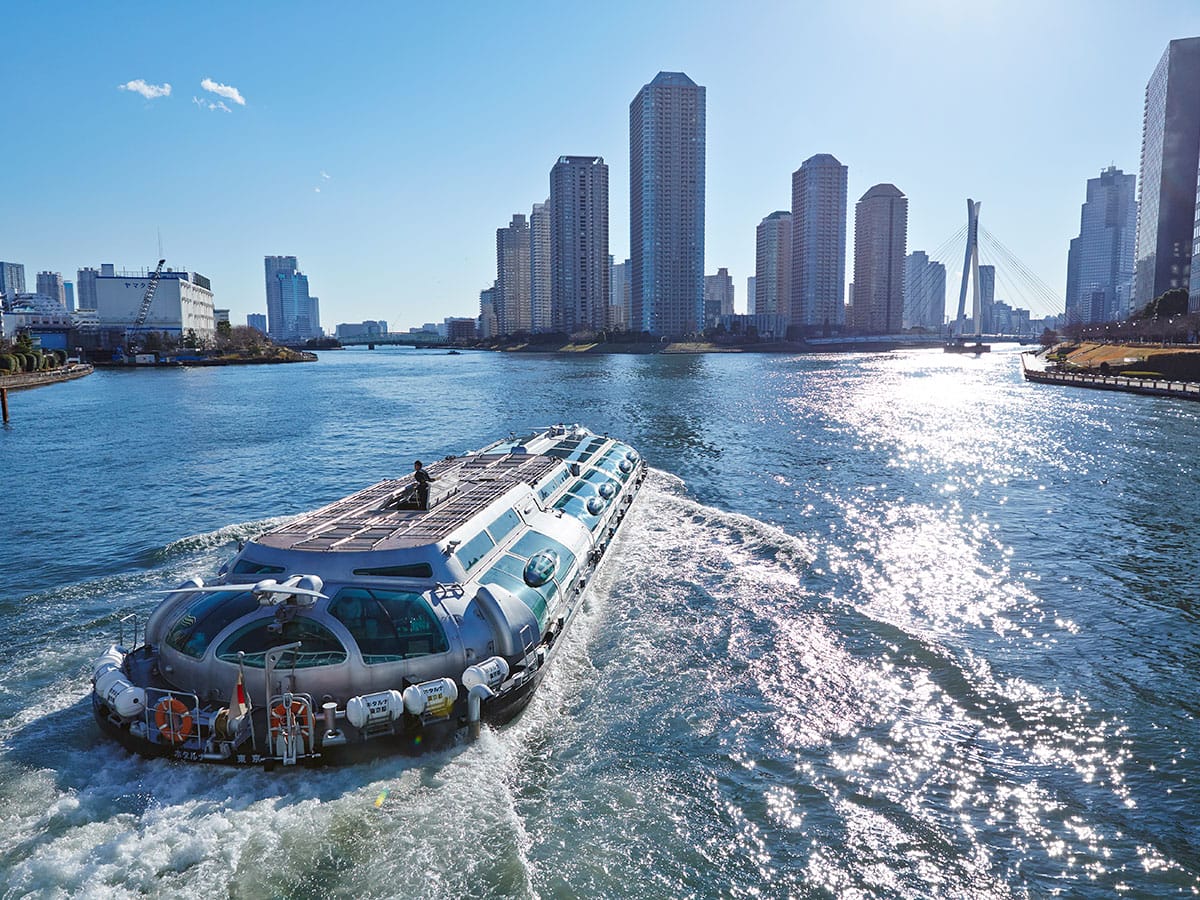
Next, experience Tokyo from another perspective with an Asakusa boat cruise. Depending on operating arrangements, the cruise may travel from Hinode Pier towards Asakusa or operate as a shorter circular sightseeing cruise from Asakusa Pier, offering views across the urban waterfront and towards Tokyo Skytree.
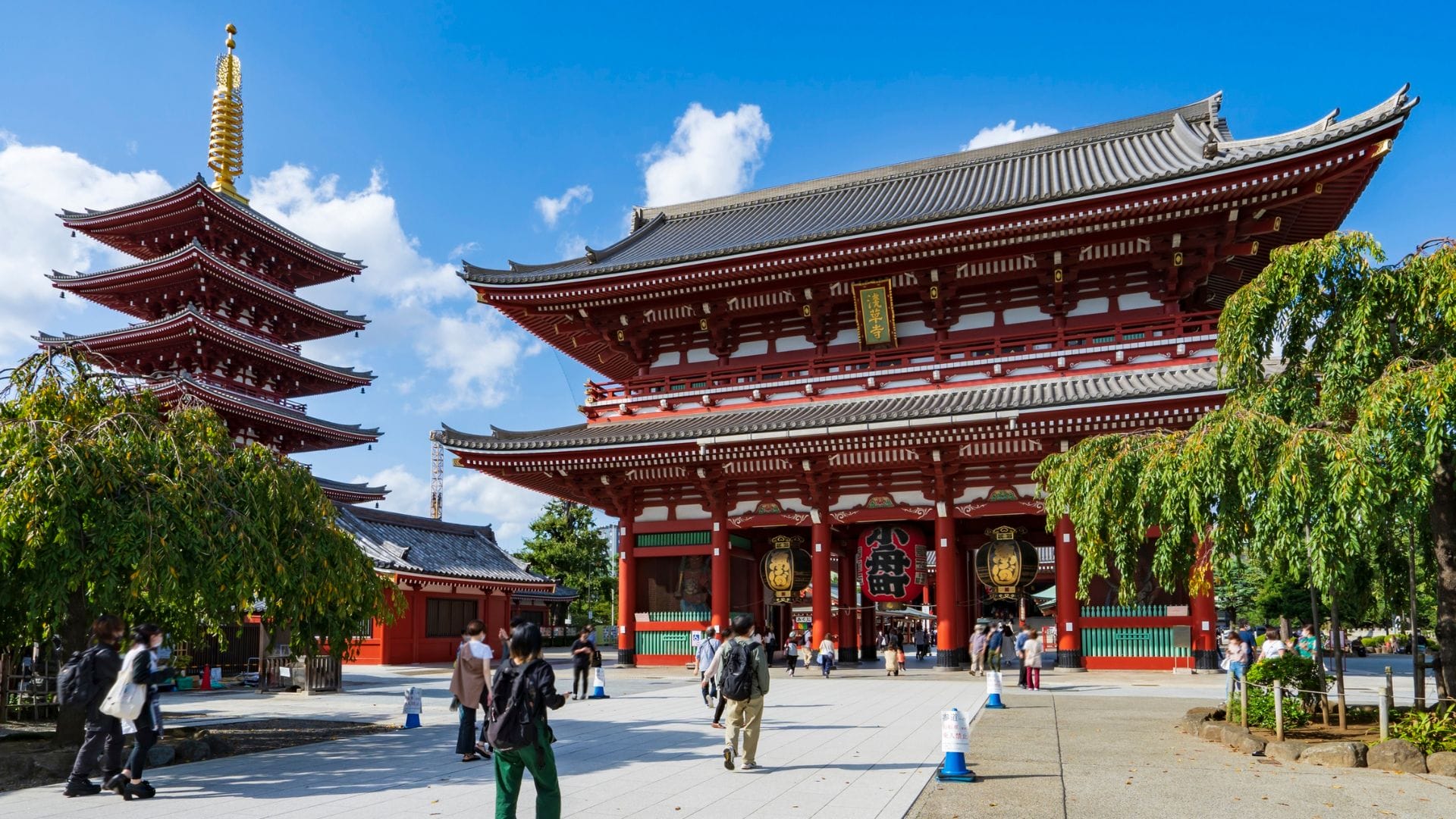
On arrival in Asakusa, walk beneath the enormous lantern of Kaminarimon – the Thunder Gate and follow bustling Nakamise Street towards Senso-ji Temple. The atmosphere here is wonderfully different from central Tokyo: incense drifts through temple courtyards, traditional snacks and souvenirs fill the shopping lane and generations of worshippers mingle with visitors beneath old temple roofs. The source itinerary identifies Senso-ji as one of Tokyo’s familiar and influential temples.
Later, ascend Tokyo Tower’s Main Deck, approximately 150 metres above the city. The tower itself rises to 333 metres and became a symbol of Japan’s post-war transformation.
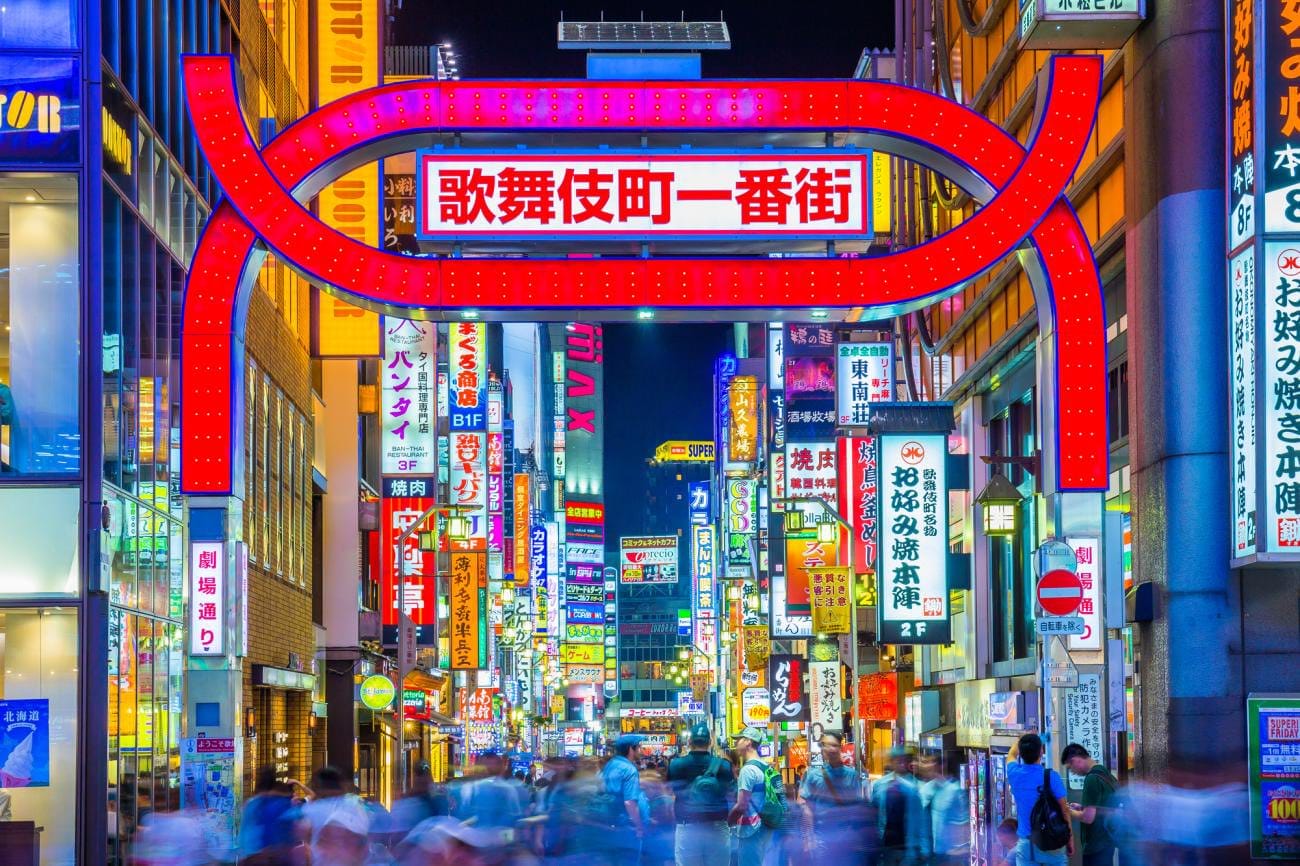
Conclude among the youthful energy of Shibuya and Harajuku, where fashion, retail, popular culture and contemporary Tokyo take centre stage.

In a single day, you have moved from imperial gardens to Buddhist temple streets, from a river cruise to one of Asia’s great modern cityscapes. That contrast is precisely what makes Tokyo so compelling.
Highlights: Imperial Palace East Gardens • Hamarikyu Gardens • Tokyo river cruise • Kaminarimon • Nakamise Street • Senso-ji Temple • Tokyo Tower • Shibuya • Harajuku
Meals: Breakfast
Overnight: Tokyo – Shinagawa Prince Hotel or similar.
DAY 03: TOKYO – FREE LEISURE ON YOUR OWN (B)
After yesterday’s structured exploration, today is intentionally left completely free.
And in Tokyo, having no formal itinerary can be one of the most rewarding ways to experience the city.
The original program allows the entire day for independent shopping, sightseeing or an excursion of your own choosing. Rather than rushing between major monuments, you can now revisit the aspect of Tokyo that caught your imagination yesterday or simply allow curiosity to determine your direction.
For some travellers, this might become a shopping day. Tokyo’s retail culture ranges from enormous department stores and electronics districts to sophisticated fashion boutiques and tiny specialist shops. Others may prefer neighbourhood exploration—wandering through residential streets, stopping for coffee, discovering a small temple or watching ordinary Tokyo life away from major attractions.
Families may use the day to balance different interests, while travellers who enjoy photography can set out early and observe how dramatically the city changes from neighbourhood to neighbourhood.
Food can also become part of today’s discovery. Japan often reveals itself wonderfully through simple everyday experiences: standing beside local office workers at a noodle counter, choosing something unfamiliar from a bakery, exploring the basement food halls of a department store or finding a small restaurant that seats only a handful of guests.
The great advantage of a free day is that Tokyo becomes personal.
Yesterday you experienced the landmarks selected to introduce the city. Today you begin forming your own relationship with it.
There is also practical value in this slower pace. A ten-day Japan journey contains several major travel days ahead—Mt. Fuji, Hakone, Kyoto, Nara, Hiroshima and Osaka—so a flexible day early in the itinerary gives everyone time to settle naturally into the journey.
Return to the hotel whenever you wish and enjoy another evening in Tokyo.
Tomorrow the character of the tour changes dramatically. Skyscrapers will give way to mountains, volcanic terrain and the landscapes surrounding Japan’s most iconic natural landmark: Mt. Fuji.
Highlights: Full day at leisure • Independent sightseeing • Shopping • Personal discovery of Tokyo
Meals: Breakfast
Overnight: Tokyo – Shinagawa Prince Hotel or similar.
DAY 04: TOKYO – LAKE KAWAGUCHIKO – CHUREITO PAGODA – HAKONE – BULLET TRAIN TO KYOTO (B)
Today is one of the most scenic and varied days of the journey, connecting the contemporary world of Tokyo with Mt. Fuji, the Fuji Five Lakes region, volcanic Hakone and finally Kyoto.
Leave the city behind and head towards Lake Kawaguchiko, where the landscape opens dramatically around Japan’s most recognisable mountain.
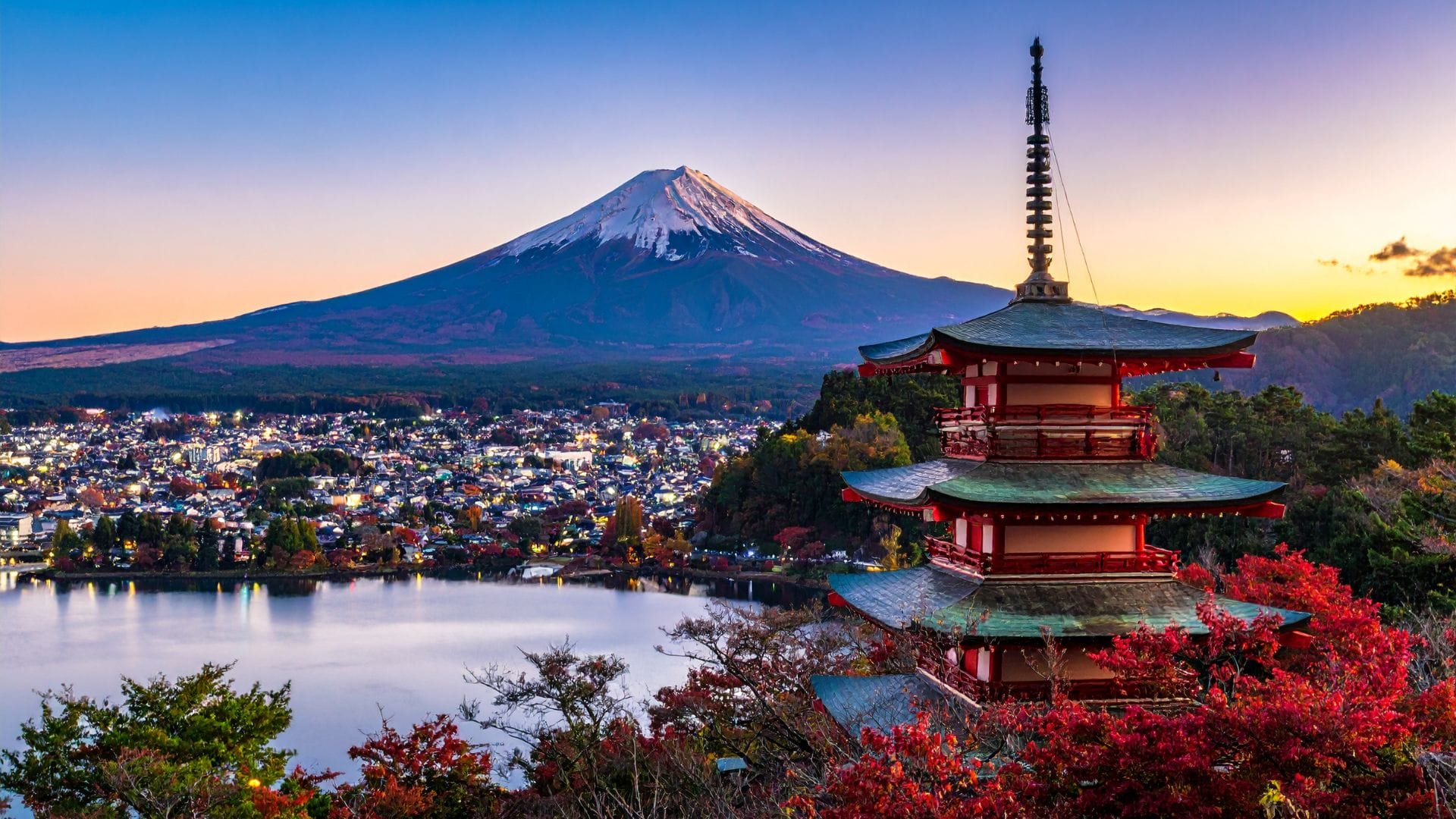
On clear days, Mt. Fuji dominates the horizon beyond the lake, while seasonal trees and flowers transform the foreground throughout the year. The original program especially notes the beauty of Lake Kawaguchiko in spring and autumn, although visibility of Fuji always depends on the day’s weather conditions.

Continue to Chureito Pagoda, one of the itinerary’s most memorable viewpoints. Reaching the celebrated observation area involves approximately 398 steps, but the reward can be extraordinary: the five-storey pagoda standing against the immense silhouette of Mt. Fuji. During cherry blossom season, layers of pink petals can add another dimension to the scene.
From the peaceful Fuji landscape, continue into Hakone’s Owakudani volcanic valley.
Here the experience becomes almost elemental. The source program includes a one-way ropeway journey offering elevated views across Hakone’s active volcanic landscape. Visitors may also encounter the famous local black eggs traditionally cooked using the area’s geothermal heat.
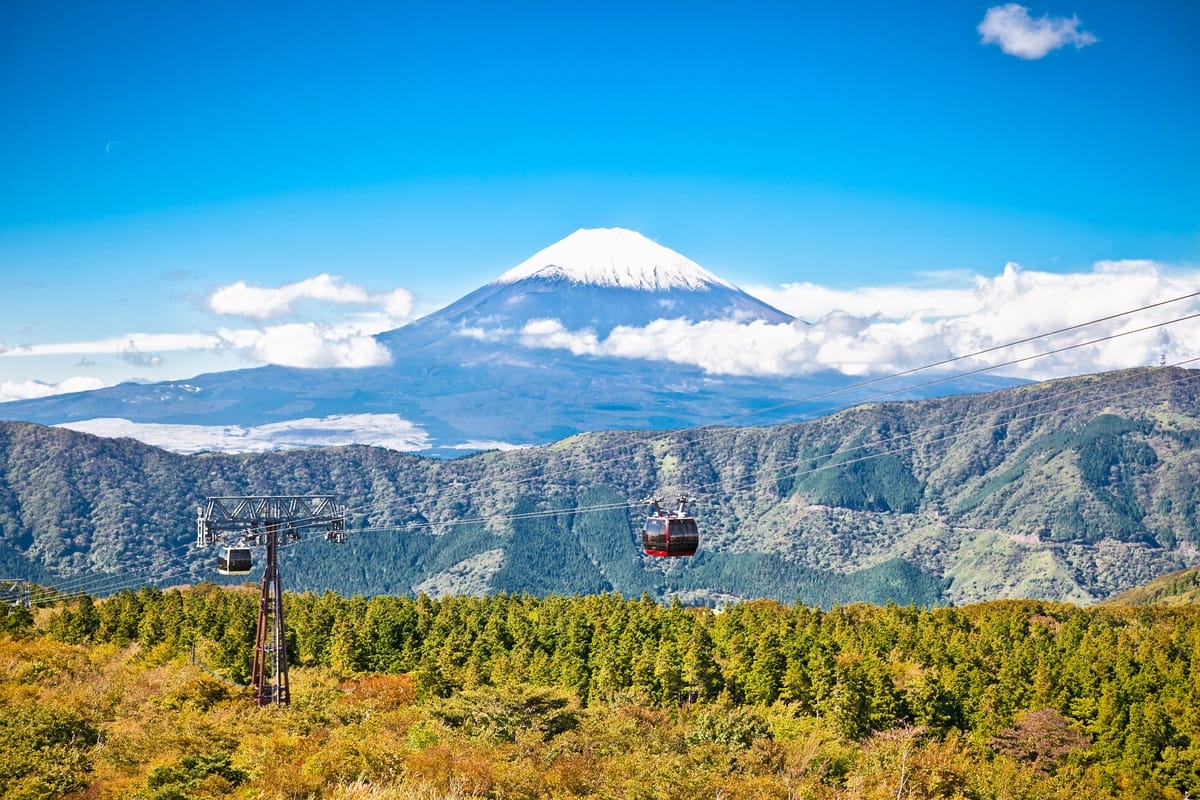
Descend towards Lake Ashi, where you board a sightseeing cruise. Weather permitting, views of Mt. Fuji can once again appear beyond the surrounding mountains, creating an entirely different perspective from Kawaguchiko earlier in the day.
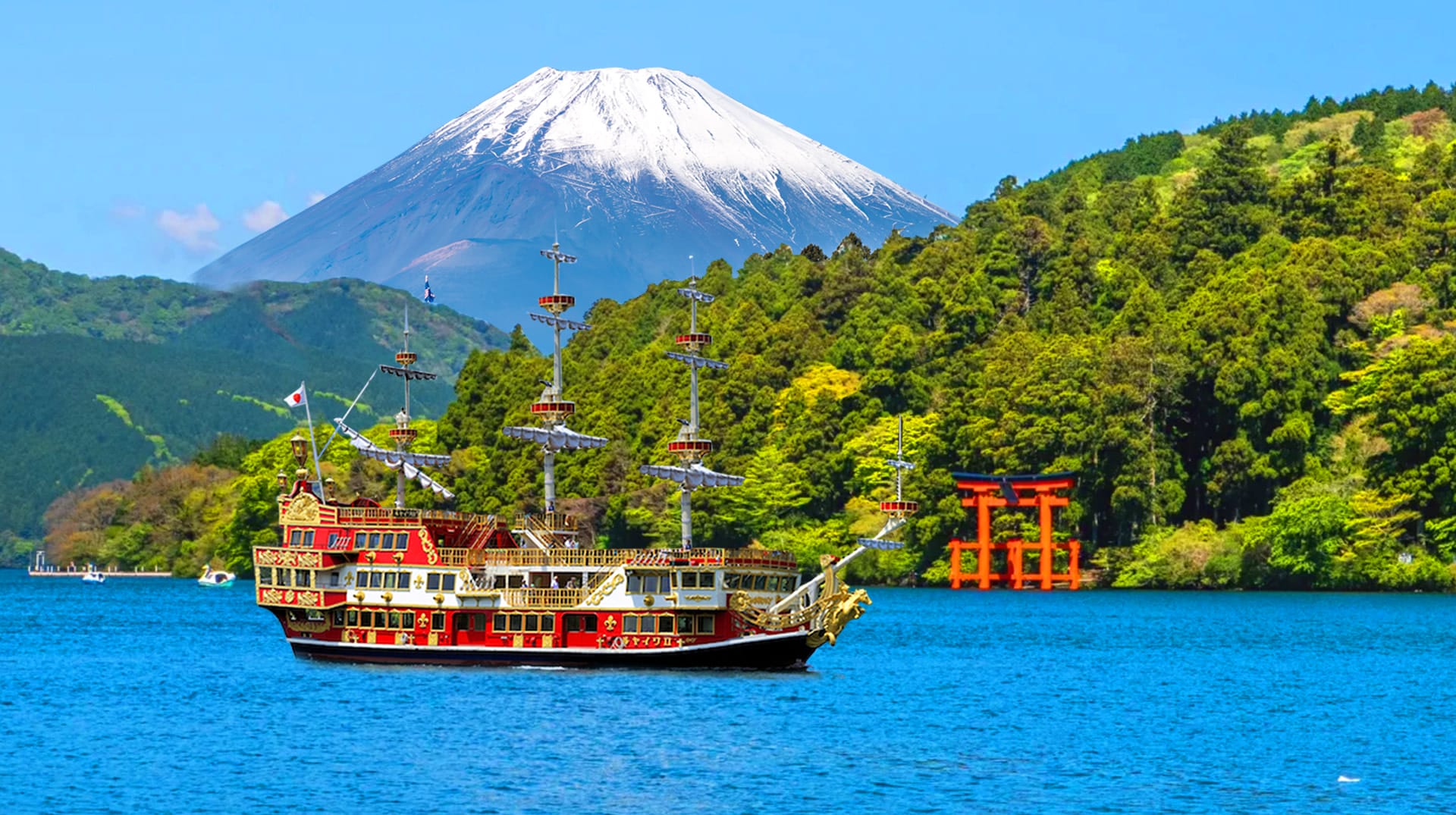
Then comes another distinctly Japanese travel experience.
Transfer to the railway station and board the Shinkansen bullet train to Kyoto with reserved seats. In just a few hours, the journey shifts from volcanic mountains towards the cultural heartland of traditional Japan.
Upon arrival at Kyoto Station, transfer to your hotel with your guide according to local operating arrangements.
Tonight you sleep in a city whose temples, gardens, wooden streets and traditions will form the next major chapter of the journey.
Highlights: Lake Kawaguchiko • Mt. Fuji views • Chureito Pagoda • Owakudani volcanic valley • Hakone Ropeway • Lake Ashi cruise • Shinkansen experience • Arrival Kyoto
Meals: Breakfast
Overnight: Kyoto – Kyoto Tokyu Hotel or similar.
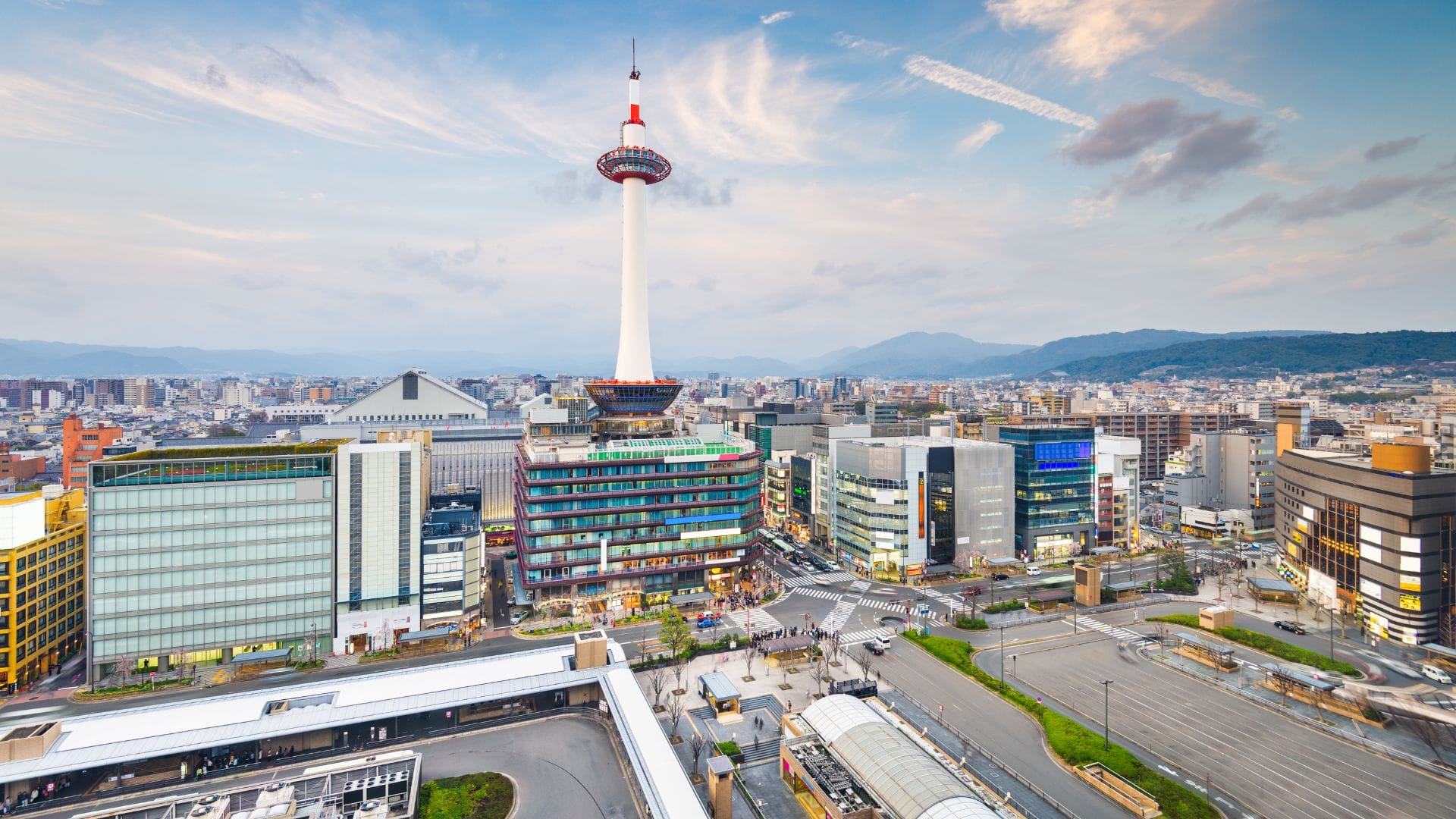
DAY 05: ARASHIYAMA & KYOTO – BAMBOO GROVES, ZEN TEMPLES, GOLDEN PAVILION & GION (B)
If Tokyo shows Japan constantly reinventing itself, Kyoto reveals the country looking inward towards memory, ritual and beauty.
Begin in Arashiyama, a district where mountains, temples and traditional streets create one of Kyoto’s most attractive landscapes.
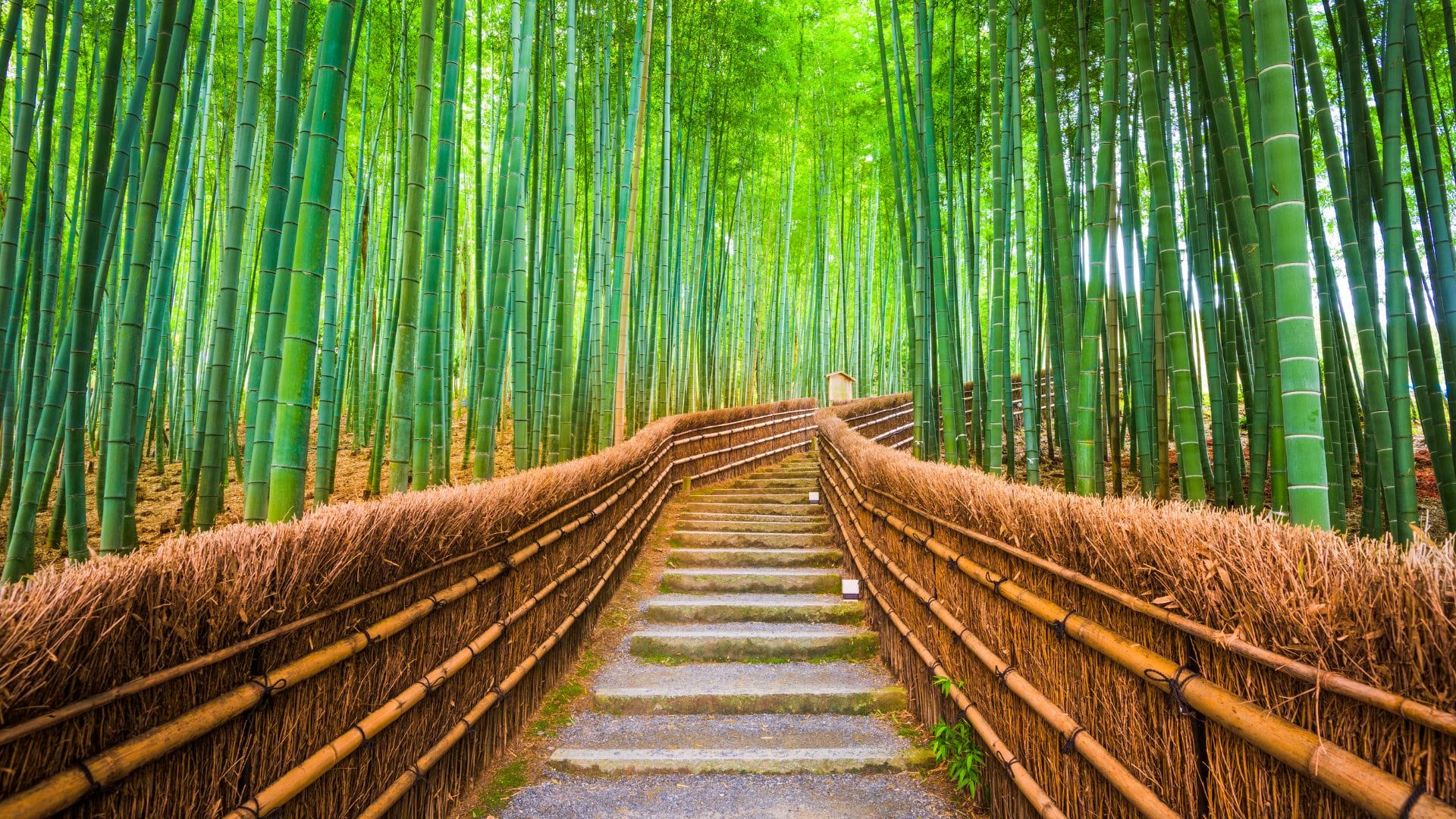
Visit Tenryu-ji Temple, followed by Arashiyama’s famous Bamboo Path and the area around Togetsu Bridge. The source itinerary introduces Tenryu-ji as one of Arashiyama’s representative Zen temples, highlighting its garden and architectural details.
Walking through the bamboo grove is one of those experiences where the atmosphere matters as much as the photograph. Tall bamboo stems rise almost vertically on either side, filtering light and creating a sense of separation from the surrounding city.
Continue to magnificent Kinkaku-ji, the Golden Pavilion. Reflected across its pond, the gold-covered structure forms one of Kyoto’s most recognisable scenes. Its carefully controlled relationship with water, garden and surrounding trees reflects something central to Kyoto sightseeing: buildings are rarely experienced in isolation from the landscape around them.
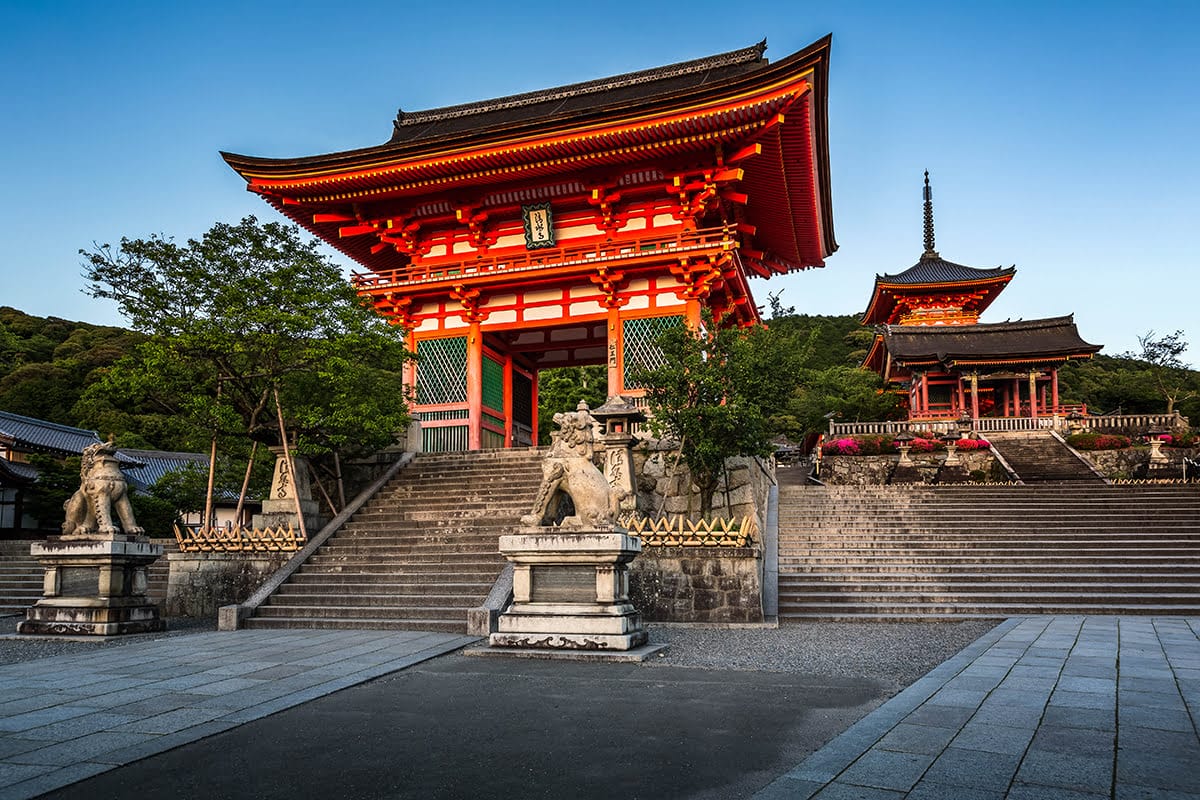
Later, visit Kiyomizu-dera, another of Kyoto’s celebrated historic temples, before descending through Sannenzaka. The original program describes this picturesque slope as an area of Kyoto-style stone paving and traditional machiya architecture and notes its designation as a Traditional Buildings Preservation District.
The transition from temple grounds into these historic lanes is particularly atmospheric. Wooden façades, small shops and stone paths create a human-scale environment very different from Tokyo.
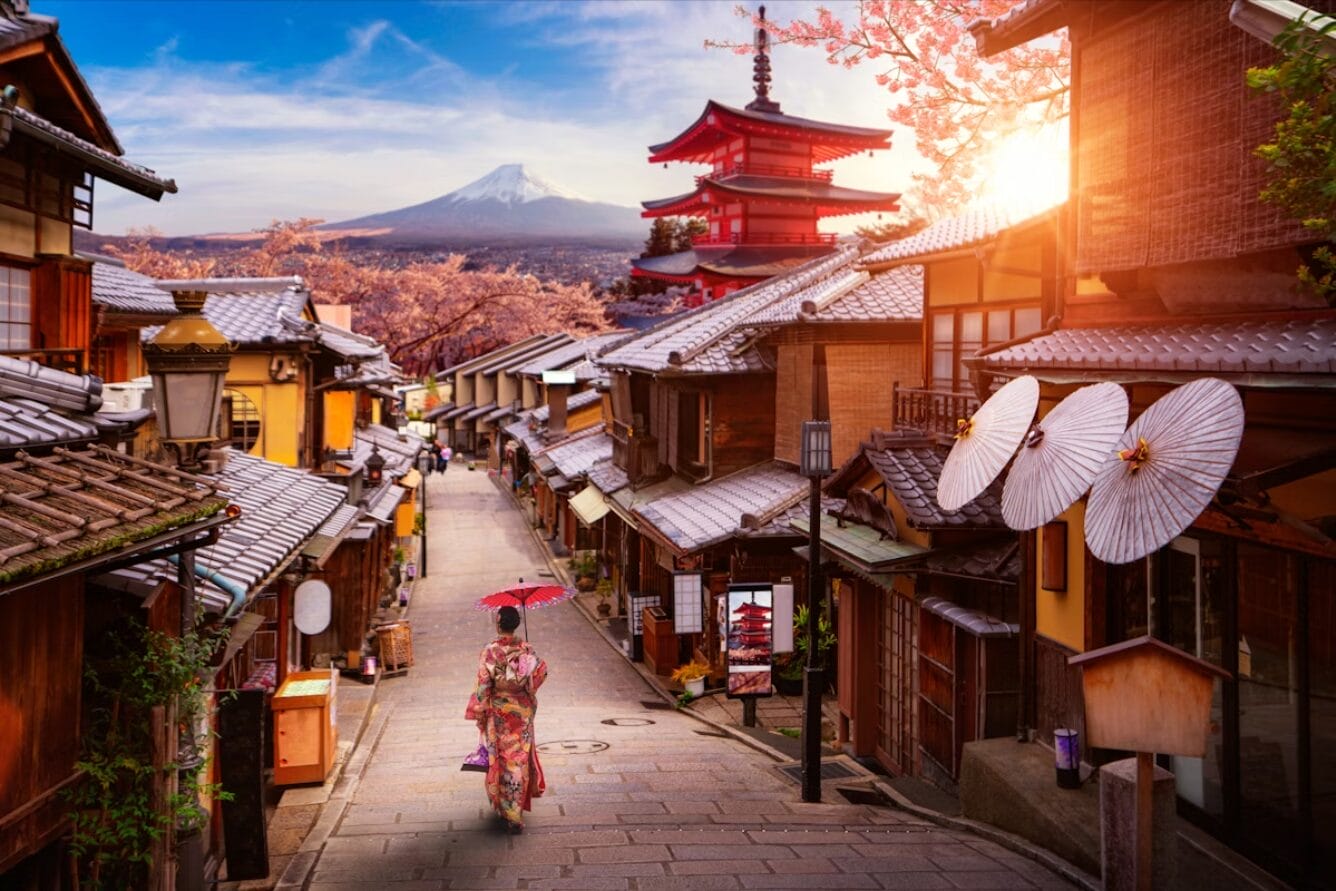
Finish in Gion, Kyoto’s famous traditional entertainment district, where historic streets are associated with geiko and maiko culture and old teahouse traditions.
Yet Gion should not be approached simply as a place to “spot a geisha.” Its deeper appeal lies in atmosphere, architectural preservation and the continuing relationship between traditional performing arts and Kyoto’s urban identity.
By evening, the city has begun to make sense.
Kyoto’s beauty is not loud. It emerges gradually—in gardens, wooden façades, temple bells, bamboo moving in the breeze and careful spaces between architecture and nature.
Highlights: Tenryu-ji • Arashiyama Bamboo Grove • Togetsu Bridge • Kinkaku-ji • Kiyomizu-dera • Sannenzaka • Gion
Meals: Breakfast
Overnight: Kyoto – Kyoto Tokyu Hotel or similar.
DAY 06: KYOTO – NARA – TODAI-JI – NARA PARK – KASUGA TAISHA – FUSHIMI INARI (B)
Today takes you beyond Kyoto to Nara, another ancient centre of Japanese history, before returning towards Kyoto for one of the country’s most photographed shrine landscapes.
Travel first to Todai-ji Temple, where the sheer scale becomes apparent even before entering the main complex.
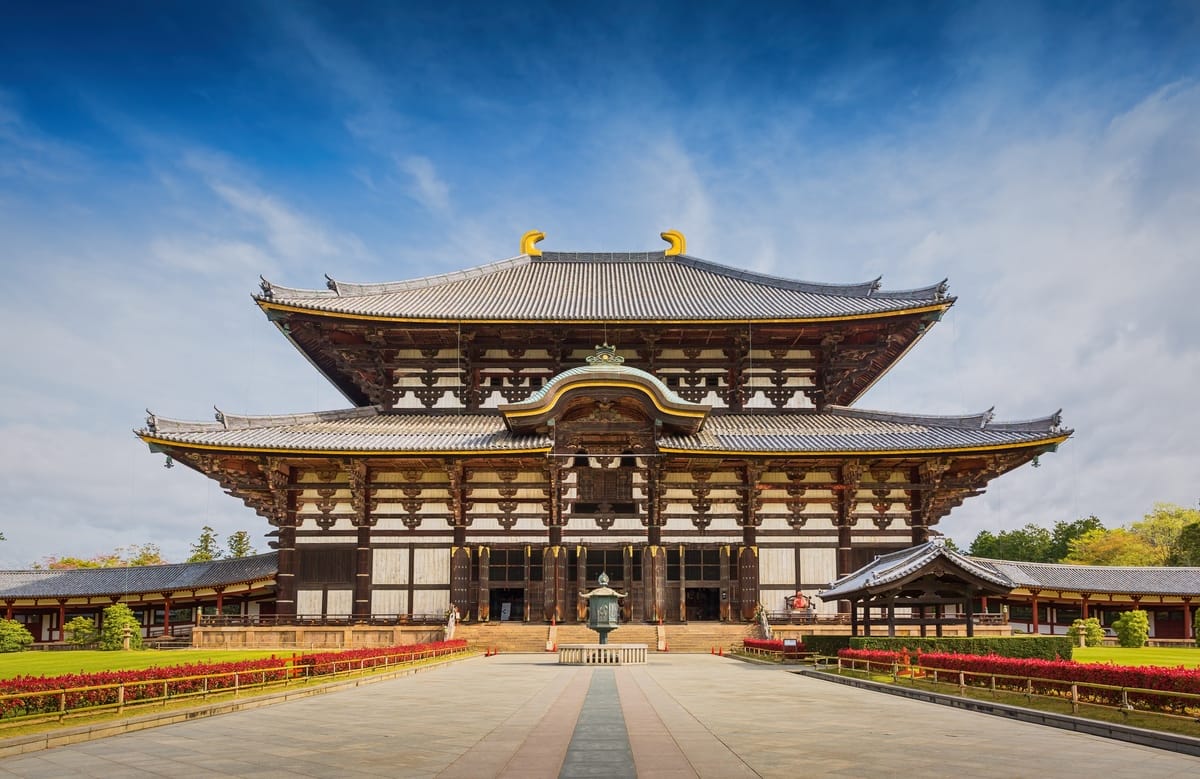
The original itinerary draws particular attention to the enormous Nandaimon Gate, approximately 25.4 metres high—roughly comparable with a seven- or eight-storey building. Beyond it stands Todai-ji’s celebrated Great Buddha hall, forming the spiritual centrepiece of the visit.
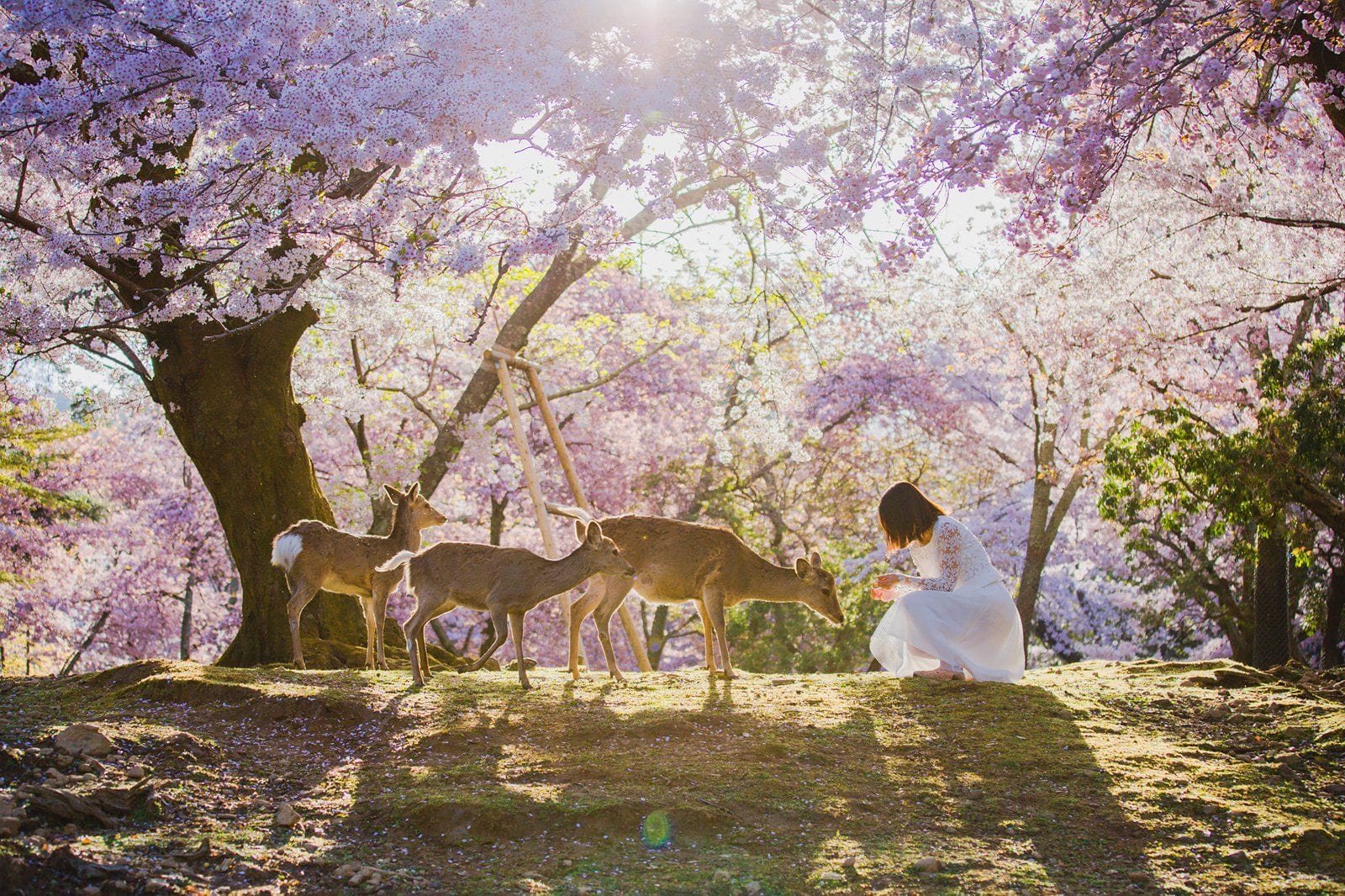
Continue into Nara Park, famous for the deer that wander freely across lawns, pathways and temple precincts.
The deer are one of the most delightful elements for families, but Nara’s appeal reaches far beyond them. The broad parkland allows temples, wooded paths and open spaces to blend together, producing a sense that religious heritage is inseparable from the natural landscape.
Continue to Kasuga Taisha, completing the Nara section of the day.
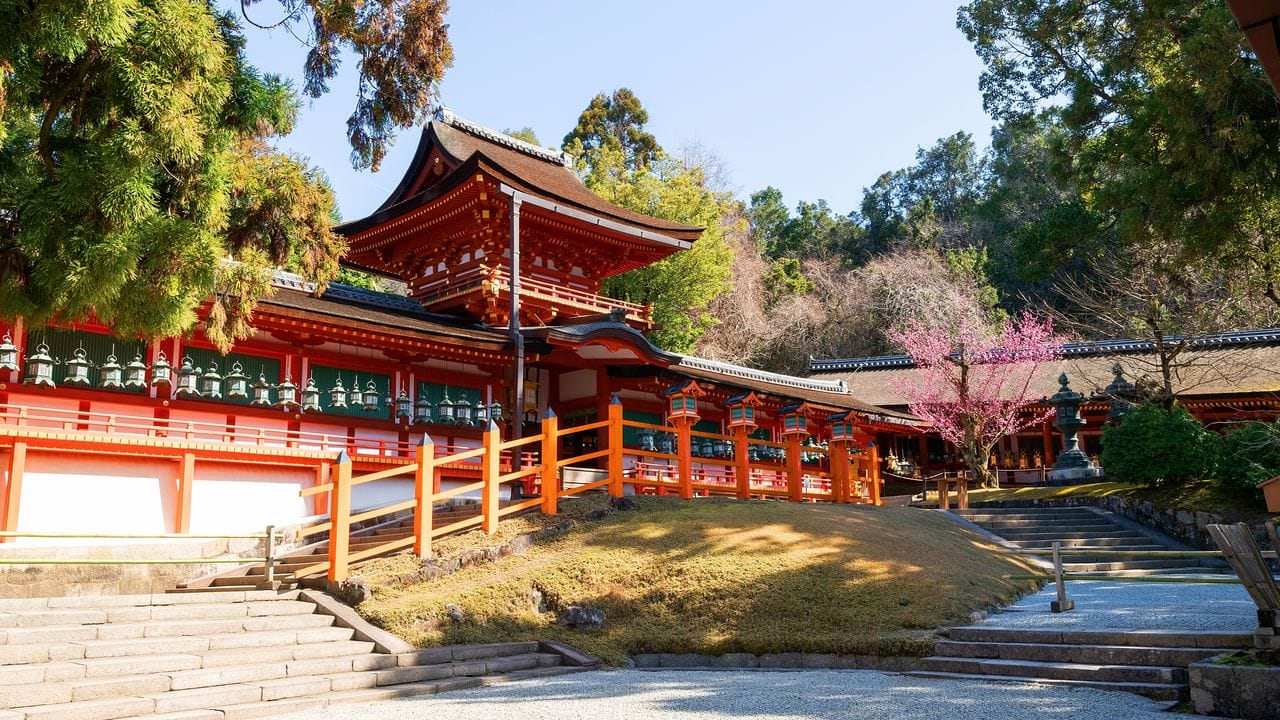
Later, return towards Kyoto and visit extraordinary Fushimi Inari Taisha.
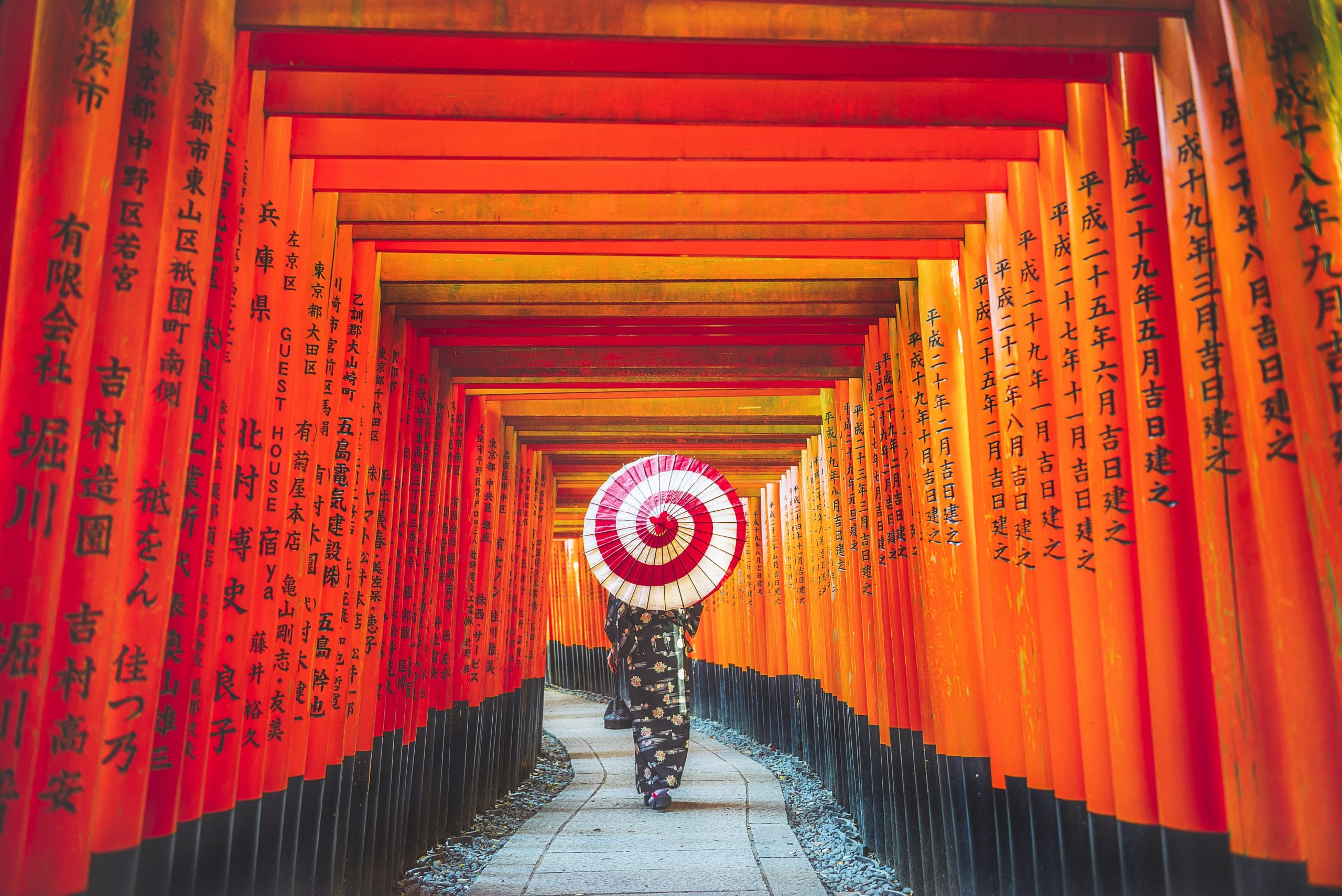
Few visual experiences in Japan are as instantly recognisable as its succession of vermilion torii gates. The source itinerary specifically highlights its famous Senbon-torii – “thousand torii gates”.
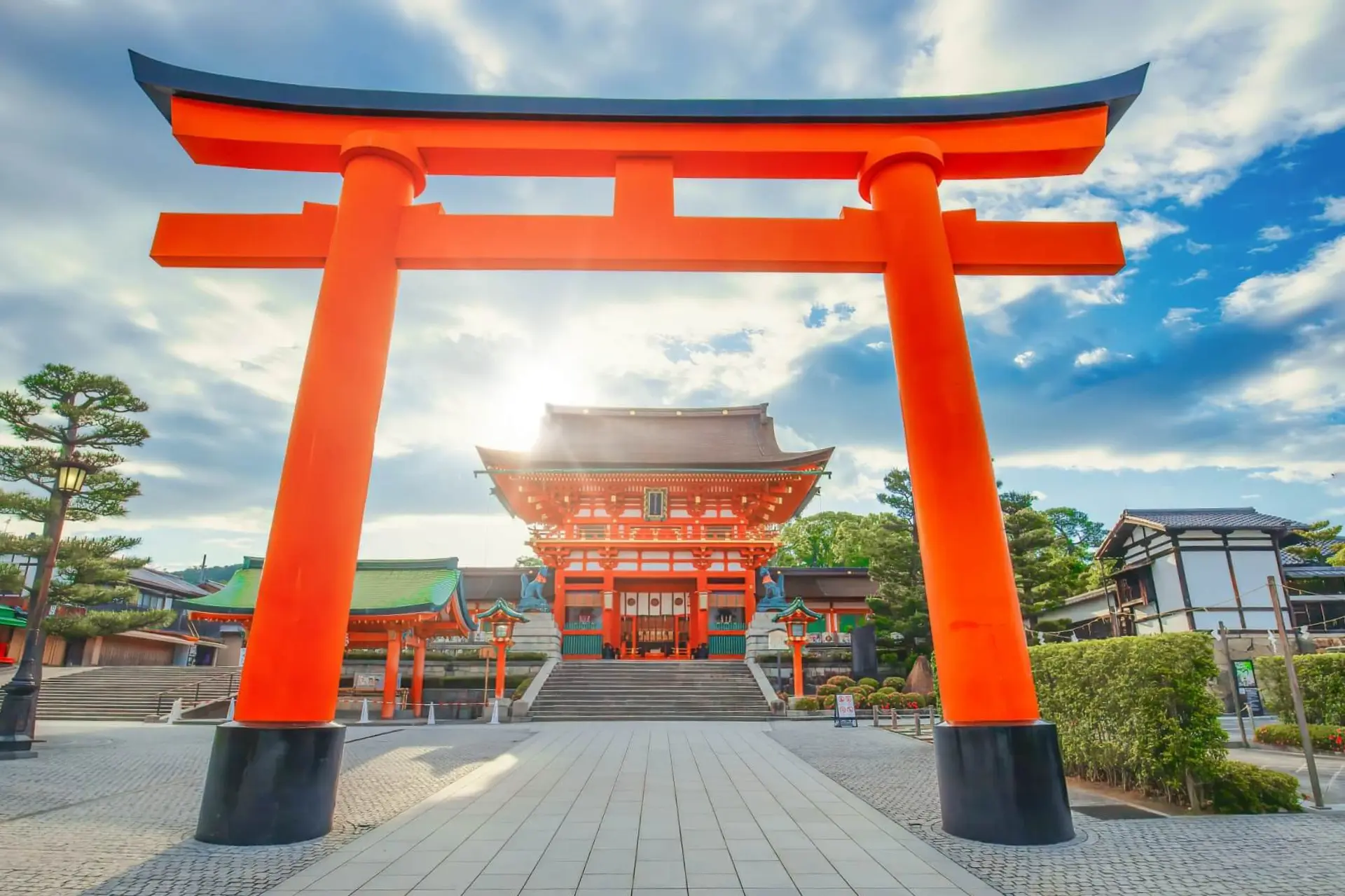
Walking beneath them creates a very different feeling from Kyoto’s formal temples. The pathway climbs through a world of brilliant red gates, stone structures and wooded slopes, turning the visit into something closer to a pilgrimage than conventional city sightseeing.
There is no need for every traveller to complete the entire uphill route. Even the lower sections offer an unforgettable visual experience and enough time to appreciate the shrine’s distinctive atmosphere.
Return to Kyoto after a day that connects several layers of traditional Japanese spirituality: Todai-ji’s monumental Buddhist scale, Nara’s parkland and the unmistakable Shinto symbolism of Fushimi Inari.
Tomorrow, the journey takes a more reflective turn as you board the bullet train westward towards Hiroshima and Miyajima.
Highlights: Todai-ji Temple • Great Buddha • Nandaimon Gate • Nara Park • Deer • Kasuga Taisha • Fushimi Inari • Senbon Torii
Meals: Breakfast
Overnight: Kyoto – Kyoto Tokyu Hotel or similar.
Today’s journey contains two very different but equally powerful experiences: the spiritual landscape of Miyajima and the difficult twentieth-century history of Hiroshima.
Leave your Kyoto hotel with the guide and transfer to Kyoto Station for the Shinkansen to Hiroshima with reserved seats. On arrival, continue towards Miyajima.
Visit Itsukushima Shrine, the central attraction of Miyajima and one of the most memorable sacred settings in Japan.
What makes the experience distinctive is not simply the architecture, but its relationship with the sea and surrounding island landscape. The shrine’s setting creates an atmosphere completely different from Kyoto’s urban temples or Nara’s wooded parkland.

After exploring Miyajima, return towards central Hiroshima.
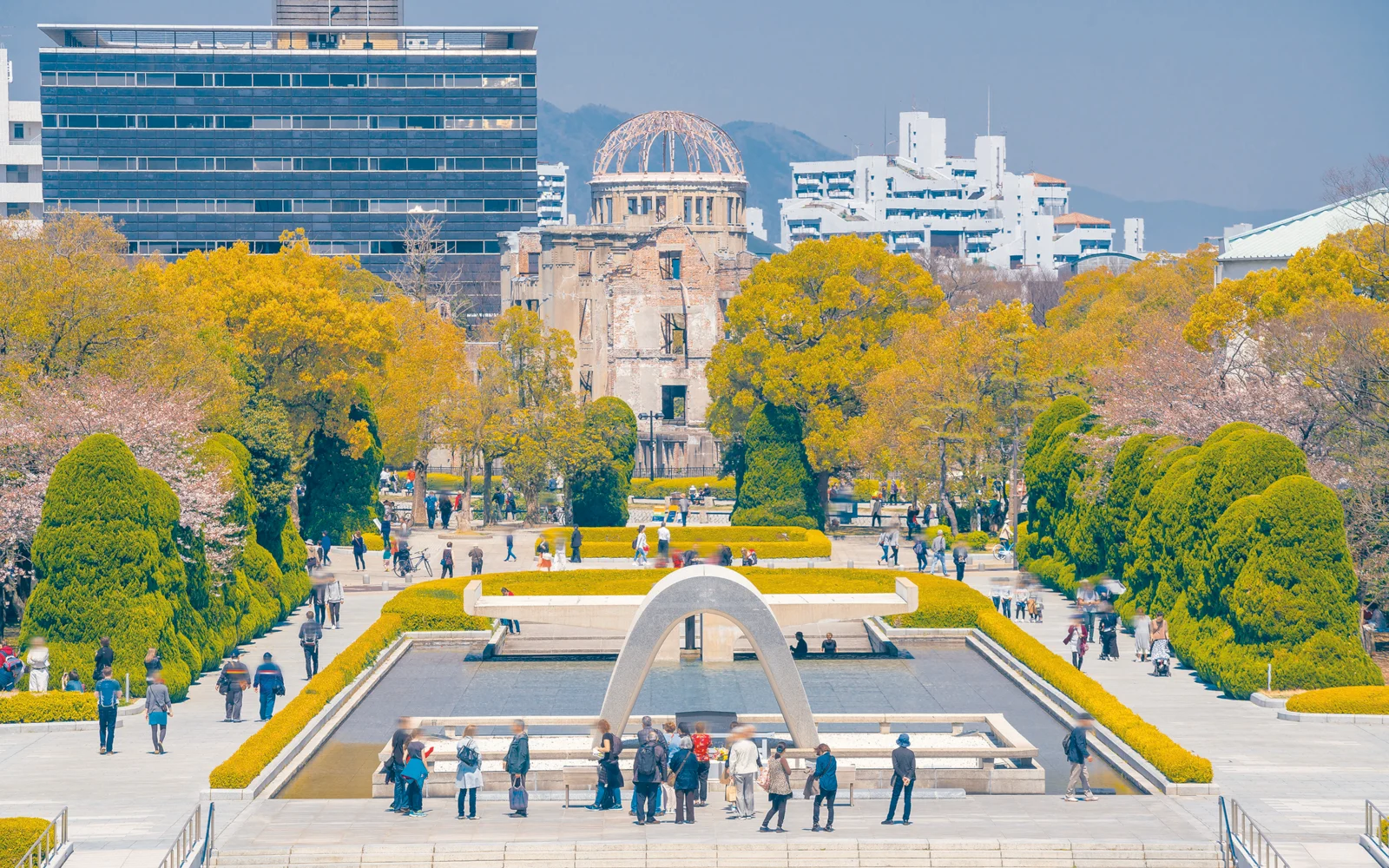
The mood then becomes more contemplative as you visit Hiroshima Peace Memorial Park and Museum together with the Atomic Bomb Dome, all explicitly included in the original itinerary.
This is not conventional sightseeing.
The value of the experience lies in understanding the human consequences of war and the remarkable way Hiroshima has rebuilt itself while preserving spaces dedicated to remembrance and peace.
For families travelling with older children or teenagers, the visit can become one of the most meaningful educational experiences of the entire tour. For adults, it often produces a quiet kind of reflection that stays long after leaving Japan.
The contrast between Miyajima and Hiroshima gives the day particular emotional depth.
One place expresses sacred beauty through landscape and architecture. The other asks visitors to consider destruction, survival and peace.
In the late afternoon, return to the railway station and travel onwards by bullet train to Osaka, your final base of the journey.
Upon arrival, transfer to your hotel and settle in.
Osaka’s energetic personality will become much clearer tomorrow, but tonight marks an important transition.
The historical and spiritual journey through central Japan is giving way to one final burst of urban life.
Highlights: Shinkansen • Hiroshima • Miyajima • Itsukushima Shrine • Peace Memorial Park • Peace Memorial Museum • Atomic Bomb Dome • Travel to Osaka
Meals: Breakfast
Overnight: Osaka – Premier Hotel Cabin President or similar.
DAY08: UMEDA SKY BUILDING – OSAKA CASTLE – SHOPPING DISTRICTS (B)
After Tokyo’s monumental scale and Kyoto’s classical elegance, Osaka feels immediately different.
It is energetic, informal and famously connected with commerce, street life and food. Today explores that personality from three very different angles: panoramic modern architecture, the legacy of Japan’s feudal era and the intensely colourful shopping and entertainment districts of central Osaka.
Begin at the remarkable Umeda Sky Building.
The itinerary includes its Sky Garden Observatory, situated approximately 173 metres above ground and offering a wide panorama across Osaka.
From above, the geography of the city becomes much clearer: dense urban districts stretch towards the horizon while railways, highways and waterways weave through one of Japan’s great metropolitan areas.

After modern Osaka, travel backwards in time at Osaka Castle.
The source program links the castle with Toyotomi Hideyoshi, who began construction here in 1583 as he established Osaka as an important base during the process of national unification. It also notes that the original castle complex was far larger than what visitors see today.
The castle therefore provides more than an attractive photograph. It creates a bridge between the temples and ancient capitals visited earlier and the political struggles that shaped later Japanese history.

Later, enjoy one of the most relaxed and entertaining sections of the trip: time around Shinsaibashi, Namba and Dotonbori.
This is Osaka at street level.
Large signs hang above restaurants, shopping arcades stretch through the city blocks and food becomes part of the experience. The original itinerary specifically describes the district as an area for both street food and shopping.
Walk slowly rather than rushing through.
The pleasure comes from watching Osaka around you—locals meeting after work, restaurants filling for dinner, illuminated signs reflecting across the streets and small food counters competing for attention.
After several days of temples, heritage sites and serious historical encounters, Osaka gives the journey a joyful change of tone.
It is an excellent place to celebrate how diverse Japan has been over just one relatively compact route.
Highlights: Umeda Sky Building • Sky Garden Observatory • Osaka Castle • Shinsaibashi • Namba • Dotonbori • Street-food atmosphere
Meals: Breakfast
Overnight: Osaka – Premier Hotel Cabin President or similar.

DAY 09: OSAKA – FREE DAY AT LEISURE (B)
Your final complete day in Japan belongs entirely to you.
After eight days that have carried you from Tokyo’s imperial gardens through Mt. Fuji and Hakone, across Kyoto’s temples, Nara’s ancient heritage and Hiroshima’s powerful historical landscapes, today offers something increasingly valuable during a long journey: time without a timetable.
The original program intentionally leaves Day 9 completely free for shopping, sightseeing or an independent excursion.
For travellers who enjoy shopping, Osaka provides almost endless possibilities. For others, the best use of the day may simply be returning to a neighbourhood that caught your imagination yesterday and seeing it without the framework of a guided tour.
A free day is also an opportunity to experience ordinary Japan at a slower pace.
Take breakfast without watching the clock. Walk through a neighbourhood convenience store and see how many details of Japanese daily life you now recognise. Find a quiet café. Sit in a public space and watch Osaka move around you. Return to Dotonbori after dark if you want another taste of the city’s high-energy atmosphere.
Families can divide the day around different interests. Couples may prefer a relaxed final day together. Travellers continuing elsewhere in Asia can use some of the time for packing, shopping for gifts or simply resting before their onward flight.
More importantly, Day 9 gives you space to look backwards across the journey.
Tokyo may now feel surprisingly distant.
Since then you have seen Mt. Fuji reflected through changing landscapes, travelled aboard the Shinkansen, walked among Kyoto’s bamboo, stood beneath thousands of torii gates, encountered the deer of Nara, crossed to Miyajima and reflected on Hiroshima’s history.
Osaka is a wonderfully uncomplicated place in which to finish.
There is no final monument that must be conquered today.
Instead, enjoy Japan in whatever way feels right.
Tomorrow, your driver will take you to Kansai International Airport and the formal tour will come to an end.
Highlights: Full day at leisure • Independent Osaka discovery • Shopping • Food • Relaxation
Meals: Breakfast
Overnight: Osaka – Premier Hotel Cabin President or similar.
DAY 10: OSAKA – KANSAI INTERNATIONAL AIRPORT – DEPARTURE (B)
Enjoy your final breakfast in Japan before checking out of the hotel.
At the appropriate time, meet your driver and transfer to Kansai International Airport for your onward flight, bringing the 10-day Japan journey to a close.
Departure days are simple operationally, yet they often reveal how much has happened in a relatively short journey.
Ten days ago, Tokyo was unfamiliar.
Now the memories have accumulated into a much richer picture of Japan.
Perhaps the strongest image will be Tokyo’s Senso-ji, with worshippers passing beneath Kaminarimon while contemporary city life moves around the temple district.
Perhaps it will be Mt. Fuji, appearing beyond Lake Kawaguchiko or Hakone when the weather opened at exactly the right moment.
For some travellers, Kyoto will remain the emotional centre of the trip—the bamboo rising above Arashiyama, the gold of Kinkaku-ji reflected in water, the stone lanes of Sannenzaka or the silence that can appear between Fushimi Inari’s endless vermilion gates.
Others may remember Nara’s deer, sacred Miyajima, or the profound quiet that follows a visit to Hiroshima’s Peace Memorial Park.
And then there is Osaka: a final reminder that Japan is not preserved behind museum walls. It is alive, social, contemporary and constantly evolving.
That is what makes this itinerary effective for a first journey to Japan.
It does not attempt to show everything.
Instead, it connects several carefully contrasting experiences—imperial heritage, Buddhist and Shinto traditions, Mt. Fuji landscapes, bullet-train travel, historic capitals, modern architecture, regional culture and contemporary Japanese city life—into one coherent route from Tokyo to Osaka.
Transfer to the airport and complete check-in for your onward journey.
Tour ends at Kansai International Airport.
Meals: Breakfast
END OF SERVICE!
PRICE PER PERSON IN JPY
Validity: Jan 01st 2026 – Dec 31st 2026
|
DESCRIPTION
|
ADULTS (>12 YR OLD) |
|
|
Twin/Double Shared Room |
Single Supplement |
|
|
2 pax+1 Tour Leader |
|
|
|
3-6 pax+1 Tour Leader |
|
|
|
7-10 pax+1 Tour Leader |
|
|
|
11-15 pax+1 Tour Leader |
|
|
|
16-20 pax+1 Tour Leader |
|
|
NOTE:
*LIST OF HOTELS USE:
*Important Note: All hotels are subject to change to the similar ones
|
CITY |
HOTELS |
|
TOKYO |
SHINAGAWA PRINCE HOTEL OR SIMILARS |
|
KYOTO |
KYOTO TOKYU HOTEL OR SIMILARS |
|
OSAKA |
PREMIER HOTEL CABIN PRESIDENT OR SIMILARS |
FREQUENTLY ASKED QUESTIONS – 10-DAY JAPAN DISCOVERY
Is this Japan tour suitable for first-time visitors?
Yes. The routing connects many of the experiences travellers most strongly associate with a first journey to Japan: Tokyo, Mt. Fuji, Hakone, Kyoto, Nara, Hiroshima, Miyajima and Osaka, while also including Shinkansen journeys and two free days.
Where does the tour start and finish?
The trip starts in Tokyo and finishes in Osaka, with departure transfer to Kansai International Airport on Day 10.
How many nights are included?
The program is 10 days / 9 nights.
Will we see Mt. Fuji?
The itinerary visits Lake Kawaguchiko and Chureito Pagoda and also travels through Hakone, where Mt. Fuji may be visible from Lake Ashi when conditions are favourable. As correctly noted in the original program, Mt. Fuji visibility depends on weather, so it cannot be guaranteed.
Does the tour include the Shinkansen bullet train?
Yes. The itinerary includes reserved-seat bullet-train travel to Kyoto, as well as Shinkansen journeys associated with the Hiroshima section.
Is there much walking on this tour?
Yes. Tokyo, Kyoto, Nara, Hiroshima and Osaka involve substantial sightseeing on foot. Chureito Pagoda is particularly important to note, as the source program states that reaching the viewpoint involves approximately 398 steps.
Travellers with limited mobility should advise Vietlong Travel before booking so the program can be reviewed accordingly.
Are there free days during the tour?
Yes. Day 3 in Tokyo and Day 9 in Osaka are reserved for independent leisure, shopping, sightseeing or personal excursions.
Is Hiroshima included?
Yes. Day 7 includes Miyajima and Itsukushima Shrine, followed by Hiroshima’s Peace Memorial Park, Museum and Atomic Bomb Dome before travelling onwards to Osaka.
Does the itinerary visit Kyoto’s major landmarks?
Yes. The Kyoto program includes Tenryu-ji, Arashiyama Bamboo Path, Togetsu Bridge, Kinkaku-ji, Kiyomizu-dera, Sannenzaka and Gion, with Fushimi Inari included on the following day.
Will we visit Nara’s deer park?
Yes. Day 6 includes Todai-ji Temple, Nara Park and Kasuga Taisha.
What meals are included?
According to the supplied program, daily breakfast is included. Lunch and dinner are generally excluded unless otherwise specifically arranged.
What hotels are planned?
The supplied program lists:
- Tokyo: Shinagawa Prince Hotel or similar
- Kyoto: Kyoto Tokyu Hotel or similar
- Osaka: Premier Hotel Cabin President or similar
All hotels remain subject to availability and may be replaced by comparable properties.
Are entrance fees included?
The supplied package states that entrance fees for the visits mentioned in the itinerary are included.
Is an English-speaking guide included?
Yes. The package specifies an experienced English-speaking guide during sightseeing days.
Are international flights included?
No. International and domestic air tickets are listed among the exclusions in the supplied proposal.
Is travel insurance included?
No. Travel insurance is excluded, and the supplied program recommends that travellers arrange adequate insurance.
Is tipping expected in Japan?
The source proposal recommends gratuities of USD 5 per client per day for guides and USD 2 per client per day for drivers, adjustable according to satisfaction.
Can the program change due to operating conditions?
Certain components can be operationally adjusted. For example, the Tokyo cruise may operate using an alternative Asakusa-based cruise arrangement, and transportation or hotel arrangements may depend on local circumstances and availability.