Traveling across Vietnam, Thailand, Cambodia, Laos, Malaysia, or Singapore is a sensory journey filled with vibrant street markets, ancient temples, tropical beaches, and dynamic cities. Yet one of the most common practical questions travelers ask before departure is surprisingly simple: Currency and Payments in Southeast Asia: Exchange Currency or US Dollar? Card or Cash?
Understanding how currency and payments in Southeast Asia work is not just about convenience. It directly affects your travel budget, daily comfort, safety, and overall experience. Exchange rates, ATM access, card acceptance, local banking infrastructure, and the role of the US dollar vary widely between countries. For first-time visitors and even seasoned explorers, having clarity about exchange currency, US dollar usage, and whether to rely on card or cash can make your trip smoother and more cost-efficient.
This in-depth guide draws from real travel planning experience across Southeast Asia and offers practical, region-specific insights to help you confidently manage your money while traveling.
Understanding Currency Systems Across Southeast Asia
Local Currencies in the Region
Each Southeast Asian country operates primarily in its own national currency:
- – Vietnam uses the Vietnamese Dong
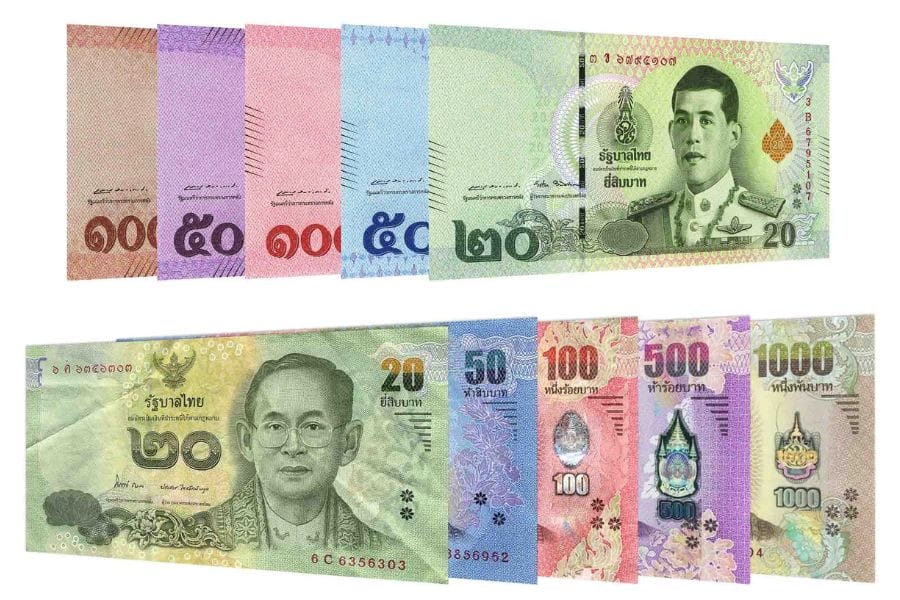
- – Thailand uses the Thai Baht
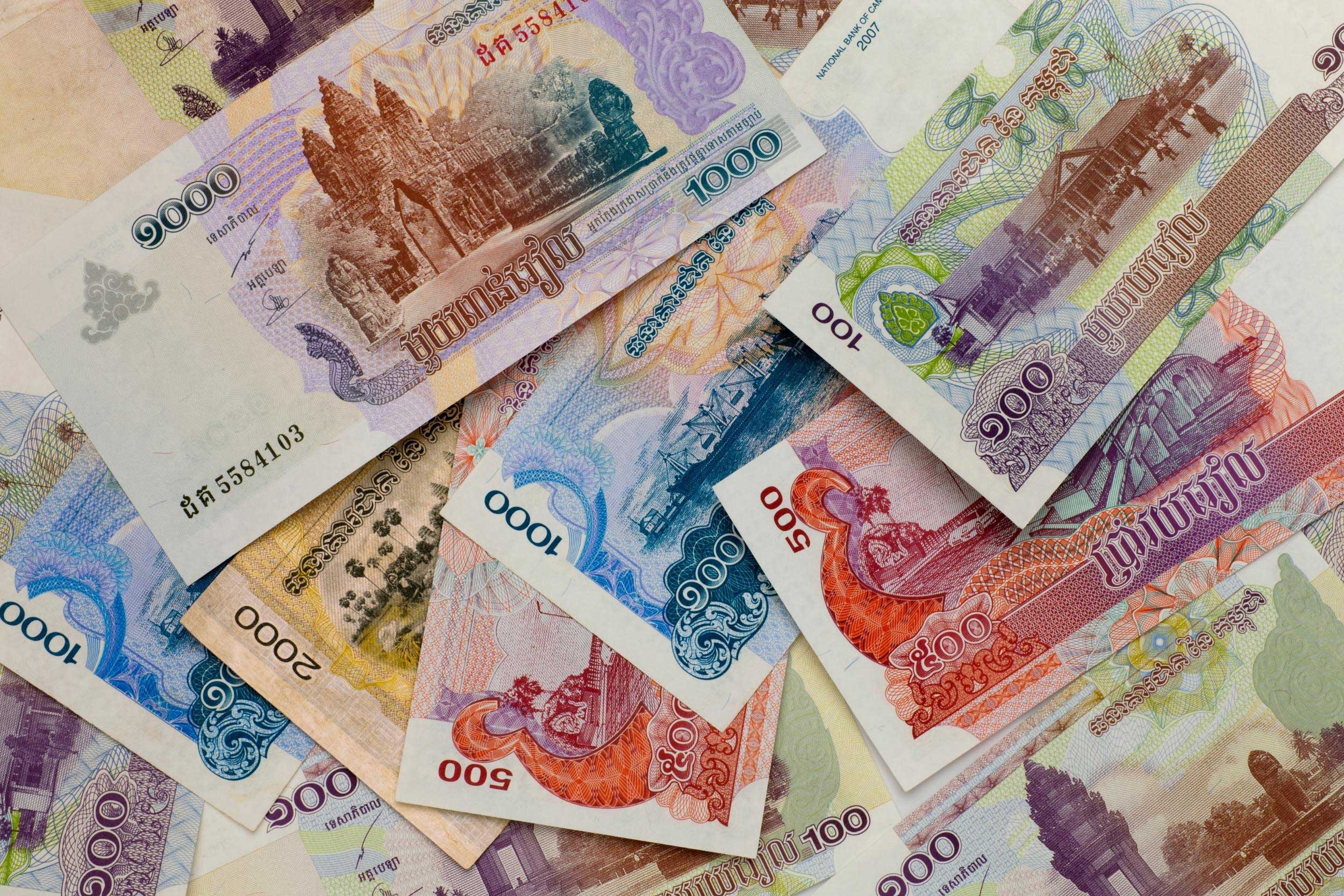
- – Cambodia uses the Cambodian Riel and US Dollar
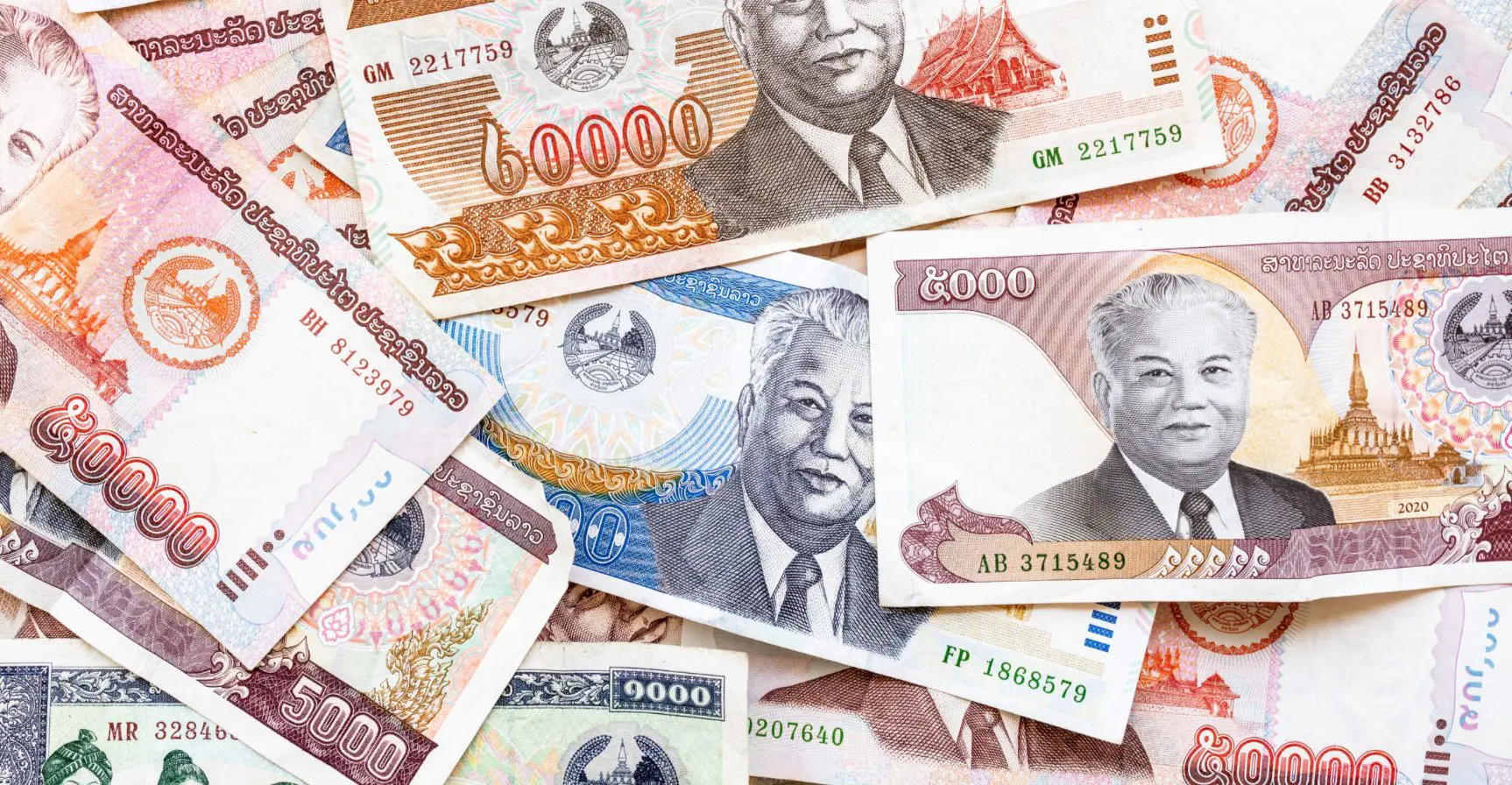
- – Laos uses the Lao Kip
- – Malaysia uses the Malaysian Ringgit
- – Singapore uses the Singapore Dollar
When discussing currency and payments in Southeast Asia, it is essential to understand that local currencies are always the official and legally preferred method of payment. While the US dollar plays a role in some destinations, particularly Cambodia, most countries expect visitors to use local currency for daily transactions.
Is the US Dollar Widely Accepted?
The role of the US dollar in Southeast Asia depends heavily on the country.
In Cambodia, the US dollar functions almost as a parallel currency. Hotels, tours, restaurants, and even small shops commonly accept USD. Prices are often quoted in dollars, and change may be given partly in Cambodian Riel.
In Vietnam and Thailand, however, the US dollar is not commonly accepted in daily transactions. You may use USD at banks or exchange counters, but restaurants, taxis, and local shops expect payment in local currency. Attempting to pay directly in USD usually results in unfavorable exchange rates or refusal.
Therefore, when considering exchange currency or US dollar, the general rule is this: bring USD as a backup or for exchange purposes, but rely on local currency for everyday spending.
Exchange Currency or Withdraw Locally?
Should You Exchange Before Departure?
Many travelers wonder whether they should exchange currency before arriving in Southeast Asia. In most cases, exchanging a small amount before departure for immediate expenses like airport transport is practical. However, exchange rates in your home country are often less competitive.
Across Southeast Asia, major cities such as Hanoi, Ho Chi Minh City, Bangkok, Kuala Lumpur, and Phnom Penh offer competitive exchange counters and banks with favorable rates. Airports typically offer slightly weaker rates but are convenient for initial needs.
For most travelers managing currency and payments in Southeast Asia, withdrawing from a local ATM upon arrival is often the most cost-effective method.
ATM Availability and Fees
ATMs are widely available in urban areas, tourist destinations, and even many provincial towns. Vietnam and Thailand have extensive ATM networks. Cambodia and Laos also provide reasonable ATM access in tourist centers.
However, ATM withdrawal fees vary. Thailand is known for higher foreign ATM withdrawal fees. Vietnam and Cambodia typically charge moderate fees. Always check with your home bank about international transaction fees.
When deciding between exchange currency or US dollar, withdrawing local currency from an ATM often provides better exchange rates compared to physical exchange counters abroad.
Card or Cash: What Works Best?
Card Acceptance Across Southeast Asia
In major cities and established tourist destinations, credit and debit cards are widely accepted in:
- – International hotels
- – Upscale restaurants
- – Shopping malls
- – Tour operators
- – Airlines
Vietnam, Thailand, Malaysia, and Singapore have strong card infrastructure. Cambodia and Laos are improving but still rely heavily on cash outside major cities.
However, small family-run restaurants, street food vendors, local markets, taxis, and rural areas often accept only cash. Therefore, when asking card or cash in Southeast Asia, the realistic answer is both.
Contactless Payments and Digital Wallets
Singapore and parts of Malaysia have highly advanced contactless payment systems. Vietnam is rapidly adopting QR code payments and mobile wallets, but these are primarily used by locals with domestic banking apps.
International visitors should not rely solely on mobile wallets unless their card supports global contactless payments.
In practical travel planning, managing currency and payments in Southeast Asia means carrying a reliable card for large expenses and sufficient cash for daily transactions.
Cash Culture: Why It Still Matters
Street Food, Markets, and Local Experiences
One of the greatest joys of Southeast Asia is its street culture. Whether you are enjoying pho in Hanoi, pad thai in Bangkok, or grilled seafood in Da Nang, these authentic experiences are almost always cash-based.
Night markets, floating markets, tuk tuks, boat rides, temple donations, and small entrance fees usually require cash. Even in large cities, cash remains deeply integrated into everyday life.
Therefore, understanding card or cash is less about choosing one over the other and more about balancing both.
Safety Considerations When Carrying Cash
Southeast Asia is generally safe for travelers. Violent crime rates are low in most tourist areas. However, petty theft such as pickpocketing can occur in crowded markets or public transport.
The safest approach is to carry moderate daily cash, use hotel safes for excess funds, and distribute money across different pockets or bags. Avoid displaying large amounts in public.
Country-Specific Insights
Vietnam
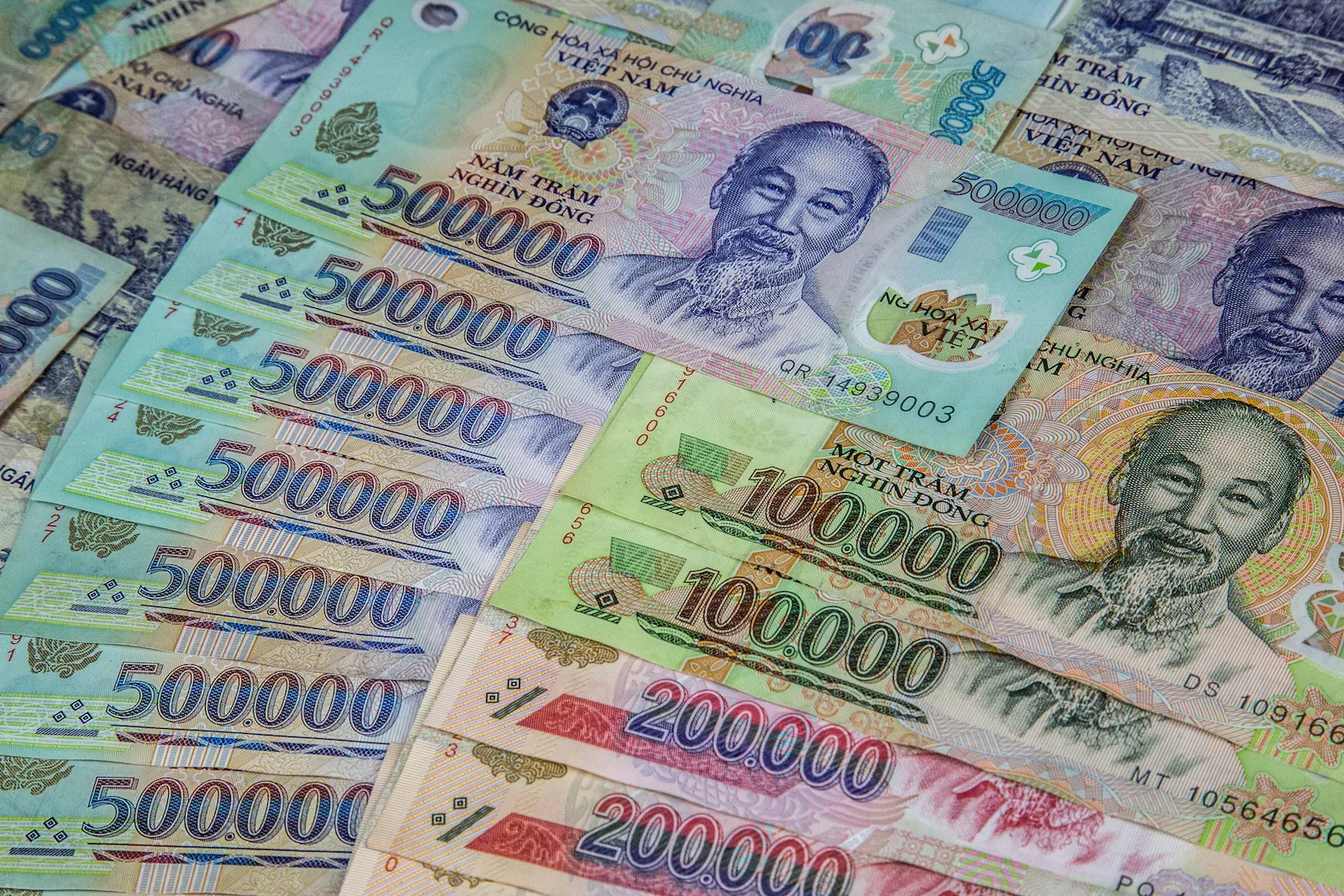
Vietnam operates almost entirely in Vietnamese Dong. US dollars are not accepted for daily spending. Cards are widely accepted in urban hotels and restaurants, but cash dominates street life. ATMs are easy to find.
When managing currency and payments in Southeast Asia, Vietnam represents a balanced system: modern banking in cities and strong cash usage in daily culture.
Thailand
Thailand has excellent card infrastructure in cities and tourist islands. However, cash remains important for markets, taxis, and smaller businesses. ATM fees for foreign cards are relatively high.
Cambodia
Cambodia is unique. The US dollar is widely used alongside Cambodian Riel. Small change may be given in Riel. Cards are accepted in major hotels and restaurants in Phnom Penh and Siem Reap, but cash remains essential elsewhere.
Laos
Laos relies heavily on cash, especially outside Vientiane and Luang Prabang. Card usage is limited. ATM access is reasonable in tourist hubs.
Budgeting Smartly Across Borders
Travelers exploring multiple countries in one trip often wonder how to manage multiple currencies efficiently.
A practical strategy for currency and payments in Southeast Asia includes:
- – Withdraw moderate amounts in each country
- – Avoid over-exchanging before border crossings
- – Use remaining small currency amounts for airport meals or transport
- – Keep USD in small denominations as emergency backup
If crossing land borders between Thailand, Cambodia, Laos, or Vietnam, exchange services are usually available near checkpoints, though rates may be less competitive.
Exchange Rate Strategy for Better Value
To maximize value:
- – Avoid exchanging large sums at airports
- – Use official exchange counters in city centers
- – Withdraw from reputable ATMs
- – Decline dynamic currency conversion when paying by card
- – Pay in local currency rather than your home currency
Understanding these principles helps travelers answer the question exchange currency or US dollar with confidence and financial clarity.
Practical Tips for Families and Long-Stay Travelers
Families traveling with children often require smoother payment logistics. Choose accommodations that accept cards, but always keep cash for transportation and snacks.
Long-stay travelers or digital nomads should consider international bank cards with low foreign transaction fees. Some travelers also open multi-currency accounts before departure.
When planning extended trips across Southeast Asia, mastering currency and payments in Southeast Asia significantly reduces stress.
Frequently Asked Questions
Is it better to exchange money before arriving in Southeast Asia?
It is better to exchange a small amount before arrival and withdraw local currency from ATMs in major cities for better rates.
Can I use US dollars everywhere in Southeast Asia?
No. US dollars are widely accepted in Cambodia but not commonly used in Vietnam, Thailand, Malaysia, or Singapore.
Should I rely on credit cards or carry cash?
You should carry both. Cards work well in hotels and malls, while cash is necessary for markets, street food, taxis, and rural areas.
Are ATMs safe in Southeast Asia?
Yes. ATMs in banks, shopping centers, and hotels are generally safe. Use standard travel precautions.
What is the safest way to carry money while traveling?
Distribute your funds, use hotel safes, avoid displaying large amounts, and carry only daily spending cash.
Ultimately, the question Currency and Payments in Southeast Asia: Exchange Currency or US Dollar? Card or Cash? does not have a single answer. It requires understanding the diversity of financial systems across the region.
The smartest strategy combines local currency withdrawals, selective card usage, limited USD backup, and informed exchange decisions. With thoughtful preparation, managing money in Southeast Asia becomes seamless, allowing you to focus on cultural experiences, cuisine, landscapes, and meaningful travel moments.
Financial awareness is not just practical. It enhances confidence and freedom, ensuring your journey through Southeast Asia remains smooth, secure, and enjoyable.
Explore Southeast Asia with confidence and seamless payment guidance. Join our expertly designed multi-country tour in Southeast Asia and travel stress free while we handle logistics, local currency advice, and trusted on-ground support.
Tags:
card vs cash travel,currency exchange guide,exchange currency tips,Southeast Asia ATM guide,Southeast Asia travel money,Thailand ATM fees,travel budgeting Asia,travel finance tips,US dollar in Cambodia,Vietnam travel payments