
Southern Vietnam is a captivating region that offers a remarkable blend of vibrant urban life and untouched natural beauty, making it an exceptional destination for international travelers. From the dynamic metropolis of Ho Chi Minh City, pulsating with energy and rich history, to the serene waterways of the Mekong Delta, where life unfolds at a gentle pace, and the idyllic beaches of Phu Quoc, a tropical paradise, this part of Vietnam presents a diverse tapestry of experiences. Whether you are drawn to exploring historical landmarks and bustling markets, immersing yourself in unique cultural traditions, embarking on adventurous explorations of lush landscapes, or simply unwinding on pristine shores, Southern Vietnam has something extraordinary to offer every visitor. This article serves as your comprehensive guide to planning the perfect Southern Vietnam trip, highlighting the top destinations and providing essential insights to help you tailor your itinerary to your available time and personal preferences, ensuring an unforgettable journey through this fascinating corner of Southeast Asia.
When Is the Best Time to Visit Southern Vietnam?
Choosing the right time to visit Southern Vietnam can significantly enhance your travel experience. The region generally experiences two main seasons: the dry season and the rainy season.
The dry season, which runs from approximately November to April, is widely considered the ideal time to visit. During these months, you can expect sunny skies, lower humidity, and minimal rainfall. This makes it perfect for exploring cities, embarking on outdoor adventures, and enjoying the stunning beaches and islands. The sea is typically calm and clear, making it excellent for swimming, snorkeling, and diving. However, this is also the peak tourist season, so expect higher prices and larger crowds at popular attractions.
The rainy season, also known as the monsoon season, lasts from May to October. While rainfall is more frequent and sometimes heavy, it doesn’t necessarily mean constant downpours. Rain usually comes in short, intense bursts, often in the afternoon, leaving the mornings and evenings relatively clear. The landscapes become lush and green during this time, and you can often find lower prices for accommodation and tours. However, outdoor activities might be disrupted by rain, and sea conditions can be less favorable for water sports.
For different travel styles:
- Exploration and Sightseeing: The dry season offers the most comfortable weather for exploring historical sites, navigating bustling cities, and trekking through natural landscapes.
- Beach Getaways and Water Activities: The dry season, particularly from December to April, provides the best conditions for enjoying the beaches and engaging in water sports.
- Budget Travelers: The rainy season can be a more budget-friendly option, but be prepared for potential disruptions to your plans due to weather.
- Festivals: Research the local festival calendar as many vibrant festivals occur throughout the year, regardless of the season.
Ultimately, the best time to visit Southern Vietnam depends on your priorities and what you want to experience.
Ho Chi Minh City (Saigon): The Urban Heartbeat
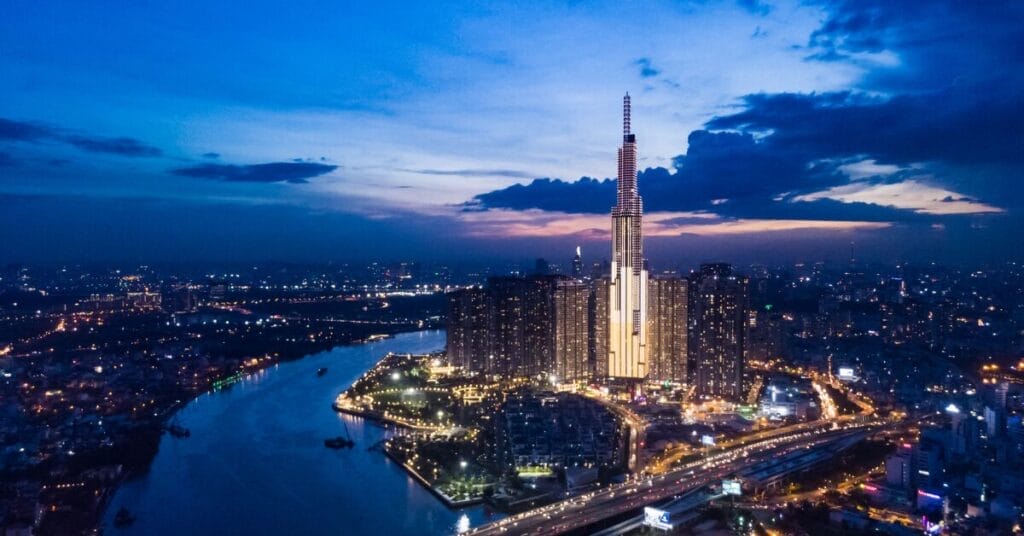
Ho Chi Minh City, still often referred to as Saigon, is the largest and most dynamic city in Southern Vietnam, serving as the region’s bustling economic, cultural, and transportation hub. This vibrant metropolis pulsates with energy, offering a fascinating blend of modern skyscrapers and historical architecture, a testament to its rich and complex past.
Key Highlights:
- Reunification Palace (Dinh Độc Lập): This historically significant building was the former residence and workplace of the President of South Vietnam. It’s a captivating site that offers a glimpse into the country’s pivotal moments, especially the end of the Vietnam War.
- War Remnants Museum: A poignant and powerful museum that vividly recounts the Vietnam War through photographs, artifacts, and exhibits, providing a crucial perspective on this significant period in history.
- Ben Thanh Market: An iconic symbol of Ho Chi Minh City, this bustling market is a sensory overload of sights, sounds, and smells. By day, it’s a place to find everything from local handicrafts and souvenirs to clothing and fresh produce. By night, the surrounding streets transform into a vibrant night market with numerous food stalls serving delicious Vietnamese cuisine.
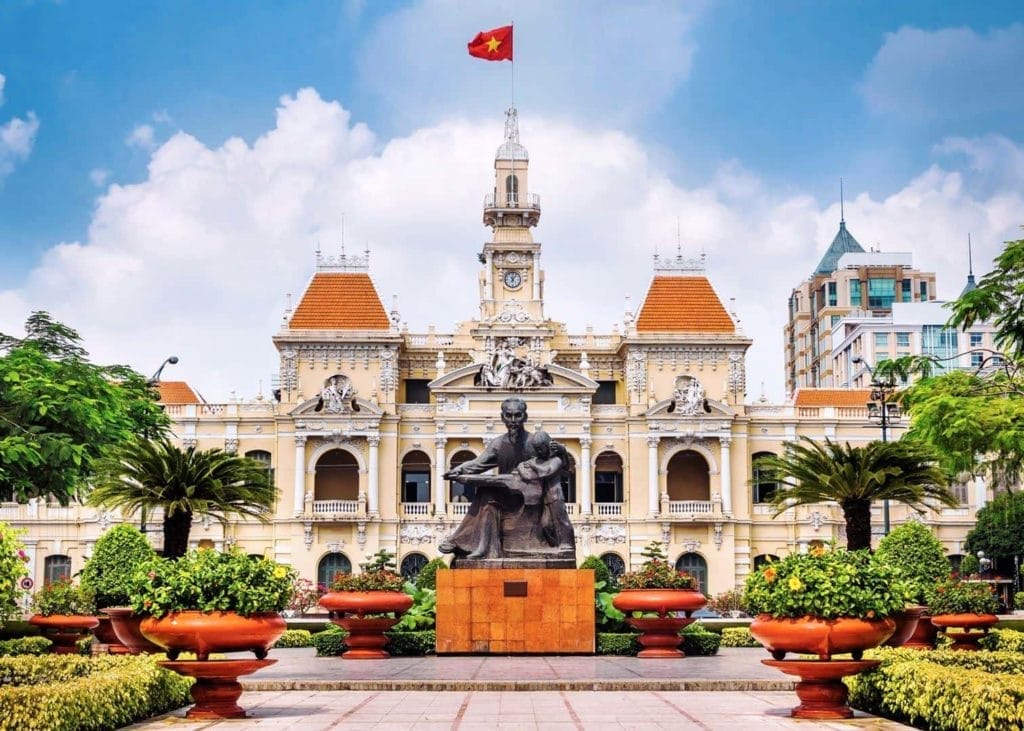
- Notre Dame Cathedral & Central Post Office: These stunning French colonial-era landmarks stand as architectural gems in the heart of the city. The Notre Dame Cathedral, with its neo-Romanesque design, and the grand Central Post Office, designed by Gustave Eiffel, are must-visit sites for their historical and architectural significance.
Exciting Activities:
- Motorbike Tours: Experience the city like a local by hopping on the back of a motorbike. Numerous tours offer unique perspectives, from exploring hidden alleyways and local markets to indulging in the city’s diverse street food scene.
- Rooftop Bars: Ascend to one of the city’s many stylish rooftop bars to enjoy panoramic views of the sprawling cityscape, especially stunning at sunset with a refreshing drink in hand.
- Night Food Tours: Embark on a culinary adventure after dark, sampling the incredible array of Vietnamese dishes from street vendors and local eateries, guided by knowledgeable locals.
Ideal For:
Ho Chi Minh City is perfectly suited for travelers interested in history, culture, urban exploration, and culinary delights. Its excellent infrastructure and wide range of accommodation options make it a convenient base for exploring the rest of Southern Vietnam.
The Mekong Delta: Life on the Water
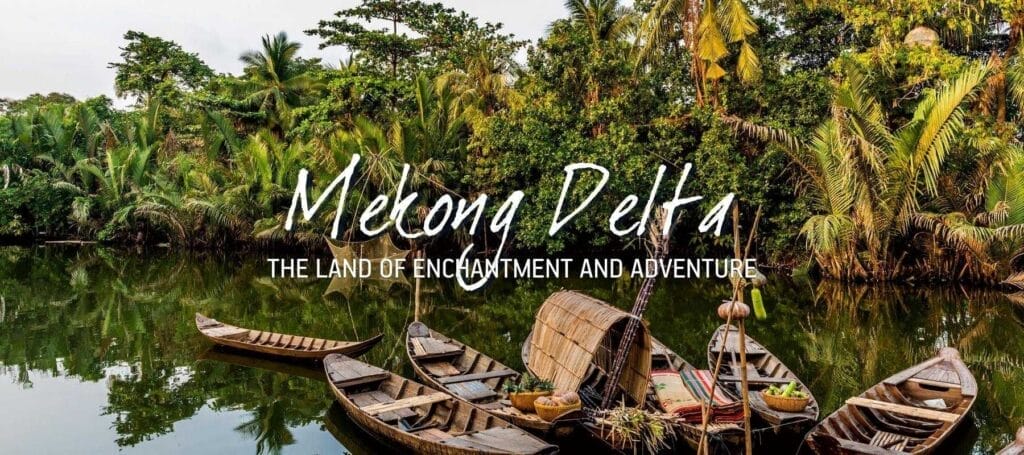
The Mekong Delta, often referred to as the “Rice Bowl of Vietnam,” is a mesmerizing network of rivers, canals, islands, and floating markets that offers a unique glimpse into rural Vietnamese life. This fertile region, where the mighty Mekong River empties into the sea through a complex web of waterways, is characterized by its lush vegetation, fruit orchards, and the vibrant culture of its river-dwelling communities.
Key Destinations:
- Can Tho: The largest city in the Mekong Delta, Can Tho is famous for its Cai Rang Floating Market, one of the most vibrant and authentic floating markets in the region. Explore the bustling waterways where vendors sell their goods from boats laden with fresh produce.
- Ben Tre: Known as the “Coconut Kingdom,” Ben Tre is a picturesque province crisscrossed by coconut palm-lined canals. Take a boat trip through these serene waterways, visit coconut candy factories, and experience the tranquility of rural life.
- My Tho: Easily accessible from Ho Chi Minh City, My Tho is a popular gateway to the Mekong Delta. Explore the Thoi Son and Phung islands, sample tropical fruits in local orchards, and enjoy a traditional Vietnamese lunch.
Activities:
- Boat Trips: The quintessential Mekong Delta experience involves gliding through the intricate network of canals and rivers by boat. Witness the daily life of the locals, observe traditional fishing methods, and admire the verdant landscapes.
- Floating Markets: Wake up early to witness the lively atmosphere of a floating market, where vendors trade their goods from boats, creating a colorful and bustling scene.
- Orchard Visits: Explore local fruit orchards, where you can sample a variety of fresh tropical fruits, often directly from the trees.
- Traditional Music (Đờn Ca Tài Tử): Enjoy a performance of “Đờn Ca Tài Tử,” a traditional form of Vietnamese folk music that is deeply rooted in the Mekong Delta culture.
Ideal For:
The Mekong Delta is perfect for travelers seeking an authentic cultural experience, an immersion in nature, and a slower pace of life. Staying in a local homestay provides an even deeper connection with the local community.
Phu Quoc Island: Tropical Paradise for All
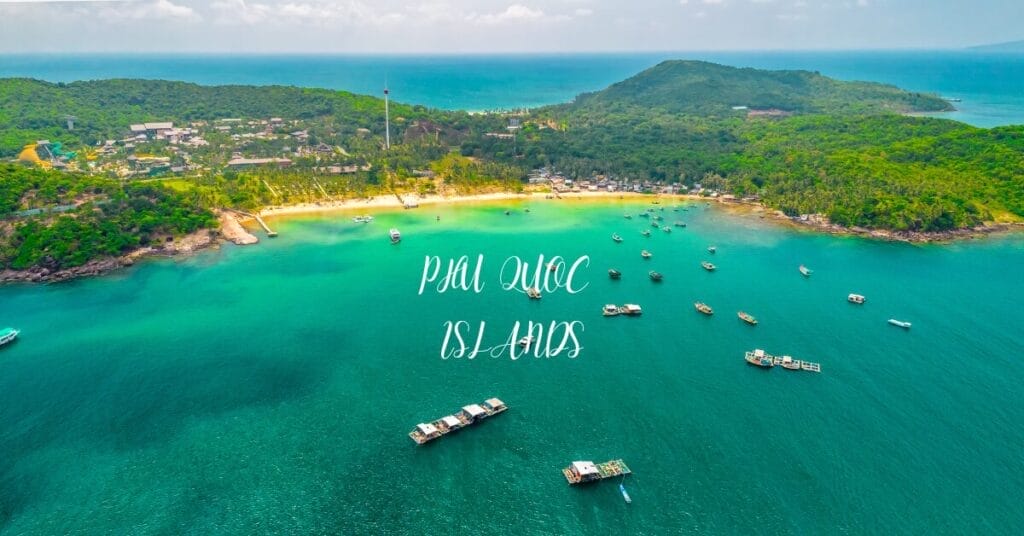
Phu Quoc Island, the largest island in Vietnam, is a true tropical paradise located off the southwestern coast. With its pristine white-sand beaches, turquoise waters, lush jungle interior, and a growing array of resorts and attractions, Phu Quoc caters to a wide range of travelers, from honeymooners seeking romance to families looking for fun and adventurers wanting to explore the natural beauty.
Must-Do Activities:
- Hon Thom Cable Car: Take a breathtaking ride on one of the world’s longest over-sea cable cars to Hon Thom Island (Pineapple Island), where you can enjoy pristine beaches, water parks, and various recreational activities.
- Snorkeling and Diving: Explore the vibrant coral reefs and diverse marine life that inhabit the waters surrounding Phu Quoc. Several islands, such as the An Thoi archipelago in the south, offer excellent snorkeling and diving spots.
- Phu Quoc National Park: Discover the island’s lush interior by hiking or trekking through the protected Phu Quoc National Park, home to diverse flora and fauna.
- VinWonders Phu Quoc & Safari: Enjoy a day of entertainment at VinWonders Phu Quoc, a large amusement park with thrilling rides, water parks, and an aquarium. Adjacent is the Vinpearl Safari, where you can encounter a variety of animals in a semi-wild environment.
- Beach Relaxation: Spend your days unwinding on Phu Quoc’s stunning beaches, such as Long Beach (Bai Truong), Sao Beach (Bai Sao), and Ong Lang Beach, each offering its own unique charm and ambiance.
Accommodation Options:
Phu Quoc offers a wide range of accommodation options to suit every budget and preference, from luxurious beachfront resorts with world-class amenities to charming and affordable bungalows nestled along the coast. You can also find guesthouses and homestays for a more local experience.
Ideal For:
Phu Quoc is an ideal destination for honeymooners seeking a romantic escape, families looking for a fun-filled vacation, and nature lovers wanting to explore beautiful beaches and lush landscapes.
Con Dao Islands: Untouched Beauty and History
The Con Dao Islands, an archipelago of 16 islands off the southeastern coast of Vietnam, offer a unique combination of pristine natural beauty and significant historical importance. Less developed than some other Vietnamese islands, Con Dao boasts untouched landscapes, tranquil beaches, and a sense of peaceful isolation.
Key Aspects:
- Historical Significance: Con Dao was once home to a notorious prison complex during the French colonial era and the Vietnam War, where thousands of political prisoners were incarcerated. Visiting the preserved prison sites provides a sobering and insightful look into Vietnam’s turbulent past.
- Natural Beauty: Despite its history, Con Dao is blessed with stunning natural beauty, including pristine beaches, crystal-clear waters, and lush forests. The Con Dao National Park protects a significant area of the archipelago, preserving its diverse marine and terrestrial ecosystems.
Activities:
- Prison Visits: Explore the various prison sites, such as Phu Hai Prison and the Tiger Cages, to learn about the harsh conditions and the resilience of the Vietnamese revolutionaries.
- Diving and Snorkeling: Discover the vibrant coral reefs and diverse marine life that thrive in the waters surrounding the islands. Bay Canh Island is a particularly popular spot for diving.
- Visiting Vo Thi Sau’s Tomb: Pay respects at the tomb of Vo Thi Sau, a young female revolutionary who became a symbol of Vietnamese patriotism.
- Relaxing on Beaches: Enjoy the tranquility of Con Dao’s beautiful beaches, such as Dam Trau Beach and An Hai Beach, known for their pristine sands and clear waters.
Ideal For:
Con Dao is well-suited for travelers who appreciate a blend of history, serene natural beauty, and a less crowded environment. It’s a place for reflection, exploration of the past, and enjoying the tranquility of untouched landscapes.
Mui Ne & Phan Thiet: Beach Fun and Sand Dunes
Mui Ne and Phan Thiet, located a few hours east of Ho Chi Minh City, are popular coastal destinations known for their stunning sand dunes, beautiful beaches, and excellent conditions for water sports. Easily accessible by bus or train, this area offers a diverse range of activities and attractions.
Highlights:
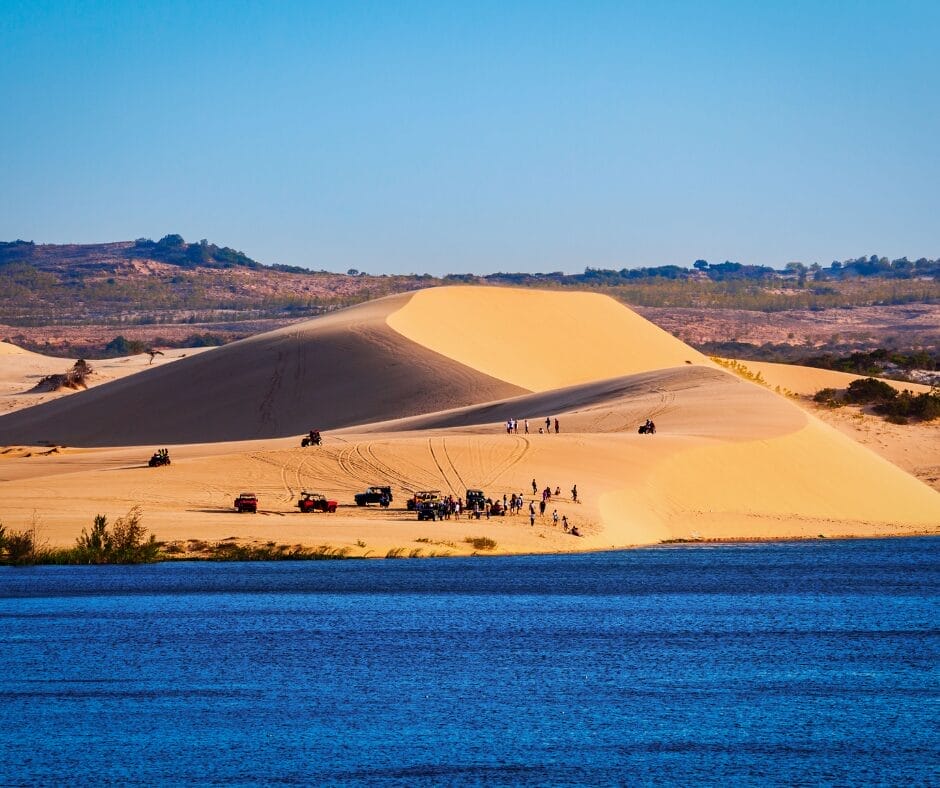
- White Sand Dunes (Bau Trang): A spectacular landscape of vast white sand dunes, offering stunning photo opportunities, especially at sunrise. You can rent ATVs or jeeps to explore the dunes or even try sandboarding.
- Red Sand Dunes (Doi Cat Do): Smaller but equally picturesque red sand dunes, located closer to Mui Ne town. These dunes are particularly beautiful at sunset.
- Mui Ne Fishing Village: Experience the authentic atmosphere of a traditional Vietnamese fishing village, with colorful boats and bustling seafood markets.
- Fairy Stream (Suoi Tien): A unique natural wonder, this shallow stream winds its way through colorful sand formations, creating a picturesque and refreshing walk.
- Kite Surfing: Mui Ne is renowned as one of the top kite surfing destinations in Asia, attracting enthusiasts from around the world due to its consistent winds.
Climate:
The Mui Ne and Phan Thiet area generally experiences a hot and dry climate year-round, making it ideal for beach activities and water sports at any time of the year.
Ideal For:
This region is perfect for young travelers, families, and beach lovers who enjoy active holidays, water sports, and exploring unique natural landscapes.
Vung Tau & Ho Tram: Weekend Getaways Close to Saigon
For those looking for a quick escape from the hustle and bustle of Ho Chi Minh City, Vung Tau and Ho Tram offer convenient and appealing weekend getaway options, easily reachable within 2-3 hours by car or speedboat.
Vung Tau:
- A popular coastal city known for its beaches, including Front Beach (Bai Truoc) and Back Beach (Bai Sau), its prominent Christ the King statue overlooking the city, and its fresh and affordable seafood. Vung Tau offers a more lively and public beach experience.
Ho Tram:
- A more secluded and upscale destination known for its pristine, long stretches of beach and luxury resorts. Ho Tram provides a tranquil and relaxing environment, ideal for those seeking a peaceful retreat.
Activities:
- Vung Tau: Visit the Christ the King statue for panoramic views, relax on the beaches, explore the lighthouse, and indulge in fresh seafood at local restaurants.
- Ho Tram: Unwind on the quiet beaches, enjoy the amenities of the high-end resorts, and connect with nature in a serene setting.
Ideal For:
Vung Tau is suitable for short, budget-friendly trips, offering a mix of beach relaxation and local exploration. Ho Tram is perfect for those seeking a more luxurious and private beach getaway, often appealing to couples and those wanting to escape the city noise. These destinations are also convenient for business travelers in Ho Chi Minh City looking for a quick respite.
Suggested Itinerary Ideas Based on Travel Duration
To help you plan your Southern Vietnam trip, here are some suggested itinerary ideas based on different travel durations:
✅ 5 Days Itinerary: Ho Chi Minh – Mekong Delta – Phu Quoc
This itinerary offers a taste of the city, the countryside, and the beach.
- Days 1-2: Ho Chi Minh City: Arrive in Ho Chi Minh City, explore key historical and cultural sites like the Reunification Palace, War Remnants Museum, and Ben Thanh Market. Enjoy the city’s vibrant atmosphere and delicious food.
- Day 3: Mekong Delta (Day Trip or Overnight): Take a day trip or an overnight tour to the Mekong Delta (e.g., My Tho or Ben Tre) to experience the floating markets, boat trips through canals, and fruit orchards.
- Days 4-5: Phu Quoc Island: Fly from Ho Chi Minh City to Phu Quoc Island for some relaxation on the beautiful beaches, snorkeling, or exploring the island’s attractions.
✅ 7–8 Days Itinerary: Ho Chi Minh – Mekong – Phu Quoc – Mui Ne
This itinerary combines cultural exploration with beach relaxation and some adventure.
- Days 1-2: Ho Chi Minh City: (Same as above)
- Day 3: Mekong Delta (Overnight in Can Tho): Explore further into the Mekong Delta, perhaps staying overnight in Can Tho to experience the Cai Rang Floating Market early in the morning.
- Days 4-5: Phu Quoc Island: (Same as above)
- Days 6-7 (or 6-8): Mui Ne: Travel by bus from Phu Quoc (via flight back to mainland and then bus) or directly from Ho Chi Minh City to Mui Ne. Enjoy the beaches, explore the sand dunes, try kite surfing, and visit the Fairy Stream.
✅ 10 Days or More: Ho Chi Minh – Mekong – Con Dao – Phu Quoc
This longer itinerary allows for a more in-depth exploration and includes a unique historical and natural destination.
- Days 1-2: Ho Chi Minh City: (Same as above)
- Days 3-4: Mekong Delta (Explore different areas like Can Tho and Ben Tre): Spend more time exploring the diverse landscapes and activities of the Mekong Delta.
- Days 5-7: Con Dao Islands: Fly from Ho Chi Minh City to Con Dao. Explore the historical prison sites, relax on the pristine beaches, and enjoy the peaceful atmosphere.
- Days 8-10: Phu Quoc Island: Fly from Con Dao back to the mainland (usually via Ho Chi Minh City) and then to Phu Quoc for extended beach relaxation and exploration of the island’s attractions.
These are just suggestions, and you can customize them based on your interests and the pace at which you like to travel.
Travel Tips for Your Southern Vietnam Trip
To ensure a smooth and enjoyable Southern Vietnam trip, here are some helpful travel tips:
- Transportation: Domestic flights are efficient for covering long distances between cities and islands. Consider booking in advance, especially during peak season. For shorter distances, consider comfortable limousine buses or the high-speed ferry to Vung Tau. Within cities, ride-hailing apps like Grab are convenient. For a more local experience, try a traditional cyclo or negotiate a price with a taxi driver beforehand.
- Culture and Etiquette: Be respectful of local customs and traditions. Dress modestly when visiting temples and pagodas. Learn a few basic Vietnamese phrases – it will be appreciated.
- Currency and Payments: The local currency is the Vietnamese Dong (VND). Credit cards are accepted in larger establishments, but it’s advisable to carry cash, especially for smaller businesses and markets. ATMs are readily available in cities and tourist areas.
- SIM Cards and Connectivity: Purchase a local SIM card upon arrival for easy access to internet and communication. Wi-Fi is widely available in hotels, cafes, and restaurants.
- Weather Preparedness: Pack light, breathable clothing suitable for the tropical climate. Bring sunscreen, a hat, and insect repellent. If traveling during the rainy season, pack a light raincoat or umbrella.
- Book in Advance: If traveling during the peak season (especially around holidays), it’s recommended to book your accommodation and tours in advance to secure availability and potentially better prices.
- Consider Package Tours: For certain destinations like the Mekong Delta, joining a well-organized day tour or multi-day tour can be a convenient way to see the highlights and learn from local guides, saving you time and ensuring a well-rounded experience.
Southern Vietnam presents a captivating array of destinations, each offering a unique flavor of Vietnamese culture, history, and natural beauty. From the vibrant urban pulse of Ho Chi Minh City to the tranquil waterways of the Mekong Delta and the idyllic shores of Phu Quoc, this region has something to enchant every type of traveler. Whether you have a few days or a couple of weeks, you can tailor your itinerary to explore bustling cities, immerse yourself in local life, relax on stunning beaches, or delve into the country’s rich history. A trip to Southern Vietnam is sure to leave you with lasting memories and a deep appreciation for the diversity and charm of this fascinating Southeast Asian gem.