
Bac Ha, nestled high in the mountains of Vietnam’s Lao Cai province, is widely celebrated for its vibrant Sunday market. This kaleidoscopic event, where diverse ethnic minorities gather in a riot of color and commerce, often overshadows the town’s deeper charms. However, for those willing to venture beyond the bustling market square, Bac Ha reveals a wealth of Bac Ha hidden treasures, offering an experience far more profound than a single day’s spectacle.
Stepping into Bac Ha on a weekday, or exploring its surrounding hamlets, is like uncovering a different world. The frenetic energy of market day gives way to the gentle rhythms of rural life. This allows for more intimate interactions and a deeper appreciation of the indigenous cultures. From ancient mansions echoing with history to terraced fields blooming with seasonal splendor, Bac Ha invites a slower, more immersive journey. This guide delves into these lesser-known facets, unveiling the Bac Ha hidden treasures that await beyond its famous Sunday spectacle. It offers a complete picture of this captivating highland region.
Why Explore Beyond the Market? Discovering Bac Ha’s Hidden Treasures
Bac Ha’s Sunday market is undeniably spectacular. However, limiting your visit to just market day means missing much of what makes this highland region truly special. Its enduring appeal lies in the layers of culture and nature that unfold when you delve deeper into its depths.
Authentic Village Life (Beyond Sunday Chaos)
The market is a vital convergence point. Yet, daily life in Bac Ha’s numerous ethnic minority villages offers a richer, more tranquil experience. This is one of the most rewarding Bac Ha hidden treasures.
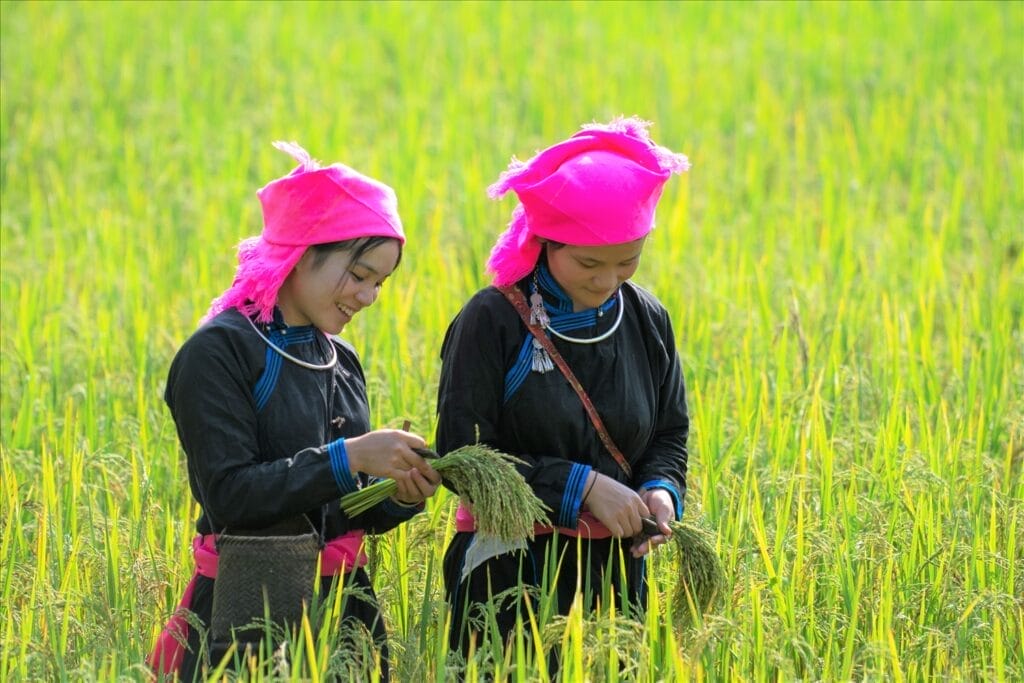
Daily Rhythms and Genuine Interactions: On non-market days, the usually quiet hamlets surrounding Bac Ha town come alive with the sounds of daily life. Wander through villages like Ban Pho, Na Lo, or Trung Do. Witness farmers tending their fields, women weaving intricate textiles by hand, and children playing freely. This offers a profound contrast to the bustling market. With fewer tourists present, opportunities for genuine interaction with local ethnic groups increase significantly. You might be invited to share a cup of tea. Observe traditional crafts being made. Learn about their customs firsthand. This fosters deeper cultural understanding and creates truly memorable connections.
A Mosaic of Ethnic Diversity: Bac Ha is a melting pot of cultures. It’s home to 14 distinct ethnic minorities. These include the Flower H’mong, Tay, Nung, Dao, Phu La, and Lo Lo people. Each group maintains unique languages, belief systems, and vibrant traditional costumes. Their distinct ways of life are often passed down through generations. Exploring their villages offers a fascinating glimpse into this rich cultural mosaic. Many still live in traditional houses. They preserve ancestral customs. This showcases the true Bac Ha hidden treasures of its people.
Trekking and Nature’s Grandeur
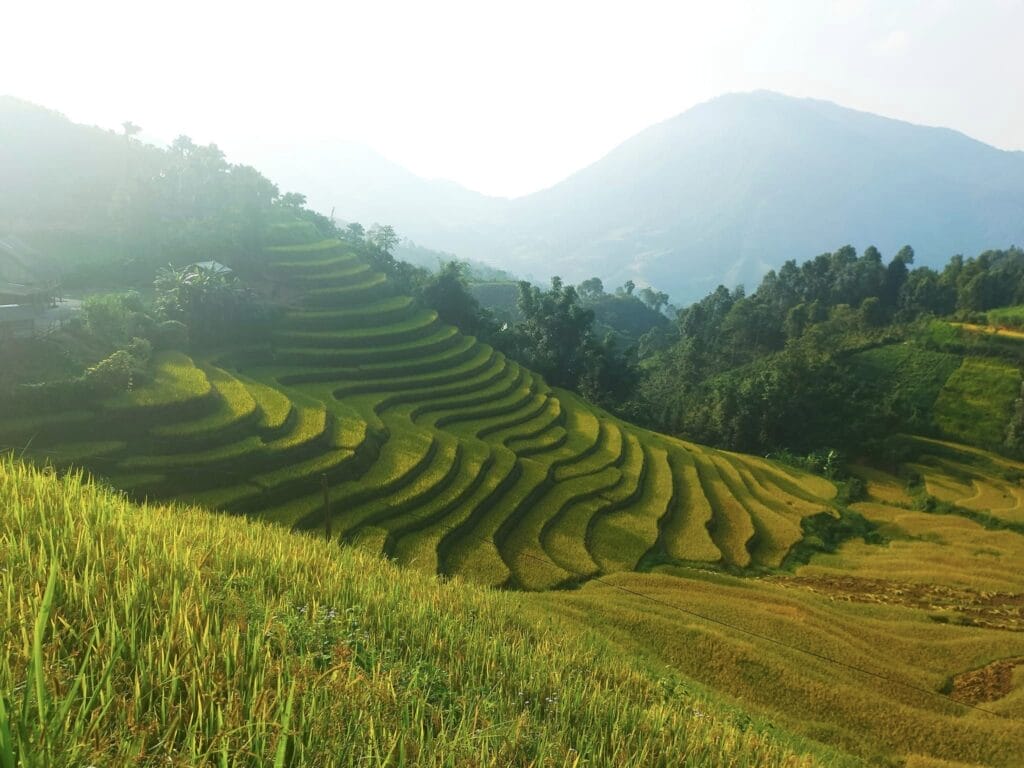
Bac Ha’s natural landscapes are breathtaking. They provide excellent opportunities for serene treks and exploration. They are a significant part of what makes Bac Ha a hidden treasure.
Mesmerizing Terraced Rice Fields: The region boasts stunning terraced rice fields. They cascade down mountainsides in intricate patterns. These fields are particularly beautiful during the “pouring season” (May-July). During this time, they are filled with water, reflecting the sky like mirrors. They are also glorious when they turn vibrant green (August) or golden (September-October) just before harvest. Trekking through these landscapes offers unparalleled scenic beauty and photographic opportunities. Routes might take you to villages like Ta Van Chu or Lung Phin.
Blossoming Orchards and Summer Fruits: Bac Ha is famous for its vast fruit orchards. In spring (late January to early March), immense plum and pear orchards blanket the hills. They burst into delicate white blossoms. This creates a stunning “White Plateau” effect, attracting photographers and nature lovers. In summer (May-June), these trees are laden with ripe, sweet plums (especially the famous Tam Hoa plums) and pears. Visiting the orchards allows for scenic beauty and a taste of fresh, local produce directly from the source.
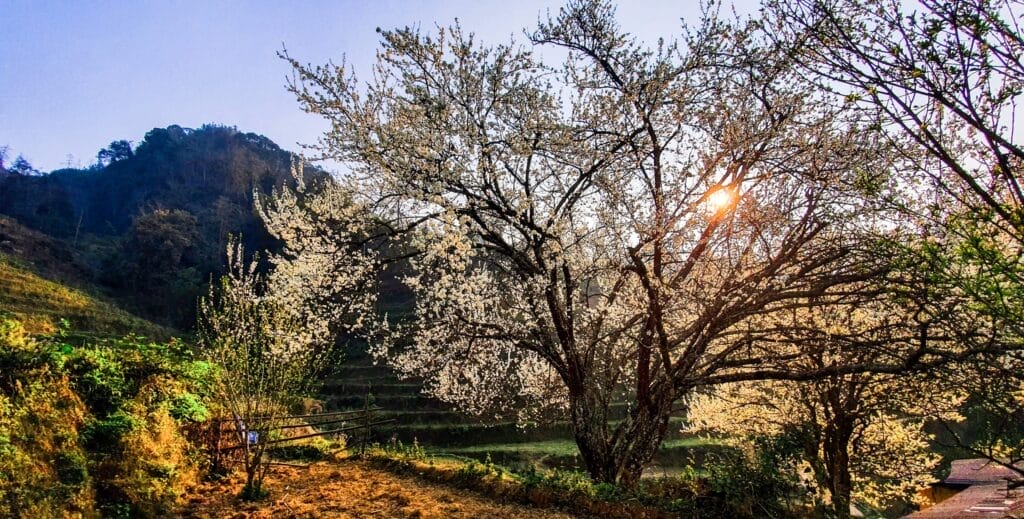
Lush Valleys and Serene Mountains: The surrounding valleys and mountains are incredibly verdant and serene. Numerous well-worn paths invite exploration. They offer fresh, crisp air and panoramic views. These lead you away from any lingering crowds from market day. This untouched natural environment is a true testament to Bac Ha hidden treasures.
Hoang A Tuong Mansion: A Historical Gem
This grand mansion stands as a captivating testament to Bac Ha’s complex past. It is a key architectural and historical attraction, revealing another layer of Bac Ha hidden treasures.
Unique Architectural Fusion: Built between 1914 and 1921, the Hoang A Tuong Mansion is a remarkable blend of East and West. It fuses classical French colonial architecture with traditional Chinese elements. Its bright yellow façade, arched windows, and intricate decorative details stand out strikingly amidst the highland landscape. The design reflects the era’s cross-cultural influences and the family’s sophisticated tastes.
Residence of a Powerful H’mong King: This magnificent structure served as the palace of Hoang Yen Chao, a powerful and influential H’mong leader. He effectively ruled the region as a semi-feudal lord during the early 20th century, collaborating with the French. Later, his son, Hoang A Tuong, inherited the mansion. It symbolized their immense wealth, authority, and the unique political landscape of the highlands during that period. It also represented a certain cultural identity and power within the H’mong people.
A Window into History: The mansion now functions as a museum. It carefully preserves artifacts, historical photos, and documents. These tell the compelling story of the Hoang family’s reign and their interactions with French colonial powers. It offers profound insights into the semi-feudal society that existed in Bac Ha before 1945 and the complex dynamics between ethnic groups and external forces. Exploring its rooms and courtyards provides a vivid glimpse into a pivotal era of Bac Ha’s history.
Unveiling More of Bac Ha’s Treasures: Culture, Cuisine & Adventure
Beyond the celebrated market and the grand mansion, Bac Ha’s cultural richness extends to its intricate traditional crafts, unique regional cuisine, and opportunities for serene adventures along its waterways. These experiences offer a deeper dive into Bac Ha’s hidden gems.
Traditional Craft Villages & Local Products
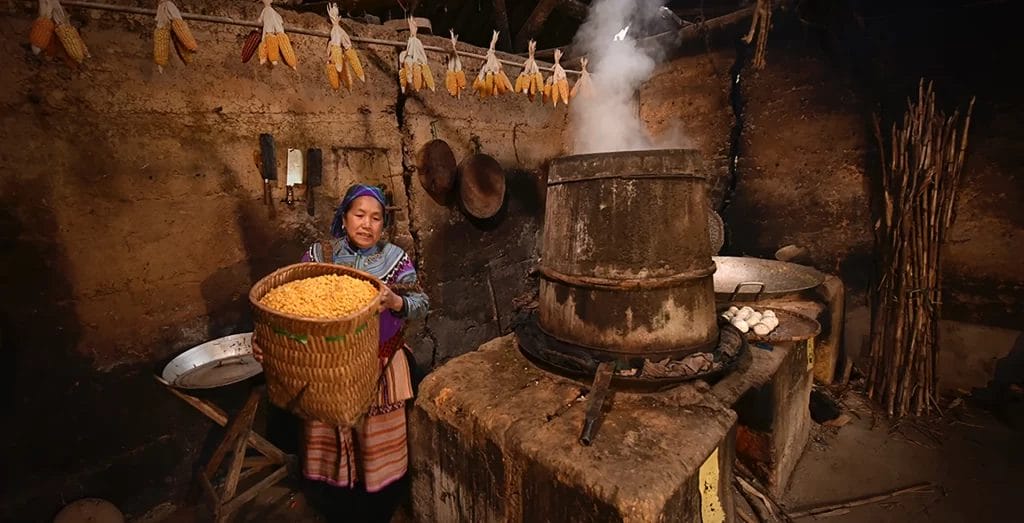
Bac Ha’s cultural richness truly shines through its traditional crafts and unique agricultural products. These represent significant Bac Ha hidden treasures.
Textile Weaving and Indigo Dyeing: Many of the ethnic minority groups in Bac Ha are highly skilled artisans. They create intricate brocade clothes and textiles. These feature vibrant colors, geometric patterns, and symbolic motifs unique to each group. You can often observe traditional weaving techniques in villages like Na Lo or Ban Pho. The process of indigo dyeing, where natural dyes from plants are used to create deep blue hues, is particularly fascinating to witness. Many women still hand-embroider their elaborate costumes. Visitors can purchase these authentic handicrafts directly from the artisans, supporting local livelihoods.
Corn Wine Production (Rượu Ngô): Ban Pho village, in particular, is renowned for its signature corn wine (Rượu ngô). This potent, yet surprisingly smooth, homemade liquor is distilled from a unique variety of local glutinous corn. The lengthy fermentation and distillation process results in a fragrant, slightly sweet, and distinctively flavored wine. Visiting traditional wine-making households allows you to learn about the intricate distillation methods. You can also sample this characteristic part of Bac Ha’s culinary and cultural heritage. It’s often enjoyed during gatherings and special occasions.
Other Handicrafts and Local Produce: Beyond textiles and wine, local artisans also craft beautiful silver jewelry, including intricate bracelets, bangles, necklaces, and earrings, often worn by the Flower H’mong women. Other handicrafts, such as embroidered bags, musical instruments, and wooden carvings, reflect the unique skills and artistic expressions of the ethnic communities. Bac Ha’s cool climate also produces unique agricultural goods like dried forest mushrooms and various medicinal herbs.
Local Cuisine: A Taste of Bac Ha’s Authentic Flavors
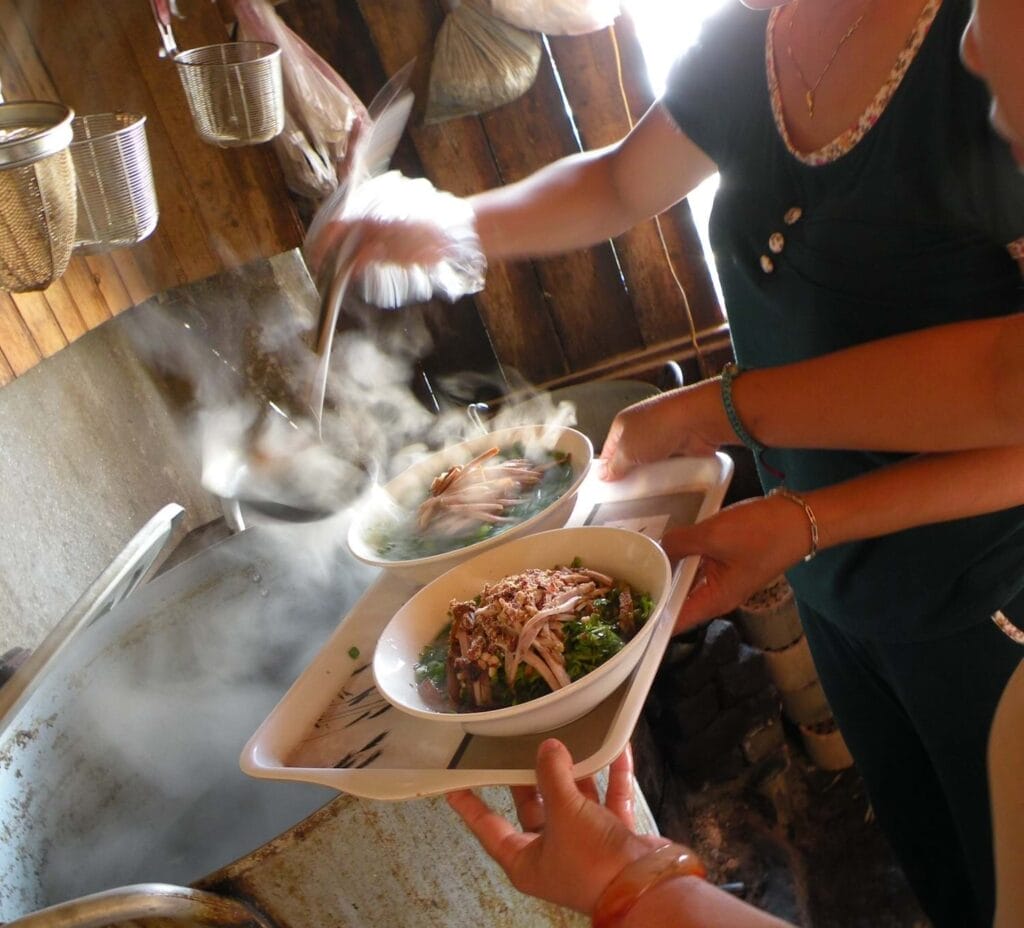
Bac Ha’s gastronomy is incredibly rich in unique flavors. It uses fresh, local ingredients, offering traditional dishes not commonly found in other parts of Vietnam. Exploring this cuisine is truly uncovering Bac Ha hidden treasures.
Thang Co: This is perhaps Bac Ha’s most iconic and traditional dish. It’s a hearty soup, historically made with horse meat and offal. Nowadays, buffalo, pork, or beef versions are also common. It’s slow-cooked with over 20 different aromatic spices, including cardamom, star anise, cinnamon, and lemongrass.
Pho Chua (Sour Pho): A refreshing twist on the ubiquitous Vietnamese noodle soup. Unlike standard Pho, Bac Ha Sour Pho is served cold, creating a tangy and invigorating experience. It typically combines marinated pork (or sometimes chicken), fresh herbs, roasted peanuts, chili, and a delicate sweet-and-sour broth made from vinegar.
Five-Color Sticky Rice (Xôi Ngũ Sắc): A beautiful and traditional dish primarily of the Tay ethnic people. This sticky rice is meticulously prepared and naturally dyed using various leaves and plants to achieve five vibrant colors: white (natural rice), red (gac fruit), black (black sesame or Nung leaves), yellow (turmeric), and purple (magenta leaves).
Seasonal Fruits and Local Produce: During the appropriate seasons, indulge in Bac Ha’s fresh fruits. This includes the famous Tam Hoa plums, sweet and tart pears, and ripe peaches. The local markets also offer a variety of unique wild vegetables and mushrooms, often picked from the surrounding forests.
Where to Find These Dishes: While some dishes like Thang Co are most readily available at the Sunday market, many local restaurants in Bac Ha town and homestays in surrounding villages serve these traditional dishes on any day of the week.
Nearby Caves & The Chay River Adventures

Bac Ha’s natural landscape offers more than just mountains and terraces. Its caves and rivers provide additional avenues for adventure.
Hang Tien (Fairy Cave): This mystical cave is a hidden gem. It’s located along the banks of the Chay River. It’s usually reached by a scenic boat trip. The cave is known for its cool, underground stream. It boasts magnificent stalactites and stalagmites. These form intricate, multi-level rock formations. Legend has it that fairies once wandered here. The cave offers a tranquil and awe-inspiring natural experience.
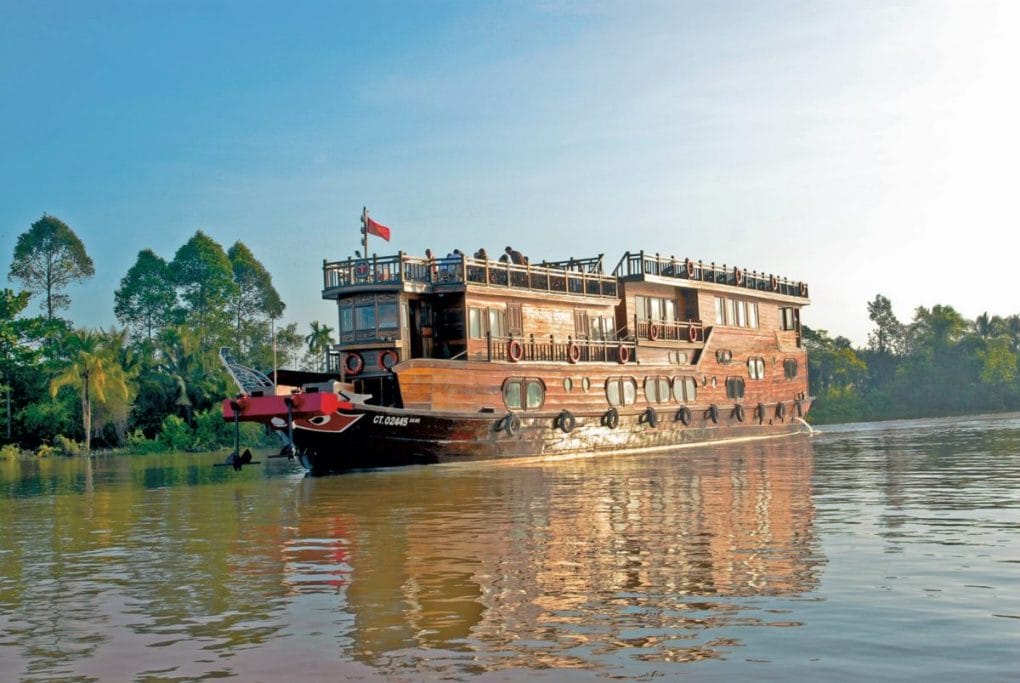
Chay River Boat Trips: Taking a leisurely boat tour along the Chay River is a fantastic way to explore the region’s natural beauty and local life. Trips often depart from Coc Ly (especially on Tuesday, which is a smaller market day). The scenery along the riverbanks is breathtaking. You’ll see imposing limestone mountains, primitive forests, and local villages nestled along the water’s edge. Some tours include a stop and a walk to Trung Do village, inhabited by Tay people, offering a peaceful glimpse into their way of life and traditional stilt houses. The river journey offers a unique perspective of Bac Ha’s landscape.
Planning Your Visit to Bac Ha’s Hidden Gems
To make your visit to Bac Ha smooth and enjoyable, consider these practical tips. This Bac Ha travel guide covers essential logistics for discovering its lesser-known side.
Best Time to Visit Bac Ha
Bac Ha offers unique charm across different seasons. Each season unveils different facets of Bac Ha hidden treasures.
Spring (January to April): This is the “White Plateau” season. Vast plum and pear orchards are in full bloom. Delicate white blossoms cover the hills, creating a stunning landscape perfect for photography. It’s also a time for vibrant local festivals, including various spring rituals and community gatherings.
Summer (May to July): Enjoy abundant ripe fruits, especially the famous Tam Hoa plums. The rice terraces turn from lush green to golden. The traditional horse racing festival (Hội đua ngựa Bắc Hà) is usually held in early June. It’s a thrilling cultural event.
Autumn (August to October): This is the golden season for terraced rice fields. They turn a rich yellow before harvest. The weather is generally pleasant. This is considered one of the best times for trekking and photography, offering stunning vistas and comfortable temperatures.
Winter (November to December): Cool and often misty. A chance to see a “sea of clouds” phenomenon over the valleys, creating ethereal landscapes. Local markets are still active, and you can experience the warmth of local hospitality.
Getting There: Your Gateway to Bac Ha
Bac Ha is located about 70km southeast of Lao Cai City. It’s roughly 300km from Hanoi. Getting there requires some planning, but the journey itself is part of the adventure in reaching Bac Ha’s hidden treasures.
By Train (Recommended): This is often the most comfortable and scenic option. Take an overnight train from Hanoi to Lao Cai (8-9 hours). Then, take a local bus or private car/minivan for the remaining 2-hour mountainous journey to Bac Ha. Reputable train carriages include Livitrans, Fanxipan Express, or Chapa Express, offering comfortable sleeper berths.
By Bus: Sleeper buses operate directly from Hanoi to Bac Ha (around 6-7 hours). While often more budget-friendly, the mountainous roads can be winding, and comfort levels vary. It’s a direct option for those prioritizing cost.
Connecting from Sapa: Bac Ha can also be reached from Sapa. It involves a 2-3 hour car or motorbike journey. This allows you to combine your mountain adventures.
Getting Around Bac Ha:
Exploring Bac Ha’s hidden treasures effectively requires understanding local transport options.
Walking: Bac Ha town itself is compact and walkable. Many nearby ethnic villages, like Ban Pho, are accessible by easy treks from the town center. This is the best way to immerse yourself in local life.
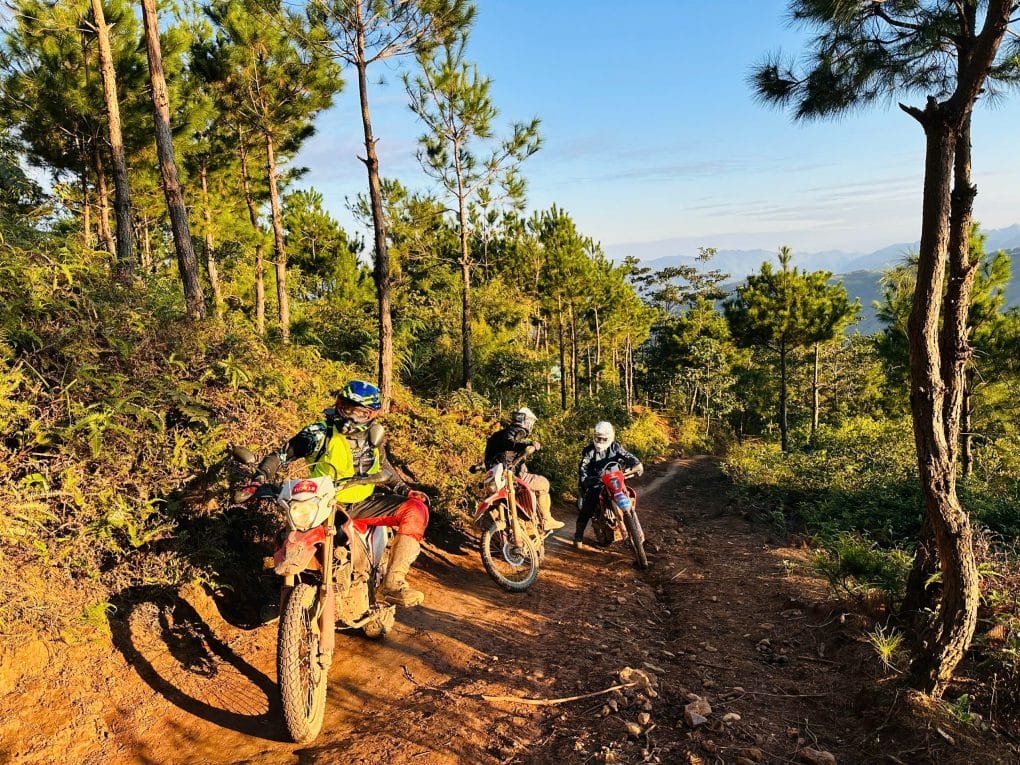
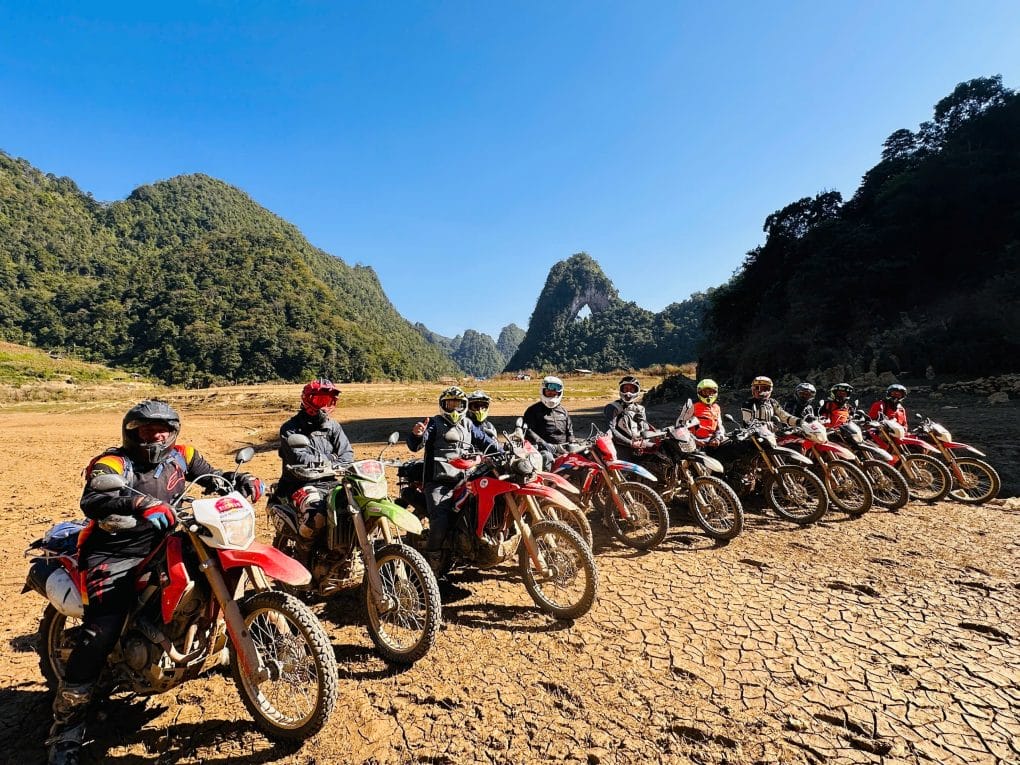
Motorbike Rental: For independent exploration of the surrounding areas (orchards, remote villages, waterfalls, caves), motorbikes can be rented in Bac Ha town. However, be cautious on mountainous and sometimes unpaved roads. Only rent if you are an experienced rider.
Xe Om (Motorbike Taxi) or Car with Driver: These are easily hired for trips to specific attractions or villages. Negotiate prices beforehand. Hiring a local driver can offer valuable insights and overcome language barriers.
Where to Stay in Bac Ha:
Bac Ha offers a range of authentic accommodations perfect for experiencing Bac Ha’s hidden treasures.
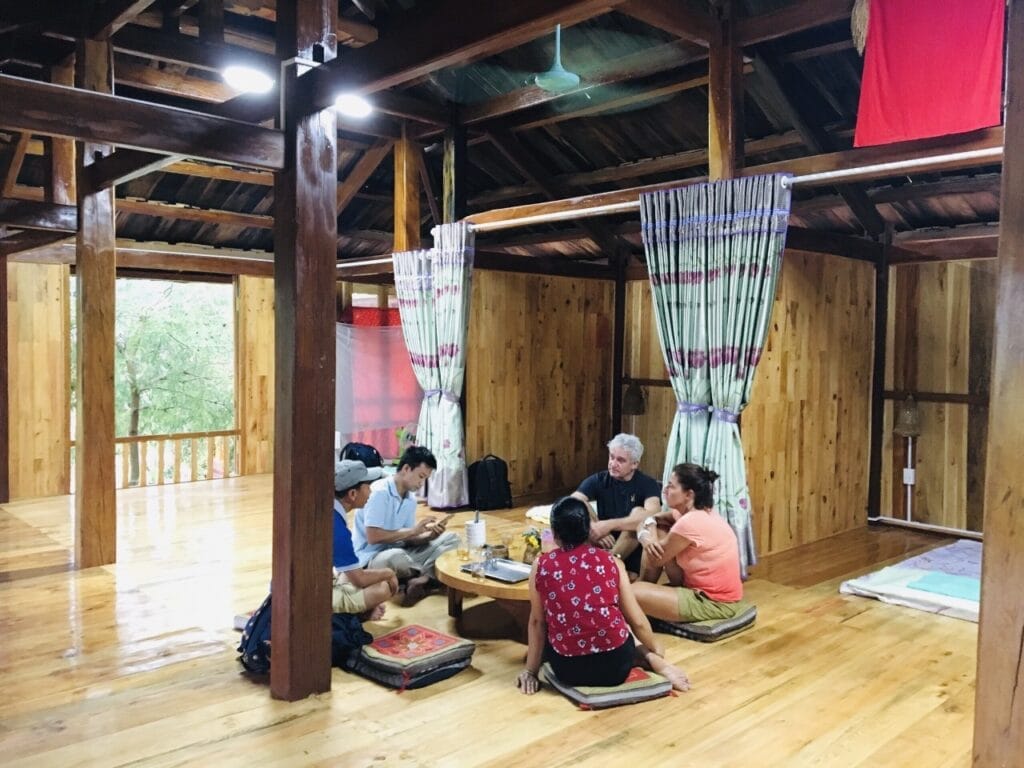
Homestays: The most popular choice for cultural immersion. Stay in traditional stilt houses in villages like Ban Pho, Na Lo, or Trung Do. Share authentic meals with local families. Experience their daily life firsthand. These often offer basic but clean facilities, providing a genuine connection.
Guesthouses/Small Hotels: Bac Ha town has several simple, family-run hotels and guesthouses. They offer basic but comfortable en-suite rooms, often with mountain views. They are a good option for those seeking more privacy than a homestay.
Benefits of Extended Stay: To truly uncover Bac Ha’s deeper charm, plan to stay for at least two or three nights, extending beyond just the Sunday market. This allows ample time for trekking, village visits, and enjoying the peaceful atmosphere.
Bac Ha’s Deeper Allure
Bac Ha is undeniably famous for its Sunday market, a spectacle of vibrant colors and bustling trade. However, as this guide to Bac Ha’s hidden treasures reveals, the true magic of this highland region lies far beyond its most famous day. It’s in the quiet authenticity of its ethnic villages, the breathtaking beauty of its terraced landscapes, the historical grandeur of the Hoang A Tuong Mansion, and the unique flavors of its local cuisine.
Exploring Bac Ha means stepping into a world where time seems to slow. You can trek through pristine nature, discover ancient traditions, and connect deeply with warm and welcoming communities. It’s an invitation to experience Vietnam’s northern highlands in a more profound and personal way. Indeed, Bac Ha truly is one of Vietnam’s most compelling hidden gems.
So, plan an extended stay. Venture past Sunday morning. Let Bac Ha unveil its deeper allure. Discover the true Bac Ha hidden treasures that make this region an unforgettable part of your Vietnamese adventure.