
On your first night in Thailand, when the warm tropical air carries the sizzling scent of grilled pork skewers, the rumble of motorbikes drifting past, and the call of hawkers inviting you to “just one more dish”, you realise that thai street food is far more than a meal—it is a full-bodied travel experience. In a destination full of temples, beaches, and lush jungles, it is the ever-present street-side stall that often becomes the most memorable highlight of your journey. In this detailed travel narrative, we’ll explore exactly why street food in Thailand captures hearts, entry-level travellers and seasoned explorers alike, combining local authenticity, sensory richness, budget-friendly freedom, cultural immersion and genuine joy.
The moment you stroll down a side-lane in Bangkok, or arrive at a night-market in Chiang Mai, you encounter something that transcends the usual “what to eat when visiting Thailand” list. Thai street food is the living, breathing heart of the destination: it pulses with local energy, stands ready at any hour, and gives you a sense of place that no five-star resort ever will. As one travel writer puts it, “Street food is life and in Bangkok, life is street food.”
Here are the key reasons why it becomes a highlight—each one blending travel-savvy insight with lived-in storytelling.
Why you’ll remember it: the five-fold magic of Thai street food
1. Local culture on a plate
Eating at a street cart in Thailand means you’re doing more than ticking off dishes—you’re stepping into a cultural ritual. The vendors often have generations of tradition behind them, and the ingredients reflect the regional mix of Thai-Chinese, Malay, Indian and local Buddhist influences. The vibrant flavours, the loud sizzling stations, the communal plastic stools—these all make thai street food a vivid slice of Thailand’s daily life.
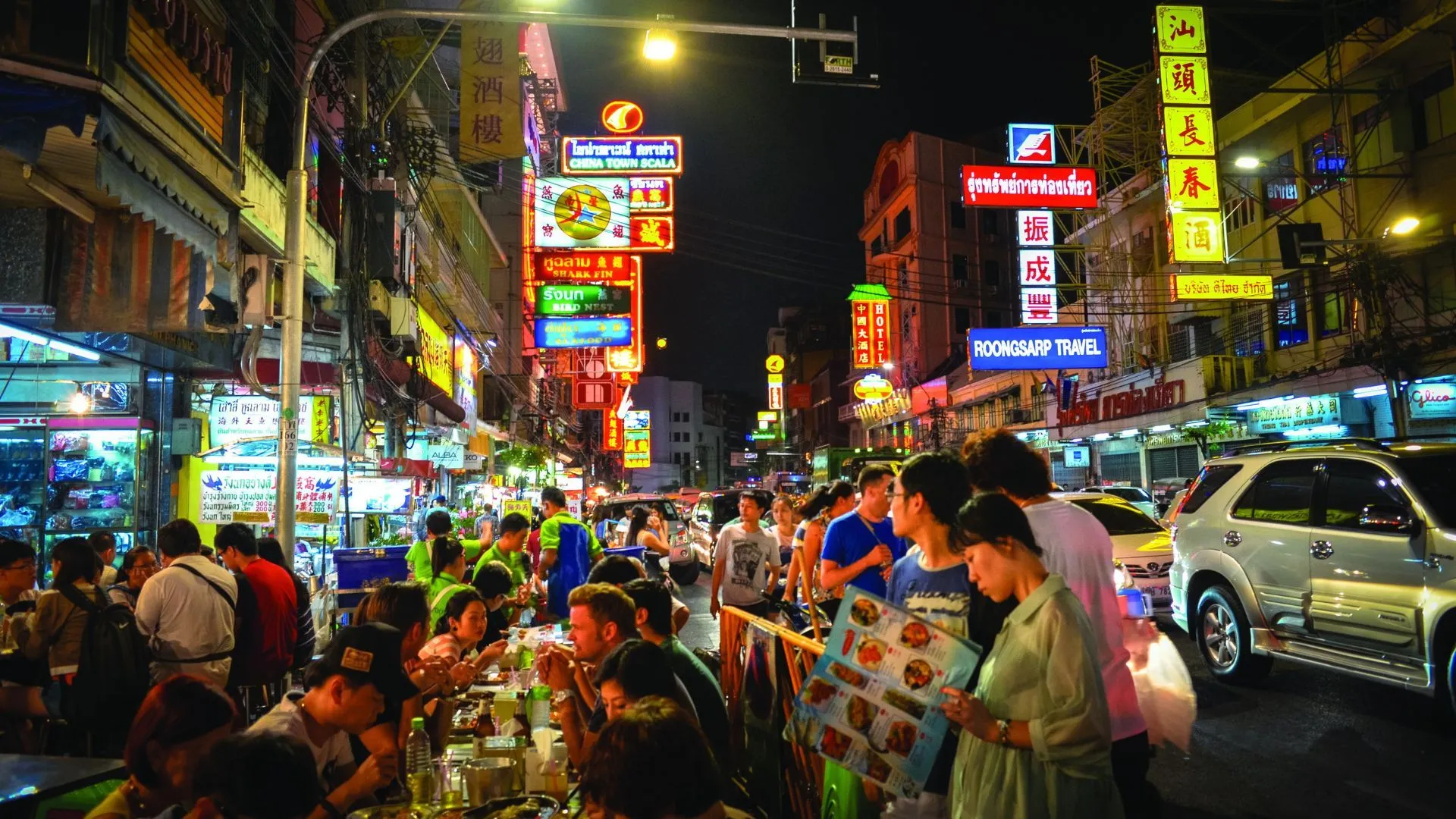
When you savour a plate of sticky rice with barbecued pork, or a bowl of boat noodles beneath the neon lights of Yaowarat (Bangkok’s Chinatown), you are tasting far more than food—you are tasting history, heritage and local rhythm. The experience becomes an entry point into the essence of “visiting Thailand” and feeling it, not just seeing it.
2. Flavour-rich, bold, and unforgettable
In Thailand the flavours don’t play it safe. Every bite of thai street food brings heat, sweetness, sourness and spice—all in one glorious rush. Think of a steaming bowl of tom yum goong, the tang of green papaya salad (som tam) energising your palate, or coconut ice-cream served in a coconut shell on the street. The sheer intensity and variety of flavours make this cuisine unforgettable.
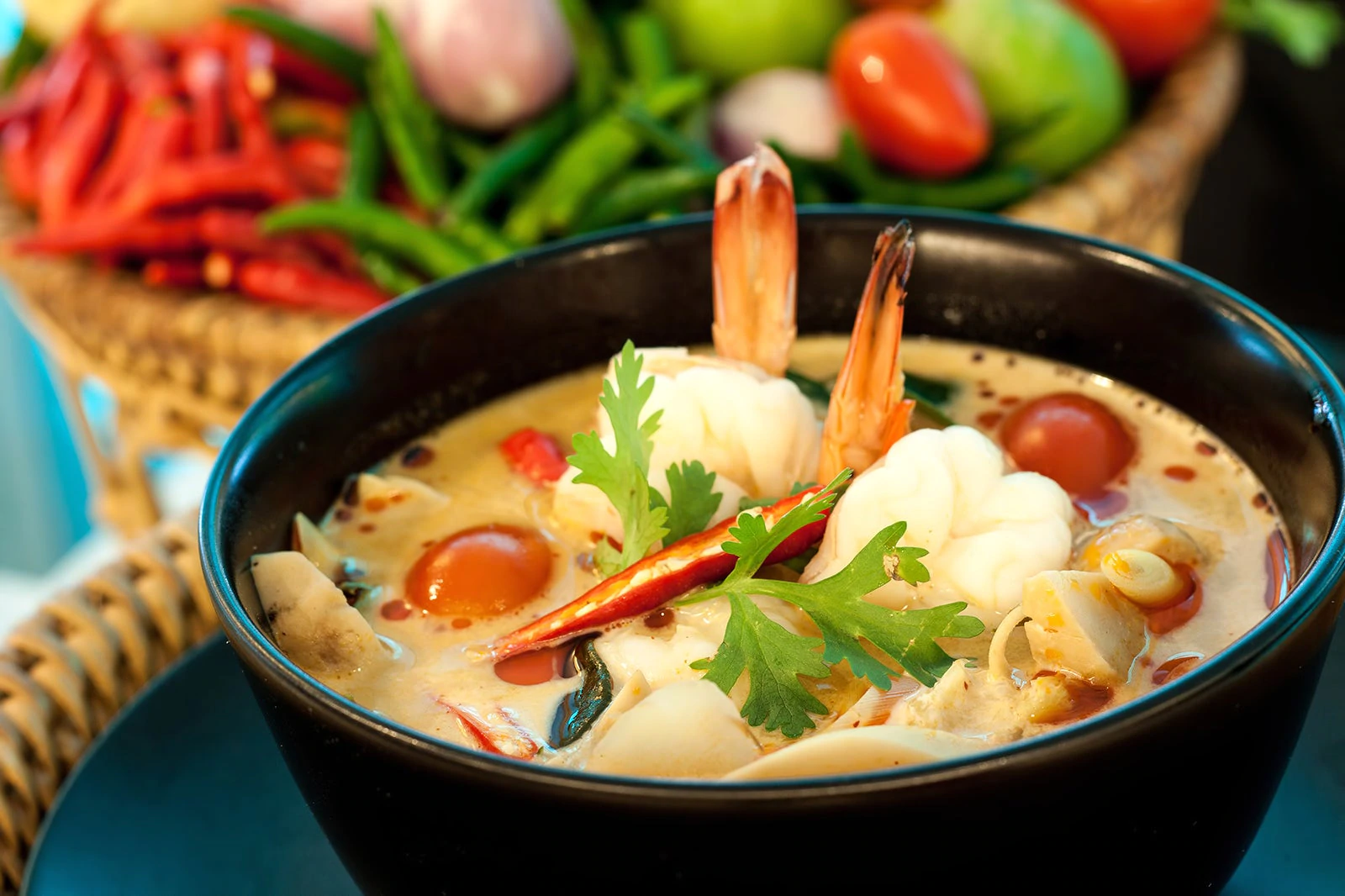
Because you’re often eating right where the cooking happens, you can smell and watch the process: woks flashing, garlic and chilli kissed by flame, marinades caramelising. It’s part performance, part food—a total-immersion sensory event.
3. Accessibility and budget freedom
One of the most liberating things about thai street food is how easy it is to access and enjoy. Unlike formal restaurants that require reservations or carry high price tags, many food-stalls are street-corners, simple chairs, a few dishes, and a local crowd. As noted by travel bloggers, even heavy tourist traffic doesn’t push prices too high: you can eat like a local for just a few dollars.
For you as a traveller aged 35-65+ (or younger) exploring Thailand with curiosity and comfort, this means genuine food experiences without the stress of big budgets. It also means freedom—no dress codes, no formalities, just food, flavour and fun.
4. Immersion into everyday local life
When you sit on a little plastic stool between a taxi driver having a snack and a local market-person grabbing dinner, you realise this isn’t tourist theatre—it’s life unfolding. That immersion is central to why thai street food is such a highlight. It becomes a moment of connection: you’re not just visiting Thailand, you’re dining in it.
The crowd, the banter, the shared tables—these all create a social environment. As one writer put it, street food in Thailand is breakfast, lunch and dinner for the average person, not just for visitors.
In that way, your travel narrative changes from “I visited Thailand” to “I experienced Thailand”.
5. Constant discovery and local highways
No two nights are ever exactly the same. One evening you may find a fiery northern-Thai dish with chilli-pork in Chiang Mai; the next you’re sampling grilled seafood around the Phuket night-market; the next you’re back in Bangkok for boat noodles under the bridge. The spread of thai street food across regions—Bangkok, Chiang Mai, Phuket, Hua Hin—and the local variations encourage exploration, spontaneous detours, and heartfelt discovery.

As one blog on Bangkok’s street-food sanctuaries notes: “Where there are people, there will be food.”
>This sense of wander-and-wander again is central to travel blog style: you’re not just finding attractions; you’re finding hidden gems, following your appetite, and letting the city lead you.
How to approach Thai street food: smart, curious, comfortable
To truly make thai street food a highlight of your Thailand travel guide (and your personal story), here are the in-depth practical habits and mindset tips that elevate the experience.
Choose the right time and place
Go where the locals go. Seek high-turnover stalls (fresh ingredients, fast service), check if the condiments are freshly refilled and trays are clean. Skip carts that have been parked all day under tarps. Many guides suggest letting your nose lead you—smell the garlic, chilli, grill.
Also, avoid Monday mornings in Bangkok’s main food-zones: weekly cleaning sometimes reduces street-stall presence.
Ask questions, embrace the unknown
Don’t shy away from asking the vendor “What’s good tonight?” or “Mild or spicy?”. Use the opportunity to learn about ingredients. If you see “khao neow moo ping” (sticky rice with grilled pork) or “som tam thai” (green papaya salad), you’re in for a treat. These micro-choices become part of the storytelling of your trip.
Use your curiosity to connect: ask about local origins, how long they’ve been cooking, what dish locals order.
Respect culture & hygiene lightly but smartly
Street-food culture in Thailand is rich, but it’s wise to apply common-sense. Choose stalls where the cooking is done fresh, look for fruit with intact skins, eat lightly if you’re adjusting to local food. Avoid drinking tap water; opt for sealed bottled water or ask for filtered drinking water.
This ensures you remain well, so your travel story remains joyful rather than disrupted.
Use your meals to explore regionally
If your travel has you in northern Thailand, sample the northern-style “khao soi” (curry noodle soup). On an island visit go for grilled seafood and coconut-shakes by the beach. In Bangkok, find the lively Chinatown alleys and make a night of it.
>By doing this you turn a single phrase—thai street food—into multiple sub-journeys: “street food in Bangkok”, “island street food experience”, “northern Thai street dishes”.
Capture the moment, but live the moment
Yes, take that photo of the sizzling wok, the colourful market lights, the smiling vendor flipping satay. But then put your phone down and taste. Let your blog-style narrative capture the sounds (“clink of metal trays”), the smells (“garlic-charred pork over jasmine rice”), the emotions (“that first perfect bite when your travel fatigue melted away”).
Those sensory details become memorable hooks in your content and in your travel memory.
Why this matters for your Thailand travel story
When you’re writing a travel blog-style article for a tour operator or crafting content for travellers aged 35-65+ who love exploring and food, emphasising thai street food has multiple layers of value:
-
It aligns with Thailand travel tips: practical, immediate, and deeply memorable.
-
It fits in a Thailand travel guide format: you can embed sections on where to eat, when to go, what to try.
-
It becomes a highlight in a Thailand tour offering or itinerary: e.g., “Evening street-food walk through Bangkok’s Chinatown”.
-
It is accessible to your target travellers (AU, NZ, US, EU) who may be exploring in their 40s-70s, and want something authentic, active, engaging—not passive resort lounging.
So your content becomes richer, more human, and memorable: you’re not just telling readers “go here” but you’re helping them feel what it’s like — fear of the unfamiliar, excitement of the first bite, joy of discovering a local favourite.
FAQ – People Also Ask
Q: Is street food in Thailand safe for tourists?
A: Yes, many street-food stalls in Thailand have high turnover, fresh ingredients and local hygiene awareness. To be extra safe, pick vendors with a queue of locals, avoid raw-seafood stalls in hot sun, and choose sealed bottled water. Learn local cues like clean condiment trays.
Q: What are some must-try Thai street dishes for first-timers?
>>>>>>A: Go for dishes like pad thai, som tam (green papaya salad), khao neow moo ping (sticky-rice grilled pork), tom yum goong (spicy shrimp soup), boat-noodles in Bangkok. These offer bold flavour and immediate local appeal.
Q: When is the best time to eat street food in Thailand?
A: Evening markets tend to be busiest—with many vendors setting up from 5-6 pm onward. In city centres avoid very early morning when fewer stalls are open; for islands some beachfront vendors operate until late. In Bangkok note that Mondays may have fewer street stalls due to cleaning routines.
Q: How much should I budget for street-food meals in Thailand?
A: Very modest. Many dishes at street stalls cost a few US dollars. Eating two or three dishes plus a drink might be comparable to a cafe-meal in Western countries. This makes it a budget-friendly, value-rich part of your travel experience.
Q: Can street food be part of a honeymoon or luxury travel experience?
A: Absolutely. Even if you stay in a luxury resort, scheduling an evening street-food walk in Bangkok, or a romantic dinner-stall by the beach in Phuket, adds authenticity and shared memory to your honeymoon. It’s the kind of experience that complements, rather than competes with, resort luxury.
As you plan your next Southeast Asia journey, let us guide you on a curated Thailand tour that includes immersive street-food experiences by night, local markets by day. And memories that last far longer than any resort stay.
Tags:
Bangkok street food,Thai cuisine,Thai street food,thailand culture,thailand food guide,Thailand honeymoon ideas,Thailand itinerary,Thailand travel,thailand travel blog,Thailand travel tips