
Thailand Is More Than Temples and Beaches
Thailand dazzles with postcard beauty—golden temples, turquoise waters, and bustling night bazaars. But behind the highlights lies something deeper, more enduring: a living, breathing culture shaped by spirituality, hospitality, history, and an unspoken rhythm of everyday life.
For travelers, experiencing this culture authentically means going beyond the surface. It’s not just watching a traditional dance performance—it’s learning the story behind it. It’s not just tasting the curry—it’s cooking it with someone’s grandmother in their open-air kitchen.
In this article, we invite you to move past sightseeing and into soul-seeing. From ancient rituals to local wisdom, here’s how to truly make the most of Thai culture—not as a spectator, but as a respectful, open-hearted participant.
Setting the Scene: Culture as a Way of Being, Not a Tourist Attraction
Thailand’s culture isn’t something locked behind museum glass or performed only for travelers. It’s woven into daily life—from the wai greeting to the offerings placed quietly at a spirit house before sunrise. It’s felt in the way a shopkeeper says “khob khun ka” with a smile, or how monks walk barefoot through the streets collecting alms.
To experience Thai culture fully, we must slow down, stay curious, and let go of assumptions. Culture here isn’t something you consume—it’s something you step into with humility and presence.
Temples: Beyond Sightseeing, Into Stillness
Entering with Respect, Not Just a Camera
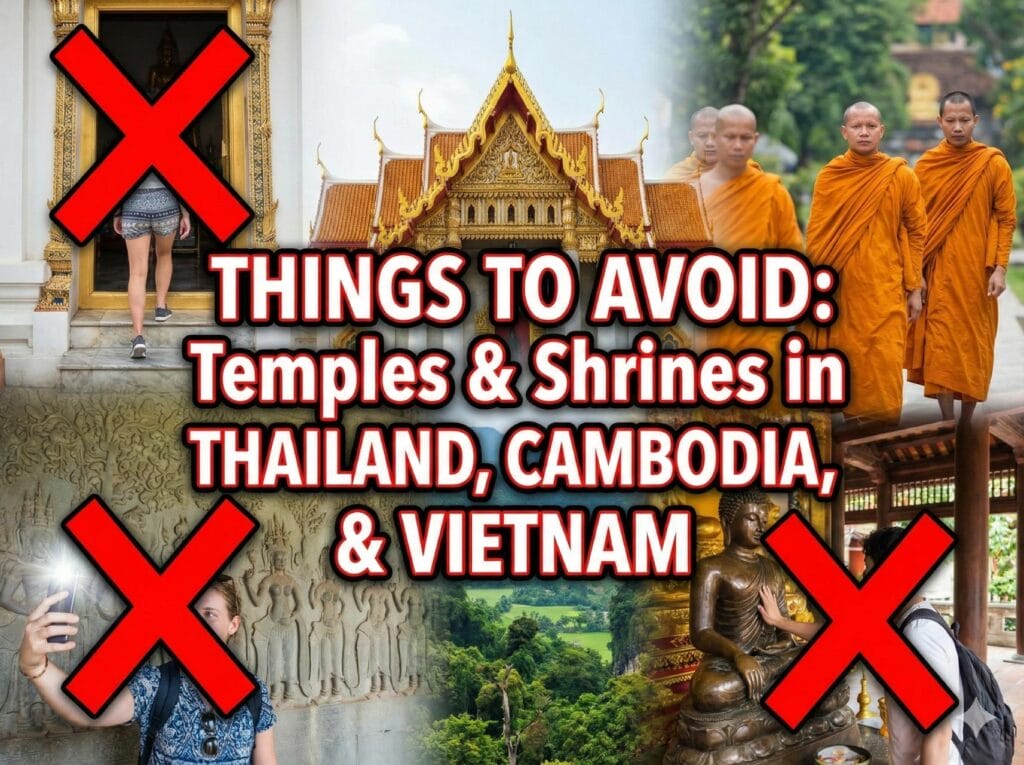
Temples in Thailand are not mere landmarks—they are living spiritual centers, deeply embedded in Thai daily life. While they may dazzle you with gilded stupas and intricate carvings, the deeper experience lies in how you engage with them.
Take time to observe how locals move through temple grounds—quiet, barefoot, intentional. Sit in silence during a morning chant, join a monk chat at Wat Suan Dok in Chiang Mai, or offer incense at a shrine without needing a photo. These acts, simple and sincere, open up real understanding.
Remember: it’s not about how many temples you see. It’s about what you let them reveal to you.
Markets: Where Culture Is Alive, Loud, and Delicious
Letting the Senses Guide You
Thailand’s markets are cultural arenas—part theater, part kitchen, part community hub. Here, you witness the art of bargaining, the pulse of local life, and the unfiltered energy of Thai identity.
But don’t just walk through. Stay a while. Ask a vendor what that mystery fruit is. Try a snack you’ve never seen. Watch how ingredients are prepped, how elders handpick vegetables, how kids help their families run stalls.
Markets aren’t just about food—they’re about connection, tradition, and trust. They’re where Thailand talks—through scent, sizzle, and smile.
Food Culture: From Eating to Understanding
Cooking as a Cultural Language
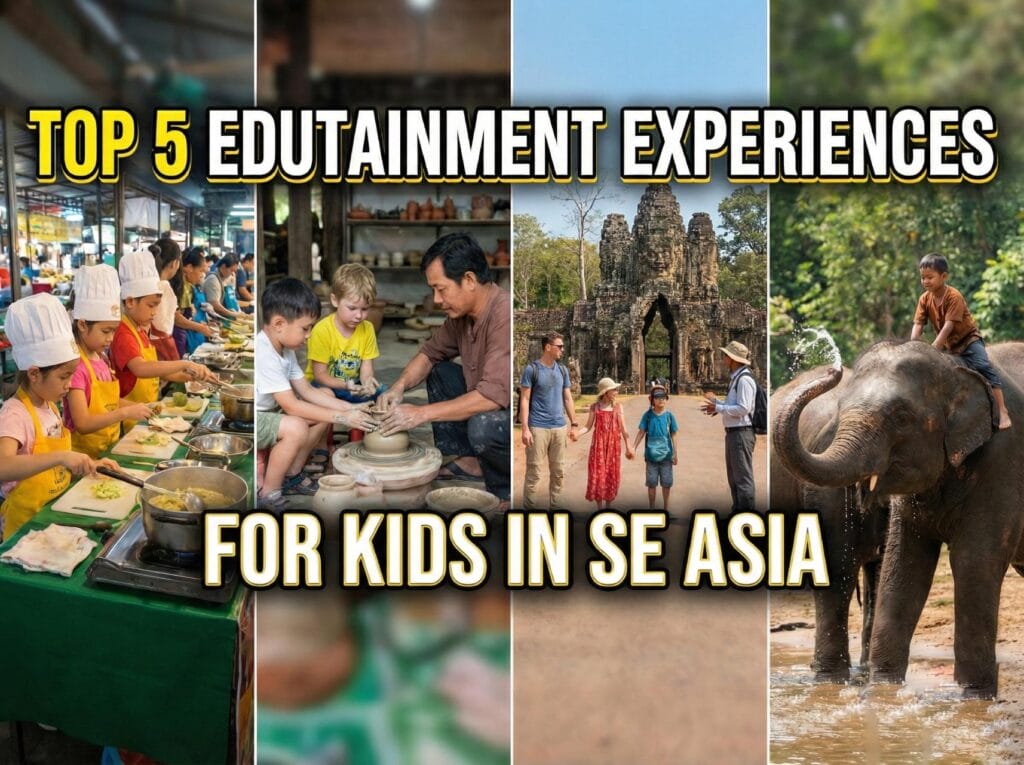
Thai cuisine is famous worldwide, but its roots run deep. To truly understand Thai food, don’t just eat it—learn how it’s made, why it’s made, and with whom.
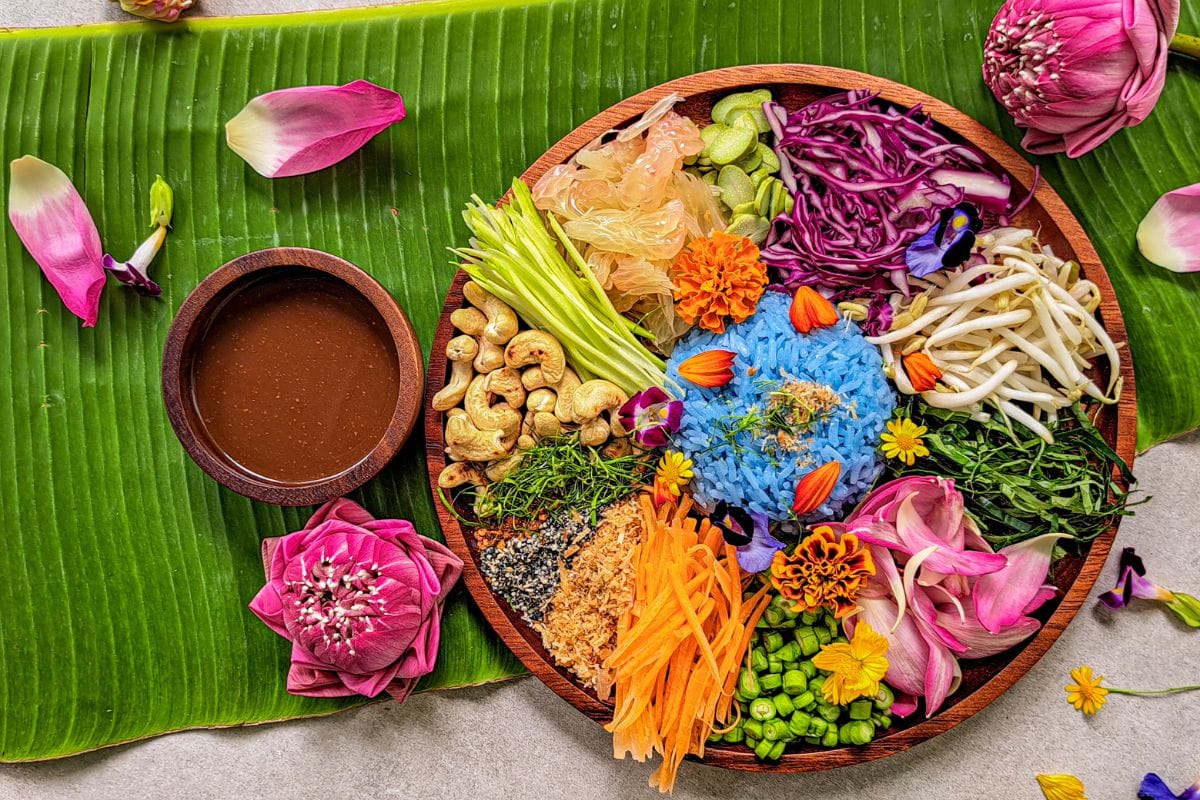
Join a cooking class that begins at the market and ends at a family table. Discover how northern dishes differ from southern ones—not just in flavor, but in philosophy. Learn why dishes are balanced in sweet, spicy, sour, and salty—and how this reflects Thai values of harmony.
More than recipes, you’ll discover stories—of grandmothers, migration, and memory—all served on a plate.
Daily Rituals: Not Performances, But Presence
Witnessing Culture in the Ordinary
It’s easy to think of culture as something grand—festivals, temples, dances. But in Thailand, it also shows up in the smallest, quietest acts.
- Watching a shopkeeper light incense at her spirit house each morning
- Observing students greet elders with a wai at school gates
- Seeing how shoes are left neatly outside every home and massage studio
These aren’t performances—they’re rhythms of respect, gratitude, and mindfulness. They’re easy to miss when you move too fast. But when you notice them, you begin to feel like you’re not just visiting Thailand—you’re understanding it.
Language & Communication: More Than Words
How “Ka” and “Krap” Speak Volumes
You don’t need to be fluent in Thai to engage with local culture—but learning just a few words can open hearts and doors.
Simple phrases like:
- Sawasdee ka/krap (Hello)
- Khob khun ka/krap (Thank you)
- Aroi mak (Very delicious)
…carry more than meaning. They carry respect. Add a wai when greeting, speak with a smile, and you’ll find locals warm to you quickly.
Thai communication is often non-confrontational, gentle, and indirect. Learning to read facial cues, tone, and body language is part of cultural literacy, too.
Traditional Arts: Discovering the Hands Behind the Beauty
Craft Is Culture Made Visible
From handwoven textiles in Isaan to umbrella painting in Bo Sang, Thai craftsmanship is not just aesthetic—it’s ancestral.
Rather than shopping in big tourist malls, seek out local artisan villages or cooperatives. Talk to the makers. Ask how long a piece takes to make. You’ll start to see that every thread, color, and shape has cultural meaning.
Better yet, take a workshop. Make your own indigo dye scarf or learn basic bamboo weaving. These aren’t just souvenirs—they’re memories made with your own hands.
Festivals: Participating, Not Just Watching
Let Culture Flow Through You
Thailand’s festivals are iconic—Songkran’s water fights, Loy Krathong’s floating lanterns, Yi Peng’s glowing skies. But they’re not just spectacles—they’re deeply rooted in spirituality, seasonal cycles, and shared community.
If your trip coincides with a festival, don’t just stand on the sidelines. Ask a local family if you can join their krathong making. Help wash a Buddha statue in a quiet temple courtyard. Attend a village procession—not to post it, but to feel it.
By participating with humility, you honor the heart of Thai culture, not just its image.
Village Life: The Soul of the Thai Countryside
Where Time Slows and Culture Deepens
Thailand’s villages are where you find culture in its purest, least-performed form. Whether you spend a day with a farming family near Sukhothai, join a homestay in Mae Kampong, or volunteer in a coastal fishing community, the experience is the same: real life, shared generously.
You’ll learn more in one evening around a village dinner table—watching how rice is served, how elders are treated, how laughter bridges language—than in a week of museum visits.
These moments often change travelers most.
Emotional Takeaways: Culture as Connection
Culture isn’t something you capture—it’s something you connect with. When you let yourself slow down, stay curious, and approach Thailand not as a checklist but as a living classroom, something shifts inside you.
You’ll leave not just with stories and photos, but with empathy, wonder, and a sense of shared humanity.
And that is the real gift of Thai culture—it doesn’t just inform you. It transforms you.
Travel With Open Eyes and a Soft Heart
To truly make the most of Thailand’s culture, you don’t need to go everywhere. You just need to be present wherever you are. Whether you’re in a bustling Bangkok alley or a tranquil northern village, the cultural experience is there—if you’re willing to receive it.
So travel not just to see, but to feel. Listen more than you speak. Learn before you photograph. And carry home more than souvenirs—carry home perspective.
Let Us Craft Your Cultural Journey in Thailand
At Vietlong Travel, we specialize in more than just itineraries—we curate transformative travel experiences. Whether you want to explore hill tribe traditions, join artisan workshops, or share meals with local families, we’ll help you connect with Thailand in a way that lasts long after the trip ends.
📧 Contact us today for your custom culture-focused itinerary
🌏 Come for the views. Stay for the meaning.
Tags:
Cultural Travel Thailand,Responsible Travel Thailand,Thai culture,Thai festivals,Thai temples,Thai Village Life,Thailand Homestay Experience,Thailand Local Experience,Thailand Tour 2025,Thailand travel