
Exploring Southern Laos for the First Time: Pakse, 4000 Islands & Bolaven Plateau
Laos travel is often synonymous with Luang Prabang’s golden temples and sleepy riverside charm. But if you venture south, a completely different Laos holiday begins to unfold—one shaped by the thunder of waterfalls, coffee-scented plateaus, and a river that breaks into a thousand dreams.
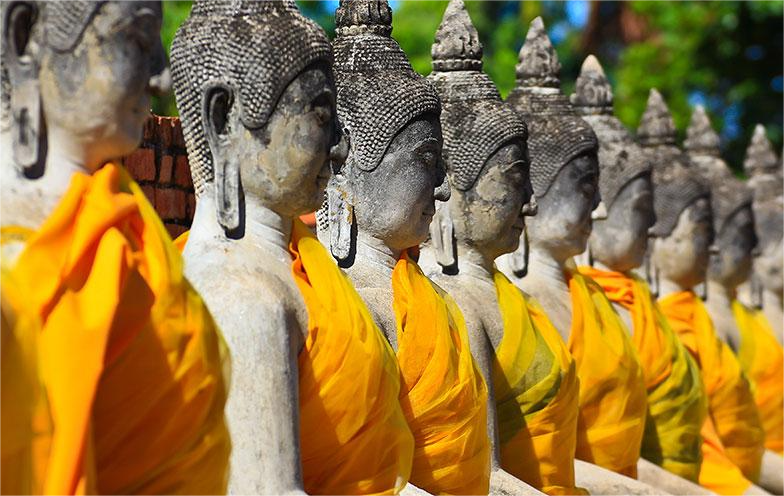
This is a journey not built around cities, but around landscapes that breathe—waterfalls that thunder through canyons, highland villages wrapped in cool morning mists, rivers that carry the weight of legends, and temple ruins where ancient civilizations once thrived. Southern Laos doesn’t shout. It murmurs, seduces, and draws you deeper with each passing mile.
Here, everything flows with the pace of the Mekong—unhurried and wise. The kind of travel that shifts your focus from seeing to feeling. If Northern Laos is the soul of the country, then Southern Laos is its heartbeat—steady, quiet, and essential.
From the modest riverside town of Pakse to the misty heights of the Bolaven Plateau, from the spiritual echoes of Wat Phou to the sleepy charm of the 4000 Islands, Southern Laos offers first-time visitors a richly textured introduction to the unspoiled South. This is where nature, history, and humanity live in quiet harmony—and where every traveler, no matter how seasoned, becomes a student of stillness and simplicity.
Arrival in Pakse – Gateway to the South
There is something about Pakse that lingers, a city that is both a launchpad and a resting place. Nestled at the confluence of the Mekong and Xe Don Rivers, Pakse greets you not with grandeur, but with an easygoing rhythm. It doesn’t try to impress. It invites.
Once the capital of the Kingdom of Champasak, Pakse still carries faint echoes of French colonial ambitions. Wide boulevards lined with frangipani trees, faded villas with shuttered windows, and cafes that serve both baguettes and spicy Lao sausage create a strange harmony. You arrive, maybe after crossing from Thailand at Chong Mek or flying in from Vientiane or Luang Prabang, and instantly feel the change—less polished, more grounded.
What to see:
Visit the bustling Dao Heuang Market, explore Wat Luang with its detailed Buddhist carvings, or take a sunset stroll along the Mekong promenade.
What to eat:
Try “khao piak sen” (Lao rice noodle soup), grilled Mekong fish, and the flavorful spicy green papaya salad known locally as “tam mak hoong.” Don’t miss fresh-brewed local coffee or a French-style pastry at local cafés.
Where to stay:
Consider Athena Hotel for comfort and convenience, or the Mekong Riverside Hotel for beautiful river views and proximity to night markets.
Champasak & Wat Phou – Echoes of Ancient Empires
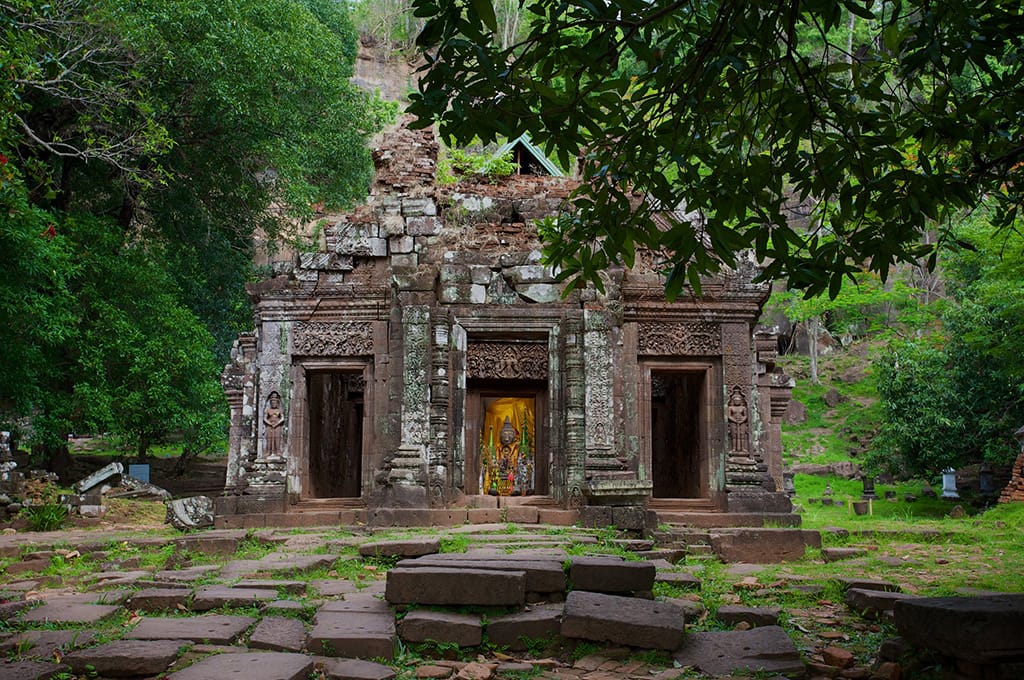
No Laos tour in the south is complete without touching the sacred stones of Wat Phou. An hour from Pakse, through sleepy Champasak town, lies this UNESCO World Heritage site, older than Angkor Wat and nearly as haunting.
The road there is a dream—lined with rice paddies, water buffaloes knee-deep in the mud, and children waving from bikes. By the time you reach the base of Mount Phou Kao, the mystical outline of the temple complex begins to reveal itself.
Wat Phou is not just ruins; it’s a landscape of memory. The tiers of ancient steps, the lichen-covered lingas, and the crumbling sanctuaries speak of a time when Hinduism and Buddhism danced together across this land. You don’t just visit Wat Phou—you inhale it, like incense from another age.
Nearby, riverside lodges offer hammocks and sunsets, and Champasak town itself whispers old-world charm with French-Lao villas turned into boutique stays. Here, time slows until it nearly stops.
What to see:
Apart from Wat Phou, explore Vat Muang Kang temple, stroll the riverbanks of the Mekong, or take a boat trip to the rare pre-Angkorian temple of Oum Muong.
What to eat:
Taste grilled river prawns, bamboo shoot soup, and sweet Lao sticky rice with coconut cream. Dine at Nakorn Café or Inthira Restaurant for local flavors in atmospheric settings.
Where to stay:
Inthira Champasak offers stylish, colonial-era ambiance with modern comfort. For a more rustic retreat, try The River Resort, set amidst gardens and rice fields.
Bolaven Plateau – Coffee Trails, Waterfalls & Cool Air
If Pakse is the gateway, the Bolaven Plateau is its breath of fresh air. Literally. At over 1,200 meters above sea level, this elevated expanse is Laos’ highland jewel—lush, misty, and fertile.
For travelers on a Laos vacation looking for adventure and beauty, Bolaven delivers. The climate here is noticeably cooler, a relief from the tropical heat, and the volcanic soil gives rise to some of Southeast Asia’s best coffee. Arabica and Robusta beans grow in family-run farms, and coffee lovers will find tasting tours that rival those in Latin America.
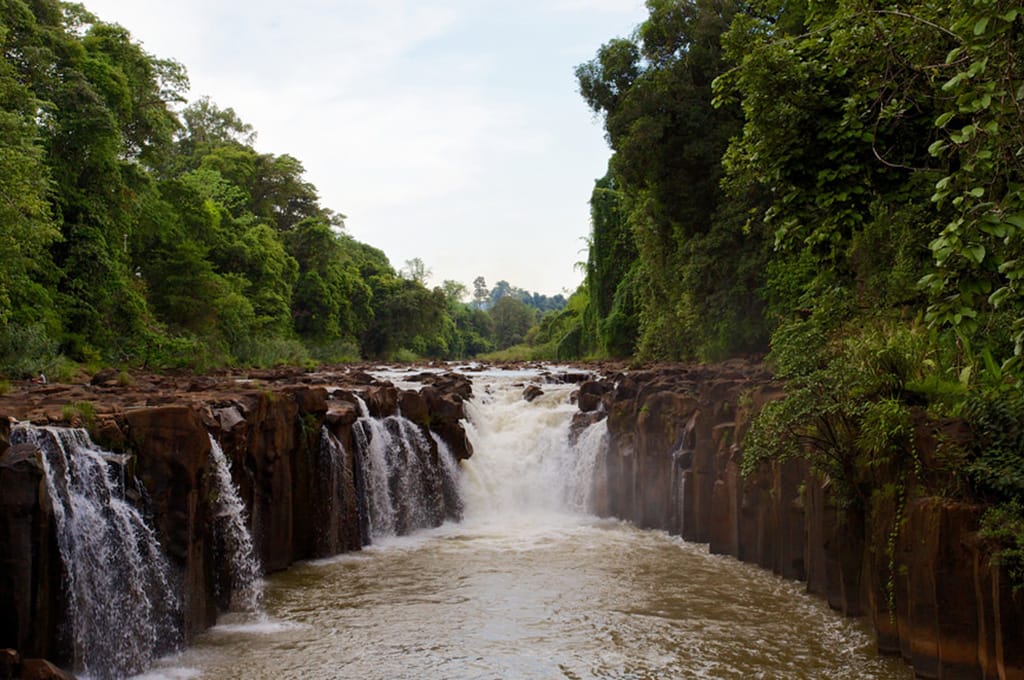
But the plateau is not only about beans. It is about waterfalls—thundering, cascading, soul-cleansing waterfalls. Tad Fane, twin plumes dropping over 100 meters into a forested abyss, is perhaps the most iconic. Tad Yuang, just nearby, is more accessible and equally mesmerizing.
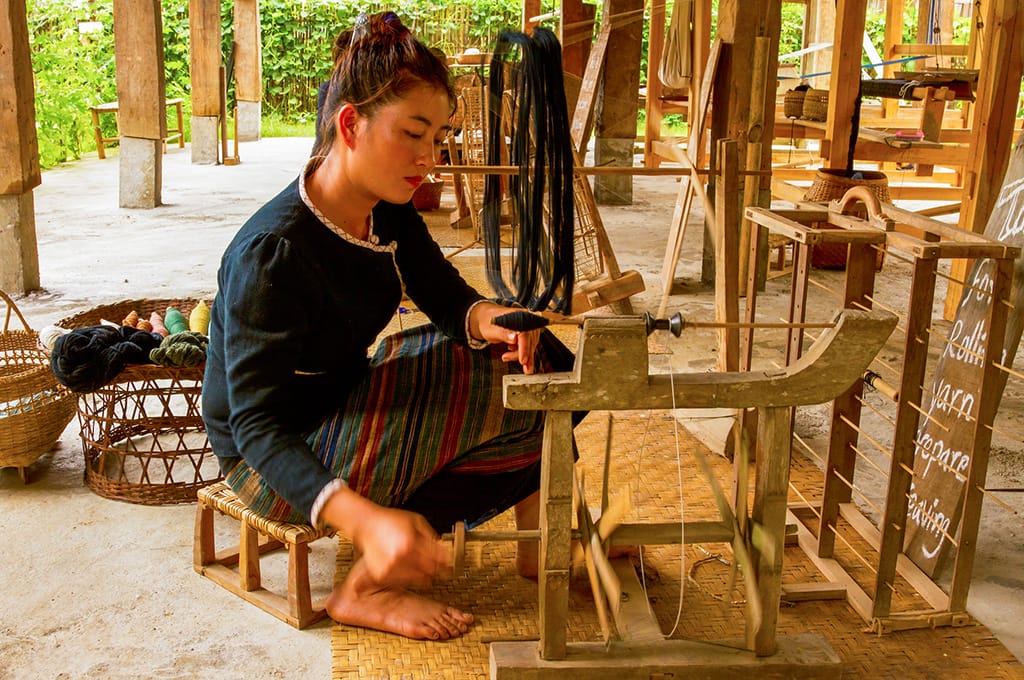
You ride through winding roads, past coffee plantations, minority villages, and open stretches where the clouds dip low enough to touch. Each stop is a story: a handwoven scarf dyed with indigo, a roadside stall selling sticky rice in bamboo, a family inviting you for home-brewed Lao whisky.
What to see:
Visit Tad Fane, Tad Yuang, Tad Lo, and Pha Suam waterfalls. Stop at Paksong Coffee Farm or Jhai Coffee House for tours. Visit minority villages of the Laven and Alak ethnic groups.
What to eat:
Sample locally grown coffee, “or lam” (Lao stew with herbs), and grilled chicken with jeow mak len (spicy tomato dip). Local farmstays often include traditional home-cooked meals.
Where to stay:
Tad Lo Lodge is a serene escape beside waterfalls. In Paksong, the Sinouk Coffee Resort offers cozy lodging and immersive coffee experiences.

4000 Islands (Si Phan Don) – The Slow Rhythm of the Mekong
As you head further south, the Mekong loses its discipline and spreads into a labyrinth of sandbars, islets, and river channels. Welcome to Si Phan Don—literally, Four Thousand Islands.
Your Laos holiday finds its heartbeat here. Don Det and Don Khon are the most visited, beloved for their relaxed vibe and riverside bungalows. Think hammocks swaying over still waters, morning alms ceremonies, and evenings spent watching the sky bloom with stars.
Despite their remote feel, these islands hum with life. Bicycle paths lead to crumbling French bridges, waterfalls like Li Phi crash over rocky ledges, and longtail boats offer a chance to glimpse the rare Irrawaddy dolphins.
There’s no rush here. No checklist. You fall into step with the river’s own rhythm—slow, steady, and quietly profound.
What to see:
Rent a bike and explore Don Khon’s French colonial railway bridge, visit Khone Phapheng Falls—the largest in Southeast Asia, and take a boat trip in search of Irrawaddy dolphins.
What to eat:
Enjoy freshly caught Mekong fish, Lao-style pancakes with honey, and banana flower salad. Local riverfront restaurants offer simple yet flavorful dishes.
Where to stay:
Little Eden Hotel on Don Det provides comfort and views. On Don Khon, Sala Done Khone is a historic option with riverside charm.
Life Along the River – Locals, Culture & Everyday Moments
Southern Laos doesn’t reveal itself in spectacles; it whispers through moments. A woman selling grilled banana wrapped in leaves. Children splashing in the river at sunset. A farmer bent over golden rice stalks. A temple draped in twilight and chant.
The beauty of a Laos tour is not just what you see, but what you feel. Southern Laos especially teaches you to pay attention—to gestures, silences, and smiles that need no translation. Whether you’re chatting with coffee growers in Paksong, sharing sticky rice with a local family in Don Khong, or simply watching the river shift with the sky, you find a different kind of travel here. One that isn’t about what you take, but what you leave behind: a footprint, a story, a connection.
Reflections: What Southern Laos Teaches You About Time
You don’t conquer Southern Laos. You let it unfold. This region isn’t designed for bucket lists but for immersion. It asks for slowness, for surrender.
And in that surrender, something stirs. The waterfalls remind you of power. The river teaches you flow. The plateau offers stillness. And the ruins echo the truth that even empires fade, but beauty remains.
Laos travel is often understated. But in the south, it becomes unforgettable. For the first-time visitor, this journey through Pakse, Champasak, Bolaven Plateau, and 4000 Islands isn’t just a trip. It’s a quiet transformation.
Tags:
4000 islands,bolaven plateau,champasak,laos holiday,laos tour,Laos travel,laos vacation,Luang Prabang,pakse,wat phou