China reveals itself most vividly when you move through it slowly. The country’s famous landmarks are impressive on their own, but the real magic often lies in the journey between them: train windows opening onto terraced mountains, winding roads crossing Tibetan plateaus, river bends reflecting karst peaks, and ancient towns appearing after hours of changing landscapes. For travelers who want more than a checklist of attractions, choosing the right scenic route transforms a trip into a deeper adventure.
A memorable China journey is not simply about arriving in Beijing, Shanghai, or Xi’an. It is about understanding how dramatically the landscapes shift between north, south, west, and inland provinces. One route may pass through ancient imperial history, another through mist-covered rice terraces, and another through remote valleys where minority cultures still shape daily life.
For travelers planning a first or second visit, some routes stand out not because they are the fastest, but because they offer the richest visual and cultural rewards. These journeys combine natural beauty, manageable logistics, and experiences that stay with you long after the trip ends.
Why Scenic Travel Matters in China
China’s size means that no single destination can explain the country. Distances are vast, climates differ sharply, and cultural identities change dramatically between regions. Scenic travel allows visitors to feel these transitions rather than skip over them.
High-speed rail has made many routes easier than ever, yet some of the most rewarding journeys still involve river cruises, mountain roads, or regional trains. The route itself often becomes part of the story: tea fields outside a station, mountain villages hidden between tunnels, or sudden city skylines rising after rural stretches.
For travelers seeking memorable routes, balancing comfort and visual reward is essential. Some scenic journeys are ideal for first-time visitors, while others appeal more to travelers who want slower, immersive exploration.
The Guilin to Yangshuo Route: China’s Most Iconic River Landscape
Karst Peaks and Slow River Travel
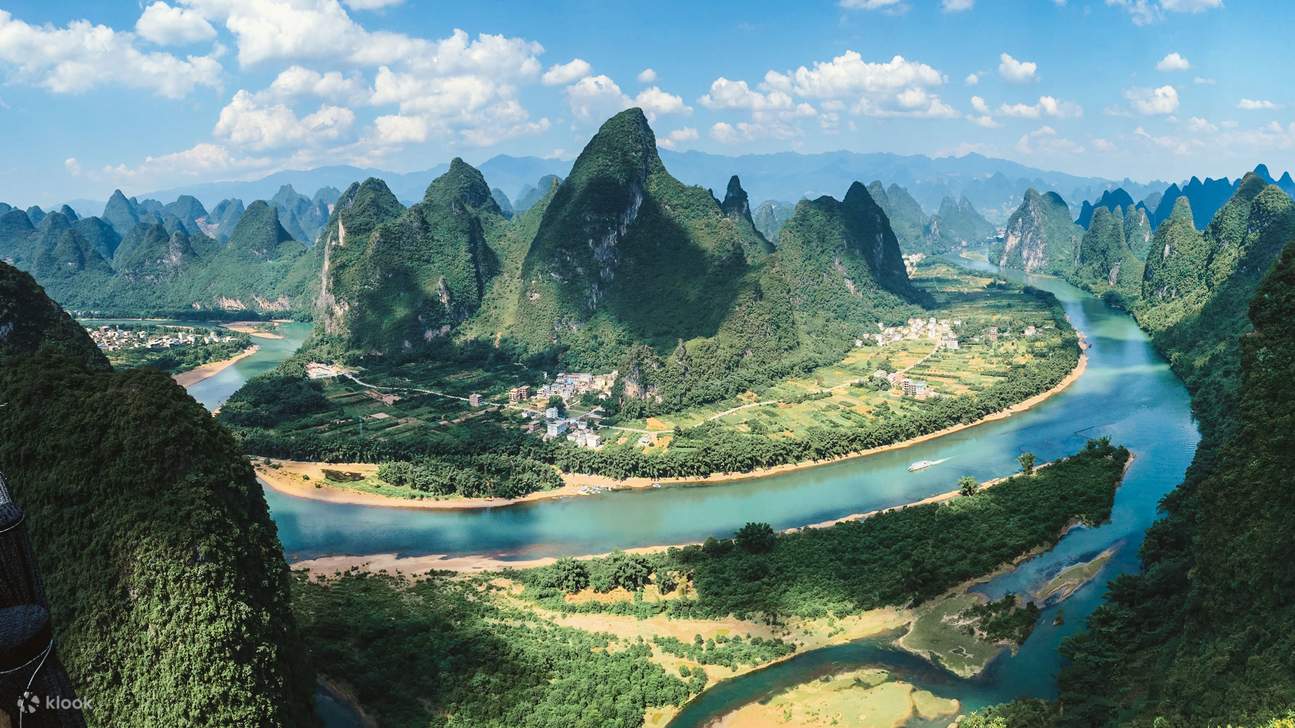
The route between Guilin and Yangshuo is often considered one of China’s most beautiful classic journeys, and it remains unforgettable because the scenery feels almost unreal. Limestone peaks rise vertically from flat farmland, creating a river landscape that has inspired Chinese painting for centuries.
Traveling by boat along the Li River remains the most memorable way to experience this route. The river moves slowly enough to let every formation feel distinct. Water buffalo graze along the banks, fishermen still work from bamboo rafts in some sections, and mist often softens the mountains into layers.
Why This Route Stays Memorable
What makes this route special is not only beauty but rhythm. The scenery unfolds gradually, never feeling repetitive. Once in Yangshuo, cycling through rice fields or exploring smaller villages adds another layer of calm rarely found in larger Chinese cities.
This route works especially well in spring and autumn, when temperatures are comfortable and visibility is often clearer.
Beijing to Xi’an by High-Speed Rail: A Journey Through Imperial China
Moving Between Dynasties
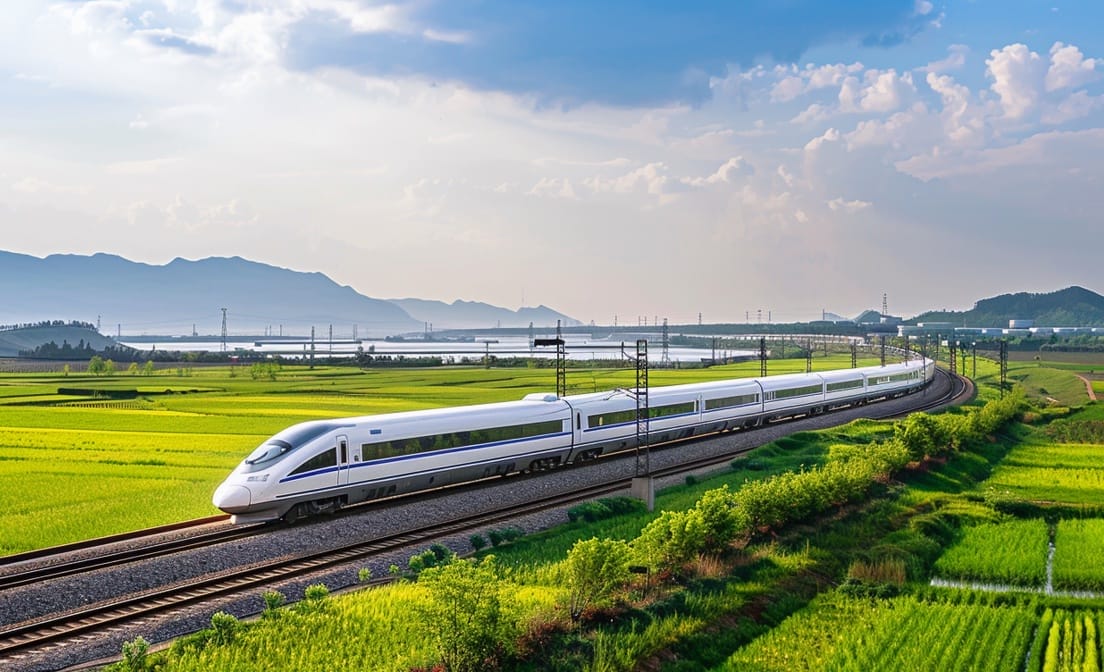
Travelers often focus on the destinations themselves, but the train route from Beijing to Xi’an offers something unique: a visual transition from imperial capital to ancient Silk Road gateway.
The journey takes only a few hours on modern rail, yet it symbolically crosses centuries of Chinese history. In Beijing, visitors begin with imperial architecture, grand ceremonial spaces, and monumental urban design. In Xi’an, the atmosphere becomes older, denser, and more layered.
Scenic Value Beyond Convenience
Although this is not China’s wildest natural route, the appeal lies in how efficiently it connects two deeply different cultural landscapes. For many travelers, this route creates one of the strongest contrasts in a short timeframe.
Fields, smaller cities, and distant mountain lines along the way remind travelers how vast the country is beyond its famous capitals.

Chengdu to Jiuzhaigou: Mountains, Valleys, and Colorful Lakes
Western China’s Changing Landscapes
The route from Chengdu toward Jiuzhaigou Valley introduces travelers to a dramatically different China. Urban Sichuan quickly gives way to rising mountains, forested slopes, and Tibetan-influenced settlements.
This route can be done partly by road or flight plus transfer, but road travel offers stronger scenic impact.
Why Jiuzhaigou Feels Unique
Jiuzhaigou’s lakes are famous for their intense colors: turquoise, emerald, deep blue, shifting with weather and light. Waterfalls cascade between forests, and wooden paths make exploration easy without reducing the feeling of wilderness.
Autumn brings the strongest color contrast, but spring and early summer also offer beautiful clarity.
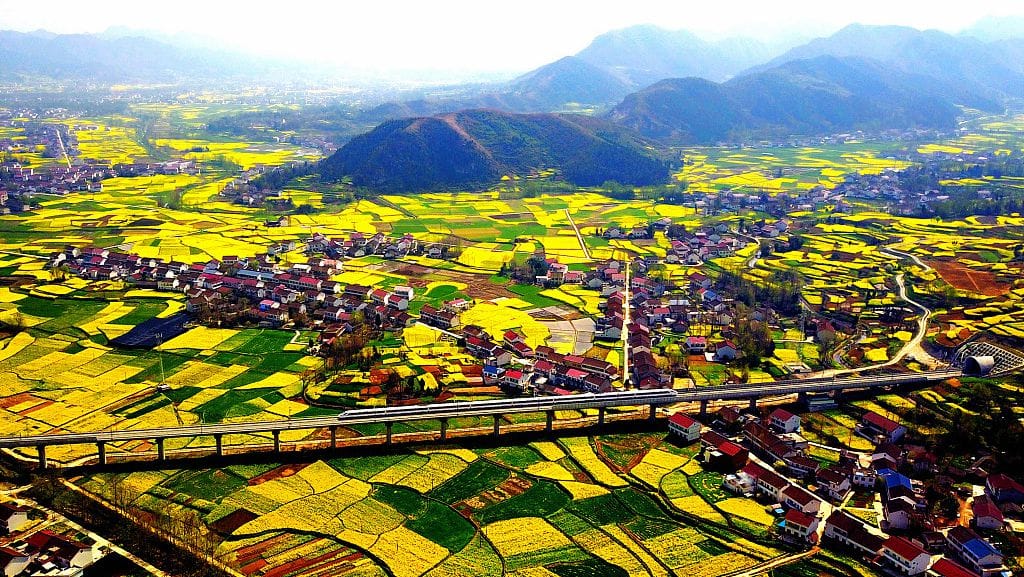
Shanghai to Hangzhou: Classical Elegance in Eastern China
Urban Contrast and Water Landscapes
The short route between Shanghai and Hangzhou is ideal for travelers who want beauty without long distances.
Shanghai represents modern China at full scale: vertical, energetic, international. Hangzhou offers immediate softness through gardens, tea hills, and lake scenery.
The Beauty of Arrival
Arriving at West Lake after Shanghai creates one of China’s most satisfying contrasts. Willow-lined shores, small bridges, and tea houses slow the pace immediately.
This route is especially rewarding in spring, when tea plantations begin to brighten and the lake feels especially atmospheric.

Kunming to Dali and Lijiang: Yunnan’s Most Rewarding Scenic Corridor
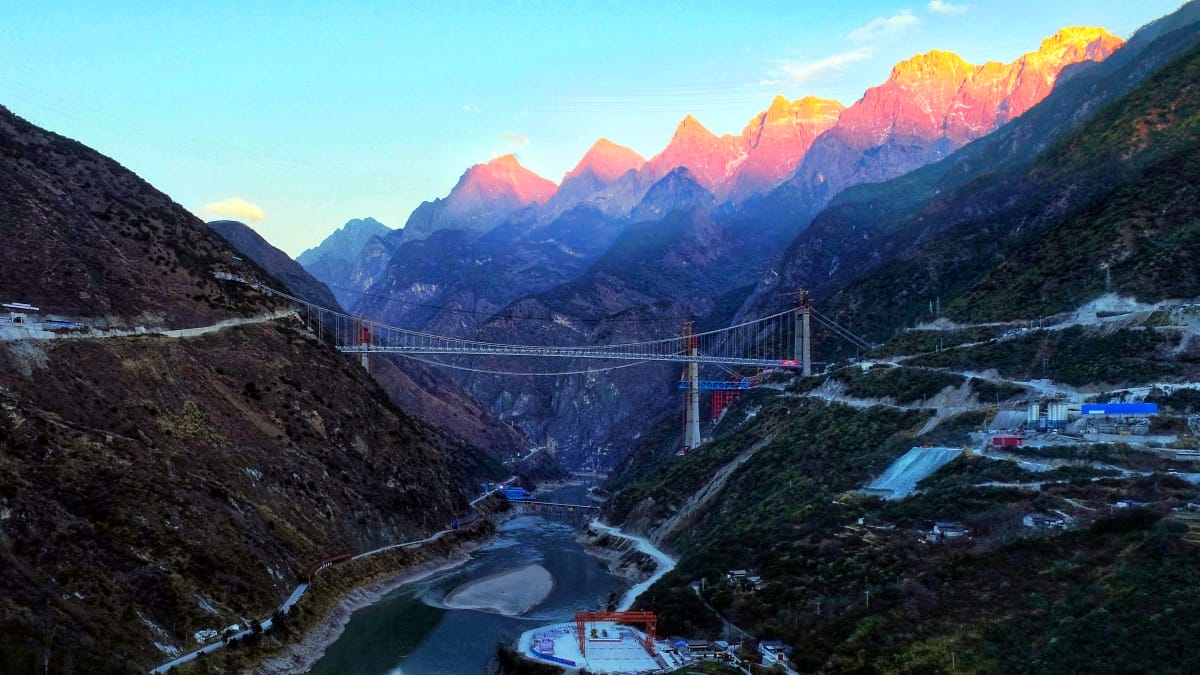
A Route of Altitude and Cultural Change
Kunming, Dali, and Lijiang form one of China’s most balanced scenic travel routes.
The landscapes shift from gentle highland city views to lakeside calm and then to mountain-backed old towns.
Why Travelers Love This Region
Erhai Lake offers broad open views rarely associated with inland China. Lijiang’s old town combines stone streets, wooden architecture, and views toward snow mountains.
This route works well for travelers who want scenery with manageable comfort and strong cultural atmosphere.
The Silk Road Corridor: Xi’an to Dunhuang
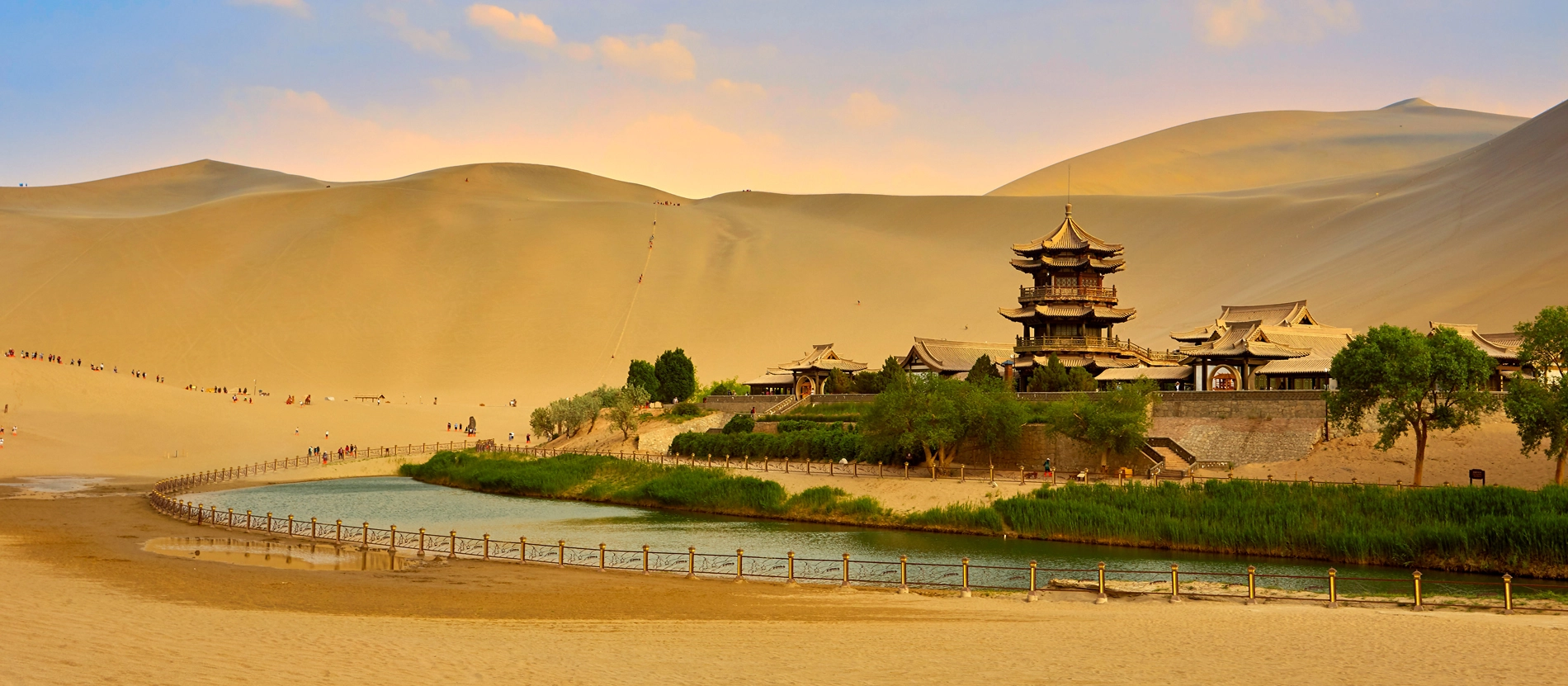
Desert, History, and Scale
For travelers wanting something more dramatic, the route westward from Xi’an toward Dunhuang offers a completely different emotional experience.
The land becomes drier, wider, and visually more elemental.
A Different Kind of Scenic Beauty
The attraction here is not lush scenery but emptiness, changing desert tones, and the feeling of ancient movement across vast land.
Mogao Caves and nearby desert dunes create one of China’s strongest historical landscapes.
Best Seasons for Scenic Travel in China
Spring and autumn remain the most reliable seasons for scenic routes across multiple regions.
Spring offers fresh greenery, milder temperatures, and fewer extremes. Southern routes such as Guilin, Hangzhou, and Yunnan are especially rewarding.
Autumn often delivers clearer skies and stronger mountain visibility, making western routes particularly attractive.
Summer can be beautiful but humid in eastern regions and crowded during school holidays. Winter works well for some northern and western destinations but may complicate mountain access.
Practical Travel Tips for Scenic Routes
China’s transport network is excellent, but scenic travel still benefits from careful planning.
High-speed rail should be booked early on popular routes, especially around holidays.
Domestic flights save time in western regions, but scenic roads often reward travelers more if time allows.
Carrying cash alternatives through mobile-friendly payment systems helps in smaller areas, though international cards remain useful in major cities.
A flexible pace matters. Scenic routes lose much of their value if rushed too aggressively.
Suggested 10-Day Scenic China Itinerary
A balanced first scenic itinerary could begin in Beijing for two days, continue by train to Xi’an for two days, then fly to Guilin and spend two days between Guilin and Yangshuo. From there, fly to Chengdu for two days, ending with one final day in Hangzhou or Shanghai depending on departure.
This structure combines history, landscapes, and modern convenience without exhausting transfers.
Travelers with more time should consider Yunnan as an additional extension.
Why Scenic Routes Create the Best China Memories
The strongest travel memories often come from movement: watching mountains emerge from train windows, crossing rivers toward unfamiliar towns, or arriving somewhere beautiful after a long changing route.
China rewards travelers who think in journeys rather than isolated attractions. Scenic routes reveal how varied the country truly is and often create the emotional highlights that famous landmarks alone cannot deliver.
A well-planned scenic route makes China feel larger, richer, and far more personal.
FAQ
What is the most scenic route in China for first-time visitors?
The Guilin to Yangshuo route is often the easiest and most visually rewarding for first-time travelers because it combines dramatic river scenery with easy logistics.
Is high-speed rail good for scenic travel in China?
Yes, especially routes such as Beijing to Xi’an or Shanghai to Hangzhou, where comfort and scenery combine very well.
Which season is best for scenic routes in China?
Spring and autumn are generally best because temperatures are comfortable and visibility is stronger.
Is Yunnan worth adding to a first China trip?
Yes, especially for travelers who want mountain scenery, lakes, and cultural diversity beyond major cities.
How many days are needed for a scenic China trip?
Ten to fourteen days allows a strong balance between major cities and scenic regions without excessive rushing.
Which route offers the best natural scenery?
Jiuzhaigou and Guilin both rank among the strongest natural landscape experiences, though they feel completely different.
Is western China difficult for international travelers?
Major scenic routes are manageable with planning, though some western regions require more transport coordination than eastern China.
Explore China through its most beautiful journeys with a thoughtfully designed route that blends landscapes, culture, and comfort for a truly memorable Asian adventure.