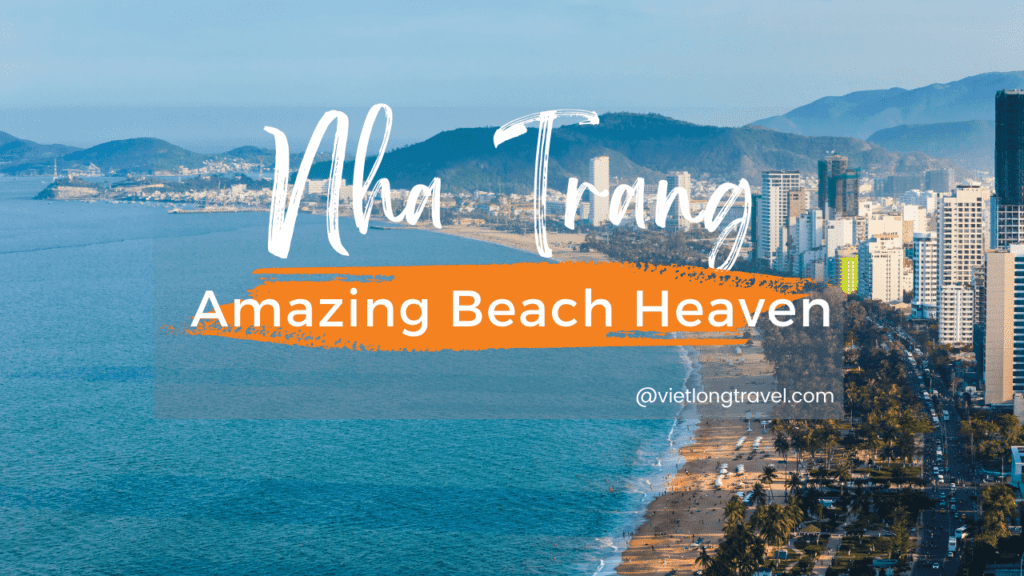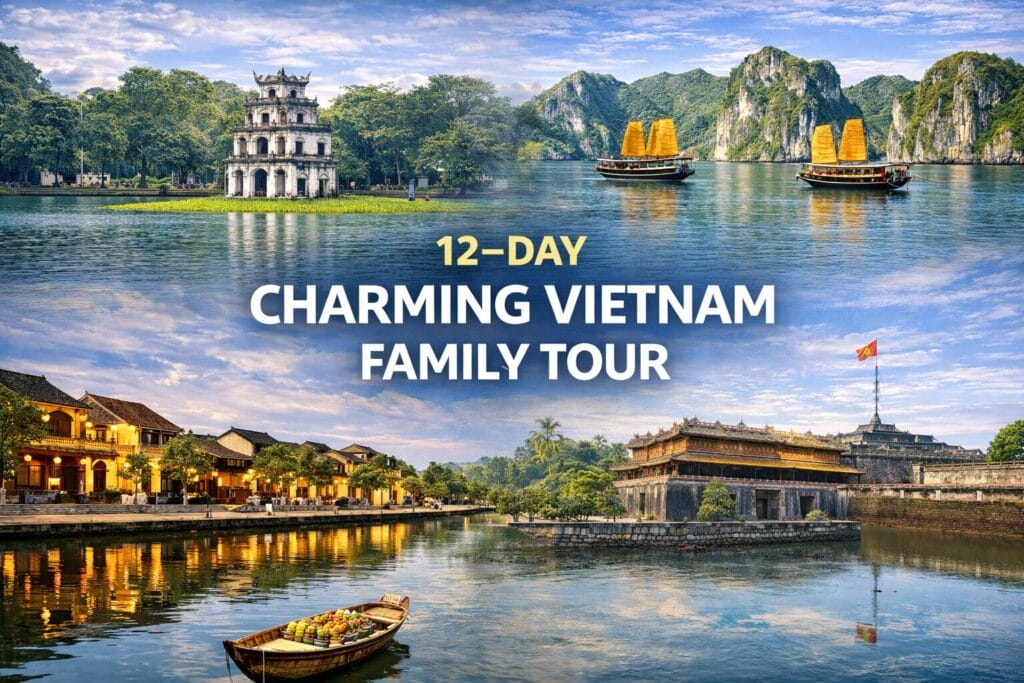

Welcome to the land beyond the clouds. As the global tourism industry reshapes itself for 2025, one country is quietly making history, inviting the world to witness the rise of the “Dragon of Southeast Asia.” Vietnam, a nation of 102 million people stretching 1,650 km from North to South, is far more than its war-torn past or a collection of pretty postcards. It is a vibrant, living entity where 54 ethnic groups coexist, where street food stalls earn Michelin stars, and where tech startups blossom in ancient alleyways. To understand the Real Vietnam, you must look beyond the statistics and immerse yourself in the rhythm of a country that protects its traditions while fearlessly embracing the future.
The Heartbeat of the North: Hanoi and the Limestone Giants
Hanoi: Where History Sips Coffee on a Plastic Stool
Your journey begins in Hanoi, the capital city for over a thousand years. While it is home to 8 million people, numbers fail to capture the soul of this “City Within the River”. The true essence of Hanoi lies in the Old Quarter, a maze of 36 streets that forms the cultural heart of the nation. Here, history is etched into the very names of the roads— Hang Bac (Silver Street), Hang Ma (Paper Street), Hang Gai (Silk Street)—where traditional crafts established in the 11th century are still vibrant today.

But to truly taste the Real Vietnam, you must sit. Specifically, on a low plastic stool on the sidewalk. Vietnam is the world’s second-largest coffee producer, yet the locals have transformed a French habit into a unique cultural ritual: Cafe Sua Da. There is nothing quite like the rush of strong brewed coffee mixed with sweet condensed milk and ice, consumed amidst the chaos of the city. For a more adventurous sip, you must try Cafe Trung (Egg Coffee), a Hanoi invention that blends strong coffee with a creamy mixture of egg yolk and sweetened milk—a surprise at the first sip, and an addiction by the third.
In Hanoi, life happens on the tracks—literally. At the famous Train Street, instagrammable moments collide with reality. Several times a day, cafe owners frantically collect tables and street vendors step aside as a massive train passes just meters away. It is a terrifying, exhilarating ballet that proves life here always goes on. Nearby, at Hoan Kiem Lake, the legend of the returned sword and the giant turtle that once lived there reminds us that this city is built on myths that feel incredibly real.
Halong Bay: A Timeless Aquatic World
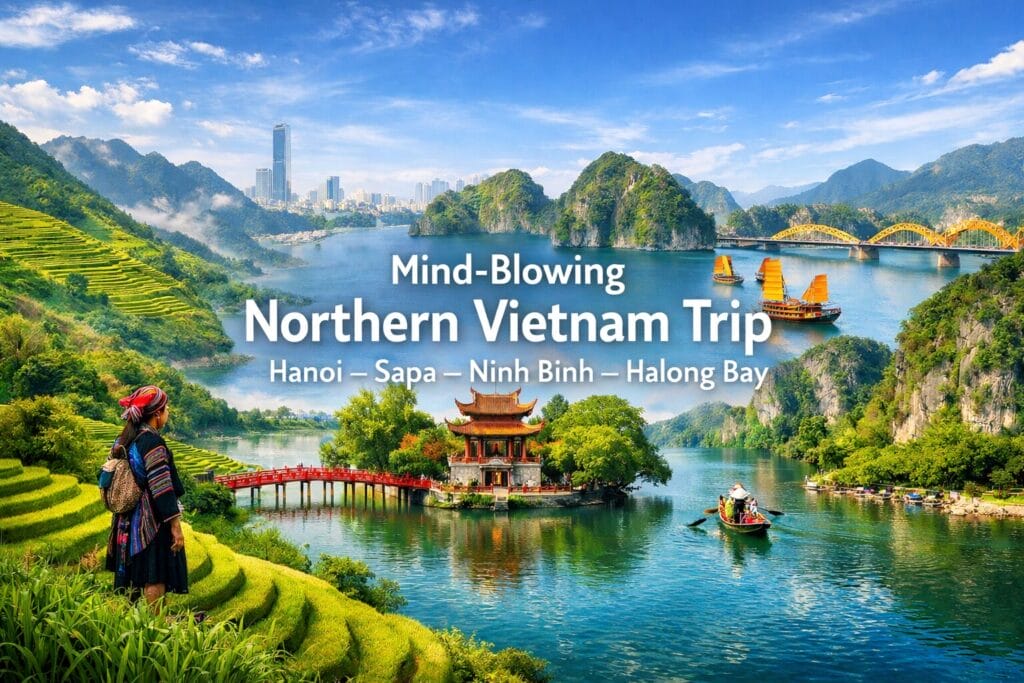
Leaving the city, we travel to Halong Bay, a UNESCO World Heritage site that feels like a gateway to the world’s very first days. While 6 million tourists visit annually to see the limestone pillars rising from the emerald waters, few understand the depth of life here. The bay’s biodiversity is staggering, hosting over 200 fish species and 450 mollusk species, some found nowhere else on Earth.
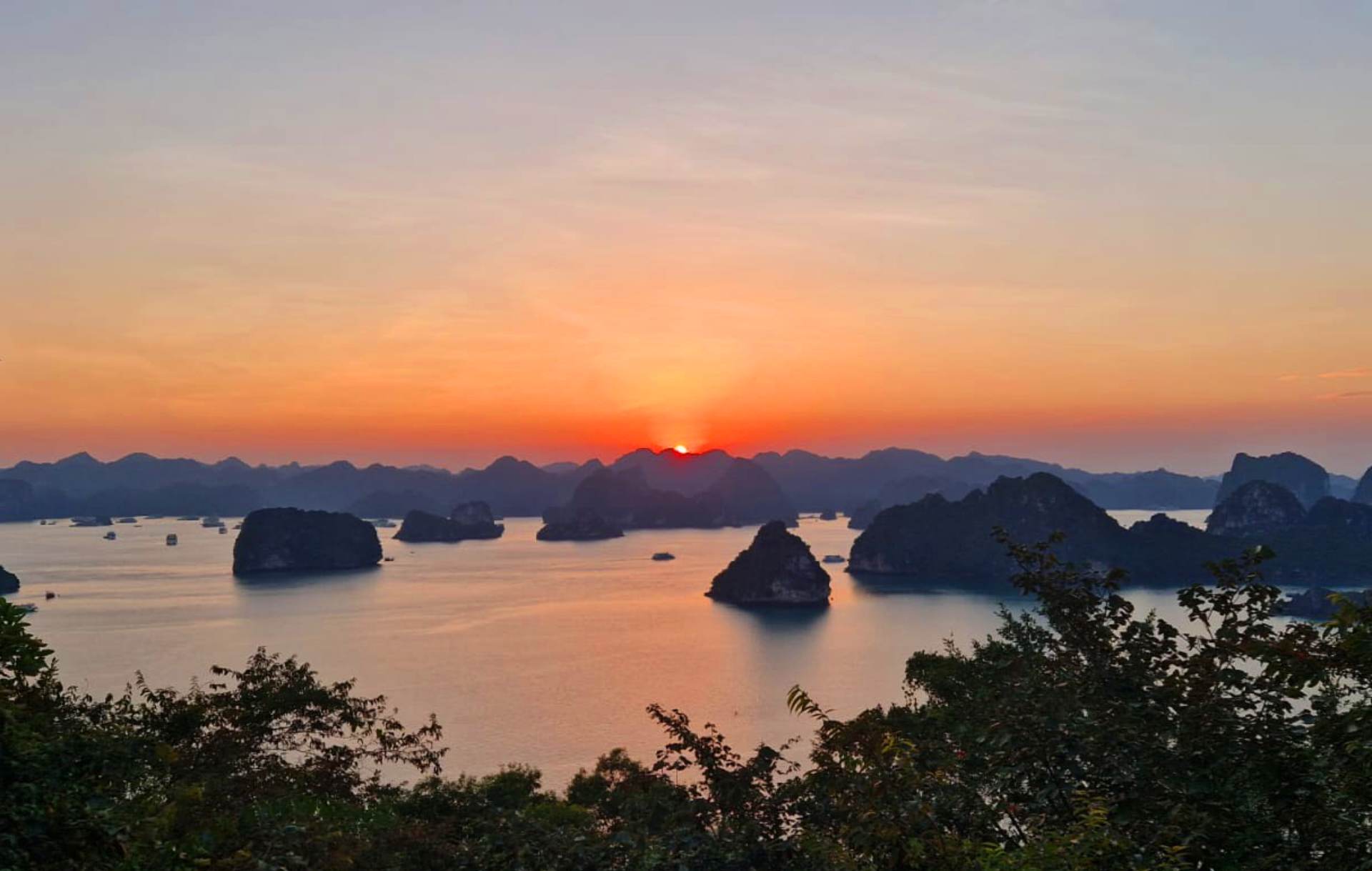
The Real Vietnam here isn’t found on a luxury cruise deck, but in the floating villages. Over 1,600 people live directly on the water in floating houses, fishing, growing oysters, and producing pearls just as their ancestors did for generations. As the government moves to ban single-use plastics and limit boat numbers to protect this wonder, the bay remains a delicate balance between a booming tourist destination and a fragile ecosystem.
The Central Coast: Where Dragons Breathe Fire
Da Nang: The Rising Star of Asia
Moving central, we hit Da Nang, a city that has transformed from a quiet town of 500,000 to a thriving metropolis of 1.2 million in just two decades. Forbes has named it one of Asia’s most livable cities, and it is easy to see why. The vibe here is young, dynamic, and forward-looking, with 60% of the population under the age of 35.

The city’s icon is the Dragon Bridge (Cau Rong). This isn’t just a bridge; it’s a 666-meter steel dragon that, every weekend at 9:00 p.m., actually breathes fire and water, delighting thousands of onlookers. Just minutes away lies My Khe Beach, a 30-kilometer stretch of white sand and turquoise water that American soldiers once called China Beach, now a paradise for surfers with perfect 25-28°C water year-round.
Ba Na Hills: A Fantasy Above the Clouds
For a surreal experience, you must ascend. Ba Na Hills sits 1,400 meters above sea level, accessible by the world’s longest continuous cable car line. What was once a French colonial resort abandoned in the 1940s has been reborn as a medieval European city in the clouds. The journey takes you through thick clouds where visibility drops to zero, only to emerge into a breathtaking view of castles and cathedrals.
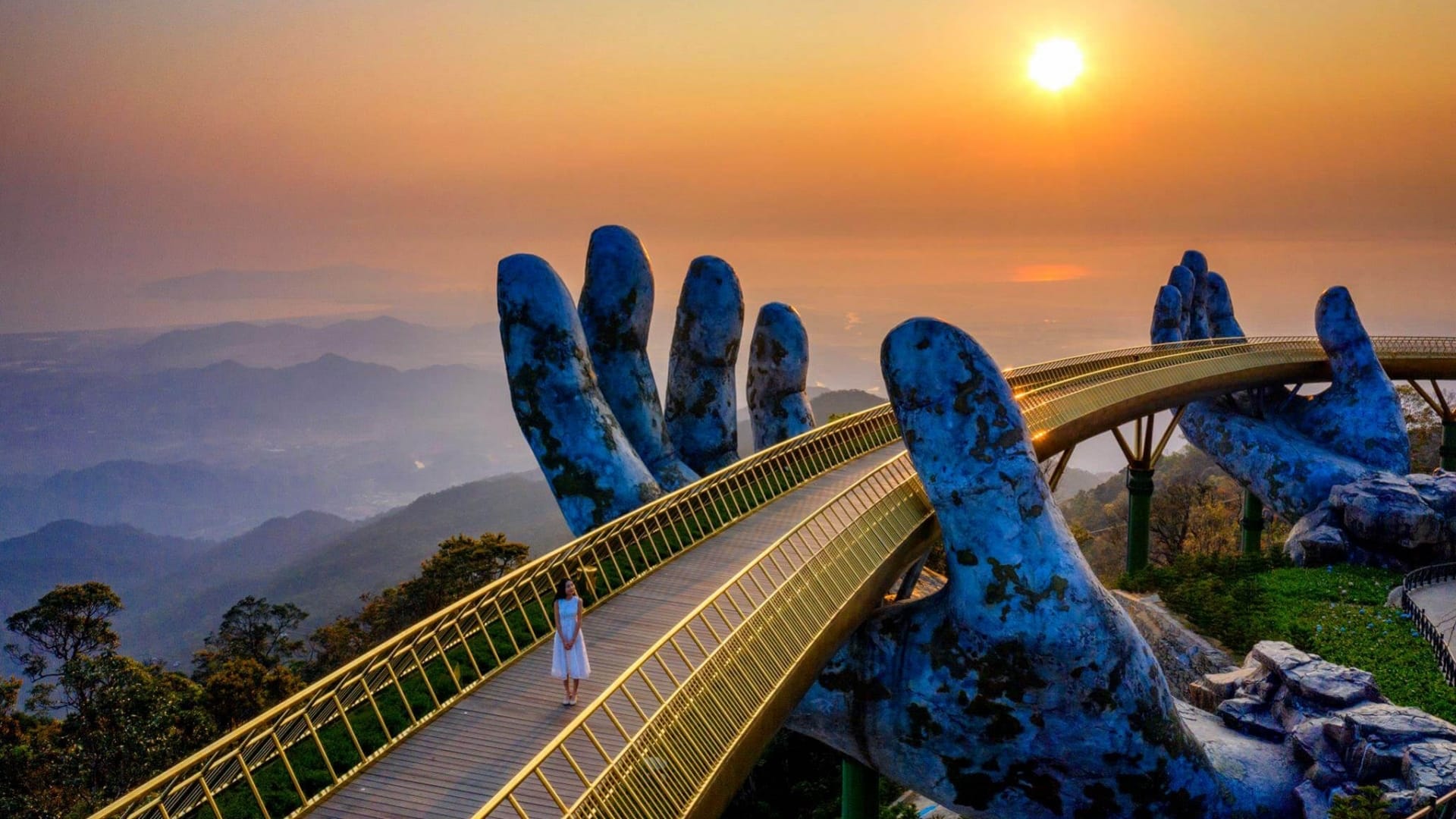
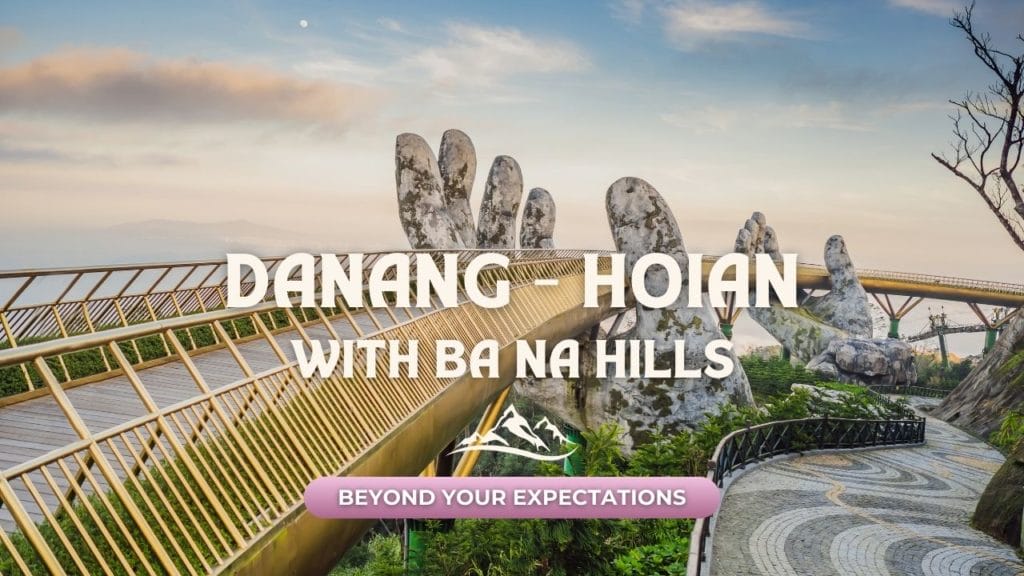
The crown jewel here is the Golden Bridge. Two giant stone hands, designed to look weathered and ancient like the hands of God, lift a golden walkway out of the mountain. Walking here is a surreal experience; on one side, mountains; on the other, clouds. It is a controversial project—some say it damages authenticity, others say it brings necessary income—but there is no denying its visual power.
Hoi An: The Lantern City
A short drive away is Hoi An, perhaps the most photographed city in Vietnam. But look past the Instagram filters, and you find a 2,000-year-old port city that was once a vital stop on the maritime Silk Road. Between the 15th and 19th centuries, merchants from Japan, China, and Europe traded silk and spices here, leaving behind architectural gems like the Japanese Bridge (Chua Cau).

The magic of Hoi An peaks on the 14th day of every lunar month. The electric lights are turned off, and the city is illuminated solely by thousands of silk and bamboo lanterns. Visitors release wish lanterns onto the river, creating a shimmering river of stars that mirrors the sky. Beyond the lights, this is a tailor’s paradise, where over 400 shops can craft a custom suit or dress in 24 hours.
The Southern Spirit: Rivers, Rice, and Islands
The Mekong Delta: The River of Nine Dragons
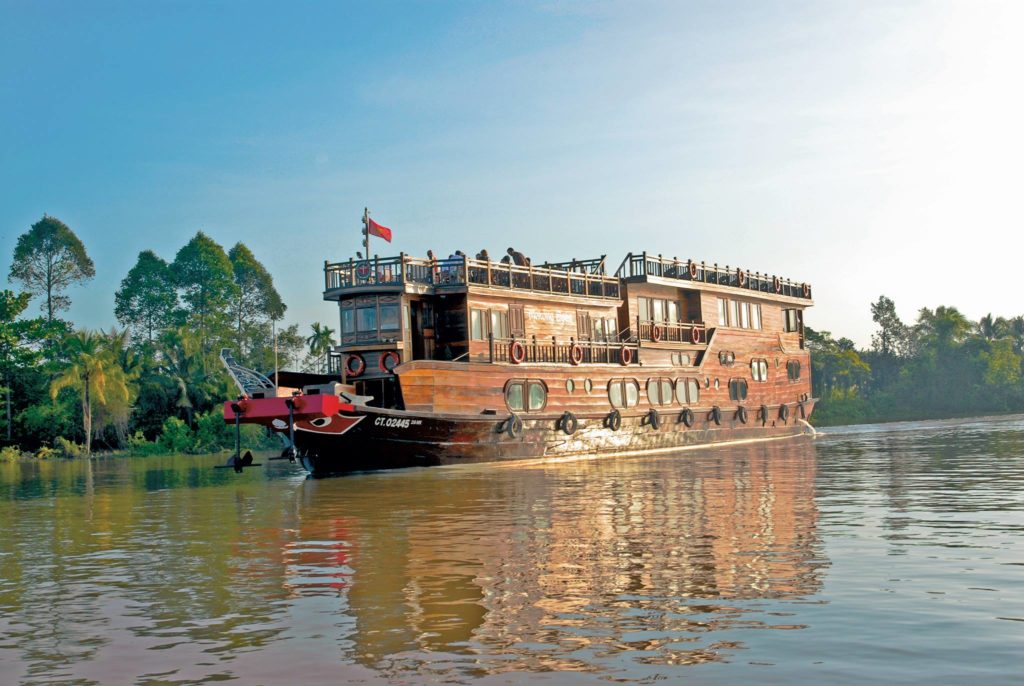
Down south, the mighty Mekong River splits into nine branches, creating the Mekong Delta, known locally as the “Nine Dragon River”. This is Vietnam’s rice barn and fruit garden. To see the Real Vietnam here, you must abandon the large tour boats for a small kayak, navigating narrow canals lined with palm trees and mango gardens.
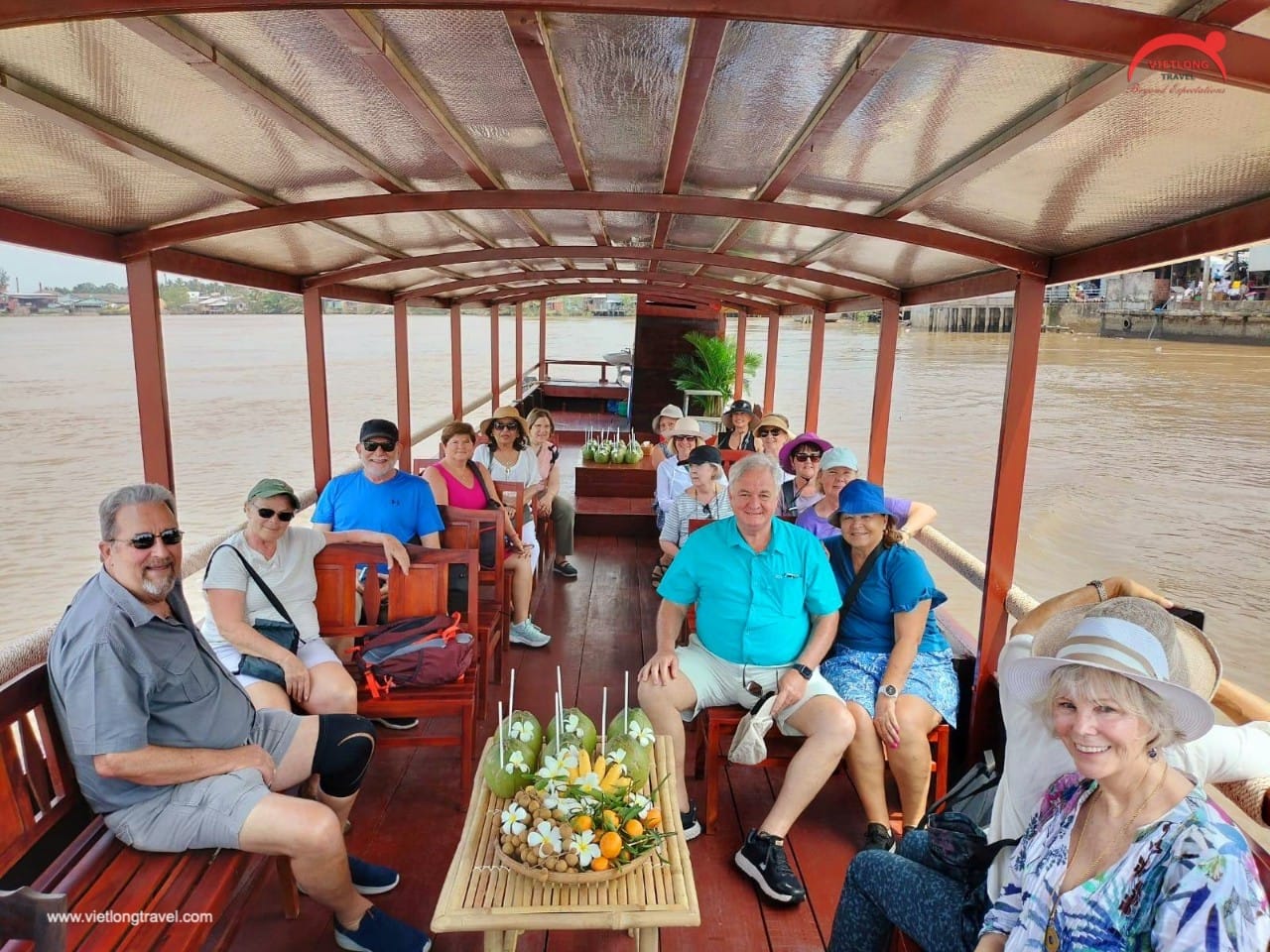
The highlight is the Cai Rang Floating Market, the largest in the delta. It is not a supermarket; it is a chaotic, vibrant commerce system where hundreds of boats gather to trade. To know what a boat is selling, you simply look at the long pole at the front of the vessel—if a pineapple hangs from it, they sell pineapples. It is a system of brilliance and simplicity that has survived for generations.
Phu Quoc: The Pearl Island Transformation
Finally, we reach Phu Quoc, Vietnam’s largest island, located in the Gulf of Thailand. For decades, this was a secret—pristine and undeveloped. Today, it is racing toward the future. With the world’s longest sea-crossing cable car and massive entertainment complexes like VinWonders, the island is changing faster than anywhere else in the country.
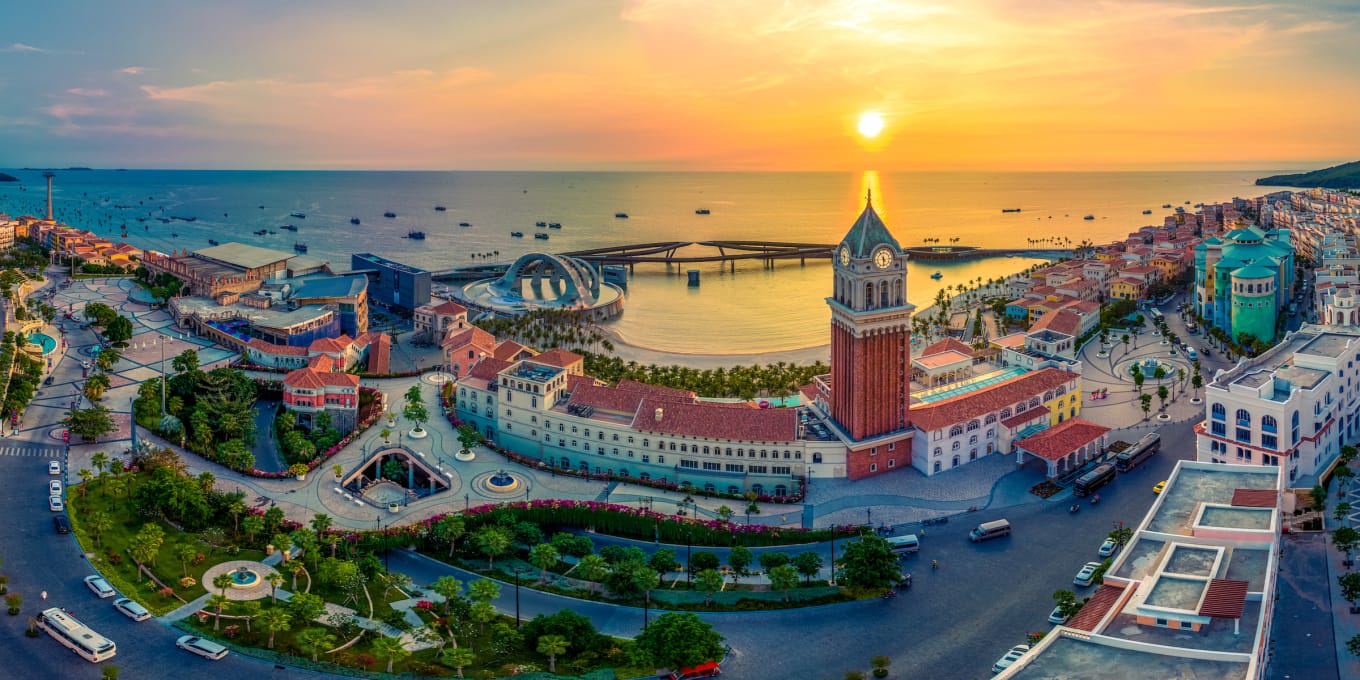
However, pockets of paradise remain. Sao Beach offers white powder sand so fine it squeaks underfoot, and the waters are so clear you can see fish swimming around your ankles. The sunset over Long Beach paints the sky in impossible shades of orange, pink, and purple, offering a moment of reflection on the island’s uncertain future. Will it balance its soul with its growth? Only time will tell, making now the perfect time to visit.
Why You Must Visit Now
Vietnam is a country of contradictions—ancient yet modern, chaotic yet peaceful. Its people are resilient, kind, and ambitious, having rebuilt a nation from the ashes of war to an economy growing at record speed. Whether you are exploring the “roof of Indochina” on Fansipan or eating a $2 bowl of Bun Cha that thrilled a U.S. President, you are witnessing a dragon rising.
The Real Vietnam is not just a place to see; it is an experience to feel, taste, and live. From the northern mountains to the southern delta, Vietnam is calling. The only question is: are you ready?.
FAQ: Your Guide to Exploring Vietnam
Q: What is the best time to visit Vietnam for good weather? A: Vietnam is long, so weather varies. Generally, the spring (February to April) and autumn (August to October) are ideal. However, places like Da Nang have perfect beach weather (25-28°C) almost year-round.
Q: Is street food in Vietnam safe and affordable? A: Absolutely. Hanoi street food is legendary and extremely affordable, with meals often costing between $2 and $5. You can find Michelin-star quality food on street corners, just like former President Obama did.
Q: How do I get around in major cities like Ho Chi Minh City? A: Ride-hailing apps are popular, but walking is great for areas like Nguyen Hue Pedestrian Street. For longer distances, Vietnam is investing in infrastructure, with a high-speed train line planned between Hanoi and Ho Chi Minh City.
Q: Is Halong Bay worth visiting despite the crowds? A: Yes, it is a UNESCO World Heritage site with incredible biodiversity. To avoid crowds, look for sustainable tours that visit floating villages where locals have lived for generations.
Q: What makes Hoi An special compared to other cities? A: Hoi An is a preserved ancient trading port. Its lack of modern skyscrapers, the monthly lantern festivals where electric lights are turned off, and its status as a tailor’s paradise make it unique.
Ready to witness the Dragon of Southeast Asia yourself? Book this exclusive Vietnam package tours today to experience the Real Vietnam—from hidden floating markets to golden bridges in the clouds!
Tags:
Ba Na Hills Golden Bridge,Da Nang Dragon Bridge,Halong Bay cruise,Hanoi travel,Hoi An ancient town,Mekong Delta Floating Market,Phu Quoc beaches,Real Vietnam,Vietnam Tourism 2025,Vietnamese Coffee Culture