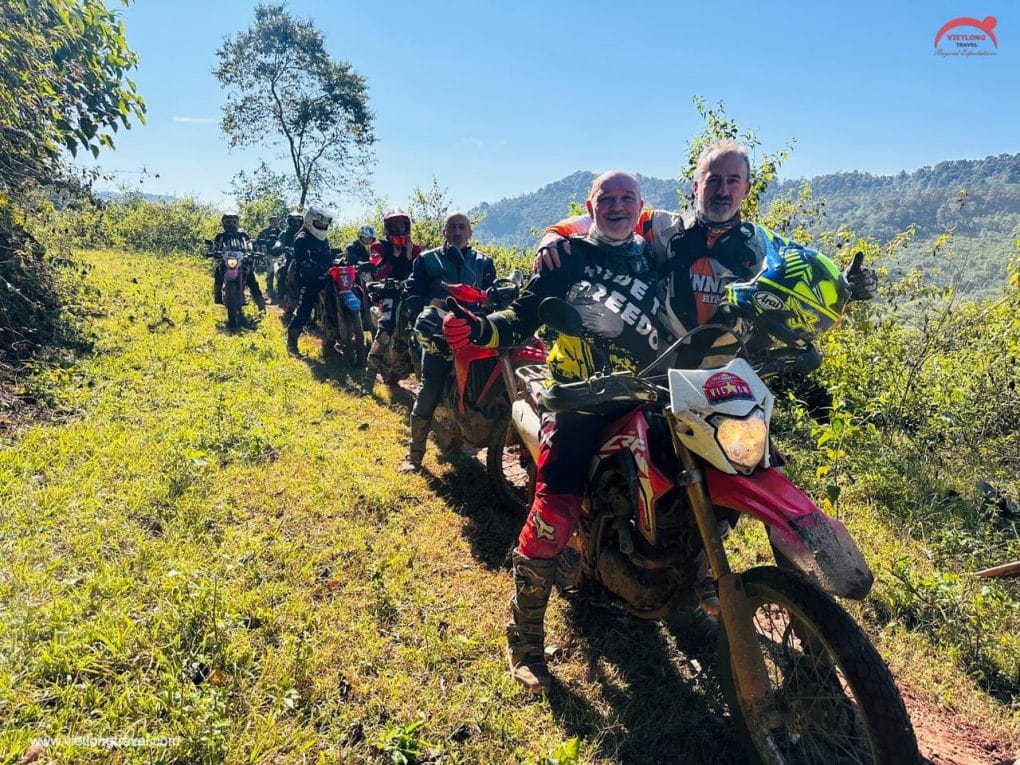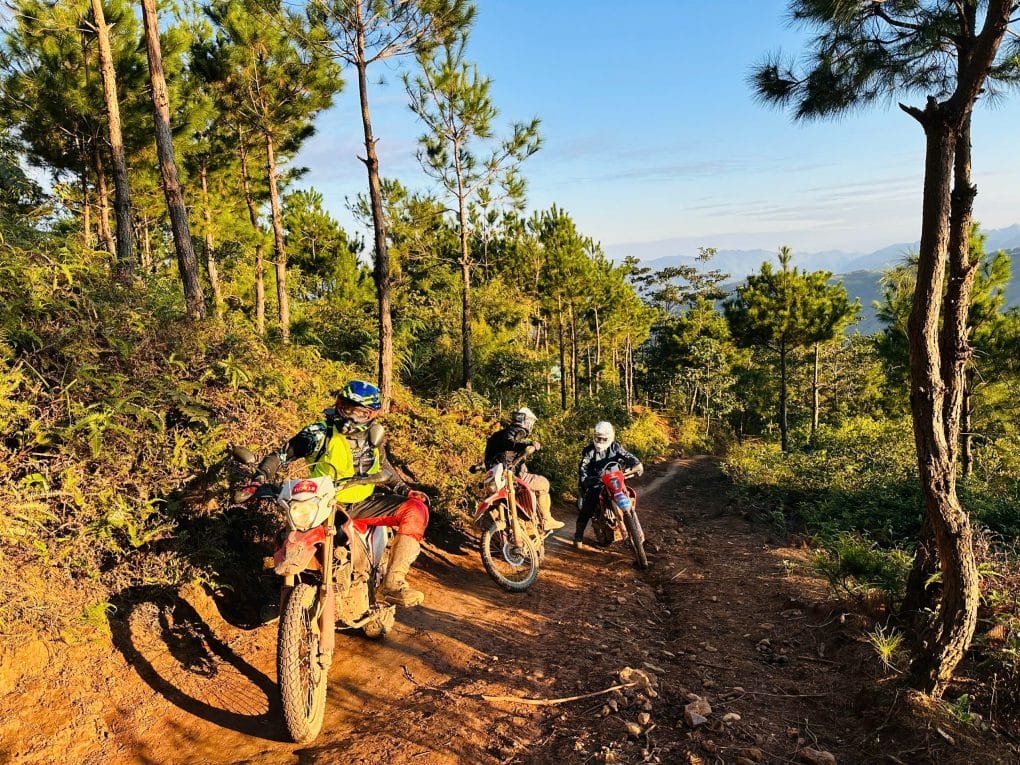

Hidden among the misty highlands of Son La Province, Moc Chau has earned the poetic title of the “Green Pearl of Northwest Vietnam.” This nickname is not just a marketing label; it reflects the region’s lush landscapes, ecological richness, and cultural harmony. With endless tea hills, flower valleys, cool climate, and strong eco-tourism values, Moc Chau has become a top destination for those seeking authentic experiences in nature.
In this guide, we will explore the reasons behind this name and uncover why Moc Chau tours are attracting more travelers each year.
The Meaning of the “Green Pearl” Title
Moc Chau’s Natural Abundance
The plateau stretches at an altitude of 1,050 meters, offering fresh air and fertile soil that nurtures tea plantations, plum orchards, and peach blossom gardens. Its greenery is not seasonal; it is a year-round presence, symbolizing vitality and sustainability.
Symbolism in Vietnamese Culture
In Vietnam, pearls symbolize purity, rarity, and beauty. By calling Moc Chau the Green Pearl, locals emphasize its pristine environment and its irreplaceable value within the country’s natural treasures.
Geography of Moc Chau Plateau
Location and Accessibility
Moc Chau is located in Son La Province, about 200 km from Hanoi. Many travelers ask, “How to get from Hanoi to Moc Chau?” The route by car or bus takes around 5–6 hours, passing mountain passes and valleys that introduce visitors to Northwest Vietnam’s unique terrain.
Climate and Best Time to Visit
The plateau enjoys a mild climate with four distinct seasons. Best time to visit Moc Chau is from late January to March for peach and plum blossoms, and from October to December for tea harvests and cloud-hunting experiences.
Natural Landscapes that Define Moc Chau
Endless Tea Hills
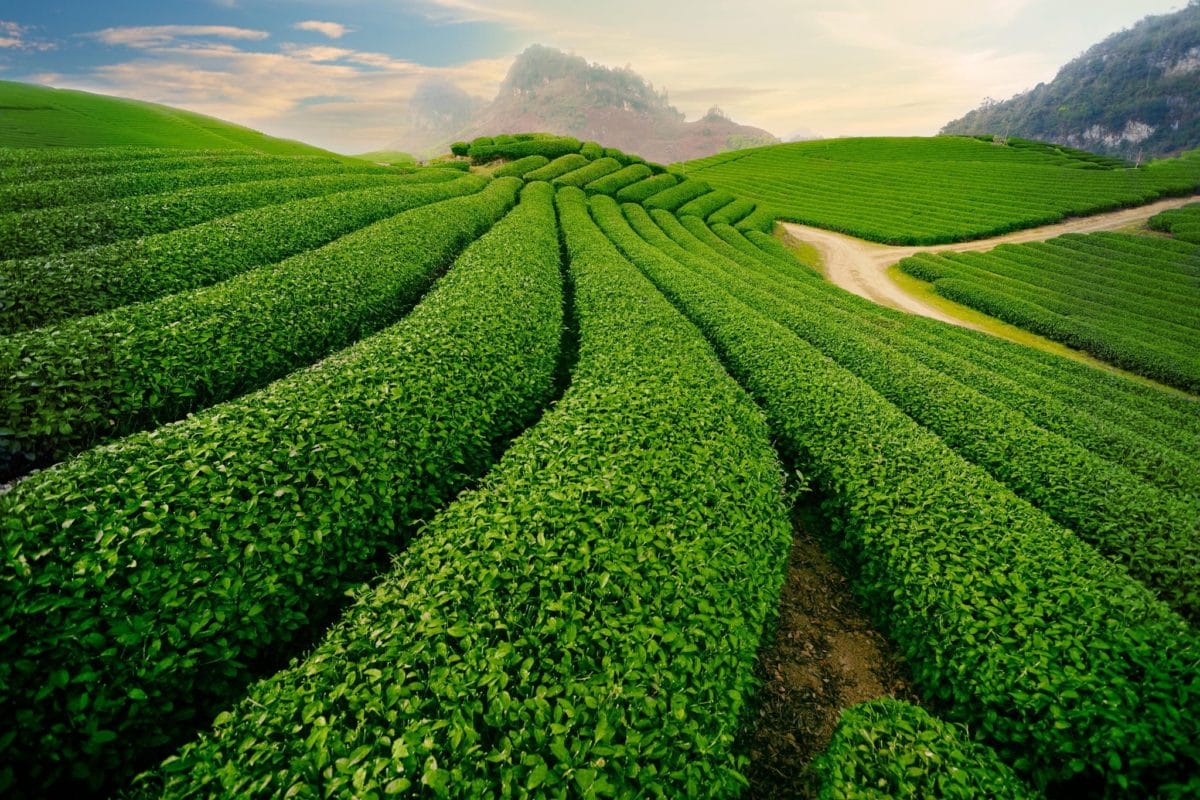
The Moc Chau tea hills are the crown jewel of the region. Known as the “green carpets” of Vietnam, they attract both photographers and travelers who enjoy cycling or walking through scenic plantations.
Flower Valleys
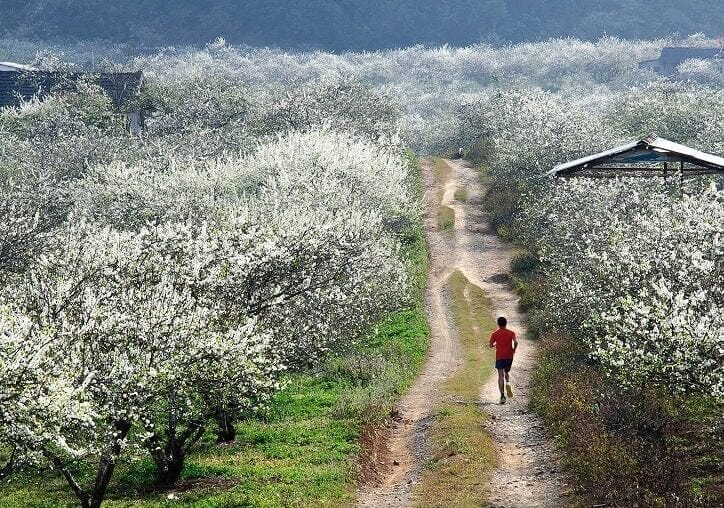
During spring, the valleys turn into a paradise of plum blossoms, peach flowers, and mustard fields. These blossoms are among the strongest reasons Moc Chau is seen as a “pearl,” since they showcase beauty untouched by urban development.
Waterfalls and Forests
From Dai Yem Waterfall to Ang Pine Forest, Moc Chau’s eco-diversity allows visitors to enjoy hiking, picnics, and peaceful lakeside strolls. These natural treasures reinforce the region’s eco-tourism appeal.
Cultural Identity and Ethnic Communities
Thai and Hmong Communities
The plateau is home to Thai, Hmong, and other ethnic groups. Villages like Pa Phach or Ang Village allow travelers to experience community-based tourism through homestays, cultural dances, and traditional crafts.
Festivals and Traditions
Festivals like the Hmong New Year or plum blossom celebrations highlight the living culture of Moc Chau. They give travelers deeper insight into why the plateau is more than just scenery—it is a vibrant cultural pearl.
Eco Tourism in Moc Chau – A Sustainable Approach
Why Eco-Tourism Matters
Moc Chau has been promoted as a model for eco-tourism in Vietnam, thanks to its low-impact travel experiences, conservation initiatives, and community involvement.
Community-Based Tourism
Local families run homestays in Mai Chau and Moc Chau, allowing visitors to contribute directly to village economies while enjoying authentic meals, handicrafts, and cultural exchange.
Sustainable Practices
With rising concerns over overtourism, Moc Chau encourages responsible tourism practices such as waste reduction, respecting village customs, and supporting local products.
Moc Chau in Comparison with Mai Chau
Travelers often ask: “Mai Chau vs Moc Chau – which is better?”
-
Mai Chau is closer to Hanoi and famous for stilt-house homestays and rice paddies.
-
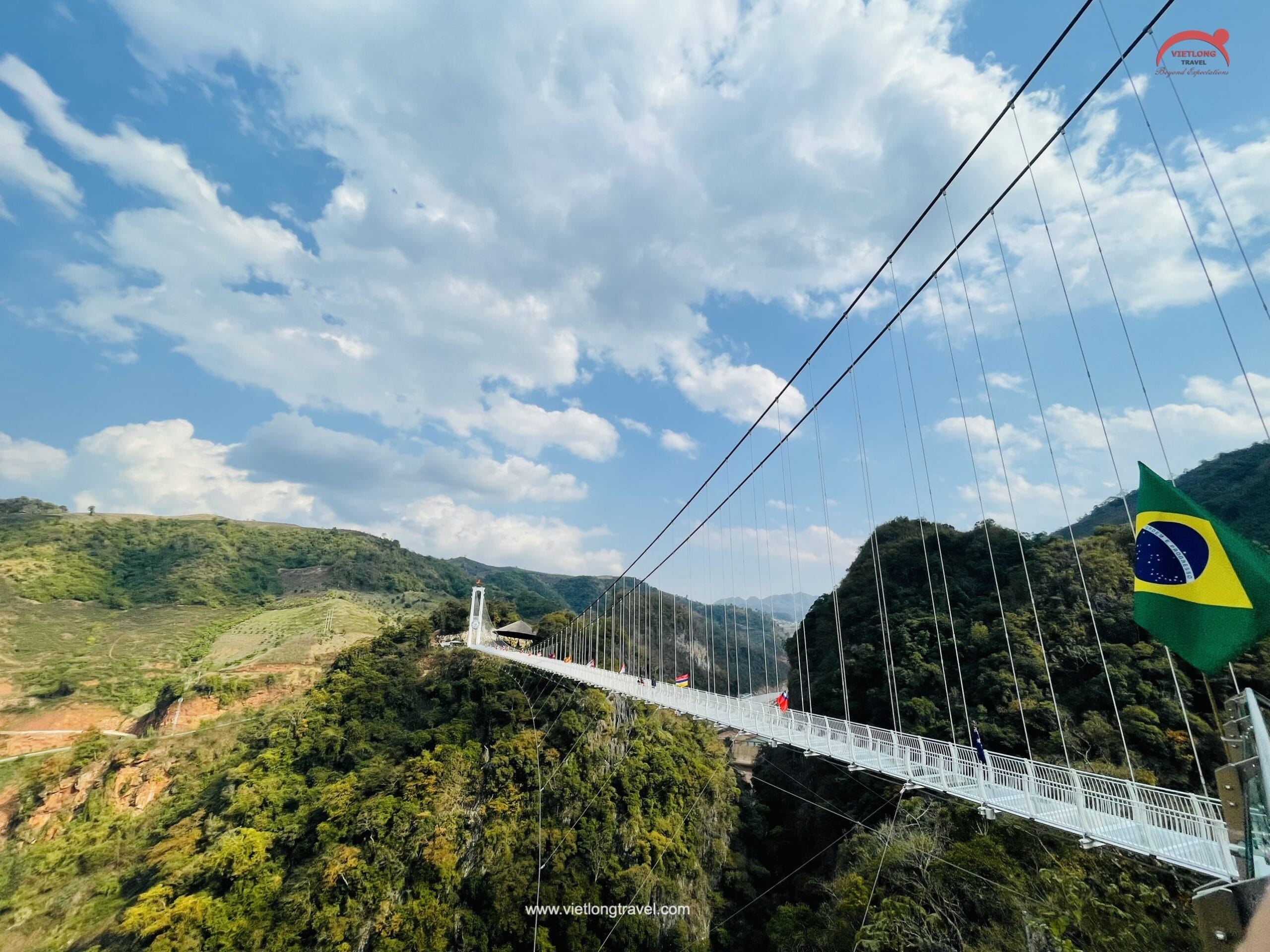
Moc Chau is larger, more diverse in landscapes, and has the iconic Bach Long Glass Bridge, the longest glass bridge in the world.
Both destinations complement each other and can be combined in a single journey.
Iconic Modern Attraction – Bach Long Glass Bridge
One modern highlight of Moc Chau is the Bach Long Glass Bridge, which means “White Dragon.” Stretching over cliffs with transparent glass panels, it has become a new symbol of Moc Chau tourism. Many travelers search for “Bach Long Glass Bridge tickets,” “Is it safe?”, “Where is Bach Long Bridge?” — highlighting the curiosity around this record-breaking attraction.
Why Moc Chau is Vietnam’s “Green Pearl”
-
Natural purity – endless tea hills, flower valleys, and clean air.
-
Cultural richness – ethnic communities preserving traditions.
-
Eco-tourism model – promoting sustainability and community benefits.
-
Unique climate – four seasons, each offering a different natural spectacle.
-
Balance of tradition and modernity – ancient landscapes meet new attractions like Bach Long Glass Bridge.
FAQs About Moc Chau
1. What is Moc Chau famous for?
Moc Chau is famous for its tea hills, plum blossoms, Dai Yem Waterfall, and Bach Long Glass Bridge.
2. How do I get to Moc Chau from Hanoi?
You can take a bus, private car, or motorbike. The journey takes 5–6 hours along scenic mountain roads.
3. When is the best season to visit Moc Chau?
Spring (January–March) for blossoms, and autumn–winter (October–December) for tea harvests and cloud hunting.
4. Is Bach Long Glass Bridge safe?
Yes. Built with strong materials and safety standards, it is inspected regularly to ensure visitor security.
5. Can I combine Moc Chau and Mai Chau in one trip?
Yes. Many tours combine both destinations, offering cultural immersion in Mai Chau and natural landscapes in Moc Chau.
6. What eco-tourism activities are available in Moc Chau?
You can stay in village homestays, trek through pine forests, cycle tea hills, and join conservation-focused tours.
Discover the true charm of Vietnam’s Green Pearl with our authentic Moc Chau tours. From tea hills to cultural villages, we handle the details so you enjoy the journey.