
Imagine a highland escape where golden rice terraces ripple like waves across majestic mountain slopes, where motorbikes hum through cloud-draped passes, and where village children greet you with sunburnt smiles and muddy feet. This is Mu Cang Chai, an off-the-beaten-track destination that’s often overlooked in favor of the popular hill town of Sapa—but one that rewards those who take the journey.
When travelers ask why include Mu Cang Chai from Sapa, the answer lies in the experience: one that takes you beyond postcard landscapes into the rhythm of rural Vietnam—untouched, unhurried, and undeniably real.
From Sapa to Mu Cang Chai: The Road Less Traveled
Scenic Routes and Hidden Valleys
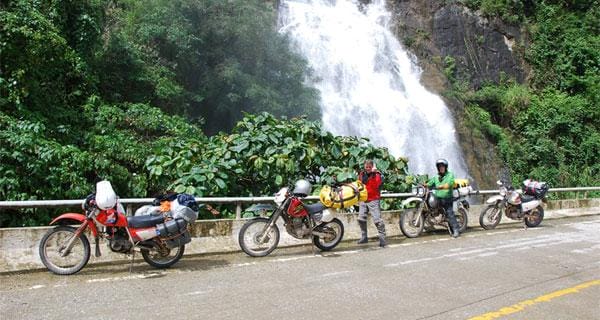
The drive from Sapa to Mu Cang Chai spans roughly 160 kilometers and takes 5 to 6 hours by car or motorbike. But this is not just a transfer; it’s an unfolding adventure along the Khau Pha Pass, one of Vietnam’s most jaw-dropping mountain passes. Here, you’ll feel like a speck in the heavens, surrounded by plunging valleys and mist-draped ridges.
Unlike the well-trodden tourist trails of Sapa, this region offers a much more authentic Vietnam travel experience. The further you go, the more the crowds thin out, the more local life reveals itself. Rice is still harvested by hand, schoolchildren still walk barefoot through paddies, and farmers still greet strangers with a mix of curiosity and quiet pride.
This route also makes a compelling addition to any Northern Vietnam itinerary, blending natural beauty with cultural immersion.
The Magic of the Terraces
Where Nature Meets Human Ingenuity
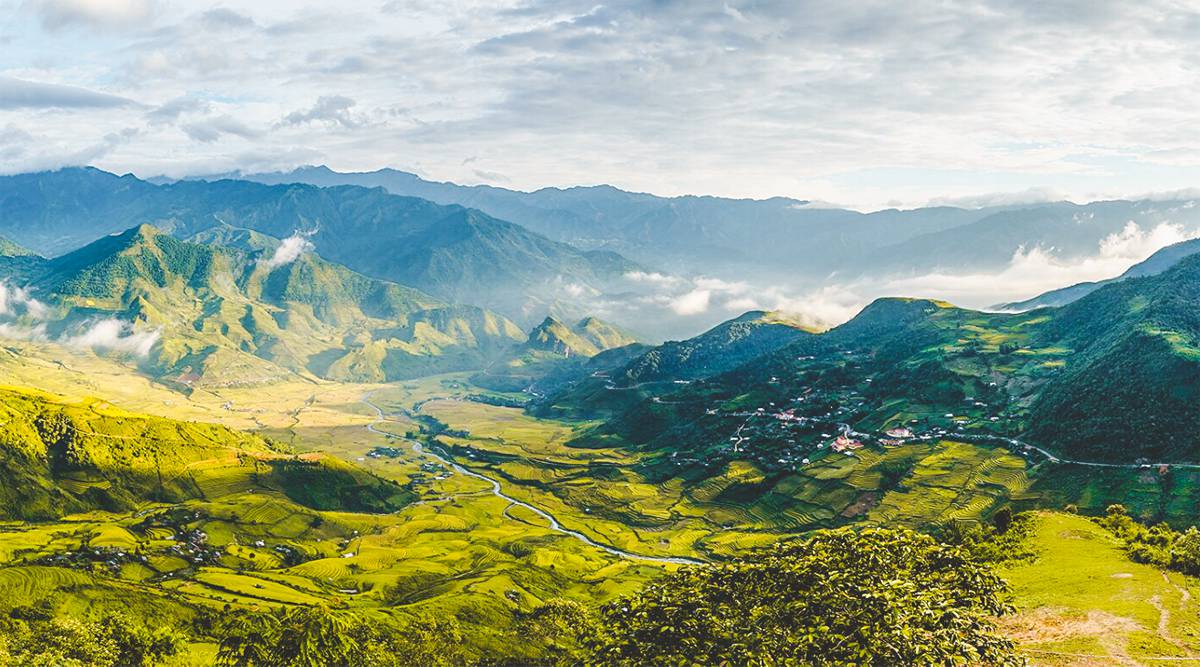
Mu Cang Chai rice terraces are often hailed as among the most beautiful in the world—and rightly so. Carved by the hands of generations of Hmong and Thai farmers, these terraces are more than just fields; they are living sculptures of survival and spirit.
The best time to visit is during the harvest season—from late September to early October—when the valleys burst into vibrant shades of gold. The Tu Le Valley glows with ripe paddies, water buffalos plod through the fields, and the air smells of sweet, sun-warmed rice.
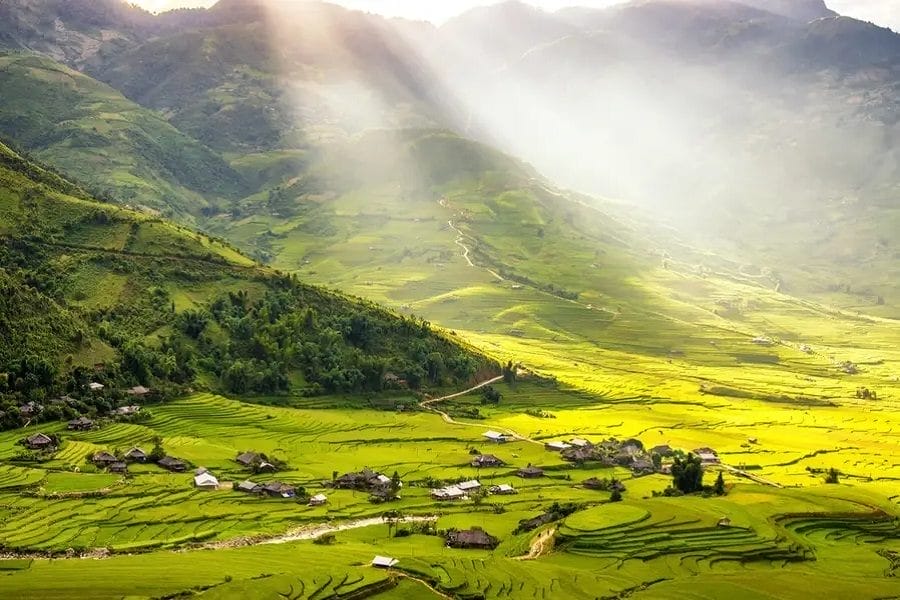
These rice terraces were recognized as National Heritage Landscapes and offer a photography paradise, especially during sunrise and sunset when mist dances among the layers of gold. Even outside of harvest, the fields offer changing palettes through each season—lush green in summer, silvery wet in spring, and barren earth tones in winter—each with its own quiet poetry.
A Deeper Cultural Connection
Life in the Hills of Yen Bai
While Sapa offers glimpses of ethnic minority groups, Mu Cang Chai allows for meaningful interaction. Home to primarily the Black Hmong people, this region retains its ancestral lifestyle, language, and customs.
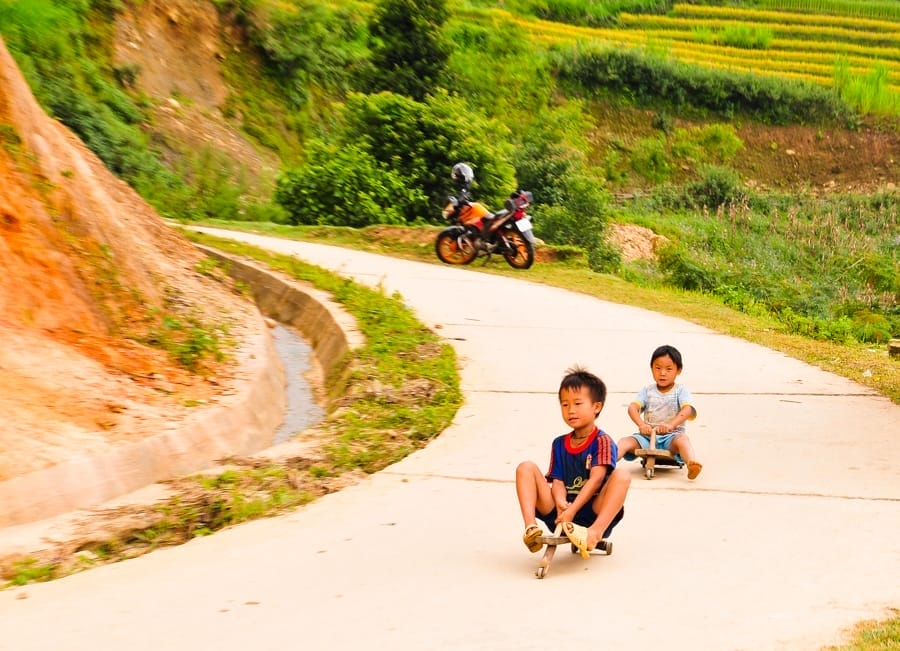
Walk through La Pan Tan, Che Cu Nha, or De Xu Phinh villages and you’ll notice children playing with handmade toys, women dyeing cloth in indigo vats, and elders weaving tales in the sun. There’s a warmth here that doesn’t feel curated for tourists—it’s organic and honest.
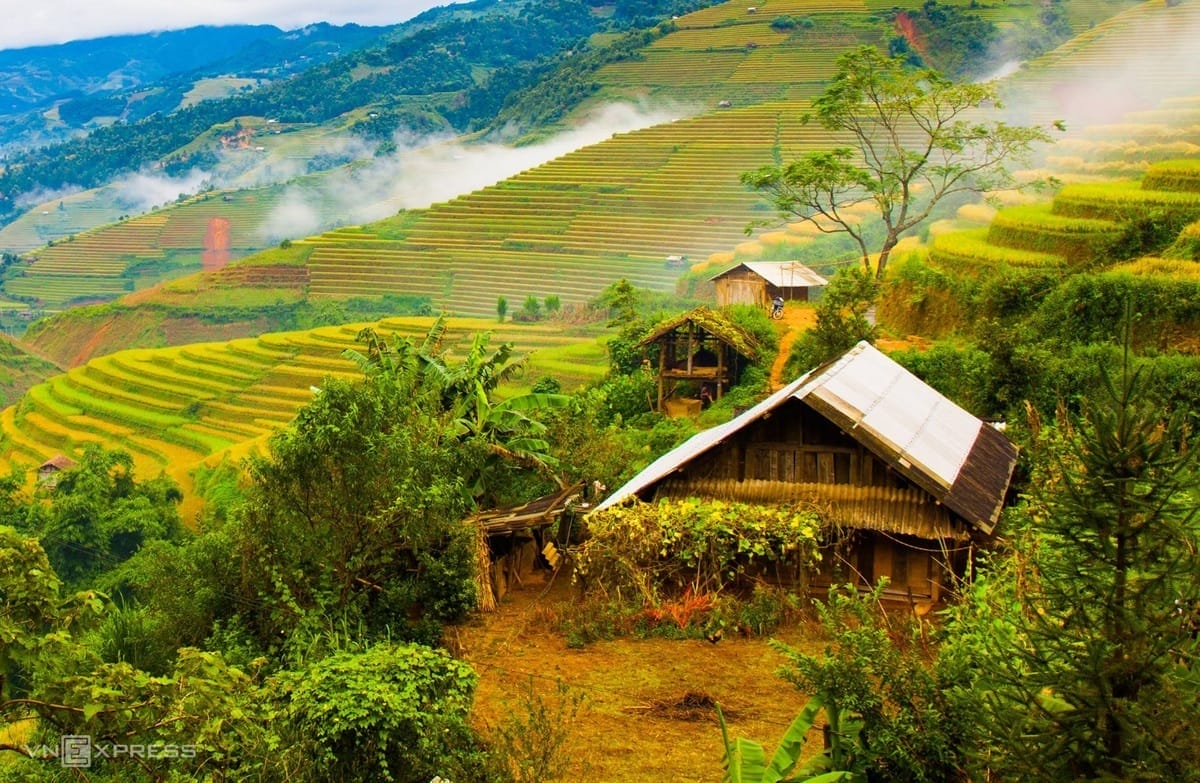
Many travelers opt to stay in eco-lodges or family-run homestays, where meals are cooked over wood fires and conversations flow with rice wine. This is where you’ll gain not just travel stories, but personal connections—reminders of the simple joys of life.
A Haven for Adventure Seekers
Trekking, Biking, and Paragliding Over the Clouds
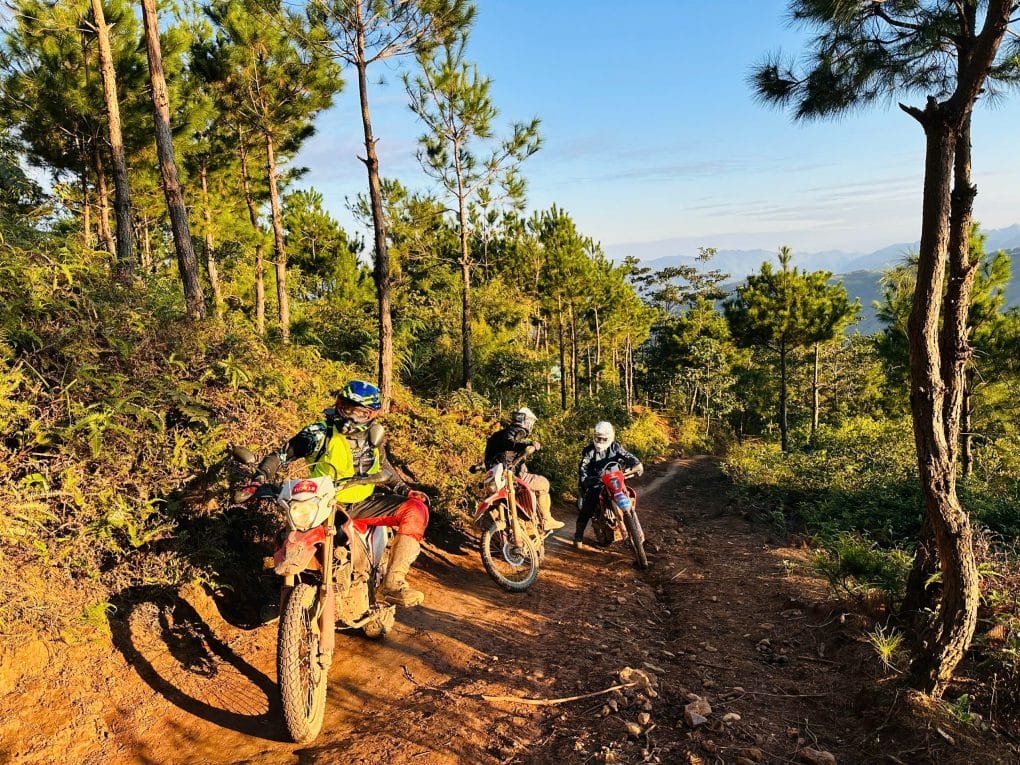
For those chasing adrenaline or nature-based experiences, Mu Cang Chai doesn’t disappoint. The area’s rugged topography makes it ideal for hiking and trekking tours, especially through the rice terraces of La Pan Tan or the pine forests near Lim Mong village.
Each trail opens up to views more spectacular than the last, with mountain ridges undulating in the distance and flocks of birds wheeling through the skies.
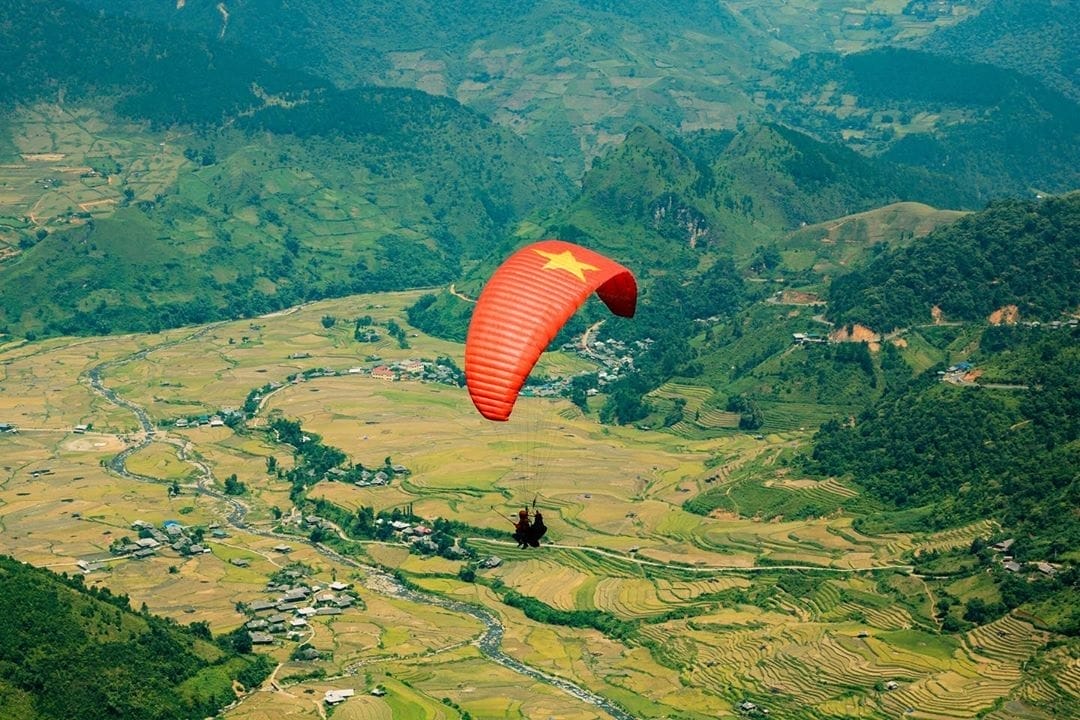
From May to October, paragliding over Khau Pha Pass becomes a bucket-list-worthy experience. Known as one of Vietnam’s top paragliding sites, it gives a literal bird’s-eye view of the patchwork quilt below—an unmatched perspective on the harmony of human and land.
Mu Cang Chai vs. Sapa: Why Choose Both
A Tale of Two Highlands
So, why include Mu Cang Chai from Sapa, instead of just choosing one? The two regions complement rather than compete.
While Sapa is better developed, with more upscale accommodations and wider accessibility, it’s also more commercialized. Mu Cang Chai, on the other hand, offers a rustic charm and more profound cultural immersion. Travelers looking for balance—between comfort and authenticity, between iconic and hidden—will find that doing both completes the picture of Northern Vietnam.
Adding Mu Cang Chai to your Sapa itinerary turns a scenic trip into an unforgettable journey through Vietnam’s soul.
What Makes Mu Cang Chai Family- and Photographer-Friendly?
Whether you’re a photographer, nature lover, or family with teens, Mu Cang Chai offers more than just visual beauty. Children can join farm activities or learn basic weaving; photography enthusiasts get golden hour masterpieces; couples find peaceful moments in remote valleys.
The air is clean, the locals are kind, and the days unfold gently—perfect for those looking to disconnect and recharge.
FAQs – People Also Ask
How to get to Mu Cang Chai from Sapa?
You can drive, hire a car, or ride a motorbike via National Road 32 through Tan Uyen and Than Uyen. The drive takes about 5–6 hours.
Is Mu Cang Chai worth visiting?
Absolutely. It’s one of the most stunning and culturally rich destinations in Vietnam, especially during the rice harvest season in September–October.
When is the best time to visit Mu Cang Chai?
Late September to early October for golden rice fields, or May to June for “watering season” when the terraces shimmer like mirrors.
Can I do a day trip from Sapa to Mu Cang Chai?
It’s not advisable due to the long travel time. An overnight stay or two days is highly recommended.
Is Mu Cang Chai suitable for solo travelers?
Yes, especially if you’re seeking quiet, scenery, and off-grid experiences. Locals are welcoming, and guided tours are available for easier access.
What should I pack for Mu Cang Chai?
Pack for cooler mountain weather: layers, good hiking shoes, insect repellent, and a camera with spare batteries.
Are there any festivals in Mu Cang Chai?
Yes, the “Flying Over the Golden Season” paragliding festival in September draws adventurers and photographers alike.
Can I combine Mu Cang Chai with a Ha Giang Loop tour?
Yes, many adventure travelers combine these two regions for a full Northern Vietnam loop filled with spectacular views and cultural depth.
What is the accommodation like in Mu Cang Chai?
Mostly homestays and eco-lodges. Facilities are basic but comfortable, offering hot meals and unique local experiences.
📲 Don’t just dream about golden rice terraces and untouched valleys—experience them.
Book your Sapa–Mu Cang Chai adventure now and uncover Northern Vietnam’s most authentic gem.