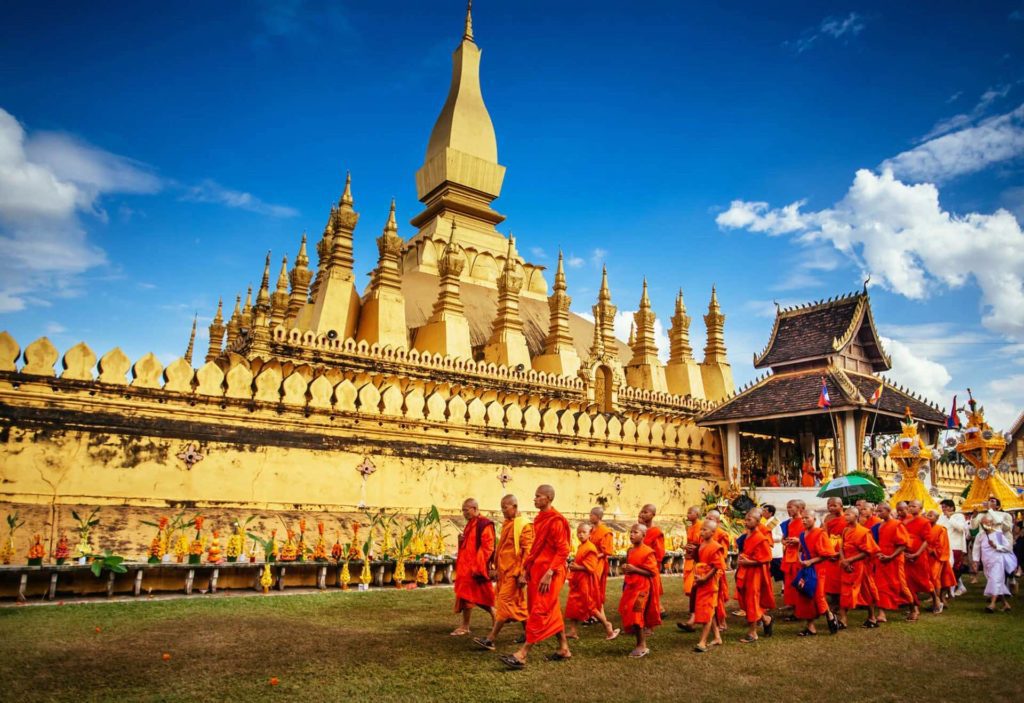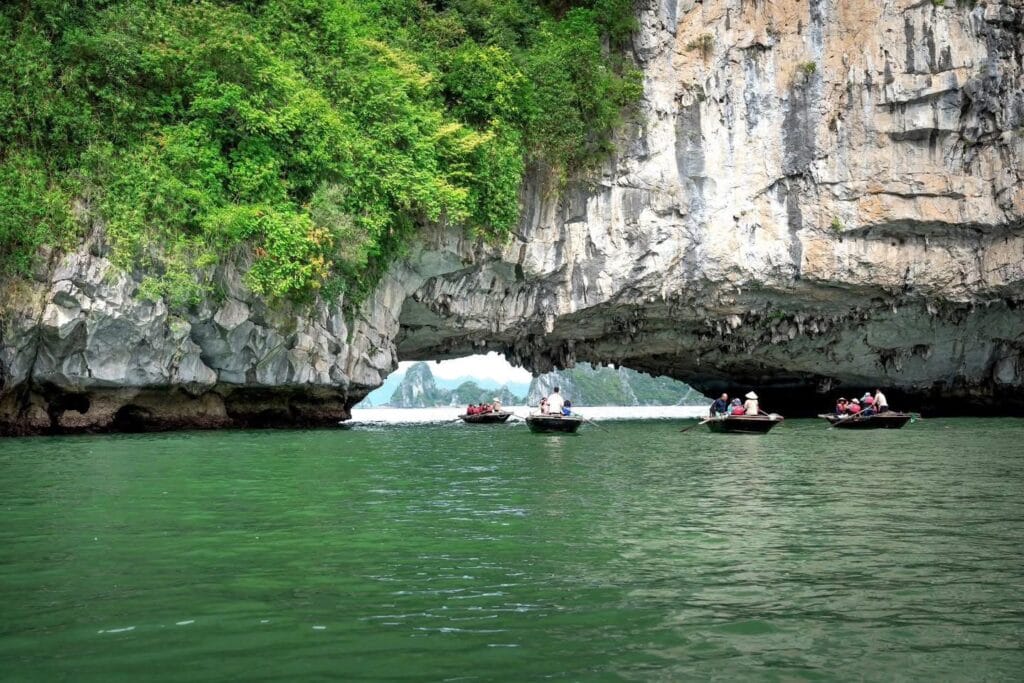

Northern Vietnam is home to some of the most spectacular landscapes in the world—Sapa, Halong Bay, Ninh Binh, and the dynamic city of Hanoi. If you’re planning a Northern Vietnam discovery tour, knowing when to visit Northern Vietnam to avoid crowds is essential. This guide explores the best time to visit Northern Vietnam, giving you local‑insider tips on seasons, weather, and strategic timing for each destination.
1. Why Timing Matters for Northern Vietnam Wonder Holidays
-
When to visit Northern Vietnam to avoid crowds directly affects your experience in Hanoi, Sapa, Halong Bay, and Ninh Binh.
-
High season brings not just tourists but inflated prices, booked‑out cruises, and crowded viewpoints.
-
By choosing lower‑crowd periods, you enjoy serene scenery, better photogenic spots, and authentic local culture.

2. Best Time to Visit Northern Vietnam: Seasonal Overview
2.1 Spring (March – April)
-
Weather is pleasant and cool, ideal for exploring Sapa trekking, Hanoi sightseeing, Tam Coc boat rides, and early Halong Bay cruise.
-
This period is part of the shoulder season, yielding fewer tourists and excellent photo‑opportunities.
-
Flowers bloom in Sapa ethnic villages, enhancing the photogenic spots and culture‑flavour.
2.2 Early Summer (May – early June)
-
Just before peak rainy season, days are warm but not yet steamy.
-
Halong Bay boat cruises and Ninh Binh cycling tours feel more intimate.
-
You’re likely to beat the tourist peaks and still enjoy dry weather.
2.3 Late Summer to Autumn (September – early October)
-
Rice terraces in Sapa turn golden; Ninh Binh rice paddies are harvest‑ready.
-
Temperatures cool down; Halong Bay sees crisp visibility.
-
Tourist volume dips after summer peak; you get scenic sights in a calm setting.
2.4 Avoid These Crowded Periods
-
June to August: peak holiday crowds in all major sites.
-
Tet holiday (Vietnamese Lunar New Year, usually late January or February): internal travel surges, hotels full, high prices.
-
National holidays (e.g., April/May, September): domestic tourism spikes.
3. Destination‑Specific Timing
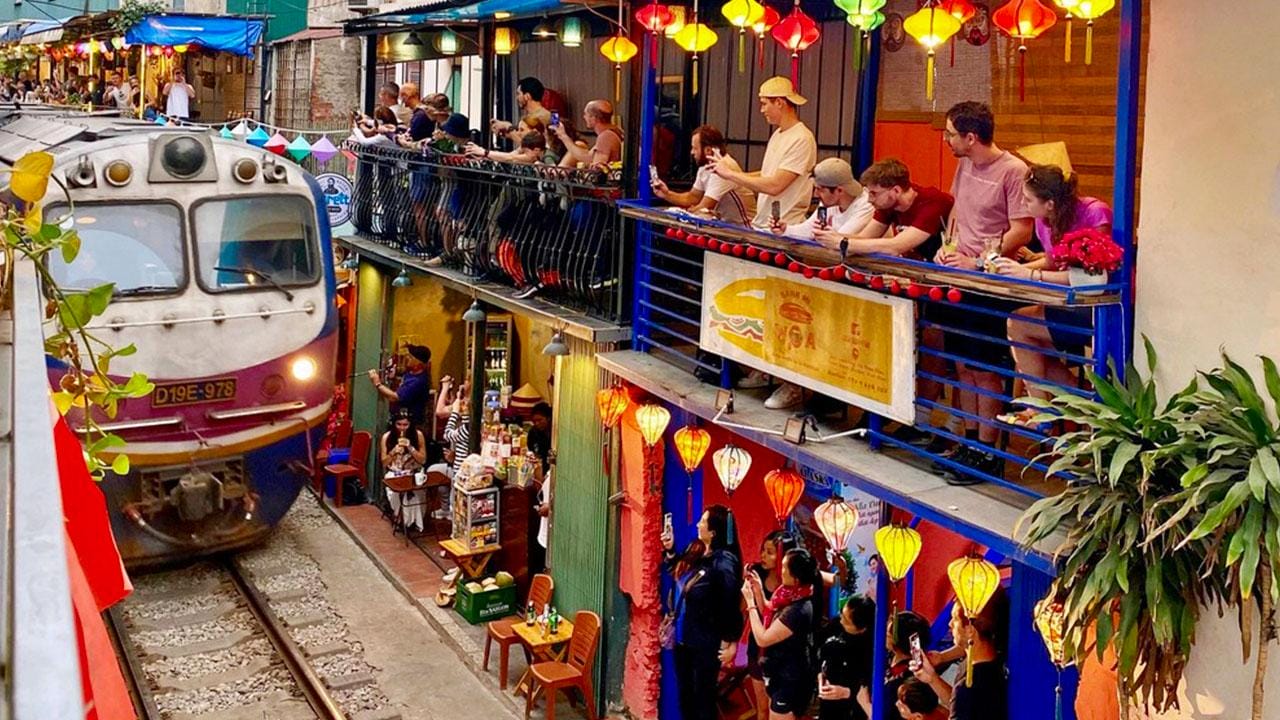
3.1 Hanoi
-
Best time to visit Northern Vietnam and start your itinerary: March–April or September.
-
Streets are less crowded; cultural events and Hanoi Old Quarter attractions feel more vibrant without the crush.
3.2 Sapa
-
Plan your trekking during late April/May or late September to enjoy golden terraces or spring blooms.
-
Avoid peak groups of summer tourists, overcrowded homestays, and booked trekking routes.

3.3 Halong Bay
-
Early spring or early autumn offers calm seas, fewer boats, and more serene cruise experiences.
-
Avoid holiday weekends and summer when speedboats and junk cruises are packed.

3.4 Ninh Binh
-
The best time to visit Northern Vietnam here is during late May to June harvest, or September–October for golden paddies and clear skies.
-
Duck under tourist‑filled boats at Tam Coc, Trang An, and Hang Múa viewpoint by avoiding peak July‑August.

4. Approach to Avoid Crowds
4.1 What times are less busy?
-
Shoulder seasons (March–April, September–October) across destinations.
-
Weekdays in non‑holiday weeks yield fewest visitors.
4.2 Who travels then?
-
Mostly international travelers seeking quiet, photographers, nature lovers, ethnic village homestay guests.
4.3 When in the day is it best?
-
Early mornings for Halong Bay sunrise, Sapa viewpoint shots, Tam Coc rowing—you’ll beat crowds.
4.4 Where to stay for lower crowds?
-
Choose homestays in Ninh Binh, hillside lodges in Sapa, boutique boats in Halong Bay, out‑of‑center guesthouses in Hanoi‑Old Quarter.
4.5 Why plan ahead?
-
To secure better ROM rates on overnight cruises, train transfers to Sapa, and bike rentals in Ninh Binh.
-
Lower demand means better service and more flexibility.
4.6 How to book smart?
-
Reserve at least 4–6 weeks in advance for shoulder season periods.
-
Use flexible cancellation tours or modular itineraries from Hanoi to Danang via Sapa, Halong, and Ninh Binh.
5. 5‑Day Itinerary:
-
Day 1 (Hanoi) – Arrive in March or September; explore Hanoi Old Quarter, Imperial Citadel before crowds swell.
-
Day 2–3 (Sapa) – Trek the Muong Hoa Valley, stay in an ethnic minority village, capture sunrise over terraces during early morning.
-
Day 4 (Halong Bay) – Choose an overnight cruise departing mid‑morning to avoid tourist rush; include cave exploration and kayaking.
-
Day 5 (Ninh Binh) – Boat ride Tam Coc early, climb Hang Múa late afternoon for golden light and sparse crowds.
6. FAQ: People Also Ask
Q1: What is the best time to visit Sapa to avoid crowds?
A: Aim for late April–May or September–early October. The weather is stable, terraces are at peak beauty, and tourist volume is modest. Avoid June–August and Tet holiday.
Q2: When is Halong Bay least busy?
A: Visit in March–April or September–October. The sea is calmer, visibility is higher, and there are fewer cruise boats and speed‑tourists.
Q3: How to avoid crowds in Ninh Binh?
A: Schedule your visit around late May–June harvest or September–October. Boat tours to Tam Coc and climbs to Hang Múa are quieter early in the morning during mid‑week.
Q4: Is autumn a good time to visit Northern Vietnam?
A: Yes—a prime shoulder season, with cooler days, lower humidity, golden rice terraces, and minimal crowds in all major sites.
Q5: What period should be avoided in Northern Vietnam?
A: Avoid June through August, plus Vietnamese public holidays like Tet, Reunification Day, National Day, when both domestic and international tourist numbers spike.
Enjoy a stress‑free Northern Vietnam Discovery Tour from Hanoi to Danang via Sapa, Halong Bay & Ninh Binh in off‑peak months for unbeatable views and space.
Tags:
avoid crowds Vietnam travel,Best time to visit Northern Vietnam,Halong Bay shoulder season,Hanoi travel tips,Ninh Binh less crowded,off‑peak Vietnam travel,Sapa best season,Vietnam scenic season,Vietnam wonders itinerary,when to visit northern Vietnam