
The Bach Long Glass Bridge in Moc Chau, Vietnam has quickly become one of the country’s most iconic attractions. Known as one of the longest glass bridges in the world, it draws both domestic and international travelers eager for breathtaking views, thrilling walks above the cliffs, and Instagram-worthy photos. However, like any famous landmark, the experience can be diminished by large crowds.
If you’re planning a trip and want to know when to visit Bach Long Glass Bridge to avoid crowds, this detailed guide provides expert advice. We’ll cover the best months, days, and times, plus practical travel tips that enhance your journey while keeping it authentic and stress-free.
Why Timing Matters for Bach Long Glass Bridge

-
Peak visitor flow: As one of Vietnam’s newest and most striking attractions, the bridge often sees surges during weekends, public holidays, and school breaks.
-
Safety and comfort: A quieter visit means more time to enjoy panoramic views without rushing through the glass panels.
-
Better photos: For travelers, especially photographers, avoiding peak hours ensures unobstructed shots of the Moc Chau plateau, tea hills, and surrounding landscapes.
Best Season to Visit Bach Long Glass Bridge

Spring (February – April)
Spring is one of the most popular times in Moc Chau thanks to peach blossoms and plum blossoms. While it’s beautiful, this season attracts both locals and photographers. To avoid crowds, plan weekday visits early in the morning.
Summer (May – July)
The weather is warmer, with lush greenery across the highlands. Since schools are on holiday in Vietnam, weekends can be busy. If you travel in summer, aim for mid-week mornings.
Autumn (September – November)
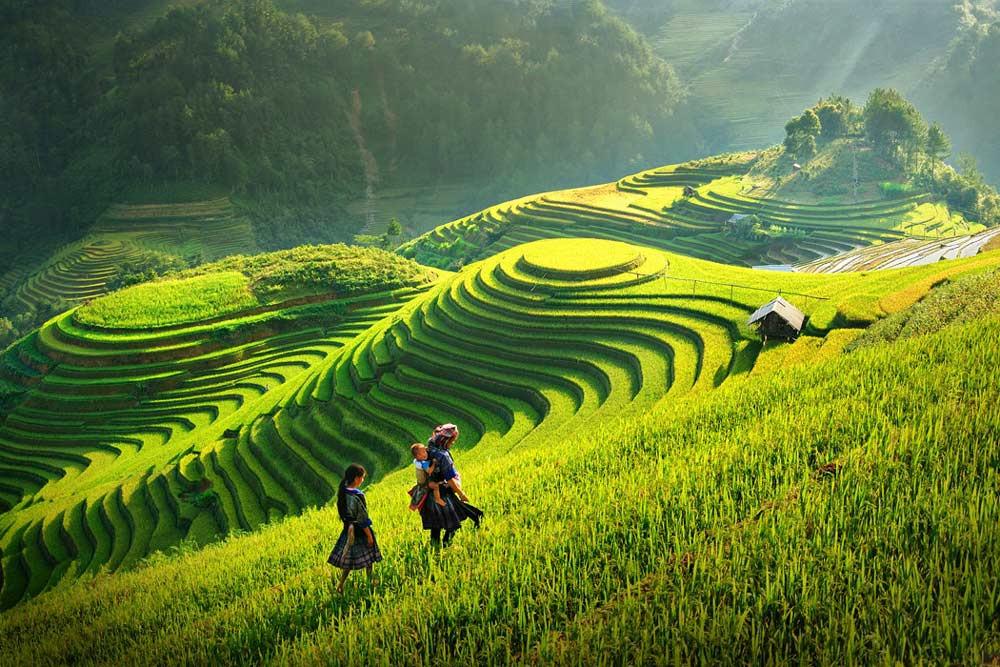
This is arguably the best time to visit Bach Long Glass Bridge. The cool climate and golden harvest landscapes make it a favorite for nature lovers. While tourism picks up around October, weekdays remain peaceful.
Winter (December – January)
Fog sometimes covers the mountains, giving the bridge a mysterious atmosphere. Crowds are lighter, but prepare for chilly conditions. Early mornings are quieter, but afternoons may be clearer for photos.
Best Days to Visit the Bridge

-
Weekdays (Monday – Thursday): Visitor numbers drop significantly compared to weekends.
-
Avoid national holidays: Long weekends, Tet Festival (Vietnamese New Year), and school breaks bring large groups.
-
Fringe days: Fridays see an increase in domestic tourism, while Sundays are popular for return trips from Hanoi.
Best Time of Day for Visiting
-
Early morning (7:30 AM – 9:30 AM): Be among the first to cross, enjoy clear skies, and experience calm conditions.
-
Late afternoon (3:30 PM – 5:00 PM): Great for softer light and fewer crowds as day-trippers begin leaving.
-
Avoid mid-day: Tour buses from Hanoi typically arrive late morning to early afternoon.
Travel Tips to Maximize Your Experience
-
Book tickets in advance: Online booking often includes time slots that help stagger arrivals.
-
Stay overnight in Moc Chau: Instead of rushing from Hanoi, spend a night in a local homestay or resort. This gives you the advantage of early morning access.
-
Pair with local attractions: Visit Dai Yem Waterfall, Heart Tea Hill, or Ang Village to spread out your sightseeing and avoid peak bridge times.
-
Travel off-peak: If your schedule allows, travel in shoulder months (March, September, or December).
Eco-Friendly Travel to Bach Long Glass Bridge
Visiting responsibly matters. The bridge is part of a broader eco-tourism initiative in Moc Chau. Choosing low-impact travel practices—such as staying in community-based homestays, supporting local markets, and minimizing plastic waste—helps preserve the natural environment and cultural heritage of the Thai and Hmong villages nearby.
Combining Destinations: Moc Chau, Mai Chau, and Beyond
A smart way to avoid crowds is to plan an itinerary that balances highlights with hidden gems:
-
Mai Chau Valley: A quieter cultural destination just 3 hours from Hanoi, known for stilt houses, cycling paths, and Thai ethnic culture.
-
Pu Luong Nature Reserve: Offers rice terraces and trekking routes for those who prefer untouched landscapes.
-
Tea Hills & Flower Fields: Moc Chau’s rolling tea plantations and flower gardens provide peaceful alternatives before or after the bridge.
FAQs
Is Bach Long Glass Bridge safe?
Yes. The bridge uses multi-layer tempered glass panels tested for heavy weight capacity. Safety staff are present throughout.
How long is the Bach Long Glass Bridge?
It spans over 600 meters, making it one of the longest pedestrian glass bridges globally.
How much are tickets for Bach Long Glass Bridge?
Ticket prices vary seasonally but generally range between 100,000 – 200,000 VND for adults. Discounts often apply for children.
What is the best way to get to Bach Long Glass Bridge from Hanoi?
The most common route is a 4–5 hour drive via National Highway 6. Travelers can go by bus, private car, or motorbike.
Is Moc Chau worth staying overnight?
Yes. An overnight stay lets you enjoy early morning peace at the bridge and explore other attractions like Dai Yem Waterfall and tea hills.
Can I visit Bach Long Glass Bridge on a day trip from Hanoi?
It’s possible but tiring. To truly enjoy the scenery and avoid crowds, staying at least one night is recommended.
When is the quietest month to visit?
November and early December often have fewer domestic tourists, providing calmer conditions.
What should I wear on the bridge?
Comfortable shoes and warm clothes in winter. Visitors usually wear protective shoe covers provided by staff.
If you’re planning a journey to Bach Long Glass Bridge, timing is key. Visit during weekdays, off-peak months, and early mornings for the best, crowd-free experience. Discover Bach Long Glass Bridge with us! Experience Moc Chau’s breathtaking views, tea hills, and local culture while avoiding the crowds. Book your personalized tour today for a stress-free journey.
Tags:
avoid tourist crowds,Bach Long Glass Bridge,best time to visit Vietnam,Hanoi day trip,longest glass bridge,Mai Chau tours,Moc Chau homestay,Moc Chau itinerary,Moc Chau travel,Vietnam eco tourism