
Hanoi, Vietnam’s bustling capital, is a city brimming with ancient traditions, colonial charm, and a vibrant street life. Amidst its historical temples and aromatic street food stalls lies a peculiar attraction that has captivated travelers worldwide: Hanoi Train Street. This narrow, residential alley features an active railway line running mere inches from homes and cafes. Its unique charm draws thousands, eager to witness the thrilling spectacle of a train thundering past at incredibly close quarters.
However, the beauty and undeniable allure of Hanoi Train Street hide an inherent, often underestimated, danger. What started as an accidental tourist hotspot has grown into a significant safety concern. Recent incidents, including a near-miss involving a foreign tourist in June 2025, have sharply highlighted the critical risks involved. This unique paradox of beauty versus danger defines Train Street. It poses a constant challenge for authorities, local residents, and visitors alike.
This article explores the compelling reasons why people flock to this extraordinary spot. We also delve into the inherent dangers that have led to increased scrutiny and safety measures. Ultimately, we aim to provide a comprehensive guide for understanding and, if visiting, navigating Hanoi Train Street responsibly and safely.
The Irresistible Charm of Hanoi Train Street
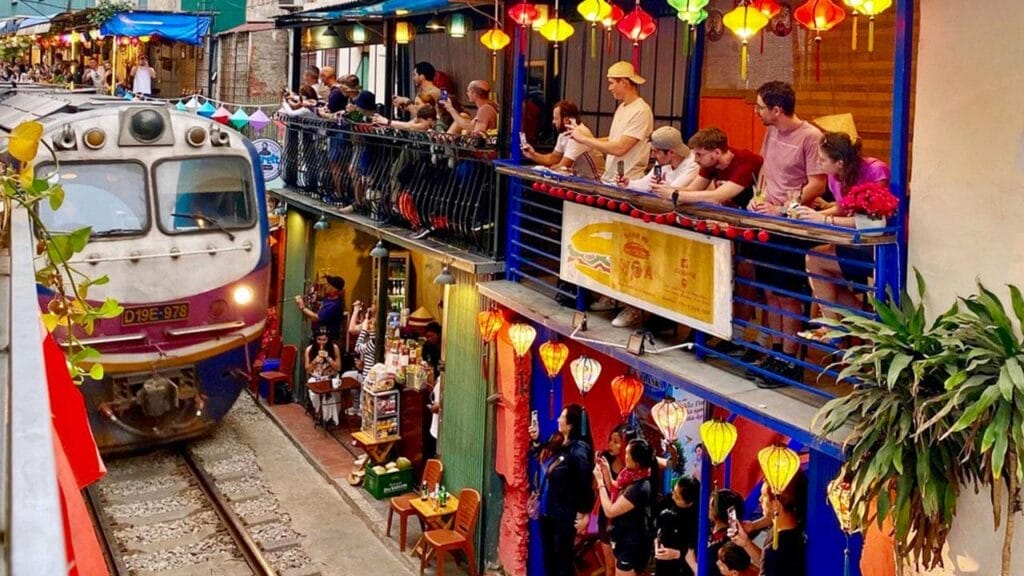
Hanoi Train Street isn’t just a railway line; it’s a living, breathing spectacle. It offers a unique glimpse into the city’s soul. Its magnetic appeal is multifaceted. It draws adventurers, photographers, and culture enthusiasts.
A Glimpse into Local Life and History
Hanoi Train Street provides a fascinating window into the daily rhythm of Hanoi’s residents. Everyday life unfolds here, precariously close to an active railway line.
Traditional Narrow Alleys: The street itself is an authentic Hanoi experience. It embodies the city’s characteristic labyrinth of narrow alleys. These are lined with traditional tube houses. Residents utilize every inch of available space.
Residential Dwellings: Homes spill directly onto the tracks. Children play. Laundry dries. Vendors sell goods in the narrow margins. This creates an intimate, almost surreal, backdrop to daily life.
Daily Routines: Witnessing residents go about their routines – cooking, chatting, preparing for the train – offers a rare insight into Hanoi’s resilience and adaptability. It’s a raw, unfiltered view of local life. This resonates deeply with visitors seeking authenticity.
Historical Context: The railway itself has deep historical roots. It’s part of Vietnam’s colonial past. The French built it during their rule. This historical layer adds another dimension to the street’s appeal. It’s not just a tourist spot; it’s a piece of living history.
The Unique Aesthetic: Photo Opportunities at This Location
For photographers and social media enthusiasts, this attraction is a dream come true. Its visual appeal is undeniable.
Narrowness and Vibrant Colors: The street’s extreme narrowness, coupled with the vibrant colors of the old houses, creates a compelling visual. It offers striking contrast and depth for photographs.
Old-World Charm: The juxtaposition of weathered buildings and sleek, modern trains creates a unique aesthetic. It blends old-world charm with contemporary movement. This appeals to artists and casual photographers alike.
Artistic Potential: Every corner offers a new perspective. The leading lines of the tracks, the textured walls, and the human elements create endless artistic potential. It’s truly a photographer’s paradise.
The Thrill of the Train Passing: An Adrenaline Rush
For many, the primary draw is the sheer adrenaline rush of seeing the train pass. It’s an experience unlike any other offered by Hanoi Train Street.
Proximity: The train hurtles past mere inches from onlookers. This proximity creates an unparalleled sense of excitement and awe. It’s a thrilling sensory experience.
Raw Power: Feeling the ground tremble and hearing the roar of the train up close is intensely visceral. This raw power leaves a lasting impression.
Unique Spectacle: It’s not just a train. It’s a carefully orchestrated daily spectacle. Spectators wait with anticipation. They then quickly scramble to safety. This adds to the drama.
The Cafe Culture Experience: A Unique Way to Enjoy the Tracks
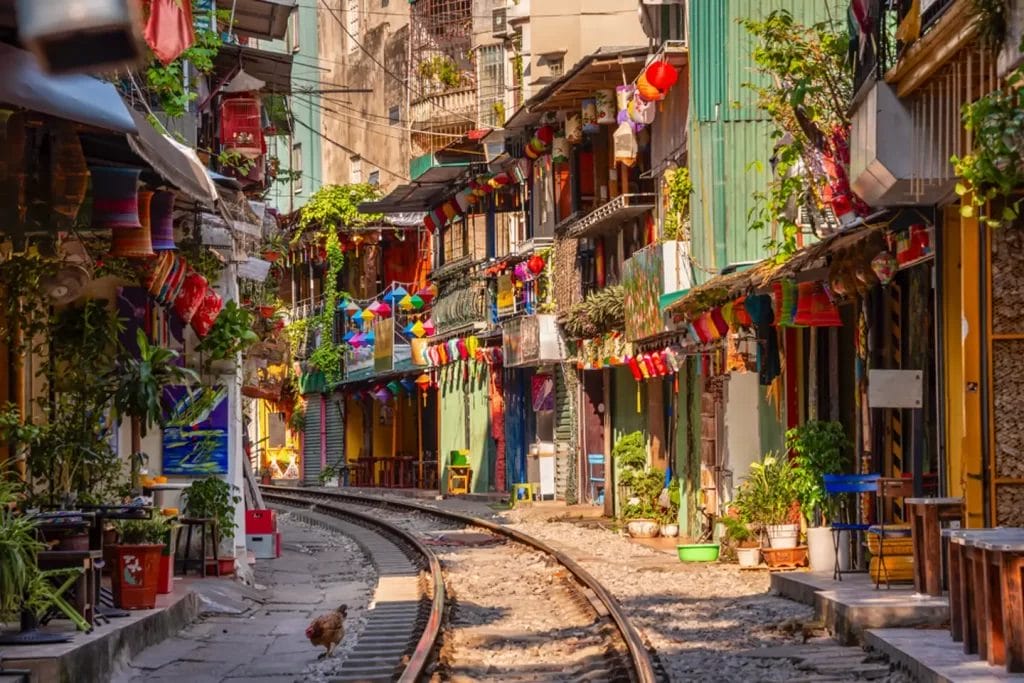
Over time, a unique cafe culture has blossomed along the tracks. This offers a cozy way to experience the spectacle.
Cozy Cafes: Small, charming cafes have sprung up in converted residential spaces. They offer a unique vantage point.
Trackside Seating: During non-train times, cafe owners strategically place tiny plastic chairs and tables on the tracks. This allows patrons to soak in the atmosphere.
Unique Atmosphere: The anticipation builds as train time approaches. Cafe owners quickly usher everyone off the tracks. Then, they guide them to safety zones. This adds to the excitement and community feel.
Drinks and Snacks: Enjoy traditional Vietnamese coffee, fresh juices, or local snacks. These can be savored while waiting for the train. This unique atmosphere is a significant part of the attraction.
The Inherent Dangers of Hanoi Train Street
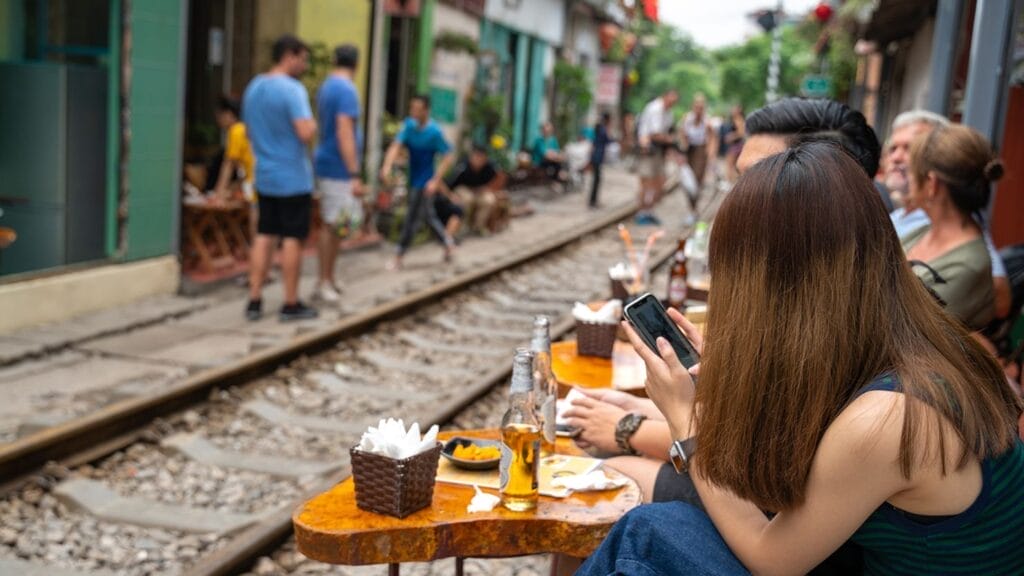
Despite its undeniable charm, this location is a place where beauty comes with inherent and serious risks. These dangers are often underestimated by thrill-seeking tourists. This poses continuous challenges for safety enforcement.
Active Railway Line & High-Speed Trains
The most critical danger stems from the fact that Hanoi Train Street is an active, operational railway line, not a decommissioned tourist gimmick.
Operational Line: This is a vital part of Vietnam’s national railway network. Freight and passenger trains regularly use it. This means the trains run on a schedule, but delays or unscheduled movements can occur. This unpredictability increases risk.
Speed and Force: Trains move much faster than they appear. This is especially true in such confined spaces. Their sheer mass and speed create powerful air currents. These can easily destabilize someone standing too close. The force of impact would be catastrophic.
Limited Warning Time: While train drivers use horns and locals issue warnings, the time between a distant horn and the train’s arrival is minimal. This leaves very little room for error or slow reactions. The speed and momentum of a train mean it cannot stop quickly, even if an obstruction is sighted.
Narrow Space & Lack of Safety Barriers at This Site
The physical layout of Train Street dramatically amplifies its dangers.
Minimal Clearance: The gap between the train and the nearest structures is incredibly narrow. It offers only inches of clearance. There is simply no safe distance for standing beside a moving train.
No Physical Barriers: Unlike typical railway crossings, there are no permanent physical barriers or gates. Nothing separates onlookers from the active tracks. This relies entirely on human vigilance and adherence to warnings.
Shared Space: Residents, businesses, and tourists all share this precarious space. This constant intermingling increases the chances of an accidental stumble or push into the danger zone.
Uneven Terrain: The tracks themselves are often uneven. Loose gravel and ties can lead to slips or falls, particularly when rushing to move out of the way.
Tourist Behavior & Overconfidence
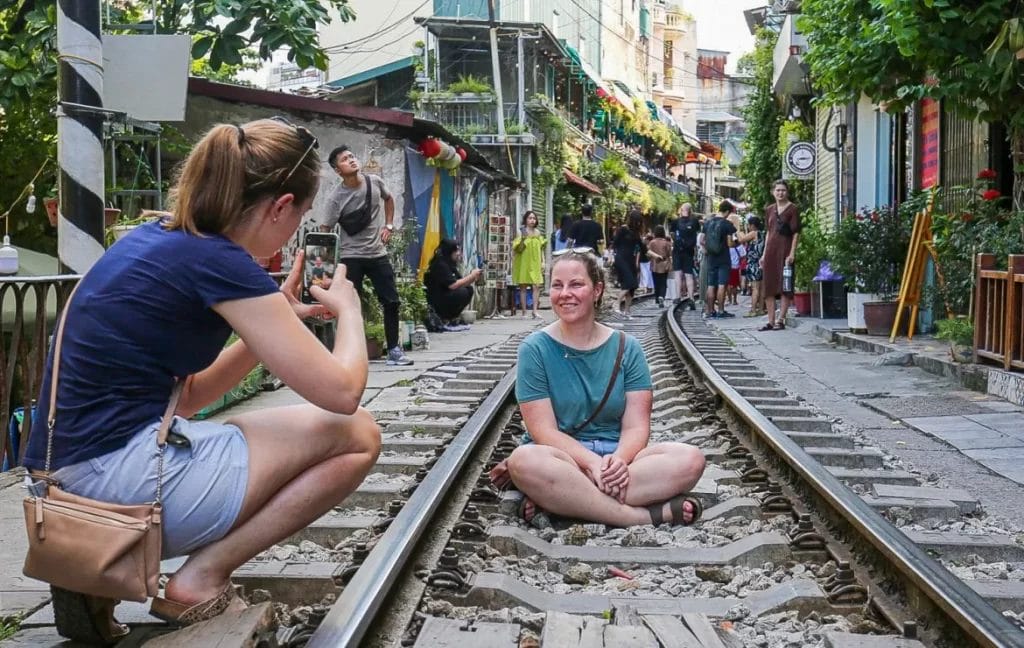
A significant portion of the danger comes from tourist behavior. It’s fueled by a desire for unique photos and a lack of awareness.
Distraction by Photos/Videos: Tourists often become so engrossed in capturing the perfect photo or video that they lose situational awareness. They fail to notice approaching trains or disregard warnings.
Underestimating Danger: Many visitors treat Train Street as a static attraction or a photo backdrop. They fail to grasp the real, immediate threat posed by a moving train. They assume the train will slow down or that they have ample time to move.
Ignoring Warnings: Whistles, bells, and verbal shouts from locals and cafe owners are frequently ignored. Tourists may not understand them or may simply dismiss them in their pursuit of a unique experience.
Influence of Social Media: The “viral” nature of Train Street photos and videos on platforms like Instagram creates pressure. This encourages riskier behavior to capture even more dramatic shots. This cycle perpetuates the danger.
Overcrowding & Emergency Response Challenges
The popularity of this attraction has led to severe overcrowding. This exacerbates safety issues.
Confined Space: Hundreds of people can pack into the narrow alley during peak times. This creates a dangerous crush.
Difficulty of Evacuation: When a train approaches, the sheer volume of people in a confined space makes rapid and orderly evacuation challenging. Panic or confusion can lead to accidents.
Blocked Access: Overcrowding and illegally placed tables/chairs can block access for emergency services. In case of an accident, reaching victims quickly would be extremely difficult.
Recent Incidents & Urgent Safety Measures
The inherent dangers of Hanoi Train Street are not theoretical. They have manifested in numerous near-misses and actual accidents. This has pushed authorities to take increasingly stringent measures. The June 2025 incident serves as a stark reminder.
The June 2025 Near-Miss: A Tragedy Averted Hanoi Train Street
Detailed Incident: On June 13 and 14, 2025, a harrowing incident occurred on Hanoi Train Street. It was specifically in the popular section between Trần Phú and Phùng Hưng. A male foreign tourist, reportedly distracted by filming with his phone, lost his footing. He stumbled and fell dangerously close to a rapidly approaching train.
Swift Intervention: Fortunately, alert onlookers and possibly local residents or cafe owners reacted instantly. They pulled the man to safety just moments before the train passed. This averted a potential tragedy that could have severely damaged the reputation of this unique attraction and Vietnamese tourism.
Distraction’s Cost: This incident vividly illustrates the critical risk posed by distraction, particularly from mobile phone use. The desire for a perfect shot often overshadows basic safety awareness. This highlights the ongoing challenge of managing tourist behavior in a hazardous environment.
Increased Enforcement & Temporary Closures
The June 2025 near-miss prompted immediate and decisive action from Hanoi authorities.
Rapid Response: On the evening of June 14, following the incident and its viral spread, local authorities dramatically increased their presence. They conducted rigorous checks and enforcement operations along Train Street.
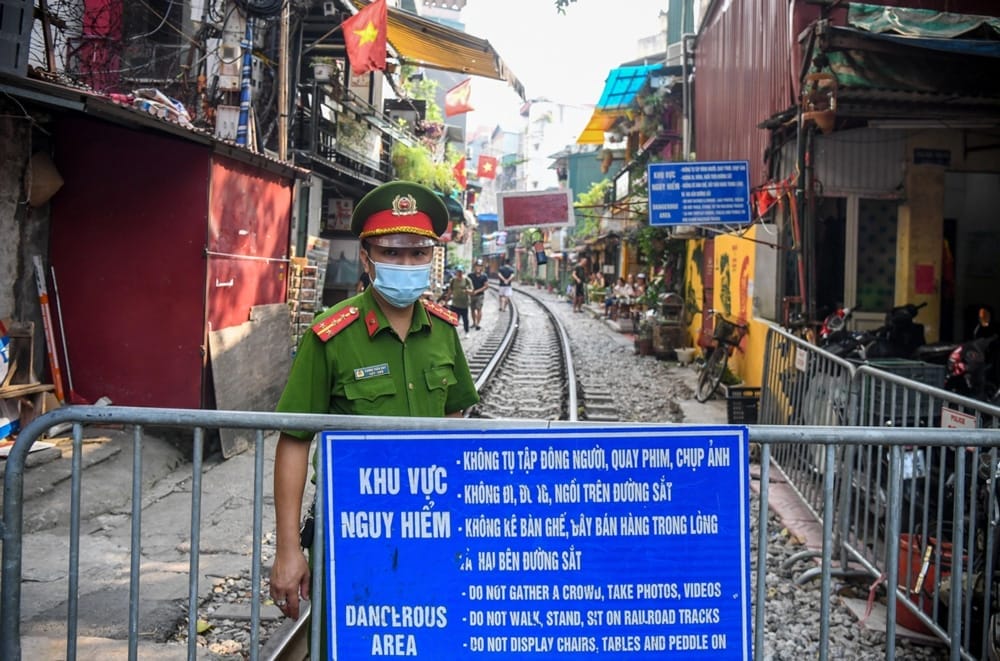
Cafes Closed, Tourists Cleared: Hundreds of tourists and cafe patrons were requested to leave the railway safety corridor. Cafe owners were instructed to turn off their lights and close their establishments. This effectively shut down the tourist-facing operations in the most dangerous sections of Hanoi Train Street.
Emphasis on Safety Laws: Authorities reiterated existing regulations. These laws prohibit operating businesses within the railway safety corridor. They also prohibit public gatherings that endanger railway operations.
Previous Closure Attempts: This wasn’t the first time authorities attempted to close down the cafes on Train Street. Similar crackdowns occurred in 2019 and 2022 due to safety concerns. These efforts, however, often saw businesses eventually reopening as enforcement waned.
Ongoing Challenges & Sustainability of Closures
The situation presents a complex dilemma. It balances safety with local livelihoods and tourism appeal.
Livelihoods vs. Safety: Many local residents rely on the income generated by the cafes and tourist traffic. Permanent closures severely impact their livelihoods. This creates a push-pull between economic necessity and public safety mandates.
The “Cat-and-Mouse” Game: The history of Train Street’s closures shows a pattern. Authorities enforce. Businesses close temporarily. They then gradually reopen once pressure eases. This cycle highlights the difficulty of long-term enforcement without a sustainable alternative for residents.
Tourist Demand: The strong international tourist demand for the unique Hanoi Train Street experience also fuels the cycle. This makes it challenging for authorities to keep it completely shut down.
Navigating Hanoi Train Street Safely: Essential Tips for Visitors
For those who still wish to experience the unique allure of Hanoi Train Street, adhering to strict safety protocols is non-negotiable. Your safety, and the safety of others, depends on it.
Respect Warning Signals & Authorities
Heed Whistles and Bells: Train drivers use loud horns and bells to warn. Pay immediate attention. Move to designated safe zones without delay.
Obey Staff Instructions: Always follow the instructions of cafe owners, railway staff, or police. They are there to ensure your safety. Do not argue or hesitate.
Read Signage: Pay attention to any warning signs or painted lines indicating safe distances.
Know the Train Schedule (and its unpredictability)
Approximate Times: While cafes often display approximate train schedules, treat these as guidelines, not guarantees. Trains can be delayed or run unscheduled.
Be Prepared Always: Assume a train could come at any moment. Never walk on the tracks or sit there casually.
Stay Aware, Stay Sober on the Tracks
No Distractions: Put away your phone, camera, or any other distractions when a train is approaching. Focus entirely on moving to safety and staying clear.
Avoid Substances: Do not consume alcohol or other substances that impair judgment. Maintain full awareness of your surroundings.
Peripheral Vision: Stay alert to your surroundings. Be aware of other people. This helps avoid accidental pushes or trips.
Choose Designated Viewing Spots
Don’t Venture Onto Tracks: Never walk down the middle of the tracks or pose for photos on the railway lines. This is extremely dangerous and disrespectful.
Stay Within Cafe Boundaries: If you are at a cafe, stay strictly within the designated safe zones. Cafe owners will guide you.
Avoid Narrow Corners: Some sections of this unique attraction are even narrower or have blind corners. Avoid these spots, as visibility and reaction time are severely limited.
Travel Insurance is Non-Negotiable
Comprehensive Coverage: Ensure you have comprehensive travel insurance. It should cover medical emergencies, accidents, and evacuation. The risks on Train Street are real. Being unprepared financially for an accident could be devastating.
The Future of Hanoi Train Street: Balancing Charm and Safety
The future of Hanoi Train Street remains a complex question. It balances its undeniable tourist appeal with critical safety concerns. Finding a sustainable solution requires collaboration and innovative thinking.
Preservation of Local Character vs. Tourism Growth
Authenticity vs. Commercialization: Authorities face the dilemma of how to manage tourism. They want to preserve the unique, authentic character of this residential area. Yet, they must ensure visitor safety.
Regulated Access: Some propose regulating access to Train Street. This could involve timed entry. It might also mean limiting visitor numbers. Designated viewing areas could be established. This would maintain its charm while controlling crowds.
Community Involvement & Sustainable Tourism
Role of Residents: Local residents and businesses are key stakeholders. Their livelihoods depend on tourism. Any solution must involve their input. It needs to provide viable alternatives or regulated income streams.
Tourist Education: Effective campaigns could educate visitors on the dangers. This promotes responsible behavior. Signage and multilingual warnings could be improved.
Sustainable Model: The goal should be a sustainable tourism model. It respects the safety of all. It also supports local communities.
Long-Term Solutions for This Unique Site
Designated Viewing Platforms: Constructing safe, elevated viewing platforms could allow tourists to witness the trains. This would eliminate direct interaction with the tracks.
Improved Signage and Barriers: While full barriers may detract from the aesthetic, clearer, larger, and multilingual warning signs are essential. Temporary barriers could be deployed during train times.
Rethinking the Attraction Model: Perhaps Train Street’s appeal needs to evolve. It could shift from a high-risk interactive experience. It could become a historical landmark or a carefully managed cultural precinct. This would be observed from safe distances.
A Call for Responsibility
Hanoi Train Street is undeniably one of Vietnam’s most unique attractions. Its raw beauty, glimpse into local life, and thrilling spectacle create an unforgettable experience. However, its inherent dangers, vividly underscored by recent incidents, cannot be ignored.
The future of this iconic street hinges on collective responsibility. Authorities must continue to prioritize safety through consistent enforcement and thoughtful planning. Local residents deserve support as solutions evolve. And visitors must exercise extreme caution, prioritize their safety, and adhere strictly to all warnings.
Hanoi Train Street remains a powerful symbol of Hanoi’s resilience and charm. Its continued existence as a beautiful, albeit carefully managed, attraction depends on a shared commitment to safety. By understanding and respecting its unique paradox, we can all contribute to preserving its allure responsibly.