
Thailand, with its shimmering golden spires, emerald seas and laid-back island life, holds an irresistible pull for travellers on their first visit. For those stepping into this Southeast Asian gem for the first time, the dual worlds of temples in Thailand and island beaches in Thailand offer two very different – yet deeply complementary – experiences. One invites you into the quiet rhythm of reflection, the other sweeps you into the soothing tide of sea and sand. In this guide you’ll discover not just where are the must-see temples and island beaches in Thailand for new visitors, but also why they matter, how to plan for them, and what makes them unforgettable.
Along the way you’ll pick up crucial Thailand travel tips for beginners, shake off any “is Thailand safe for tourists” concern and feel confident to let your heart roam free across Bangkok’s bustle, Chiang Mai’s hills and the soft shoreline of a far-flung Thai island.
1. Why visit temples in Thailand?
Visiting a temple in Thailand is more than admiring architecture or snapping selfies by golden statues. These spaces embody the historical, spiritual, and cultural heart of the country. The phrase travel to Thailand often conjures images of sun-drenched beaches, but to truly understand “why Thailand continues to draw millions of tourists each year”, you need to walk the quiet corridor of a temple, listen to monks chant at dawn, and step across centuries of devotion.
When you approach a temple like the iconic Wat Pho or Wat Arun in Bangkok, you’ll notice the dramatic angles of rooflines, the vivid tiles that catch the light, and the guardian figures watching over every threshold. These aren’t just decorative; they symbolize stories of protection, cosmic order and Buddhist teachings. In Chiang Mai’s Old City or in Ayutthaya’s ancient ruins you’ll find Thai temple grounds that bring together faded red bricks, towering chedis and a sense of spiritual calm that few beach resorts can manage.
As you explore Thai cultural etiquette and tips, it becomes clear that visiting temples is about more than sightseeing. You’ll remove your shoes, cover your shoulders, and bow respectfully. You’ll see Thais crossing themselves or placing flowers at spirit houses, and you’ll realise you’re part of a living tradition. This offers rich material for a “first-time in Thailand” narrative: the unexpected whoosh of incense, children offering alms at dawn, the calm that falls once the tourist buses depart.
If you only have a first-timer’s window into Thailand, pick one major city and one northern destination:
-
In Bangkok: Wat Pho (Temple of the Reclining Buddha) – the giant golden reclining Buddha alone makes this a standout. Walk its corridors, take in the murals, and wander outside into the quiet chedi field.
-
Also in Bangkok: Wat Arun (Temple of Dawn) – catch the sunset over the Chao Phraya River for one of Thailand’s most iconic moments.
-
In Northern Thailand: Wat Phra That Doi Suthep near Chiang Mai – perched high above the city, serpent-guarded stairs lead you to sweeping views and tranquil spirit.
Each of these temples pairs beautifully with other experiences – street-food in Bangkok after temple wandering, or hill-tribe villages after Doi Suthep.

2. Why explore island beaches in Thailand?
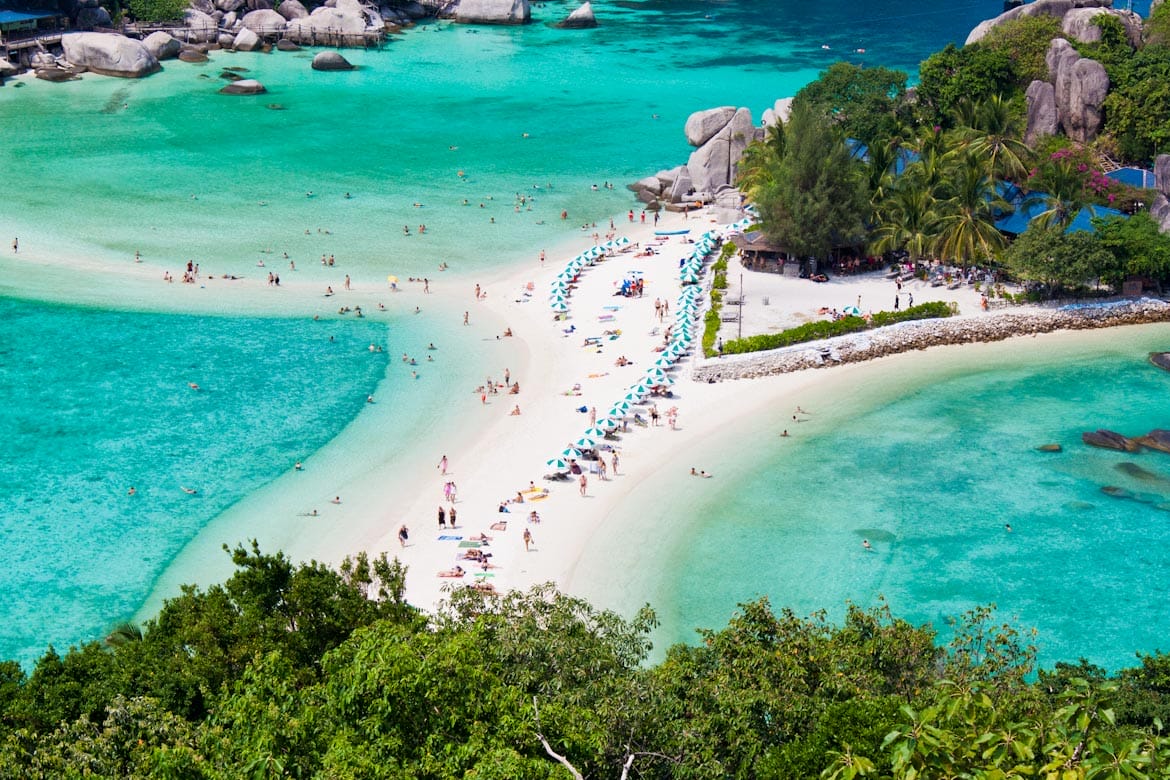
After the temples, the world of island beaches in Thailand provides the perfect counter-balance: sun, sand, clear water, snorkels and pure relaxation. For first-time visitors, this is where you allow yourself to simply be, basking in nature and letting Thailand’s slower pace seep in.
Thailand’s beach world isn’t one-size‐fits-all. There are party islands, family-friendly lagoons, secluded coves and luxe villas with infinity pools. Think about your travel style: couples might aim for romantic islands; families for safe, shallow-water beaches; teen-friendly groups for lively beach towns.
For a first-time visit, pick an island that balances accessibility with beauty. Here are three top choices:
-
Phuket – a large island with infrastructure, good flights and many beaches. If you have one beach stop, this offers a comfortable start.
-
Koh Samui – laid-back luxury, palm-lined Kamala, or the more serene Maenam Beach. Easy to reach and ideal for honeymooners or couples.
-
Phi Phi Islands (from Krabi/Phuket) – used to be a hidden paradise; still spectacular. Clear water, dramatic limestone cliffs, and day-trip ready.
When writing about “romantic islands in Thailand for honeymoon” you’ll emphasise private beaches, sunrise swims, and couples’ spa treatments. For families: “child-friendly beaches in Thailand” means shallow water, gentle waves and activities. Teen-friendly might mean snorkelling, kayaking or eco tours around coral reefs.
One key Thailand travel tip for beginners: respect the environment. Don’t stand on coral, carry a reef-safe sunscreen, and take your rubbish with you. Ask “is Thailand safe for tourists” and the answer is yes—but always be aware: currents, jellyfish, mooring boats and marine protection rules matter.
3. Pairing temples + island beaches into a single tour
One of the best things about Thailand is you don’t have to pick “temples” or “beach” experiences: you can happily blend both. A smart first-timers’ route could look like this:
-
Start in Bangkok: Visit Wat Pho, Wat Arun, explore street-food and canal rides.
-
Fly north to Chiang Mai: Take in Wat Phra That Doi Suthep, wander old city lanes, maybe visit an elephant sanctuary or hill-tribe village (nature-filled experiences).
-
Finish on the beach: Fly down to Phuket or Koh Samui, do a couple of nights by the sea, snorkel, relax, maybe go island-hopping.
The transition from city to hills to sea gives you a sense of Thailand’s diversity. It makes your holiday richer and tells a story: “temple mornings”, “mountain afternoons”, “sunset cocktails by the beach”.
Day 1–3: Arrive in Bangkok, visit major temples, boat ride, night-market dinner.
Day 4–6: Fly to Chiang Mai, stay near the old city, day trip to Doi Suthep and surrounding nature.
Day 7–10: Fly to Phuket (or Koh Samui), check into a beach resort, snorkel, relax, visit a local island by boat, maybe spa treatment, end with one special sunset dinner.
Keep in mind Thailand travel cost: major city vs island will differ, internal flights booked early save money, and good deals on boutique hotels are found pre-season or outside peak holidays. Make sure you know how to get around in Thailand: airports, ferries, tuk-tuks, domestic flights. Crowds are lighter during shoulder seasons (April-May or September).
4. Cultural, safety & practical travel tips for first-Timers
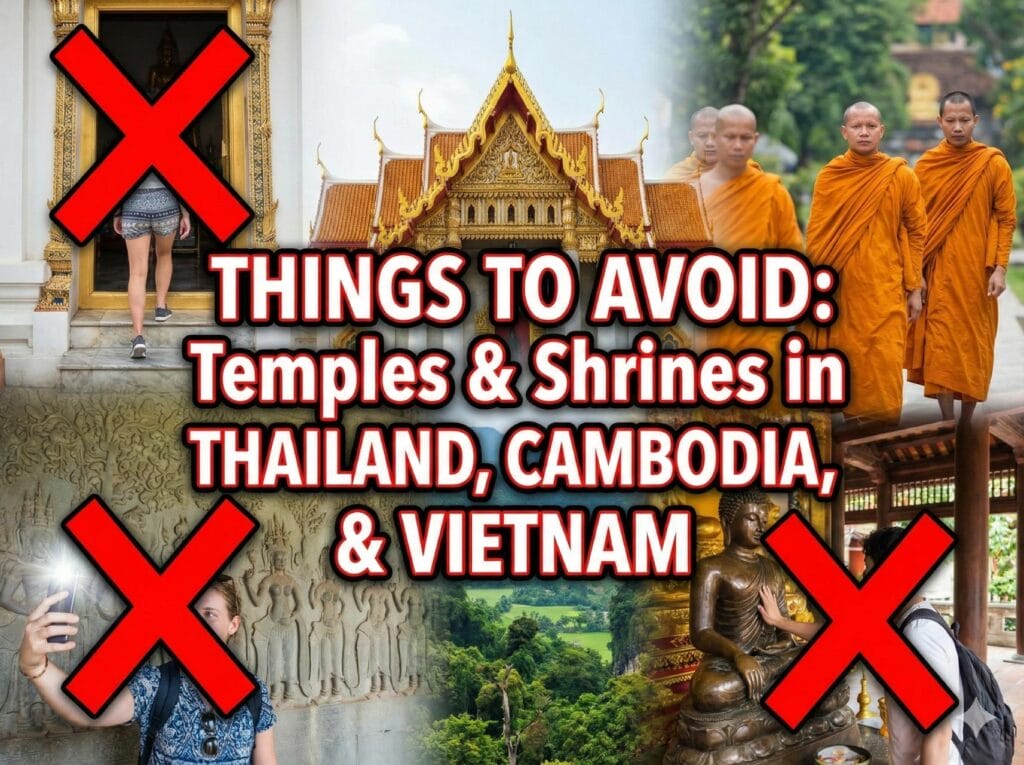
At a temple: dress modestly (shoulders and knees covered), remove shoes before entering inner sanctums, keep a quiet voice, ask before photographing monks, and never point your feet at Buddha images. These may seem small, but locals notice and these details help you blend in respectfully and avoid awkward moments.
Check tide times, be cautious when renting jetskis (helmet use), and heed coral reef restrictions. Take a reef-safe sunscreen (marine life depends on it), and when snorkelling avoid standing on coral – a huge LSI term to incorporate: “coral reef protection Thailand beaches”.
While “is Thailand safe for tourists?” tends to get lots of clicks, the real concerns are basic: pickpocketing in busy areas, strong currents in some beaches, road-safety on islands, reliable travel insurance, and also knowing emergency numbers Thailand. Also consider health: stay hydrated in the humid climate, use mosquito repellent around nature spots.
If you’re planning to ask “when is the best time to visit Thailand?” you’ll answer: November to February is peak (cooler, dry), March-May is hot and sunny (ideal for beach), June-October is monsoon (good deals, fewer crowds). But islands differ: e.g., Andaman Sea side vs Gulf of Thailand side have different seasons.
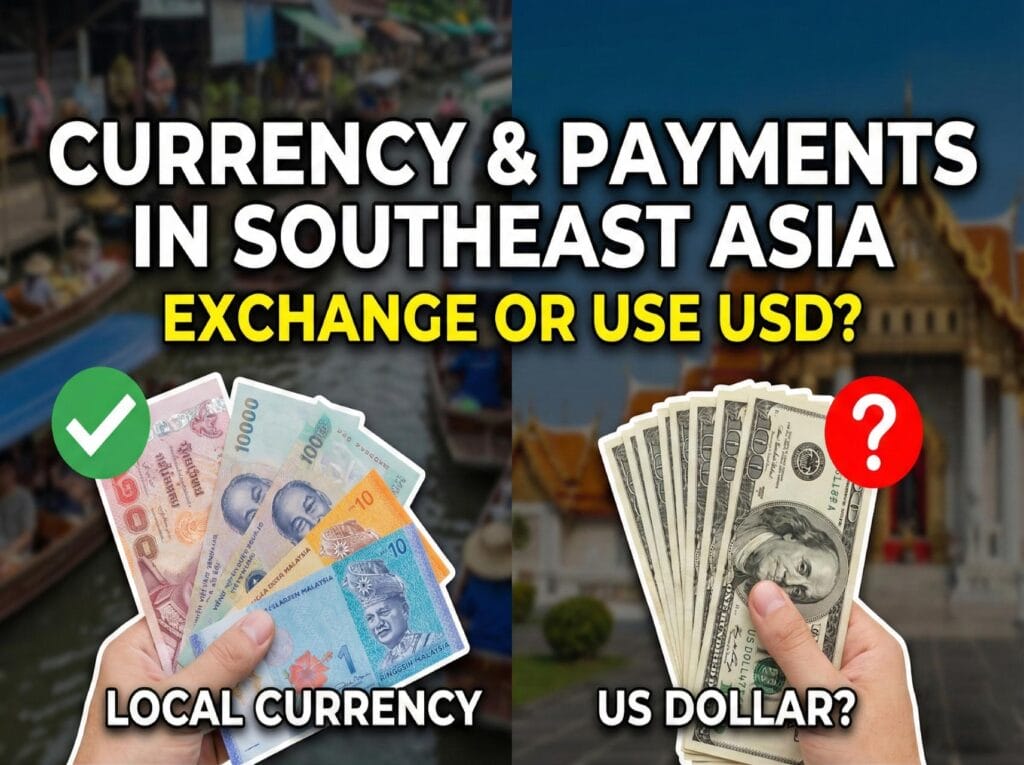
Think about “how much to spend in Thailand for mid-range travellers”: in Bangkok you might spend less; in island resorts more. Use ATM widely but pay attention to foreign transaction fees. Carry some local currency (thai baht), check plug-adapter type (Thailand uses types A, B, C depending on region). These micro-intent details add value to the reader.
5. Honeymoon & couples-friendly focus: temples, beaches and romance
If you are part of a couple (or designing content for couples) the combination of temples and beaches becomes even more meaningful. A temple morning in Chiang Mai followed by a beach afternoon in Koh Samui creates a travel story of contrast and connection.
At Wat Phra That Doi Suthep take the funicular or climb the naga-guarded stairs at dawn. As the city lies below, share a moment of silence and introspection before heading back to your resort. These are perfect for couples who want meaningful experiences beyond the sun-lounger.
Choose private-beach resorts in Thailand with villas, over-water pools or secluded coves. In Phuket or Koh Samui you’ll find luxury hotels offering candle-lit dinners, spa treatments for two and early-morning swims. The key is to pick quieter beaches (e.g., Maenam in Koh Samui) rather than the busiest party zones.
Even on a honeymoon you can manage cost without sacrificing magic: visit just one high-luxury beach resort for a few nights, then stay another night in a boutique one for contrast. Research “budget honeymoon Thailand” and “luxury honeymoon Thailand” and combine elements: maybe massage in the city, then spa by the sea.
6. Putting it all together: your travel story and take-aways
Your first visit to Thailand needn’t be rushed or superficial. By weaving together temples in Thailand and island beaches in Thailand, you build a memorable, multi-layered holiday that touches culture, nature, relaxation and romance.
6.1 Story arc for the traveller
-
Arrival: feel the hum of Bangkok, the tuk-tuk ride, the temple chiming bells.
-
Mid-trip: head north or inland, breathe mountain air, reflect at temples, dive into local village life.
-
Finale: leave the city behind, sink your toes in soft sand, snorkel beside coral, watch the sunset from a private beach with someone you love.
6.2 Top take-away tips
-
Book internal flights ahead (“when to book internal flights in Thailand”), especially between city/island legs.
-
Pack smart: light clothes for humidity, modest cover-up for temple, reef-safe sunscreen for beach.
-
Respect culture: thoughtful temple visits reflect well on you and deepen your experience.
-
Choose the right island for you: infrastructure matters for first timers; seclusion matters for couples.
-
Balance cost and experience: major cities are economical, island resorts cost more but you can stay fewer nights.
Start mapping your travel story. Pick one city, one cultural highlight, one beach resort. Use the travel tips for beginners above. Keep flexibility (“things to do in Thailand for first-timers”) — maybe a spontaneous snorkel, a local meal under a palm tree, a dawn temple visit. These unscripted moments often become your favourite memories.
FAQ
Q: Do I need a visa to travel to Thailand?
A: Most travellers from Australia, New Zealand, US and many European countries receive a visa-free stay for up to 30 days when arriving by air, but always check your nationality, recent changes and entry requirements for 2025.
Q: Is Thailand safe for first-time tourists?
A: Yes, generally it is safe if you use common travel sense. Be mindful of petty crime in tourist zones, be cautious on island roads, respect local culture, and choose reputable transport and accommodation.
Q: What is the best time to visit Thailand’s islands?
A: The best time depends on which coast you choose: for the Andaman Sea (Phuket, Phi Phi) it’s November to April; for the Gulf of Thailand (Koh Samui, Koh Phangan) late December through March is ideal. Shoulder-seasons may offer fewer crowds and better deals.
Q: How many days should a first-timer allocate for temples and beach in Thailand?
A: Ideally 7 to 10 days: 2–3 days in Bangkok/temple exploring, 2–3 days in the north (if possible) or another cultural site, and 2–4 days at a beach resort. It gives you enough rhythm without feeling rushed.
Q: What should I pack for both temple and beach experiences?
A: Bring modest clothing (shoulders and knees covered) for temples, breathable casual wear for city/temple days, swimwear and cover-ups for beach. Include reef-safe sunscreen, insect repellent for nature spots, and power-adapter/plug suitable for Thailand.
Ready to turn this travel story into reality? Join our expertly-guided Thailand experience and explore iconic temples, snorkel crystal-clear waters, and discover romantic islands — book your perfect adventure now.
Tags:
Best time to visit Thailand,island beaches in thailand,temples in thailand,thailand cultural etiquette,Thailand honeymoon tour,Thailand tour ideas for couples,thailand travel guide,thailand travel packing list,Thailand travel tips,travel to Thailand