
Thailand, often referred to as the “Land of Smiles,” is renowned for its rich tapestry of cultural festivals that reflect its deep-rooted traditions, religious beliefs, and communal spirit. These festivals offer a unique window into the Thai way of life, blending ancient rituals with vibrant celebrations. Here’s an in-depth look at some of the most significant cultural festivals in Thailand.
1. Songkran Festival: The Thai New Year Celebration
When: April 13–15
Where: Nationwide, with major events in Bangkok and Chiang Mai
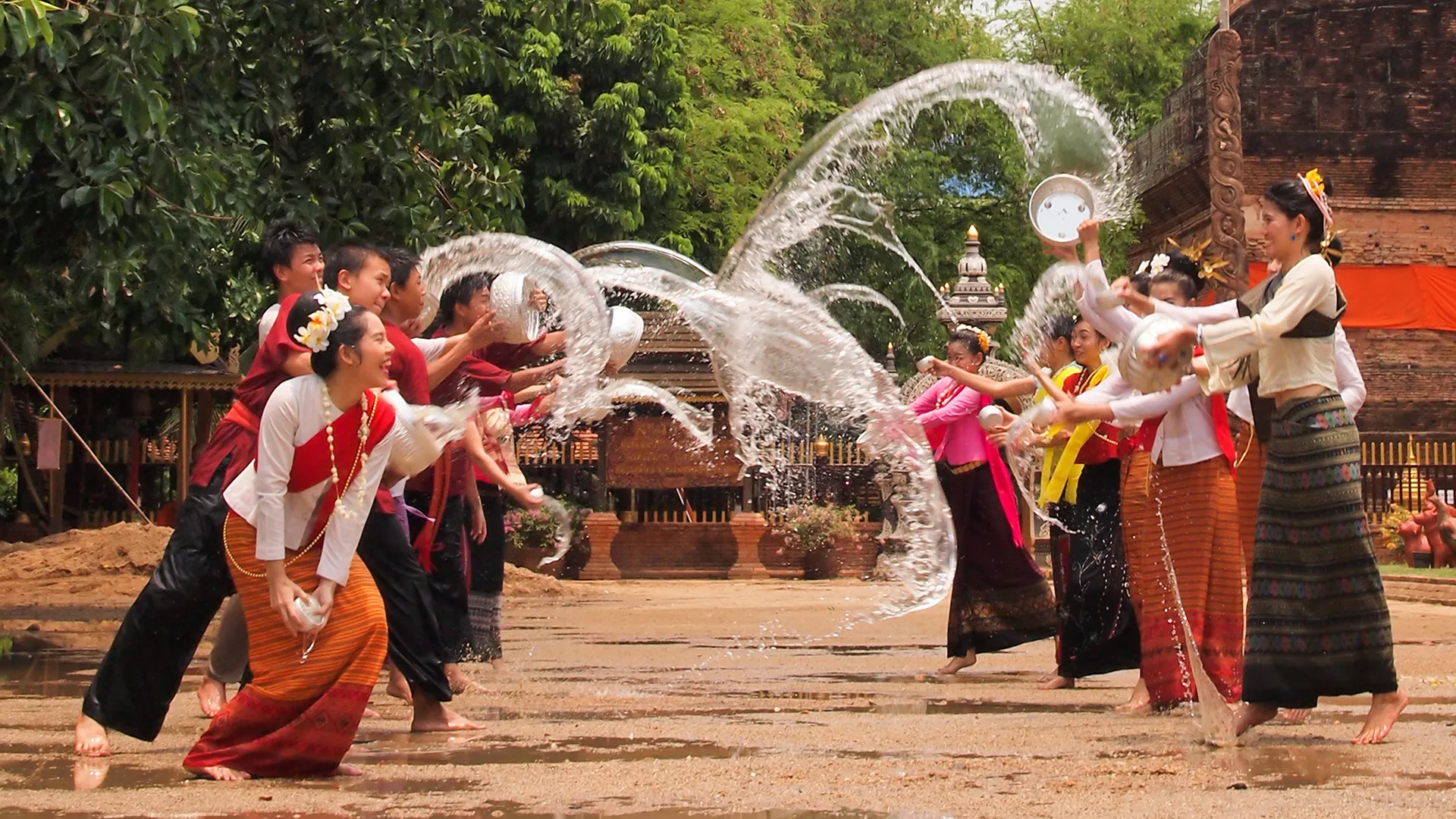
Songkran, the traditional Thai New Year, is one of the most anticipated festivals in Thailand. Marked by nationwide water fights, it symbolizes the washing away of sins and bad luck. Beyond the playful water battles, locals engage in merit-making activities, such as visiting temples, offering food to monks, and pouring water over Buddha statues and elders’ hands as a sign of respect.
Highlights:
-
Water splashing on the streets
-
Traditional parades and beauty pageants
-
Family reunions and temple visits
2. Loy Krathong: The Festival of Lights
When: November (on the full moon night of the 12th lunar month)
Where: Nationwide, with notable celebrations in Sukhothai, Chiang Mai, and Bangkok
Loy Krathong is a serene and visually stunning festival where participants release decorated baskets (krathongs) onto rivers and waterways, paying homage to the water goddess and seeking forgiveness for past misdeeds. The sight of thousands of illuminated krathongs floating on water creates a mesmerizing spectacle.
Highlights:
-
Releasing krathongs into rivers
-
Traditional dance performances
-
Fireworks and lantern displays
3. Yi Peng Lantern Festival
When: Coincides with Loy Krathong in November
Where: Predominantly in Chiang Mai
Yi Peng is celebrated alongside Loy Krathong in Northern Thailand. It involves releasing thousands of sky lanterns into the night sky, symbolizing the release of misfortunes and the welcoming of good luck. The simultaneous ascent of lanterns creates a breathtaking panorama.
Highlights:
-
Sky lantern releases
-
Cultural performances
-
Lantern-making workshops

4. Phi Ta Khon: The Ghost Festival
When: June or July (dates vary annually)
Where: Dan Sai, Loei Province
Phi Ta Khon is a unique festival blending religious traditions with local folklore. Participants don elaborate masks and costumes, parading through the streets to awaken spirits and invite them to join in the festivities. The event is part of a larger merit-making festival known as Bun Luang.
Highlights:
-
Colorful masked parades
-
Traditional music and dance
-
Spiritual ceremonies
5. Boon Bang Fai: The Rocket Festival
When: May
Where: Northeastern provinces, especially Yasothon
Boon Bang Fai is an ancient fertility festival where communities launch homemade rockets into the sky to encourage rainfall for the upcoming rice planting season. The festival is characterized by lively parades, music, and dance, culminating in the rocket launches.
Highlights:
-
Rocket competitions
-
Cultural parades
-
Traditional performances
6. Phuket Vegetarian Festival
When: October (during the ninth lunar month)
Where: Phuket
The Phuket Vegetarian Festival is a nine-day Taoist celebration promoting spiritual cleansing through a strict vegetarian diet. Participants, known as “Ma Song,” perform acts of self-mortification, believed to bring good luck to the community.
Highlights:
-
Processions with firewalking and body piercing
-
Vegetarian food stalls
-
Religious rituals at Chinese temples
7. Chiang Mai Flower Festival
When: First weekend of February
Where: Chiang Mai
The Chiang Mai Flower Festival showcases the region’s horticultural prowess. The city bursts into color with elaborate flower floats, exhibitions, and competitions, celebrating the blooming season.
Highlights:
-
Floral parades
-
Beauty contests
-
Gardening exhibitions
8. Surin Elephant Round-Up
When: November
Where: Surin Province
The Surin Elephant Round-Up is a tribute to the province’s long-standing relationship with elephants. The festival features demonstrations of elephant skills, parades, and historical reenactments, emphasizing the cultural significance of these majestic animals.
Highlights:
-
Elephant parades
-
Traditional performances
-
Elephant soccer matches
9. Ubon Ratchathani Candle Festival
When: July (marking the beginning of Buddhist Lent)
Where: Ubon Ratchathani
The Candle Festival involves the creation of massive, intricately carved candles, which are paraded through the city before being offered to temples. The event marks the start of the Buddhist Lent, a period of retreat and reflection for monks.
Highlights:
-
Candle carving competitions
-
Parades with traditional music
-
Cultural exhibitions
10. Chinese New Year
When: January or February (dates vary)
Where: Predominantly in Bangkok’s Chinatown and major cities
Chinese New Year is widely celebrated among Thailand’s Chinese communities. The festivities include dragon and lion dances, firecrackers, and family gatherings, reflecting the rich cultural tapestry of Thai society.
Highlights:
-
Street performances
-
Traditional Chinese rituals
-
Festive markets
Frequently Asked Questions
Q1: What is the most famous festival in Thailand?
A: The Songkran Festival, celebrated in April, is Thailand’s most renowned festival, marking the traditional Thai New Year with nationwide water fights and religious ceremonies.
Q2: When is the best time to experience Thai festivals?
A: Festivals occur year-round, but the period from November to April hosts major events like Loy Krathong, Yi Peng, and Songkran, offering a rich cultural experience.
Q3: Are Thai festivals suitable for tourists?
A: Absolutely. Thai festivals are welcoming to tourists, providing immersive experiences into the country’s traditions and community spirit.
Q4: Do I need to follow any customs when attending these festivals?
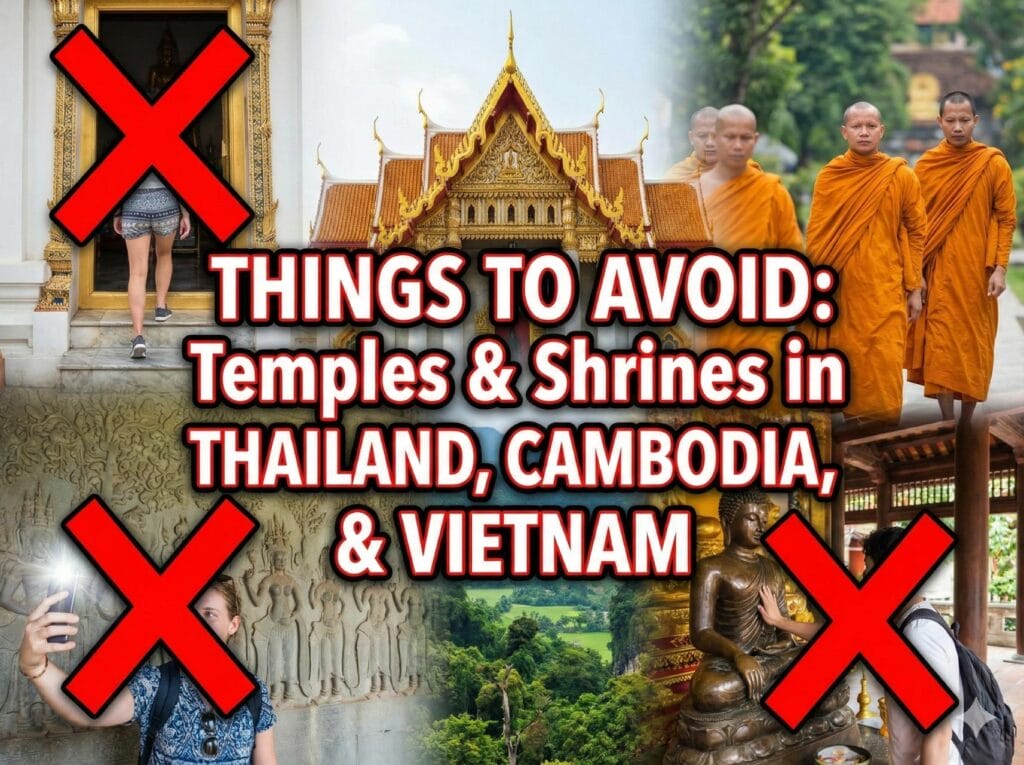
A: While participation is encouraged, it’s respectful to dress modestly, especially when visiting temples.
Wanna travel to Thailand?
Let’s discover the magic of Thailand’s fesivals—book your Thailand adventure today!
Tags:
cultural events,festival guide,Loy Krathong,Phi Ta Khon,Songkran,Thai culture,Thai New Year,Thai traditions,Thailand festivals,Yi Peng