
Thailand, often celebrated as the “Land of Smiles,” truly comes alive through its vibrant and deeply meaningful festivals. These aren’t just mere events; they are profound expressions of the nation’s rich cultural heritage, spiritual beliefs, and the heartwarming communal spirit of its people. From ancient rituals rooted in animism and Buddhism to boisterous modern celebrations, Thai festivals offer an unparalleled window into the very soul of the Kingdom.
Participating in a Thai festival is an immersive experience that goes beyond mere observation. It’s an invitation to join in the joyous revelry, witness breathtaking spectacles, and understand the intricate tapestry of traditions that have been woven over centuries. Each festival tells a unique story, often linked to the lunar calendar, agricultural cycles, or significant Buddhist events, promising unforgettable memories and a deeper connection to this enchanting land. Whether you seek spiritual enlightenment, thrilling adventures, or simply a taste of authentic Thai joy, these top 10 festivals should undoubtedly be on your travel bucket list.
Songkran (Thai New Year) (สงกรานต์)
Dates: Typically April 13-15 (festivities can extend longer in some areas, like Pattaya until April 19).
Cultural & Historical Insight: Songkran is the most anticipated and celebrated festival in Thailand, marking the traditional Thai New Year. Rooted in ancient Buddhist and Hindu traditions, the word “Songkran” is derived from Sanskrit, meaning “astrological passage” or “transition.” Traditionally, it’s a time for purification and cleansing: people clean their homes, sprinkle scented water on Buddha images to make merit, and gently pour water over the hands of elders and monks to show respect and receive blessings. Over time, this ritual evolved into the exhilarating nationwide water festival it is today, symbolizing the washing away of misfortunes, bad luck, and sins from the past year to welcome a fresh start.
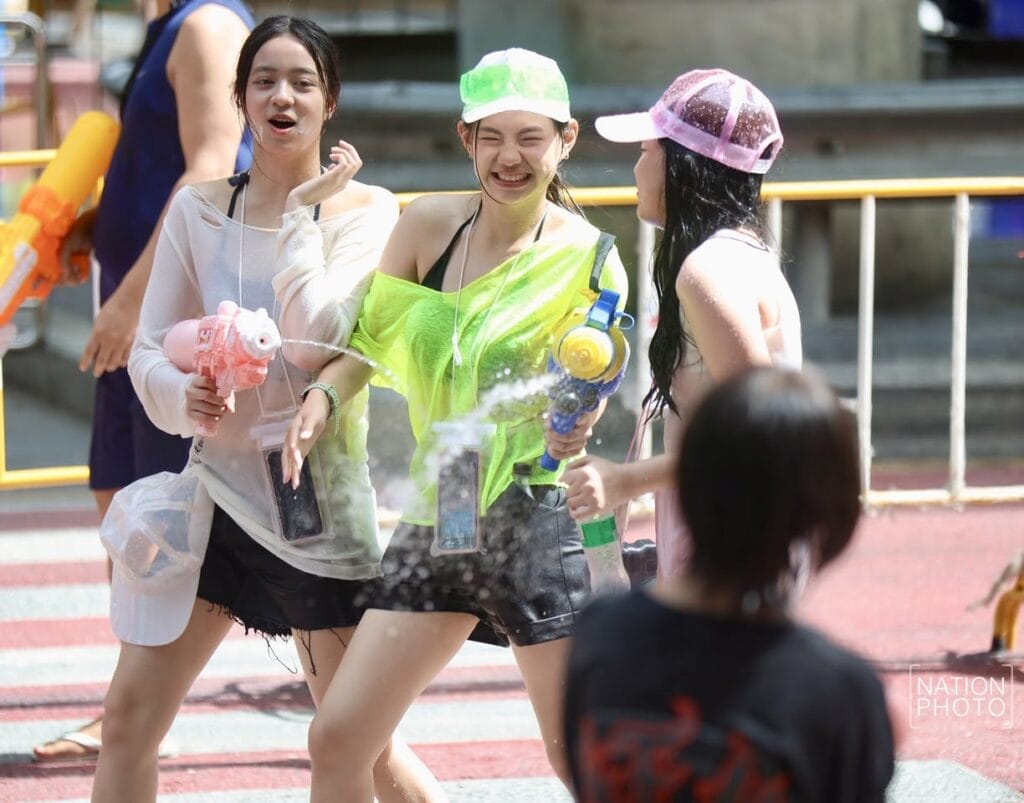
What to Expect: Prepare for a joyous, all-out water war across the country! Streets transform into massive arenas where locals and tourists armed with water guns, buckets, and hoses engage in playful (and often intense) splashing. Beyond the lively water fights, Songkran also features significant traditional elements:
- Merit-making: Visiting temples to offer food to monks, listening to sermons, and participating in bathing rituals for Buddha statues.
- Family gatherings: A time for families to reunite, pay respects to ancestors, and enjoy special meals.
- Parades & Cultural Performances: Many cities host colorful parades, beauty contests, and traditional Thai dance and music performances.
- Food stalls: Abundant street food options, often with special festival treats.
Where to Experience:
- Chiang Mai: Renowned for having the most elaborate and extended Songkran celebrations. The moats surrounding the Old City become prime water battlegrounds, and there are traditional parades and ceremonies.
- Bangkok: Khao San Road and Silom Road are famous for their massive, high-energy water fights. Major temples like Wat Pho and Wat Arun also host traditional ceremonies.
- Phuket: Patong Beach hosts lively street water fights, balancing fun with cultural activities at local temples.
- Pattaya: Known for its “Wan Lai” day, which extends celebrations even longer, featuring huge beach parties and EDM events.
Tips for Visitors:
- Dress Code: Wear lightweight, quick-drying clothes that you don’t mind getting completely soaked.
- Protect Valuables: Use waterproof bags or pouches for phones, wallets, and cameras.
- Respectful Participation: While it’s a lot of fun, remember the festival’s spiritual roots. Avoid splashing monks, the elderly, or those not participating.
- Hydrate: It’s hot in April, so drink plenty of water.
Yi Peng Lantern Festival (เทศกาลโคมลอย)
Dates: Typically coincides with Loy Krathong, on the full moon of the 12th Thai lunar month (usually November).
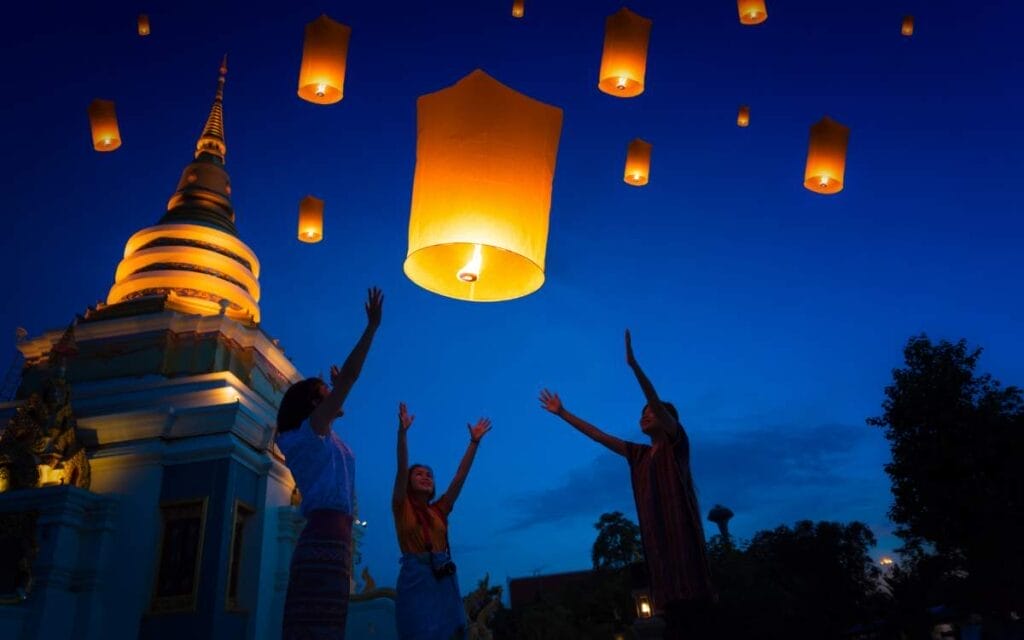
Cultural & Spiritual Insight: Yi Peng is a deeply spiritual and visually breathtaking festival primarily celebrated in Northern Thailand, particularly within the Lanna (Northern Thai) culture. Unlike Loy Krathong, which involves floating lanterns on water, Yi Peng focuses on releasing thousands of glowing paper lanterns (khom loi) into the night sky. This act symbolizes releasing worries, misfortunes, and negativity, while simultaneously sending wishes and prayers heavenward for good fortune and a fresh start. It’s also seen as a way to pay homage to the Buddha. The collective release creates a truly ethereal and unforgettable spectacle.
What to Expect: The highlight is the mass release of khom loi, often at organized events, where thousands of lanterns ascend simultaneously, transforming the night sky into a galaxy of gently floating lights. Alongside this, many temples engage in special prayers, chanting, and meditation sessions. There might also be Lanna cultural performances, fireworks, and food stalls. The atmosphere is generally one of peaceful wonder and collective awe.
Where to Experience:
- Chiang Mai: The most famous and popular location. Organized events (some requiring tickets purchased well in advance, like those at Mae Jo University or CAD) offer the iconic mass release. Public areas like the Nawarat Bridge and along the Ping River also see smaller, more spontaneous lantern releases.
- Other Northern Provinces: While smaller in scale, places like Lampang and Chiang Rai also celebrate Yi Peng.
Tips for Visitors:
- Book Early: If you plan to attend an organized mass release event, tickets sell out months in advance.
- Transportation: Roads around event venues can be heavily congested; arrange transport beforehand.
- Be Mindful: While capturing photos, remember the spiritual significance for locals. Avoid flash photography during solemn moments.
- Environmental Concerns: Some communities are shifting towards biodegradable lanterns. Support responsible practices.
Loy Krathong (เทศกาลลอยกระทง)
Dates: Full moon night of the 12th Thai lunar month (usually November).
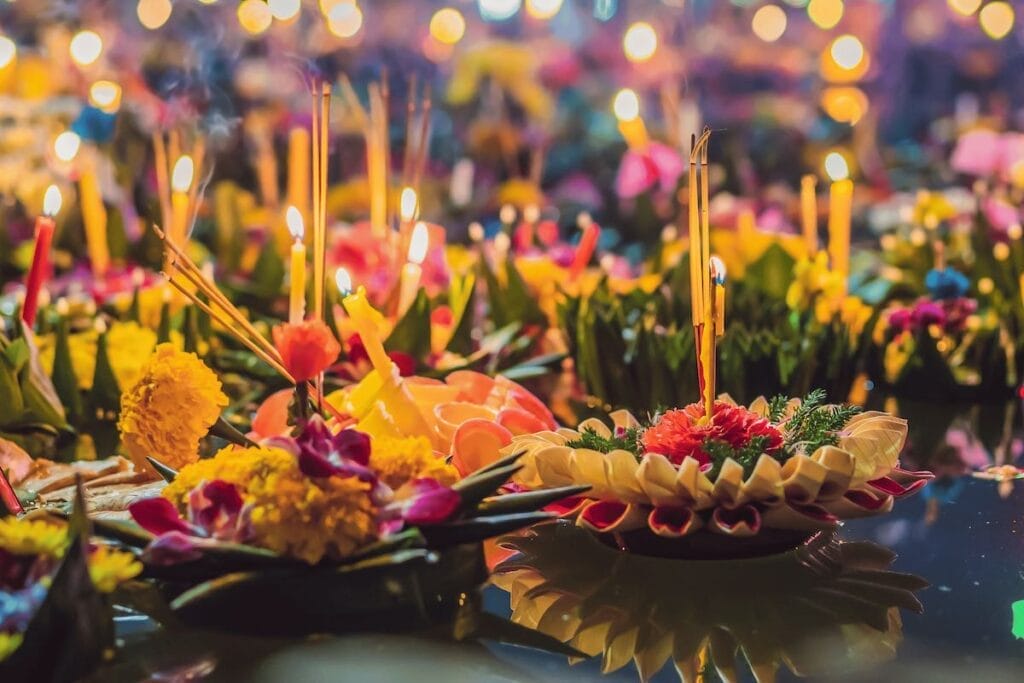
Cultural & Spiritual Insight: Loy Krathong, often called the “Festival of Lights,” is one of Thailand’s most enchanting and visually stunning festivals, celebrated nationwide. The word “Loy” means “to float,” and “Krathong” refers to a small, decorated floating vessel. Traditionally, krathongs are made from banana leaves or spider lily plants, adorned with flowers, candles, and incense sticks. Participants float these krathongs on rivers, canals, lakes, and even the sea. This act is a gesture of gratitude to the Water Goddess, Phra Mae Khongkha, for her bounty and as a way to ask for forgiveness for polluting the waters. It’s also believed to float away sins, bad luck, and negative emotions, symbolizing a fresh start. Couples often float krathongs together, wishing for enduring love.
What to Expect: A serene and beautiful evening. Thousands of twinkling lights drifting across waterways, creating a magical spectacle. Most towns and cities with a body of water will have celebrations. Beyond the floating of krathongs:
- Krathong-making workshops: Many places offer opportunities to make your own krathong.
- Beauty pageants: Often featuring “Noppamas Queen” contests, honoring the legendary consort of a Sukhothai king believed to have created the first krathong.
- Fireworks and cultural performances: Adding to the festive atmosphere.
- Food stalls: Offering a wide array of delicious Thai street food.
Where to Experience:
- Sukhothai Historical Park: Considered the birthplace of Loy Krathong, the celebrations here are particularly authentic and majestic, with a historical backdrop, light-and-sound shows, and traditional performances.
- Chiang Mai: Celebrated alongside Yi Peng, offering a unique combined experience of lights on water and in the sky. The Ping River is a popular spot.
- Bangkok: Major rivers like the Chao Phraya are illuminated with krathongs, often with special events at riverside hotels, Asiatique The Riverfront, and ICONSIAM.
- Ayutthaya: The historical park provides a beautiful backdrop for floating krathongs.
Tips for Visitors:
- Eco-Friendly Krathongs: Opt for krathongs made from natural, biodegradable materials (banana leaves, bread, or even ice) to protect the environment.
- Arrive Early: Popular floating spots can get very crowded.
- Make a Wish: As you release your krathong, make a wish for the coming year.
Phi Ta Khon (Ghost Festival) (ผีตาโขน)
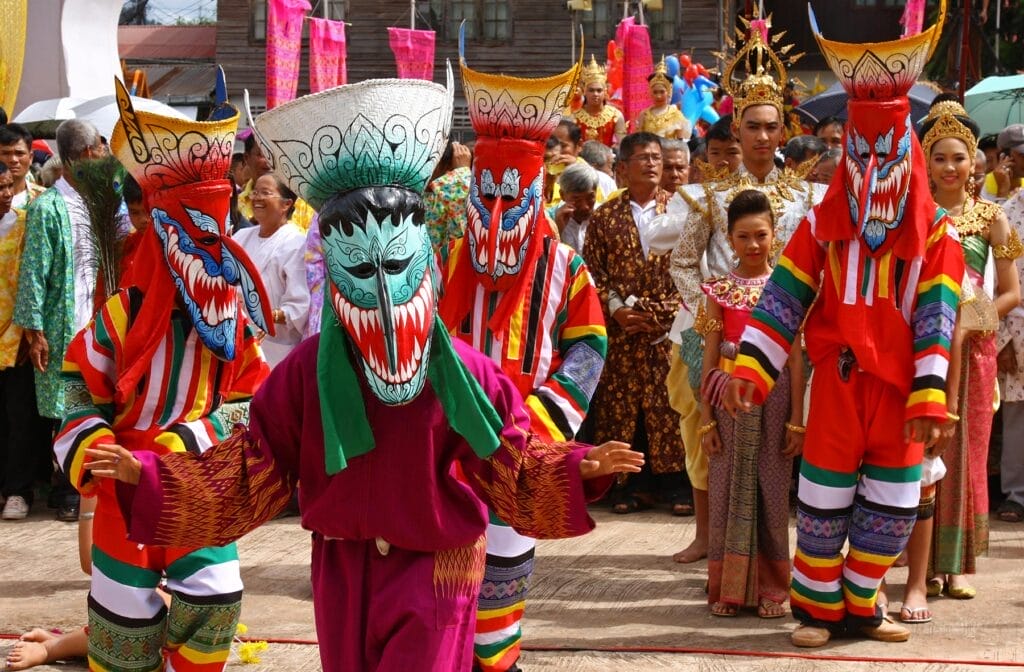
Dates: Typically in June or July, the exact dates are determined annually by local mediums.
Cultural & Regional Insight: Phi Ta Khon, or the Ghost Festival, is a unique and exuberant festival held in the small town of Dan Sai in Loei Province, Northeast Thailand (Isaan region). It’s a vibrant blend of Buddhist merit-making rituals and animist beliefs. The festival is part of a larger three-day event called “Boon Luang” and is rooted in a local legend related to one of the Buddha’s past lives (Prince Vessantara). The story tells of the prince’s long journey, which was so joyful that it awoke spirits who followed him. Participants wear highly distinctive, colorful, and often grotesque masks, typically made from steamed sticky rice husks and bamboo, topped with phallic-shaped wooden carvings. The masks are believed to invite benevolent spirits to join the living, ward off evil ones, and bring good fortune and rain for the harvest.
What to Expect: The festival is characterized by a lively procession of young men (and increasingly, women) dressed in elaborate, hand-painted “ghost” masks and patchwork costumes. They parade through the streets, dancing energetically to traditional Isaan music, brandishing wooden phalluses, and making a lot of noise with bells and cowbells to wake up the spirits.
- Parades: The main highlight is the colorful procession, often accompanied by traditional folk entertainment.
- Mask-making: Local villagers spend weeks crafting the unique masks.
- Rocket festival (Bun Bang Fai): Often coincides with Phi Ta Khon, where homemade rockets are launched to encourage rainfall for the rice crops.
- Merit-making: Religious ceremonies and sermons by monks are also part of the festival.
Where to Experience:
- Dan Sai, Loei Province: This is the specific town where the Phi Ta Khon festival takes place. It’s a remote but worthwhile journey to witness this truly unique cultural event.
Tips for Visitors:
- Accommodation: Book accommodations in Dan Sai or nearby Loei city well in advance, as options are limited.
- Respectful Participation: While it’s a playful festival, remember its spiritual roots. Ask permission before taking close-up photos of participants.
- Get Involved: Don’t be afraid to join the dancing and playful atmosphere!
Ubon Ratchathani Candle Festival (เทศกาลแห่เทียนพรรษา)
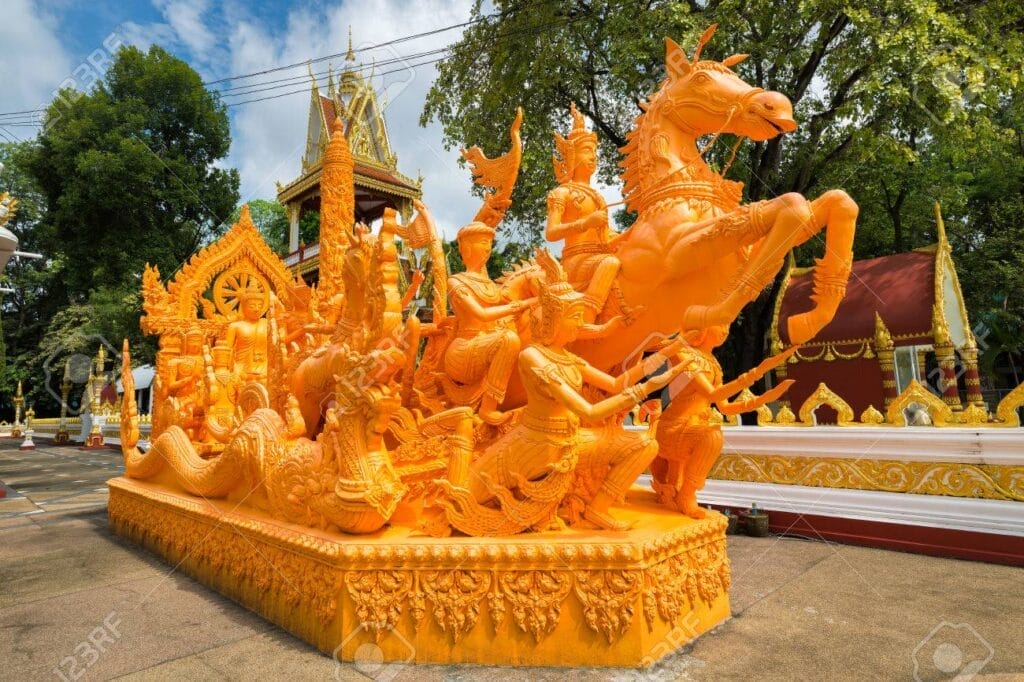
Dates: Typically in July, coinciding with Asalha Bucha Day (commemorating Buddha’s first sermon) and Khao Phansa (the start of Buddhist Lent).
Cultural & Religious Insight: The Ubon Ratchathani Candle Festival is one of Thailand’s most spectacular religious festivals, celebrated most grandly in the northeastern city of Ubon Ratchathani. It marks the beginning of the three-month Buddhist Lent (Vassa or Khao Phansa), during which monks retreat to temples for intensive study and meditation. Historically, this was when communities donated candles to temples to ensure monks had light for their studies during the rainy season’s retreat. Over time, these simple donations evolved into elaborate, intricately carved wax sculptures and floats, showcasing incredible artistry and devotion.
What to Expect: The highlight is a grand parade of colossal, exquisitely carved beeswax sculptures. These monumental candle floats, often depicting Buddhist mythological figures, scenes from the Buddha’s life, or traditional Thai motifs, are paraded through the city streets.
- Candle Parades: Witness breathtakingly detailed wax sculptures, some towering several meters high, crafted by local and international artists.
- Cultural Performances: Traditional music, dance, and cultural shows accompany the parade.
- Exhibitions: The candle sculptures are often displayed for several days, allowing closer inspection.
- Merit-making: Locals visit temples to make offerings and participate in religious ceremonies.
Where to Experience:
- Ubon Ratchathani: The city is the epicenter of this festival. The main procession typically takes place around Thung Si Mueang Park.
Tips for Visitors:
- Arrive Early: To secure a good viewing spot for the parade, especially on the main procession day.
- Protection: Bring an umbrella for sun or rain, and stay hydrated.
- Photography: The sculptures are incredibly photogenic, so bring your camera.
Vegetarian Festival (กินเจ)
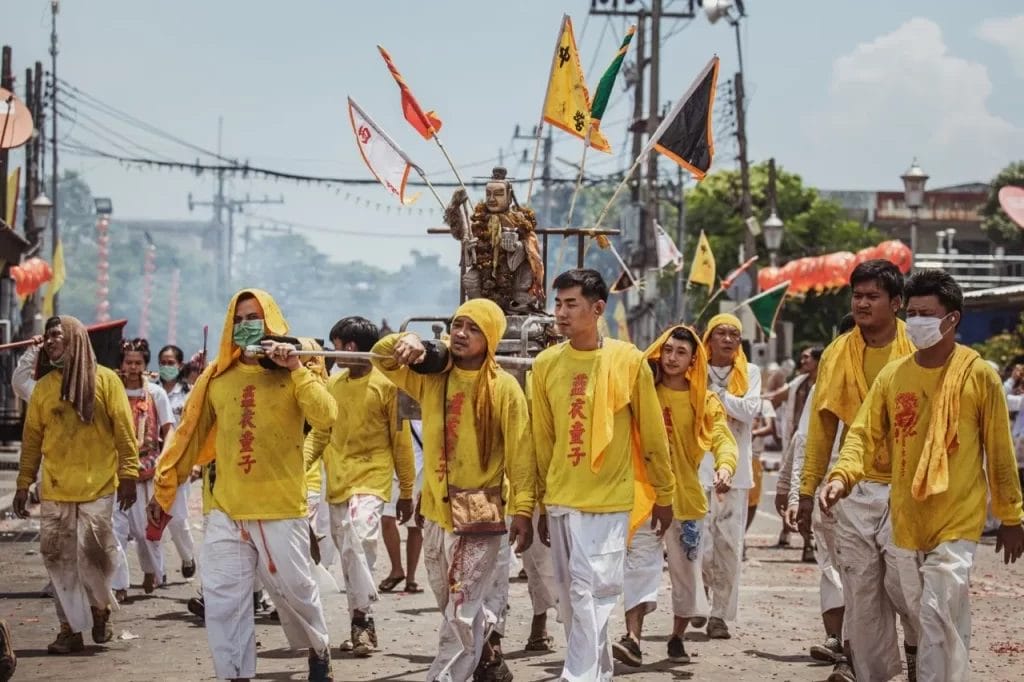
Dates: Typically nine days in September or October, corresponding to the first nine days of the ninth lunar month in the Chinese calendar.
Cultural & Religious Insight: Known locally as Tesagan Gin Je or the Nine Emperor Gods Festival, this intensely spiritual festival is primarily observed by Thailand’s large Thai-Chinese community. Participants commit to a strict vegetarian (often vegan) diet for nine days to purify their minds and bodies, aiming to achieve spiritual merit. The festival honors the Nine Emperor Gods of Taoism. While its exact origins are debated, a popular theory traces it to a Chinese opera troupe in Phuket who recovered from an epidemic after observing a strict vegetarian diet and performing rituals to the Nine Emperor Gods.
What to Expect: A unique and often confronting spectacle. The festival is characterized by:
- Strict Vegetarian Diet: Food stalls displaying yellow flags (indicating “Gin Je” food) proliferate, offering a vast array of delicious vegetarian and vegan dishes, often mimicking meat.
- Devotional Acts (Ma Song): The most striking aspect is the sight of Ma Song (spirit mediums) engaging in extreme acts of self-mortification, such as piercing their cheeks with various objects (knives, skewers), fire-walking, climbing bladed ladders, and walking on hot coals. These acts are believed to invite divine blessings and protect the community from harm, with the belief that the gods prevent pain or scarring.
- Vibrant Processions: Daily street processions where Ma Song and devotees dressed in white carry statues of the Nine Emperor Gods, accompanied by loud firecrackers to ward off evil spirits.
- Temple Rituals: Key ceremonies include the raising of the Go Teng pole (inviting the gods to descend) and various blessings.
Where to Experience:
- Phuket: The most famous and intense location for the Vegetarian Festival, with major shrines like Jui Tui Shrine and Kathu Shrine being central hubs for activities.
- Bangkok: Significant celebrations occur in Chinatown (Yaowarat) and other areas with large Thai-Chinese populations.
- Other Southern Provinces: Trang, Krabi, and Hat Yai also have notable celebrations.
Tips for Visitors:
- Respectful Observation: Be mindful and respectful, especially during the more intense rituals. Avoid getting too close to Ma Song during their processions.
- Dress Code: While not mandatory, wearing white clothing is customary for participants and is a respectful gesture.
- Food Exploration: This is an excellent opportunity to try unique and delicious vegetarian Thai dishes.
- Crowds & Noise: Expect large crowds and a very high level of noise from firecrackers, especially during processions.
Makha Bucha Day (วันมาฆบูชา)
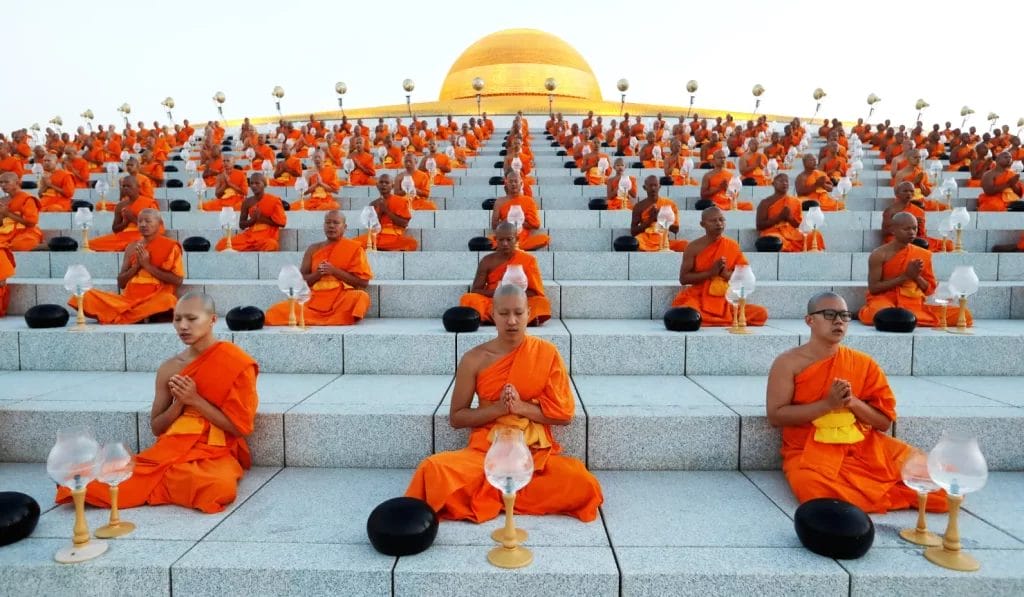
Dates: Full moon day of the third lunar month (usually February or March).
Cultural & Religious Insight: Makha Bucha is one of the most important Buddhist holidays in Thailand, commemorating a pivotal event in Buddhist history. It marks the day when 1,250 of the Buddha’s disciples spontaneously gathered to hear him preach. On this occasion, the Buddha delivered the “Ovada Patimokkha,” the foundational principles of Buddhism:
- To cease from all evil.
- To do good.
- To purify the mind. This day emphasizes the importance of these core teachings and the unity of the Buddhist community. It’s a public holiday in Thailand, and many Thais reflect on their spiritual path.
What to Expect: Makha Bucha is a more solemn and reflective festival compared to others.
- Merit-making: Buddhists visit temples to make merit, offer food to monks, and listen to sermons.
- Wien Tien Ceremony: The most significant ritual is the Wien Tien in the evening, where devotees walk three times clockwise around the main chapel (ubosot) of a temple, holding a candle, three incense sticks, and a lotus flower. Each circuit represents one of the Three Jewels of Buddhism: the Buddha, the Dharma (his teachings), and the Sangha (the monastic community).
- Abstinence: Many Thais observe the Five Precepts more strictly on this day, with some even fasting or abstaining from alcohol.
Where to Experience:
- Any Buddhist Temple Nationwide: Every temple in Thailand will have special ceremonies.
- Wat Benchamabophit (Marble Temple, Bangkok): Known for its beautiful Wien Tien ceremony.
- Wat Phra That Doi Suthep (Chiang Mai): Offers a picturesque setting for the candlelit procession.
Tips for Visitors:
- Dress Respectfully: When visiting temples, ensure shoulders and knees are covered.
- Participate in Wien Tien: You are welcome to join the candlelit procession; observe local customs.
- Quiet Reflection: Maintain a respectful demeanor as it’s a sacred day.
Wing Kwai (Buffalo Racing) (วิ่งควาย)
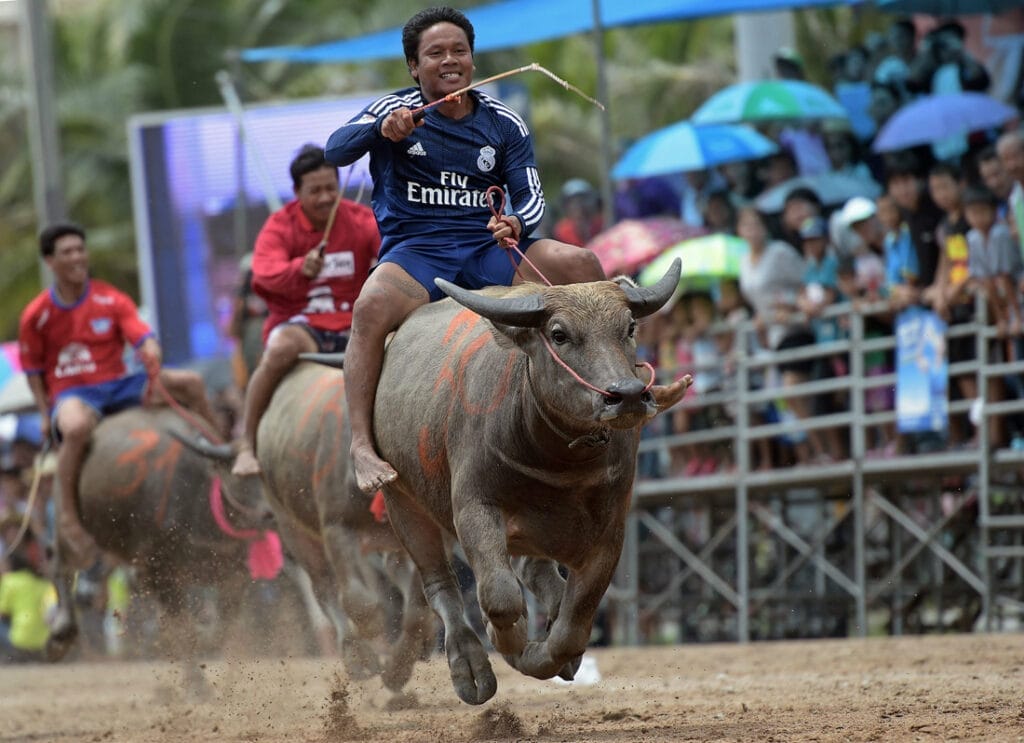
Dates: Typically held in October, usually the day before the full moon of the 11th lunar month (at the end of Buddhist Lent).
Cultural & Regional Insight: The Wing Kwai, or Buffalo Racing Festival, is a vibrant and unique local tradition primarily held in Chonburi Province (near Pattaya). Dating back over 140 years, the festival originated as a way for farmers to gather and trade after the harvest, eventually evolving into friendly races among their invaluable water buffaloes. It’s a deep cultural expression of gratitude to the buffaloes for their tireless work in the rice paddies, symbolizing the bond between farmers and their animals. It also marks the end of the rainy season and the Buddhist Lent.
What to Expect: A thrilling and often comical spectacle of speed and skill.
- Buffalo Races: The main event involves jockeys (often young boys) riding bareback on powerful buffaloes across a muddy track. The races are surprisingly fast and exciting, with jockeys often struggling to stay on!
- Buffalo Beauty Contests: Decorated buffaloes are paraded and judged for their adornments and appearance.
- Farmer’s Parade: Farmers often bring their best-decorated buffaloes in a colorful procession.
- Other Competitions: Look out for buffalo wrestling, “Miss Farmer” beauty contests, and local sports.
- Local Markets & Food: A lively fair atmosphere with food stalls and local products.
Where to Experience:
- Chonburi Province: The festival’s historical home. The main events usually take place in the city of Chonburi itself, near the provincial hall.
Tips for Visitors:
- Safety: Be aware of your surroundings, especially near the race track, as buffaloes are large and fast.
- Local Immersion: This is a truly local festival, offering a genuine glimpse into regional traditions.
- Photography: Great opportunities for action shots and vibrant cultural scenes.
Phuket Old Town Festival (เทศกาลเมืองเก่าภูเก็ต)
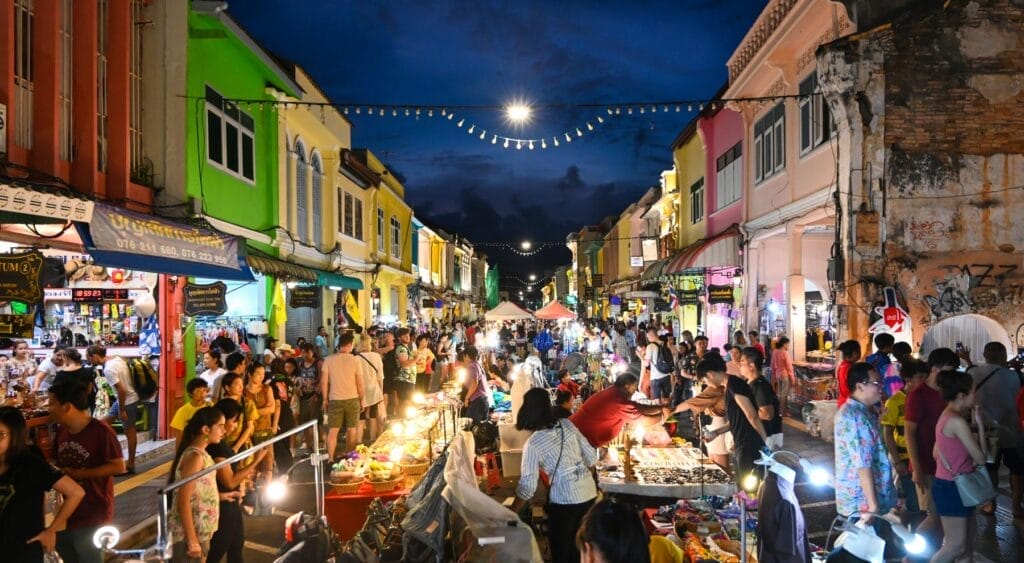
Dates: Typically in late January or early February.
Cultural & Historical Insight: The Phuket Old Town Festival is a captivating celebration of Phuket’s unique heritage, particularly its Sino-Portuguese architecture and the cultural fusion that defines it. Phuket Town was a prosperous tin-mining hub in the 19th and early 20th centuries, attracting Chinese and European immigrants whose influences are beautifully preserved in the town’s charming shophouses and mansions. The festival aims to showcase this rich history and the vibrant local Peranakan (Baba-Nyonya) culture, which is a blend of Chinese and Malay traditions.
What to Expect: The historic streets of Phuket Old Town come alive with festivities.
- Walking Streets: The main roads of Old Town (Thalang, Krabi, Dibuk, Phang Nga) are transformed into walking streets, free from traffic.
- Cultural Performances: Enjoy traditional Chinese lion dances, folk dances, live music, and puppet shows.
- Sino-Portuguese Architecture: Admire the beautifully preserved shophouses and mansions, many of which open their doors for special exhibits.
- Street Food & Local Crafts: Abundant food stalls offering local Phuket delicacies and handicrafts.
- Art Installations & Lighting: The town is often decorated with colorful lanterns and artistic lighting displays, especially in the evenings.
Where to Experience:
- Phuket Town: The festival is centered around the historic streets of Phuket Old Town.
Tips for Visitors:
- Comfortable Shoes: Be prepared to walk a lot as the streets are pedestrianized.
- Evening Charm: The atmosphere is particularly magical in the evening when the old buildings are illuminated.
- Explore Side Streets: Wander off the main thoroughfares to discover hidden cafes, galleries, and unique shops.
Surin Elephant Round-Up (งานช้างสุรินทร์)
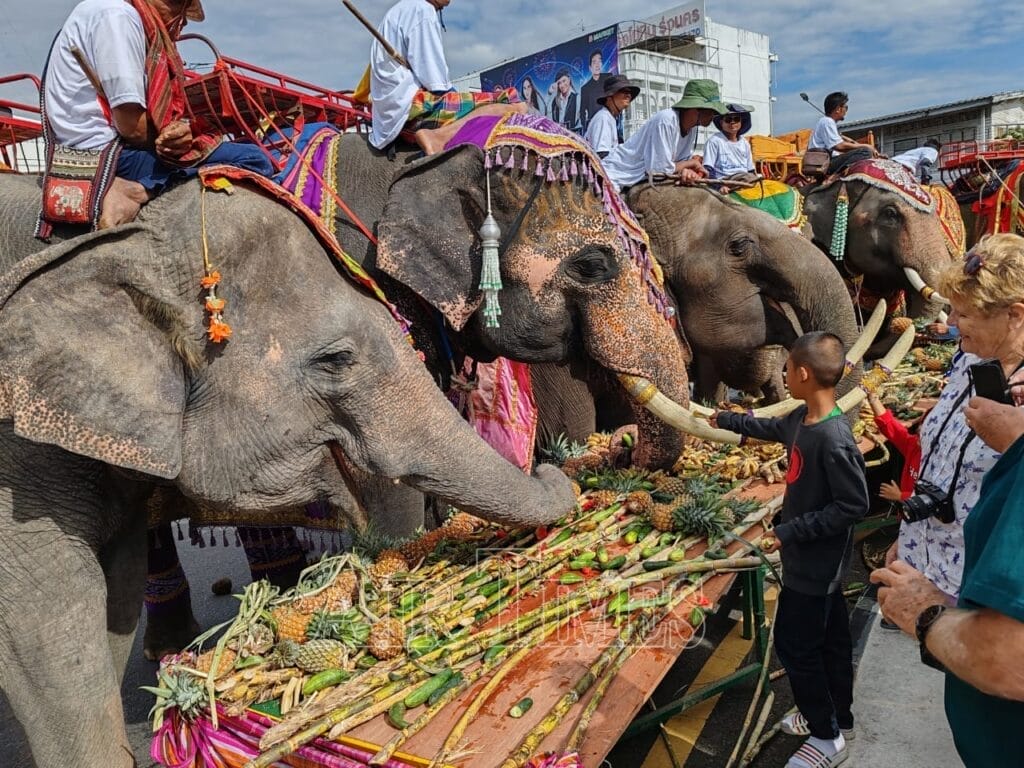
Dates: Typically the third weekend of November.
Cultural & Regional Insight: The Surin Elephant Round-Up is a grand cultural spectacle that celebrates the deep historical bond between the people of Surin Province (Isaan region) and elephants. For centuries, the indigenous Kuy people of Surin were renowned for their exceptional skills in capturing, taming, and training wild elephants for labor and warfare. This festival, which has evolved from ancient royal hunts and traditional elephant-gathering practices, honors these magnificent creatures and the unique heritage of the Kuy mahouts (elephant handlers). It showcases the intelligence, strength, and gentle nature of the Thai elephant.
What to Expect: A large-scale event featuring hundreds of elephants.
- Elephant Parade: A magnificent procession of beautifully adorned elephants and their mahouts through the city streets.
- Elephant Show: The main event at the Surin Elephant Show Stadium, where elephants demonstrate various skills, including:
- Mock Battles: Reenactments of ancient elephant warfare, showing their role in historical conflicts.
- Talent Displays: Elephants performing tricks, playing “soccer,” painting, and even playing musical instruments.
- Tug-of-War: Elephants pulling against teams of men.
- Demonstrations: Showing traditional elephant-training techniques.
- Elephant Breakfast: A huge buffet of fruits and vegetables laid out for the elephants, allowing visitors to observe them feeding.
Where to Experience:
- Surin Province: The festival is exclusively held in Surin, Northeastern Thailand.
Tips for Visitors:
- Ethical Considerations: While traditional, visitors should be aware of the ongoing debates about elephant welfare in entertainment. Many modern sanctuaries offer more ethical, observation-only experiences. If attending the Round-Up, focus on appreciating the historical and cultural aspects.
- Book Tickets: Tickets for the main show sell out, so book in advance.
Travel: Surin is accessible by train or bus from Bangkok
Thailand’s festivals are more than just events; they are living traditions, vibrant celebrations that pulse with the heart and soul of the nation. Each offers a unique window into the country’s spiritual depth, artistic heritage, and the infectious warmth of its people. From the spiritual solemnity of Makha Bucha to the exuberant chaos of Songkran and the visual poetry of Loy Krathong, experiencing even one of these festivals will undoubtedly leave you with cherished memories and a profound appreciation for the Land of Smiles.
Plan your Thailand journey to coincide with these spectacular celebrations, and prepare to be immersed in the unparalleled joy and rich cultural tapestry of Thailand.