
Thailand Beyond the Beaches: Mountain Adventures in the North
The Untold Story of Northern Thailand
When people think of a Thailand holiday, visions of turquoise beaches, tropical cocktails, and full-moon parties often come to mind. Yet tucked behind the postcard-perfect coastlines lies a quieter, more profound Thailand—one that unfolds in misty mountains, hill tribe villages, and winding forest trails. For travelers who seek depth over dazzle and adventure over itinerary, Northern Thailand offers a different kind of magic.
From the cool highlands of Chiang Mai to the emerald peaks of Mae Hong Son, this is where ancient cultures meet untamed nature, and every turn of the road tells a new story. Whether you’re planning a Thailand family tour that embraces nature, or chasing the adrenaline of a full-blown Thailand adventure tour, heading north is a journey of the soul as much as the senses.
Chiang Mai: Gateway to the Mountains
Chiang Mai isn’t just a city; it’s a transition—a soft, welcoming bridge between the bustling streets of Bangkok and the whispering forests of the north. While Chiang Mai itself offers centuries-old temples and charming night bazaars, the real adventure begins beyond its city walls.
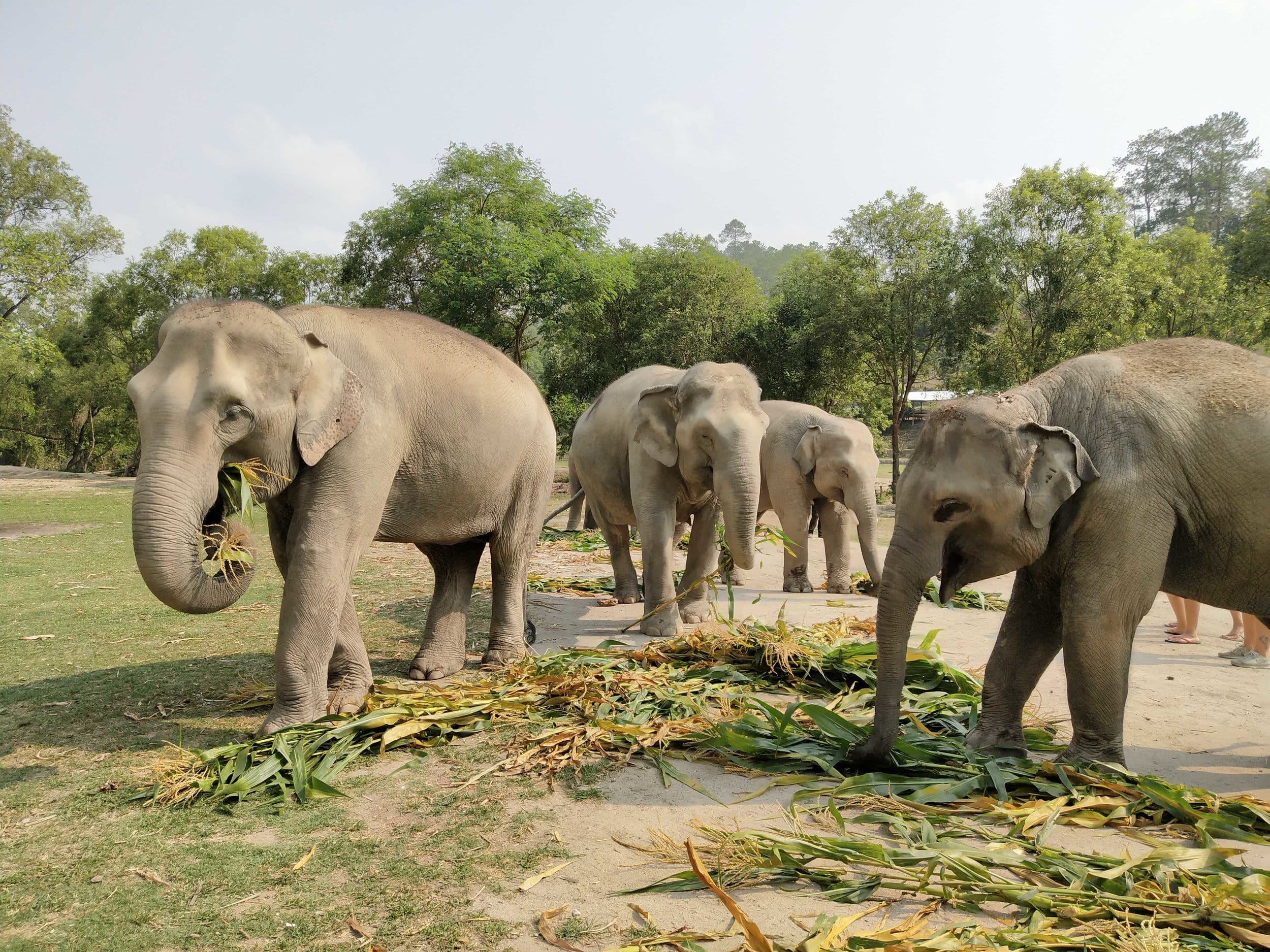
Ride a motorbike along the Mae Sa Valley, where waterfalls tumble beside the road and elephant sanctuaries dot the forest. Climb Doi Inthanon, Thailand’s highest peak, where the air grows cooler and rhododendrons bloom in purple clouds. Or head to the rustic district of Mae Wang to raft down a bamboo stream under a canopy of teak and banyan.
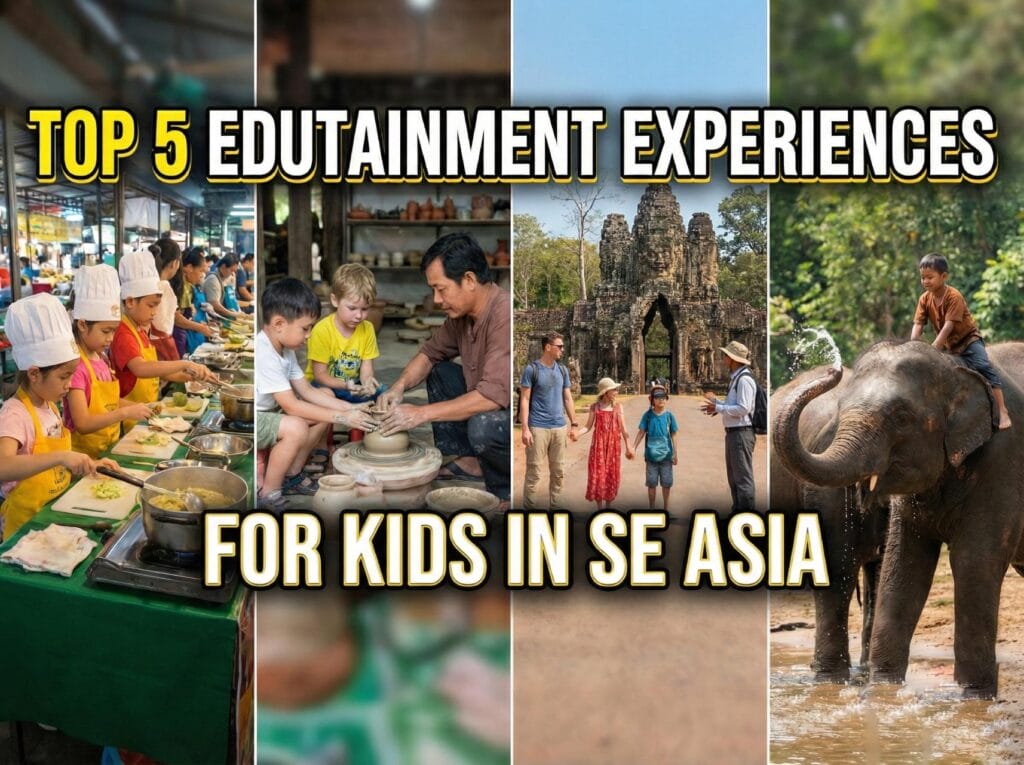
This region is perfect for Thailand family tours that mix cultural immersion with soft adventure—rice planting with villagers, cooking classes in local homes, or trekking to Karen hill tribe communities that still live traditionally.
What to See
-
Doi Inthanon National Park: Thailand’s highest peak with stunning waterfalls, Royal Pagodas, and hill tribe markets.
-
Mae Sa Elephant Camp & Waterfall: A lush valley with animal sanctuaries, gardens, and ziplining.
-
Wat Umong & Wat Phra That Doi Suthep: Two iconic temples, one serene and ancient, the other perched atop a scenic mountain.
Where to Stay
-
137 Pillars House Chiang Mai: Heritage colonial-style luxury.
-
Yaang Come Village Hotel: Lanna-style mid-range option near the Night Bazaar.
-
Chai Lai Orchid Eco Lodge: Nature retreat with a social cause.
What to Eat
-
Khao Soi: Rich curry noodle soup topped with crispy noodles.
-
Sai Ua: Northern herbal sausage, grilled and fragrant.
-
Khan Toke Dinner: A full Lanna-style meal with traditional dance.
Pai: The Bohemian Mountain Escape
Once a sleepy village surrounded by rice fields, Pai has evolved into a vibrant mountain town without losing its soul. The road from Chiang Mai to Pai is legendary—762 curves that wind like a ribbon through the mountains. Motorbikers love it. Backpackers write poems about it. And families marvel at the changing landscape.
But Pai is more than a stopover. Soak in natural hot springs under the stars. Walk across rickety bamboo bridges that sway over lazy rivers. Visit the Pai Canyon at sunset, where orange light sets the sandstone cliffs aglow. The town’s laid-back charm and breathtaking surroundings make it an ideal destination for those on a slow-paced Thailand vacation.
If you’re traveling with kids or older family members, there are dozens of accessible waterfalls, riverside cafés, and organic farms where everyone can relax and recharge.
What to See
-
Pai Canyon: Rugged ridgelines, especially magical at sunset.
-
Tha Pai Hot Springs: Natural forest pools to soak and unwind.
-
Land Split: A local attraction with homemade snacks and fruit wine.
Where to Stay
-
Reverie Siam Resort: Elegant riverside retreat.
-
Pai Village Boutique Resort & Farm: Cozy and close to nature.
-
The Jazz House Pai: Artistic and budget-friendly.
What to Eat
-
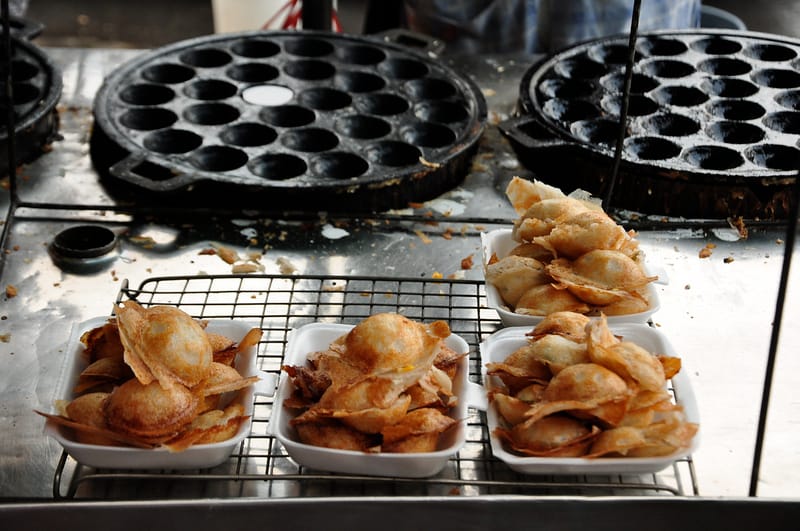
Thai Pancakes: Popular street food with banana, chocolate, or mango.
-
Burmese Curry Noodles: Flavorful and influenced by the nearby border.
-
Night Market Staples: Skewers, smoothies, and sticky rice.
Mae Hong Son: The Last Frontier
If Chiang Mai is the gateway and Pai is the sanctuary, Mae Hong Son is the wild frontier. Often overlooked on the average Thailand travel itinerary, this remote province near the Myanmar border is where the mountains grow steeper and the culture richer.
Tiny mountain villages like Ban Rak Thai—originally settled by Chinese soldiers—serve steaming Yunnan tea with panoramic views of tea terraces. Lod caves near Soppong stretch for kilometers underground, their echoing chambers filled with ancient burial sites and flocks of bats.
For seasoned adventurers, this region is heaven. Multi-day treks take you through untouched jungle, across bamboo bridges, and into Lisu, Hmong, and Shan communities where you’ll be invited to share herbal tea and stories by the fire. It’s a part of Thailand where time slows, where the journey itself becomes the reward.
What to See
-
Wat Phra That Doi Kong Mu: Hilltop temple with sweeping views.
-
Ban Rak Thai: Tea village with Chinese-Yunnan culture.
-
Tham Lod Cave: Explore by bamboo raft and flashlight.
Where to Stay
-
Fern Resort: Jungle eco-resort.
-
Ban Rak Thai Guesthouses: Homestays with lake views.
-
Imperial Mae Hong Son Resort: Quiet, spacious lodging in town.
What to Eat
-
Yunnan Noodles: Hand-pulled and served with pork broth.
-
Tea-Infused Dishes: Culinary creations using local tea leaves.
-
Shan Cuisine: Bamboo shoot soup with sticky rice.
Doi Mae Salong & the Tea Hills of Chiang Rai
Further northeast in Chiang Rai province, Doi Mae Salong offers a fascinating blend of Thai and Chinese culture in an alpine setting. After the Chinese civil war, a group of Kuomintang soldiers settled here, planting tea on the mountain slopes and building a new life among the clouds.
Today, the village feels like a portal to another world. Cool breezes sweep through rows of tea bushes, and the air smells faintly of jasmine and green leaves. Sip oolong at a mountaintop teahouse while looking out over misty hills that resemble waves on a sea.
This area is ideal for Thailand holidaymakers seeking unique cultural experiences and scenic beauty. While it’s lesser-known among casual tourists, it has grown in popularity among travelers who want a blend of history, landscape, and slow living.
What to See
-
Tea Plantations: Visit 101 Tea Plantation or Chui Fong Farm.
-
Chinese Martyrs’ Memorial: Learn about Kuomintang history.
-
Sakura Blossoms: Pink bloom season in January-February.
Where to Stay
-
Khun Mai Baan Suan Resort: Tea farm retreat.
-
Phumektawan Resort: Best for sunrises.
-
Little Home Chiang Rai: Great for families and longer stays.
What to Eat
-
Yunnanese Hotpot: Flavorful broth with mountain mushrooms.
-
Steamed Buns (Bao): Savory or sweet fillings.
-
Tea-Smoked Chicken: A local specialty.
Chiang Dao: The Mountain of Stars
Roughly 1.5 hours from Chiang Mai lies Chiang Dao, a towering limestone massif often referred to as Thailand’s “second highest mountain.” Unlike Doi Inthanon’s touristic fame, Chiang Dao remains blissfully under-visited.
Trekking here is more raw, more intimate. Trails wind through bamboo groves and across wooden ladders into limestone caves filled with sparkling mineral formations. Local guides lead overnight hikes to hill tribe villages, where guests sleep in stilt houses and wake to the sound of roosters echoing in the valley.
The area also boasts one of Thailand’s most sacred temples—Wat Tham Pha Plong—perched on a forested ridge with panoramic views. Reaching it requires climbing 500+ steps, but the spiritual reward is as powerful as the physical.
What to See
-
Doi Luang Chiang Dao: Limestone massif with forest trails.
-
Chiang Dao Cave: Mineral-filled chambers with Buddha images.
-
Wat Tham Pha Plong: Forest temple reached by 500+ steps.
Where to Stay
-
Chiang Dao Nest 1 & 2: Cozy base for hikers.
-
Malee’s Nature Lovers Bungalows: Organic and peaceful.
-
Local homestays in Ban Tham: Rustic and authentic.
What to Eat
-
Jungle Curry (Kaeng Pa): Spicy curry with wild herbs.
-
Organic Meals: Homegrown, seasonal ingredients.
-
Lanna Platters: Variety of dips, sausage, and sticky rice.
Nan Province: Heritage and Highlands
Tucked into a curve of the Lao border, Nan feels like a secret. The landscape—lush, green, undisturbed—hides ancient temples, winding rivers, and rich local traditions. The city of Nan itself has a serene charm, but the true beauty lies in its outskirts.
Follow narrow roads into the mountains to discover places like Doi Phu Kha National Park, home to rare tree species and quiet trails. Villages like Pua and Bo Kluea still produce salt using centuries-old methods and welcome visitors with open arms.
Nan is particularly well-suited for a Thailand family tour that values cultural depth and nature. You won’t find big tour buses here—just bicycles, homestays, and the hum of river life.
What to See
-
Wat Phumin: Famous for the “whispering couple” mural.
-
Doi Phu Kha National Park: Trekking, waterfalls, stargazing.
-
Bo Kluea Salt Wells: Traditional salt-making process.
Where to Stay
-
Bo Kluea View Resort: Mountain eco-stay.
-
Ban Tai Lue Homestay: Cultural immersion and craft workshops.
-
Nan Boutique Hotel: Riverside and charming.
What to Eat
-
Nam Prik Noom: Green chili dip.
-
Grilled River Fish: Fresh and locally caught.
-
Tai Lue Cuisine: Leaf-wrapped bites and herbal soups.
Responsible Travel in the North

As more travelers move beyond the beaches, the impact on fragile mountain communities must be taken seriously. Northern Thailand’s charm lies in its authenticity—its people, traditions, and landscapes untouched by over-tourism.
To preserve this, choose ethical tour operators, respect local customs, and support village economies by buying handicrafts, eating local, and staying in homestays when possible. This ensures your Thailand adventure tour also benefits those who call these mountains home.
A Different Kind of Thailand Vacation
Northern Thailand is not about checking off sights. It’s about slowing down, connecting, and discovering a deeper rhythm of life—one written in mountain mists, herbal steam baths, and ancient wooden temples.
For those craving something real—something raw and soul-stirring—a journey through Thailand’s northern highlands will be the most unforgettable chapter in your Thailand travel story.
Tags:
Chiang Mai tour,Chiang Rai mountain tour,Mae Hong Son travel,Northern Thailand,off-the-beaten-path Thailand,Thailand Adventure Tour,Thailand Family Tour,Thailand Holiday,Thailand travel,thailand vacation