
Cultural Etiquette in Thailand: Do’s and Don’ts Every Tourist Should Know
More Than Just Manners—A Path to Meaningful Connection
Traveling to Thailand is more than ticking destinations off a list—it’s about immersion. It’s hearing temple bells ring in the early morning, sharing sticky rice with locals in a bamboo hut, and feeling the warmth of Thai hospitality seep into your soul. But to truly appreciate the depth of this culture, it’s essential to understand the unwritten rules that shape daily life.
In Thailand, etiquette is not rigid formality—it’s a graceful expression of respect, humility, and interconnectedness. Whether you’re on a whirlwind Thailand adventure tour, a reflective Thailand family vacation, or a romantic Thailand holiday, knowing how to behave with cultural sensitivity can transform your trip from surface-level sightseeing into profound, human moments.
This article is not a checklist of superficial do’s and don’ts. Instead, it’s a deep dive into the cultural heartbeat of Thailand—seen through real experiences, nuanced analysis, and insights that will help you travel not just widely, but wisely.

1. The Wai: More Than a Greeting
If there’s one gesture that defines Thai interaction, it’s the wai—a slight bow with palms pressed together in a prayer-like position. But this isn’t just a ‘hello’. It’s a layered expression of respect that changes based on social hierarchy, age, and situation.
During my first Thailand travel experience, I awkwardly returned a wai from a smiling teenager selling coconut water. A nearby elder kindly whispered, “No need to wai children. It’s their honor to greet you.”
That moment taught me that in Thailand, greetings are not automatic; they’re relational. Elders receive a wai. Monks always receive a wai, and never return one. And while foreigners aren’t expected to get it perfect, trying is always appreciated.
Tip for travelers: If someone wais you, it’s polite to return it—unless they’re in uniform or service staff, in which case a warm smile or nod suffices. Understanding this simple gesture creates bridges.

2. Temple Etiquette: Entering Sacred Space with Reverence
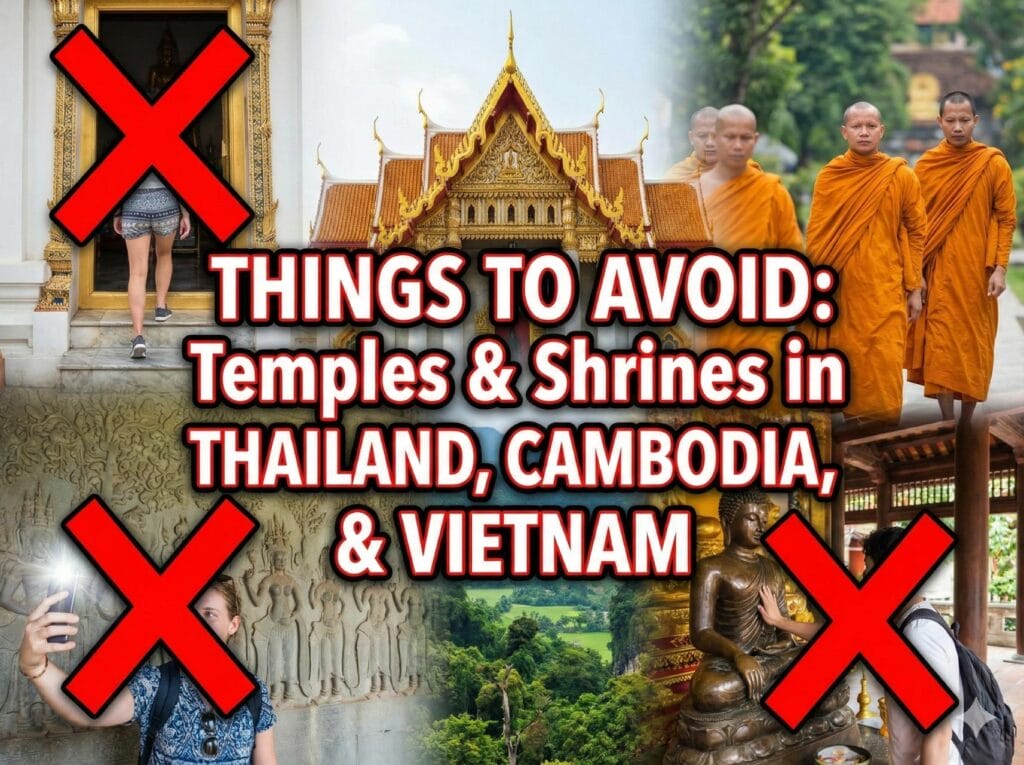
Thailand is home to over 40,000 Buddhist temples, each one a sanctuary of calm. Yet for many travelers on their first Thailand vacation, the beauty of a temple is often marred by accidental disrespect—shorts too short, voices too loud, behavior too casual.
On a visit to Wat Phra Singh in Chiang Mai, I watched a tourist pose for a photo next to a monk in meditation. The monk opened his eyes only for a second, and his silent stare conveyed volumes.
Key insights for temple visits:
-
Dress modestly: shoulders and knees covered.
-
Remove shoes before entering main halls.
-
Never point your feet toward Buddha images.
-
Keep your head lower than that of monks or elders.
-
Avoid turning your back directly to Buddha statues when taking photos.
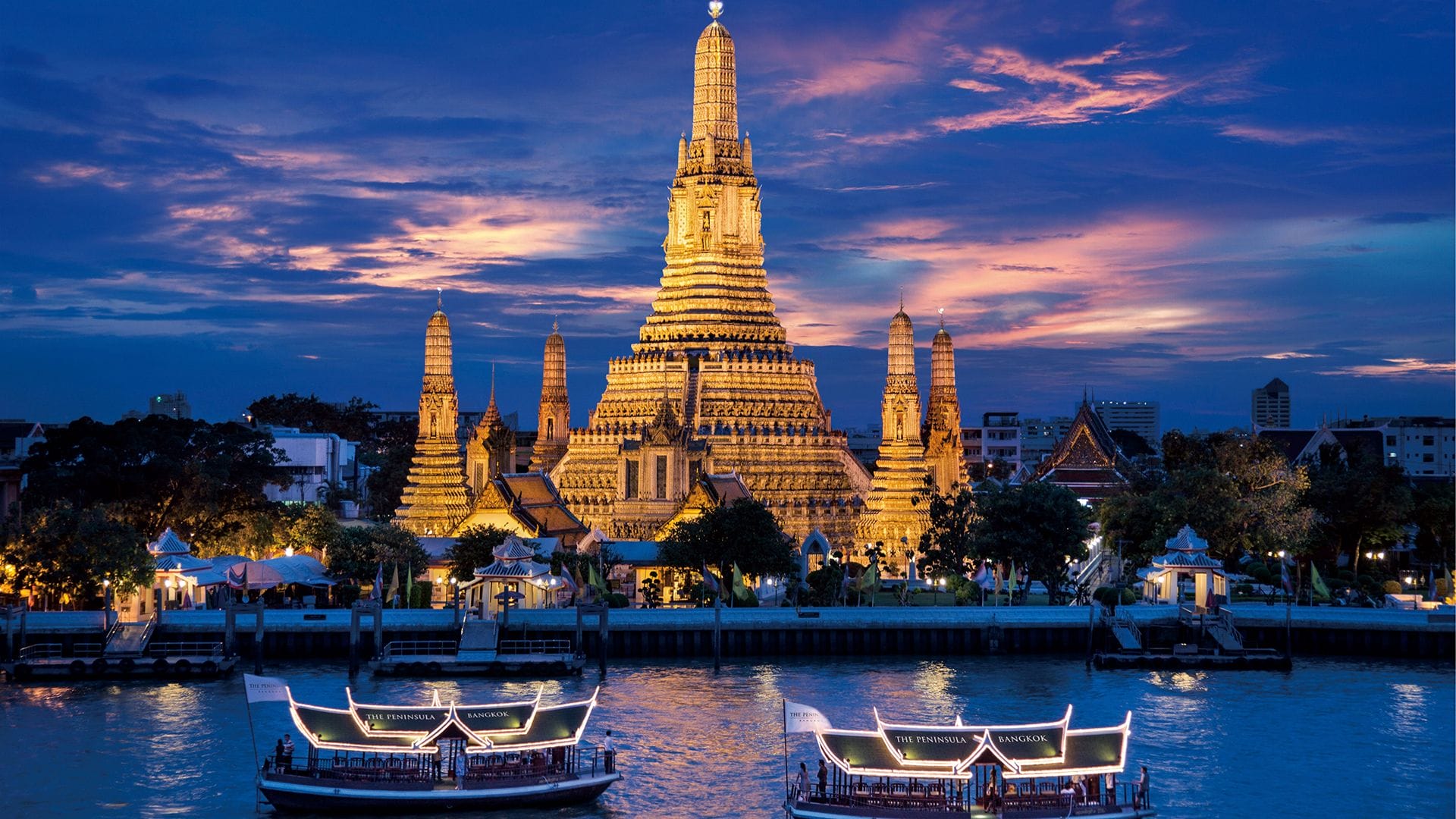
For families on a Thailand family tour, temple visits are a powerful teaching opportunity—for both cultural respect and inner calm. Encourage children to observe, listen, and feel the serenity.
3. Feet, Heads, and Personal Space: Invisible Boundaries
In Thai culture, the body is metaphorically divided: the head is sacred, the feet are lowly. That’s why touching someone’s head—even a child’s—is considered intrusive. Likewise, pointing your foot at someone or stepping over them, especially when seated on the floor, is deeply disrespectful.
One evening in a hilltop homestay outside Chiang Rai, I casually stretched out my legs after dinner, feet pointing toward the family altar. The host gently tapped my shoulder and motioned to cross my legs instead. No scolding, no shame—just a quiet correction that spoke volumes about grace and cultural preservation.
Understanding these unspoken cues helps visitors navigate everyday life—from sitting on the floor in rural homes to navigating public buses in urban Bangkok.
4. The Role of “Sanuk”: Why Thai Culture Loves Joy
One of the most enchanting things about Thai people is their ability to find joy in the moment. This concept—sanuk—is central to Thai life. It means “fun,” but it’s more than entertainment. It’s about approaching tasks, interactions, and even mundane work with a spirit of playfulness and lightness.
During a Thailand adventure tour, I once got stuck in a flooded alley in Krabi with a flat bike tire. Instead of frustration, a nearby coconut vendor laughed, helped push the bike, and shouted “Sanuk mak!”—“So much fun!”
For travelers, this means it’s okay to laugh at yourself. Be open. Smile more. Even when lost, misunderstood, or stuck in traffic—Thai culture values positivity over confrontation. It’s not naïve; it’s resilience through grace.
5. Thai Hierarchy and the Concept of “Face”
Thailand’s social structure is subtly hierarchical—based on age, profession, and spiritual merit. Losing face (being embarrassed or confronting someone openly) is a big cultural faux pas. Instead of direct confrontation, Thais use kreng jai—a concept of deference, politeness, and avoidance of burdening others.
This explains why service staff rarely say “no” directly. Or why a guide may nod even if unsure of your request. It’s not dishonesty—it’s cultural finesse.
When things go wrong (and sometimes they do), stay calm. Approach with empathy, not accusation. On one Thailand holiday, my hotel double-booked a room. Instead of demanding compensation, I thanked them for their effort—and was upgraded to a river-view suite with apologies and fruit baskets. Respect pays off.
6. Dining with Dignity: How to Eat Like a Thai
Meals in Thailand are social, shared, and full of unwritten codes. You don’t order individual plates—you share dishes with rice. You never start before the eldest begins. You don’t heap your plate; you take small portions, again and again. And you always thank the cook.
Chopsticks? Only for noodle dishes. Most Thai meals are eaten with a fork and spoon (the spoon being the main tool). Using your hands? Acceptable for sticky rice in the north and northeast.
In a small village near Pai, I once clumsily tried to serve myself a ladle-full of curry first—before the elder host. A woman beside me gently whispered, “Mai pen rai, but elder eat first.” The moment was not humiliating—it was enlightening.
Dining is a beautiful way to honor culture, share gratitude, and embrace humility.
7. Monks and Spiritual Respect
Thailand’s monks are deeply respected. You’ll see them collecting alms at dawn, reading scriptures under trees, or quietly riding public transit.
For tourists, this means:
-
Never touch a monk—especially if you are a woman.
-
Give up your seat to a monk if no other is available.
-
When donating or receiving blessings, lower your head slightly.
-
Monks should not receive or touch money directly (use envelopes or donation boxes).
If you’re on a Thailand family tour, involve children in the morning alms offering (Tak Bat). It’s a beautiful ritual of giving, mindfulness, and simplicity.
8. Romance, PDA, and Social Norms
Thailand is a warm, affectionate society—but public displays of romance are still considered inappropriate, especially outside urban centers. Hand-holding is generally acceptable among young couples in cities, but kissing, hugging, or overt flirtation is frowned upon.
If you’re traveling with a partner, showing love through shared smiles, mutual respect, and meaningful gestures goes a long way. Cultural awareness is the most romantic thing you can pack.
9. Dress Code: Modesty Meets Style
While Thailand is tropical and casual, how you dress signals your understanding of context. Wearing beachwear to a temple, or shirtless tank tops in restaurants, communicates carelessness—not coolness.
Respectful dress doesn’t mean sacrificing comfort—it means balancing freedom with cultural sensitivity. Light cotton shirts, scarves, and knee-length garments are versatile choices.
In southern provinces with significant Muslim populations, modesty is even more emphasized. Respect earns respect.
10. Photography and Permission
Thailand is incredibly photogenic. But not everything is a backdrop. Always ask before photographing monks, children, or people at work. Avoid snapping photos in ceremonies, funerals, or moments of grief.
In one village in Mae Hong Son, I watched a traveler photograph a Karen woman weaving traditional cloth—without asking. She turned away, clearly disturbed. Later, the same woman invited me to take her photo—because I had asked first.
Kindness opens doors. Consent preserves dignity.
Travel That Transforms
Thailand is generous with its beauty—but it gives even more to those who approach with care. Learning etiquette is not about rules—it’s about respect. When you enter Thailand with open eyes and a humble heart, the country doesn’t just welcome you—it teaches you.
Whether you’re wandering the Grand Palace, eating on a plastic stool in Chiang Rai, or trekking through the forests of Nan, your understanding of Thai cultural etiquette will shape how the country responds to you. The reward? Deeper friendships, richer experiences, and a journey that changes you as much as the places you see.
In the end, Thailand travel isn’t just about places—it’s about people. And respecting their ways is the most meaningful souvenir you can take home.
Tags:
do’s and don’ts in Thailand,respectful travel Thailand,Thai culture,Thai customs for tourists,Thailand Adventure Tour,Thailand Family Tour,Thailand Holiday,Thailand travel,Thailand travel tips,thailand vacation