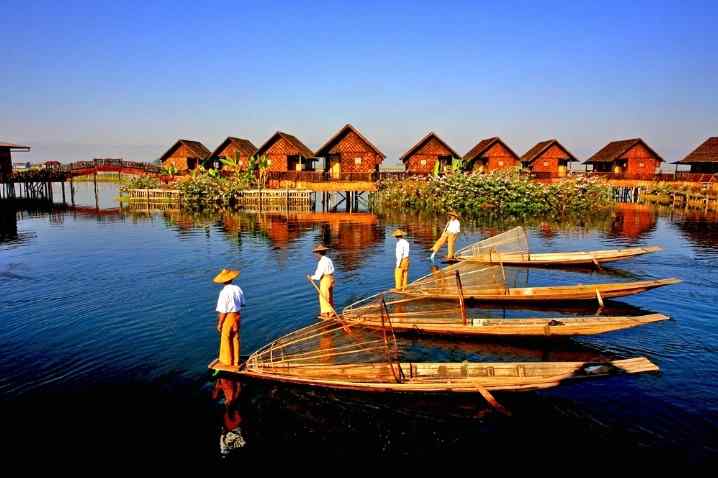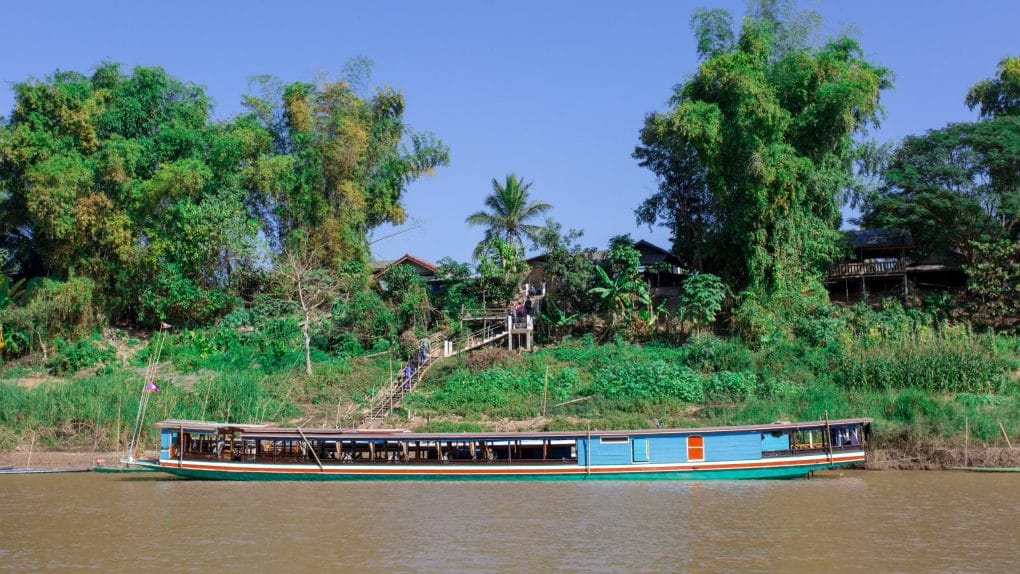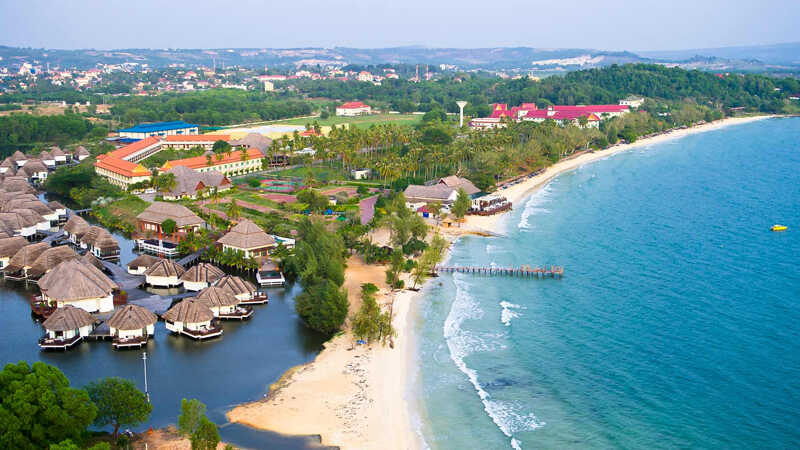

Laos, often referred to as the “Jewel of Southeast Asia,” has gained global recognition as a leading eco-tourism destination. With its breathtaking landscapes, rich biodiversity, and strong commitment to sustainable tourism, Laos eco-tourism offers travelers a unique opportunity to explore unspoiled nature while supporting local communities. This article delves into the key factors that make Laos a paradise for eco-travelers.
1. What Makes Laos a Premier Destination for Eco-Tourism?
1.1 Unspoiled Natural Beauty
Laos boasts some of the most pristine natural environments in the world. With dense jungles, majestic mountains, and winding rivers, it is an ideal destination for nature lovers and adventure seekers. Some of the best eco-tourism destinations in Laos include:
- Nam Et-Phou Louey National Park – A haven for rare wildlife such as clouded leopards and sun bears.
- Bolaven Plateau – Known for its lush greenery, waterfalls, and organic coffee plantations.
- Si Phan Don (4,000 Islands) – A serene archipelago on the Mekong River offering sustainable homestays and river cruises.

1.2 Diverse Wildlife and Conservation Efforts
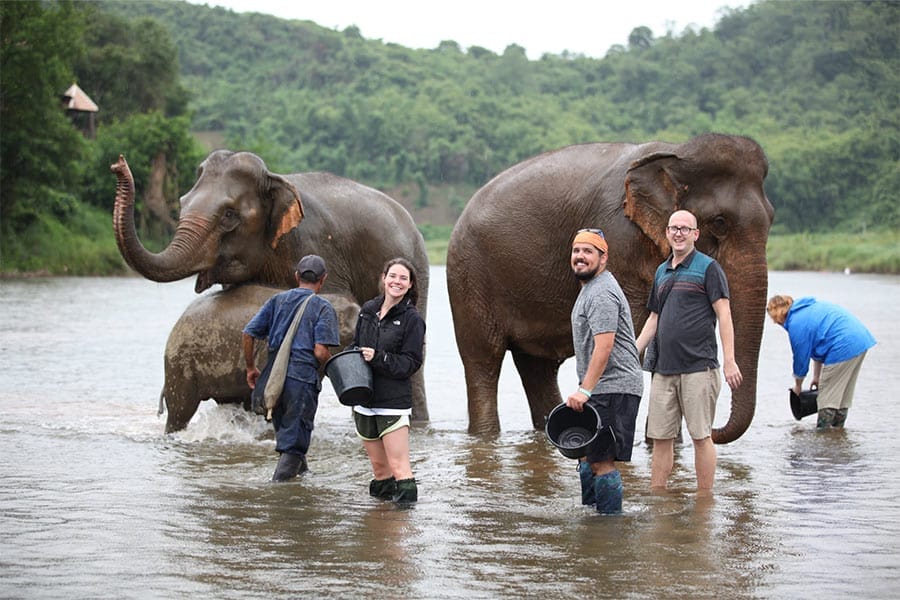
Laos is home to a rich array of wildlife, including endangered species like the Asian elephant, Irrawaddy dolphin, and Indochinese tiger. Numerous conservation projects and eco-friendly initiatives have been launched to protect these species, such as:
- Elephant Conservation Center in Sayaboury – Focused on ethical elephant tourism.
- Gibbon Experience in Bokeo – A treehouse eco-lodge supporting gibbon conservation.
- Trekking in Nam Ha National Protected Area – A community-based tourism project promoting wildlife preservation.
1.3 Community-Based Tourism (CBT)
Eco-tourism in Laos emphasizes sustainable travel practices by involving local communities in tourism activities. Community-based tourism (CBT) initiatives allow visitors to engage in authentic experiences while ensuring that revenue directly benefits the local economy. Popular CBT destinations include:
- Muang La – A remote village offering cultural immersion with ethnic minority groups.
- Kamu Lodge – An eco-resort where travelers participate in traditional farming and fishing.
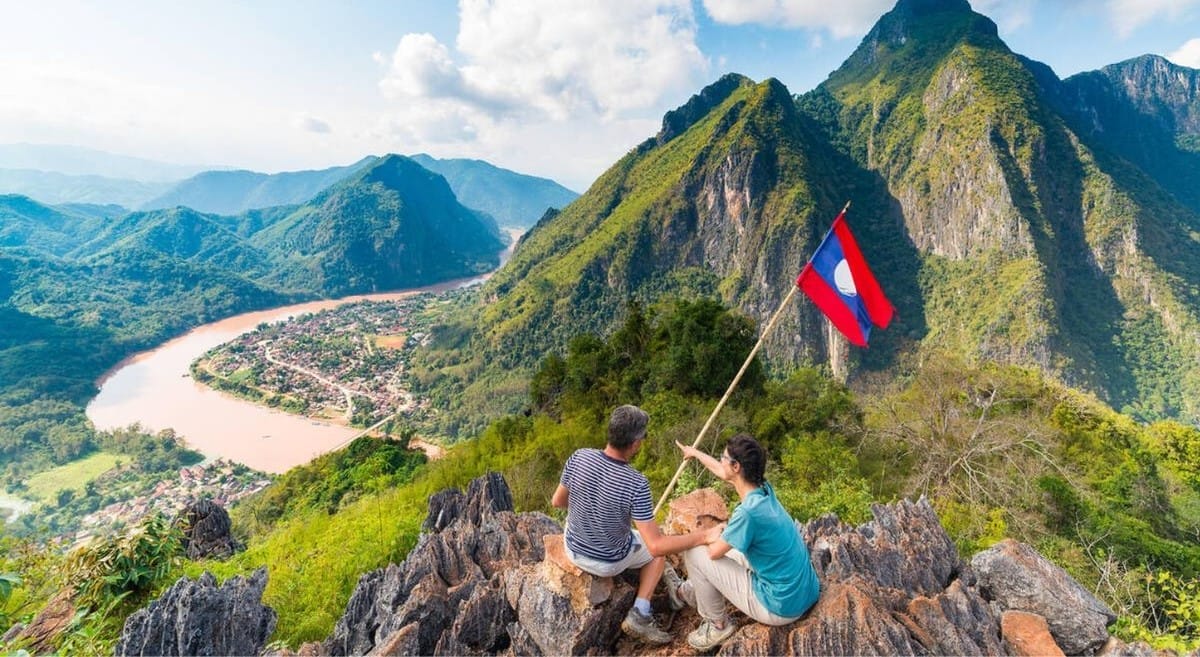
- Nong Khiaw – A picturesque riverside town promoting sustainable village tourism.
2. How Does Laos Promote Sustainable Tourism?
2.1 Government Initiatives for Eco-Tourism
The Laotian government, in collaboration with international organizations, has implemented eco-friendly policies to ensure sustainable tourism growth. Key initiatives include:
- National Ecotourism Strategy and Action Plan – A framework designed to balance tourism development with environmental conservation.
- Protected Area Management Programs – Preserving over 20% of Laos’s landmass as national parks and wildlife sanctuaries.
- Sustainable Homestay Programs – Encouraging travelers to stay with local families instead of commercial hotels.
2.2 Responsible Travel Practices
Visitors to Laos are encouraged to adopt responsible travel habits that support eco-tourism efforts. Some sustainable practices include:
- Choosing eco-lodges and green hotels that follow responsible tourism principles.
- Participating in ethical wildlife encounters that do not exploit animals.
- Reducing plastic waste by using reusable bottles and bags.
2.3 Eco-Friendly Adventure Tourism
For adventure seekers, Laos provides sustainable outdoor activities that minimize environmental impact while maximizing exploration. Popular eco-adventures include:
- Kayaking and river rafting on the Nam Ou and Mekong Rivers.
- Caving expeditions in Kong Lor and Tham Nang Aen caves.
- Cycling tours through rural landscapes and UNESCO World Heritage towns.
3. Why Should Travelers Choose Laos for an Eco-Tourism Experience?
3.1 Affordable and Ethical Travel
Compared to its Southeast Asian neighbors, Laos offers budget-friendly eco-tourism options while ensuring ethical travel experiences. The cost of eco-friendly lodges, guided treks, and CBT programs is significantly lower than similar experiences in Thailand or Vietnam.
3.2 Unique Cultural Immersion
Laos provides an authentic cultural experience that remains relatively untouched by mass tourism. Travelers can engage with indigenous communities, witness traditional ceremonies, and taste Laotian cuisine made from locally sourced ingredients.
3.3 Supporting Local Economies
By choosing eco-tourism in Laos, visitors directly support local businesses, conservation projects, and sustainable development. Responsible tourism helps preserve the country’s natural beauty for future generations while improving the livelihoods of rural communities.
FAQs: People Also Ask About Laos Eco-Tourism
1. What are the best eco-tourism activities in Laos?
The top eco-friendly activities in Laos include trekking in Nam Ha National Park, kayaking in the Mekong River, ethical elephant encounters, and visiting conservation projects.
2. Is Laos a sustainable travel destination?
Yes! Laos is a leading eco-tourism destination, with numerous national parks, community-based tourism initiatives, and conservation programs dedicated to protecting nature and culture.
3. What is the best time to visit Laos for eco-tourism?
The best time to visit Laos is between November and March, when the weather is cool and dry, ideal for trekking, river cruises, and wildlife spotting.
4. Are there eco-friendly accommodations in Laos?
Yes! Laos offers many sustainable lodges and eco-resorts, such as Kamu Lodge, Green Discovery Laos, and The Gibbon Experience treehouses.
5. How can I travel responsibly in Laos?
To practice responsible tourism in Laos, choose eco-friendly transport, avoid single-use plastics, respect local customs, and participate in community-based tours.
Embark on an unforgettable eco-tourism journey in Laos! Discover pristine landscapes, immerse in vibrant cultures, and support sustainable tourism initiatives.
Book your Laos eco-tour now for an ethical and enriching adventure!