Why Preparation Makes All the Difference
Laos isn’t just another stop on the Southeast Asia trail. It’s a soulful destination where time slows, smiles widen, and quiet moments linger like the mist rising over the Mekong. Traveling to Laos offers an experience far beyond temples and landscapes—it offers perspective. But to fully receive what Laos gives, one must prepare not only with bags and budgets but with mindfulness, respect, and cultural curiosity. This is where your journey truly begins.
This article offers more than a list of items to pack; it offers a lens through which to view Laos travel. You’ll learn what to bring, what to expect, and most importantly, what to avoid. Whether you’re planning a laid-back Laos holiday, a cultural Laos tour, or a family adventure through rural villages, consider this your complete guide to preparing for the experience.

Entering Laos with Ease – Visas, Insurance, and Health Prep
Long before the Mekong shimmers into view or Luang Prabang’s monks chant at dawn, there are bureaucratic steps to clear. While Laos remains one of the most accessible countries in Southeast Asia, a smooth entry still requires thoughtful planning.
Most nationalities can apply for a Visa on Arrival, valid for 30 days, available at major airports and some land borders. For efficiency, the eVisa system is also available for citizens of over 30 countries. Be sure your passport is valid for at least six months.
Travel insurance is more than a formality. With unpredictable terrain, poor emergency services in rural areas, and the popularity of motorbike travel, comprehensive coverage is a must. Seek a plan that includes:
-
Emergency evacuation
-
Medical treatment (especially for motorbike accidents)
-
Coverage for delays, cancellations, and lost luggage
When it comes to health, get vaccinations for Hepatitis A, Typhoid, and Tetanus. Depending on your route, Rabies and Japanese Encephalitis may also be recommended.
What to Pack – The Practical Meets the Cultural
Packing for Laos should be an act of thoughtful curation. While many travelers over-prepare for convenience, the most rewarding Laos holidays tend to come from those who travel light but smart.
You’ll want clothing that breathes in the tropical heat, protects from sun and insects, and respects local norms. Think cotton shirts, long pants, and breathable layers. A lightweight scarf or sarong serves both as sun protection and temple attire. Avoid flashy clothing, and always dress modestly, especially in villages.
Some essentials include:
-
Power adapter (Laos uses types A, B, C, E, and F)
-
Power bank (blackouts can happen)
-
Reusable water bottle with a filter (plastic waste is a problem)
-
High-DEET insect repellent
-
Sunscreen (can be expensive locally)
-
Small daypack for hikes or local markets
-
First aid kit with meds for stomach bugs and dehydration
Avoid bringing:
-
Expensive jewelry
-
Drones (often restricted)
-
Military-style clothing

Currency, Connectivity & Communication
Understanding how to handle money and mobile connection in Laos is key to navigating your trip with ease. The official currency is the Lao Kip (LAK), and most transactions are cash-based. While major cities like Vientiane and Luang Prabang have ATMs, expect them to be limited or non-functional in smaller towns.
Exchange a portion of your money upon arrival, and bring clean, undamaged US dollar bills for backup. For day-to-day transactions, Kip is more commonly accepted than Thai Baht.
Staying connected is relatively easy. SIM cards are affordable and can be purchased upon arrival at airports or local convenience stores. Top providers include Unitel and Lao Telecom. Mobile data is generally reliable in urban areas.
Laos is a multilingual society, but English is limited in rural regions. Learning a few Lao phrases not only helps in navigation but earns genuine appreciation. Download offline translation apps and maps before arrival.
Navigating Lao Culture – Manners Matter
If there is one secret to a meaningful Laos tour, it’s this: respect is the real passport. The Lao people are gentle, courteous, and reserved. Cultural faux pas are easily avoided if you understand the unspoken rules.
-
Dress modestly, especially when visiting temples or villages.
-
Remove shoes before entering homes and temples.
-
Never point your feet at people or religious objects.
-
Don’t touch a person’s head—it is considered sacred.
-
Keep public displays of affection to a minimum.
One of the most important customs is the “nop” – a slight bow with hands pressed together at chest level. Use it when greeting elders, monks, or hosts. A smile goes a long way, but a nod with a “sabaidee” (hello) is even better.
If you’re traveling on a Laos family tour, guide your children on these practices early. Families with well-mannered children are welcomed warmly, often with generous hospitality.

Food & Water Safety – Eat Smart, Stay Healthy
Food in Laos is a celebration of fresh herbs, sticky rice, grilled meats, and tangy sauces. But it also comes with risks if your stomach isn’t used to Southeast Asian bacteria.
Always eat hot, freshly prepared meals. Choose busy food stalls over empty ones. Avoid raw vegetables or unpeeled fruit from street vendors. Bottled or filtered water is a must. Even locals don’t drink from the tap.
Try local favorites:
-
Laap (minced meat salad)
-
Khao piak sen (Lao chicken noodle soup)
-
Grilled river fish wrapped in banana leaves
Avoid:
-
Ice from unknown sources
-
Buffet-style food sitting in the heat
-
Dairy products (rarely refrigerated properly)
For those with dietary restrictions, vegetarian food is available but may use fish sauce. Learn how to say “no meat” or “vegetarian” in Lao before ordering.
Transport Realities – Getting Around Without Stress
Transportation in Laos is less about speed and more about experience. Distances may look short on a map, but winding roads and inconsistent infrastructure make travel time unpredictable.
Tuk-tuks, songthaews, and minibuses are common for local travel. For intercity routes, VIP buses or shared minivans are standard. Trains are expanding, but still limited in reach. Flying between north and south Laos is the best option for short stays.
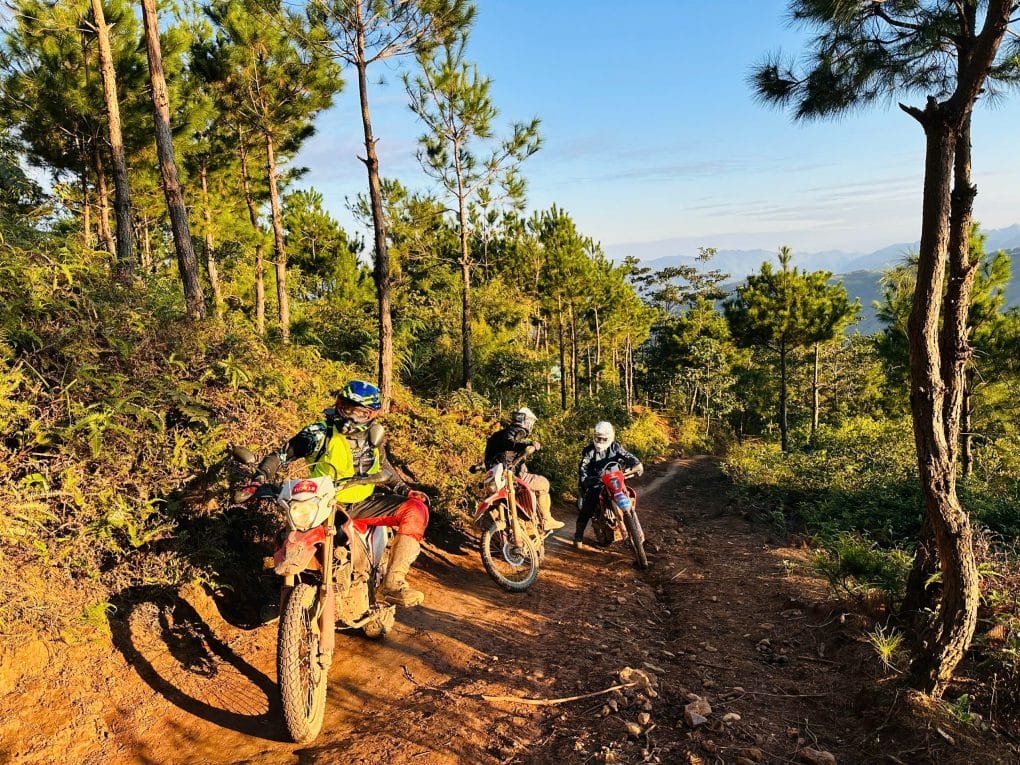
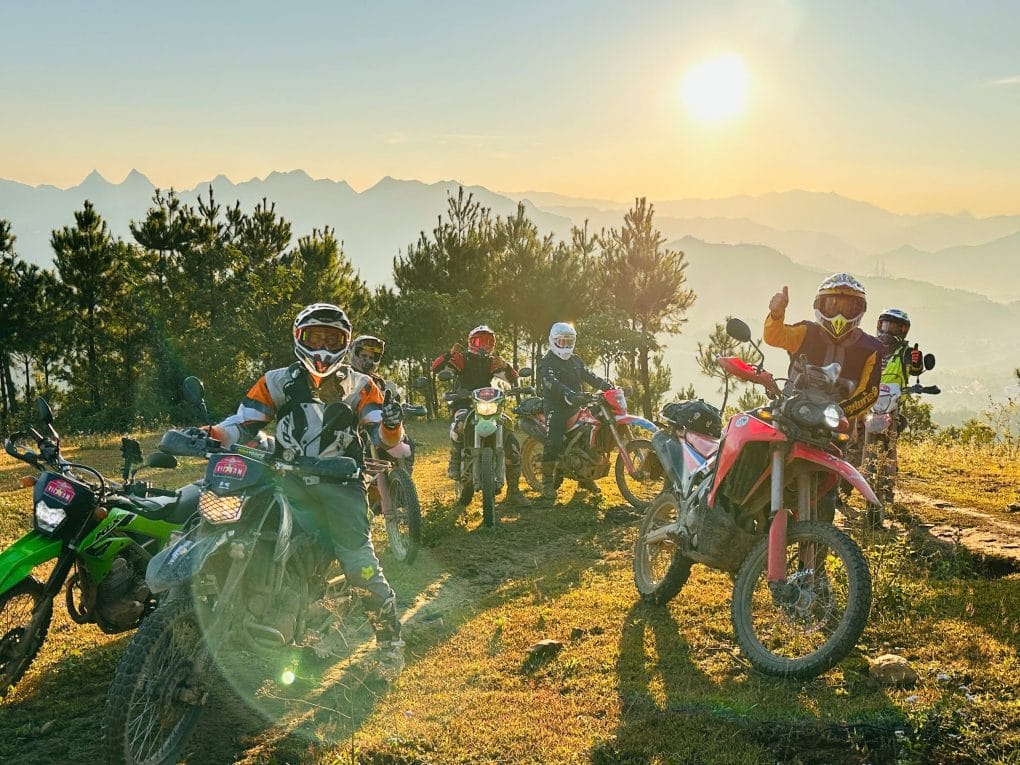
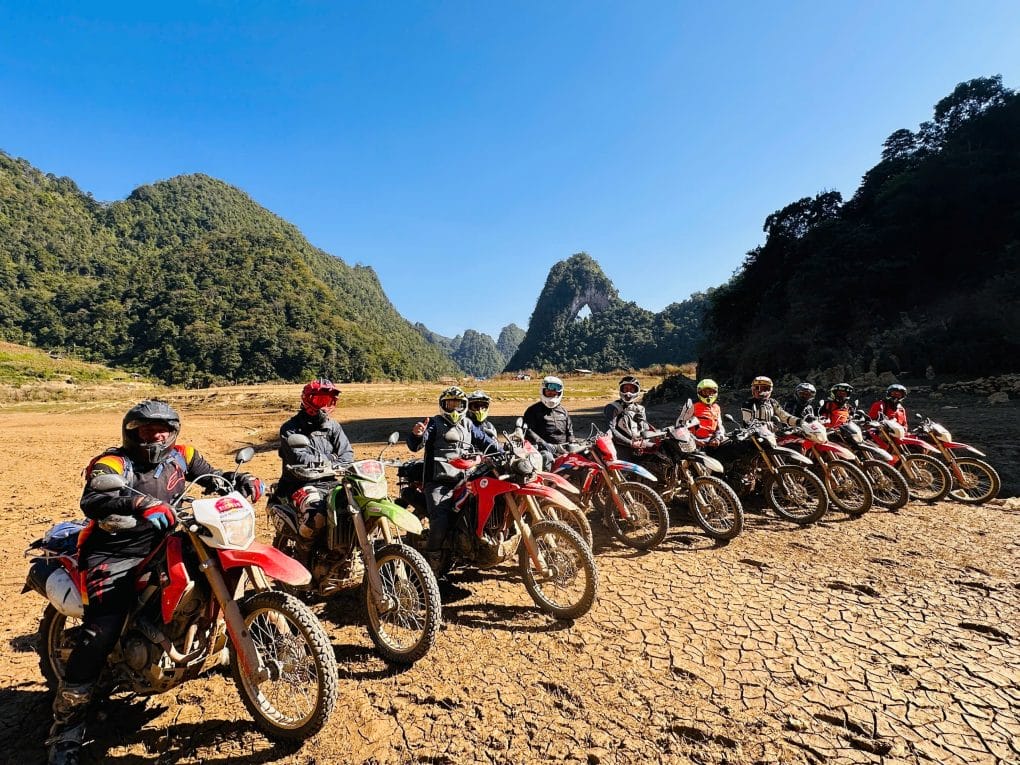
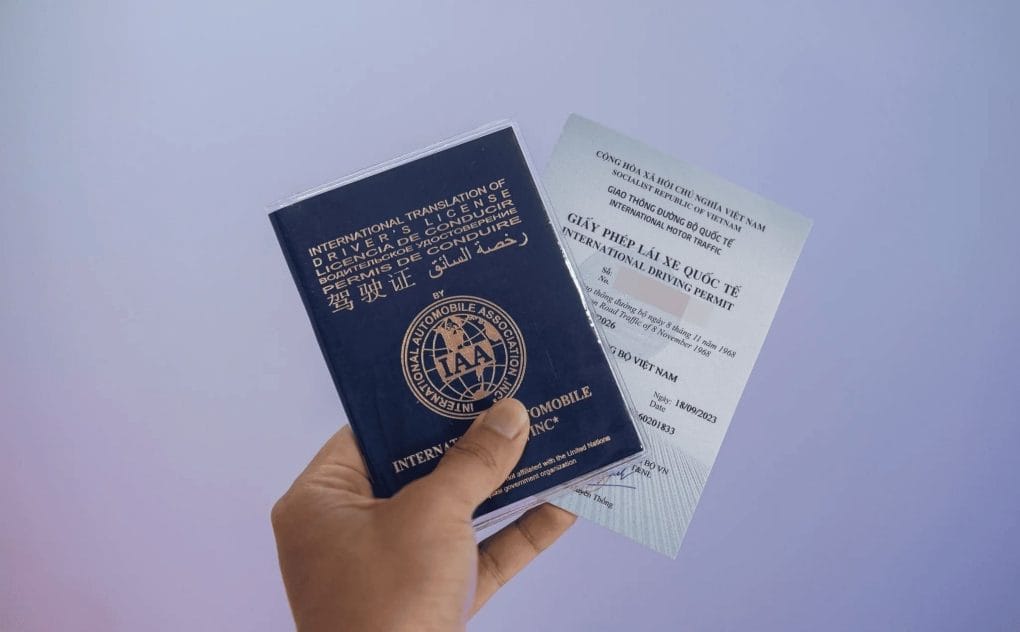
Motorbikes are popular, but come with risks. Always wear a helmet, carry an International Driving Permit, and check insurance validity. Roads can be challenging, especially during the wet season (May–October).
Avoid night travel when possible due to poor lighting and limited emergency services.
What to Avoid – Respectful Travel in a Sacred Land
Laos rewards those who travel with open hearts and open minds. Yet some behaviors are unwelcome or even illegal. Avoiding them shows not only respect but ensures a smoother experience.
Avoid:
-
Disrespecting religious symbols (never climb on Buddha statues)
-
Giving money or candy to children (it promotes dependency)
-
Bargaining too aggressively
-
Showing frustration publicly (it causes “loss of face”)
-
Taking photos without permission, especially of monks
Drug use, underage relationships, and any kind of sex tourism are strictly forbidden and harshly punished.
Remember, bo pen nyang (no worries) is more than a saying – it’s a way of life. Practicing patience and humility will open doors no itinerary ever could.
Emotional Preparedness – Embrace the Unexpected
Laos isn’t a country that shouts for your attention. It whispers. It invites. And it tests your willingness to let go of control. Things might go wrong: buses might break down, WiFi might fail, and rains might delay plans. That’s Laos reminding you to slow down.
Come with flexibility. Say yes to invitations. Be present during village visits. Journal your thoughts at sunset by the Mekong. In Laos, stillness is not emptiness; it’s presence. Let this mindset guide your trip, and you’ll leave with more than photos—you’ll leave with perspective.
A Journey Begins Before You Pack
The best Laos holidays don’t start at the airport or the hotel lobby. They start in the choices you make before you leave. Respecting local norms, packing with care, preparing your health and mindset—these are acts of reverence. In return, Laos offers a rare gift in today’s fast-moving world: authentic connection.
Whether you’re riding a slow boat through the 4,000 Islands, meditating in a forest monastery, or sharing sticky rice with a hill tribe family, remember this: the better you prepare, the more Laos will reveal.