
Indochina, encompassing Vietnam, Cambodia, and Laos, is a region rich in cultural and natural heritage. The UNESCO World Heritage Sites here offer a glimpse into the area’s historical significance and breathtaking landscapes. Exploring these sites provides travelers with an unparalleled journey through time and nature.
Vietnam’s UNESCO World Heritage Sites
-
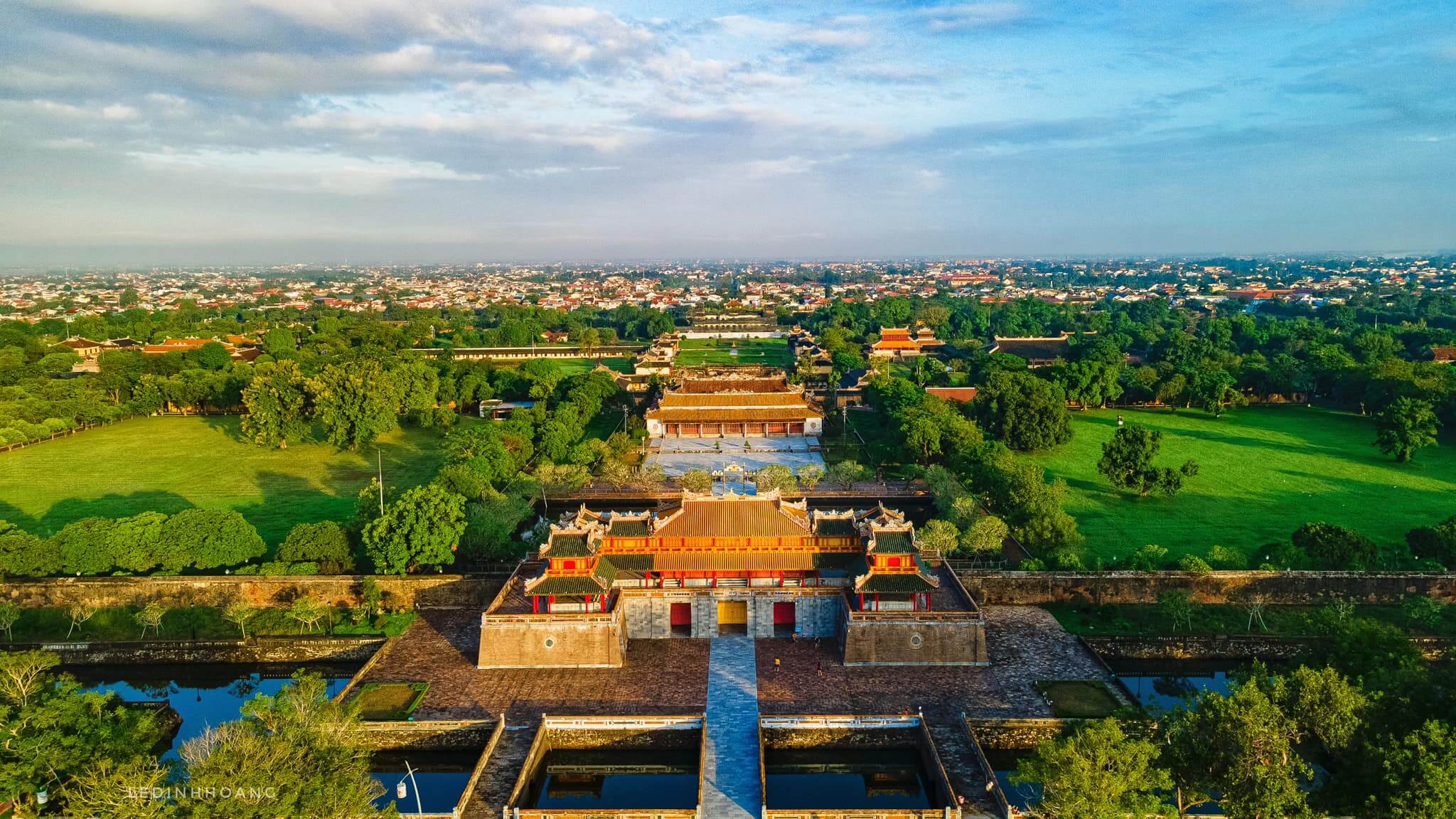
Complex of Hué Monuments
Located in central Vietnam, the Complex of Hué Monuments was inscribed as a UNESCO World Heritage Site in 1993. This site served as the imperial capital of the Nguyễn Dynasty and showcases a unique blend of traditional Vietnamese architecture and French colonial influences. The complex includes the Imperial City, royal tombs, pagodas, and temples, all set along the picturesque Perfume River.
-
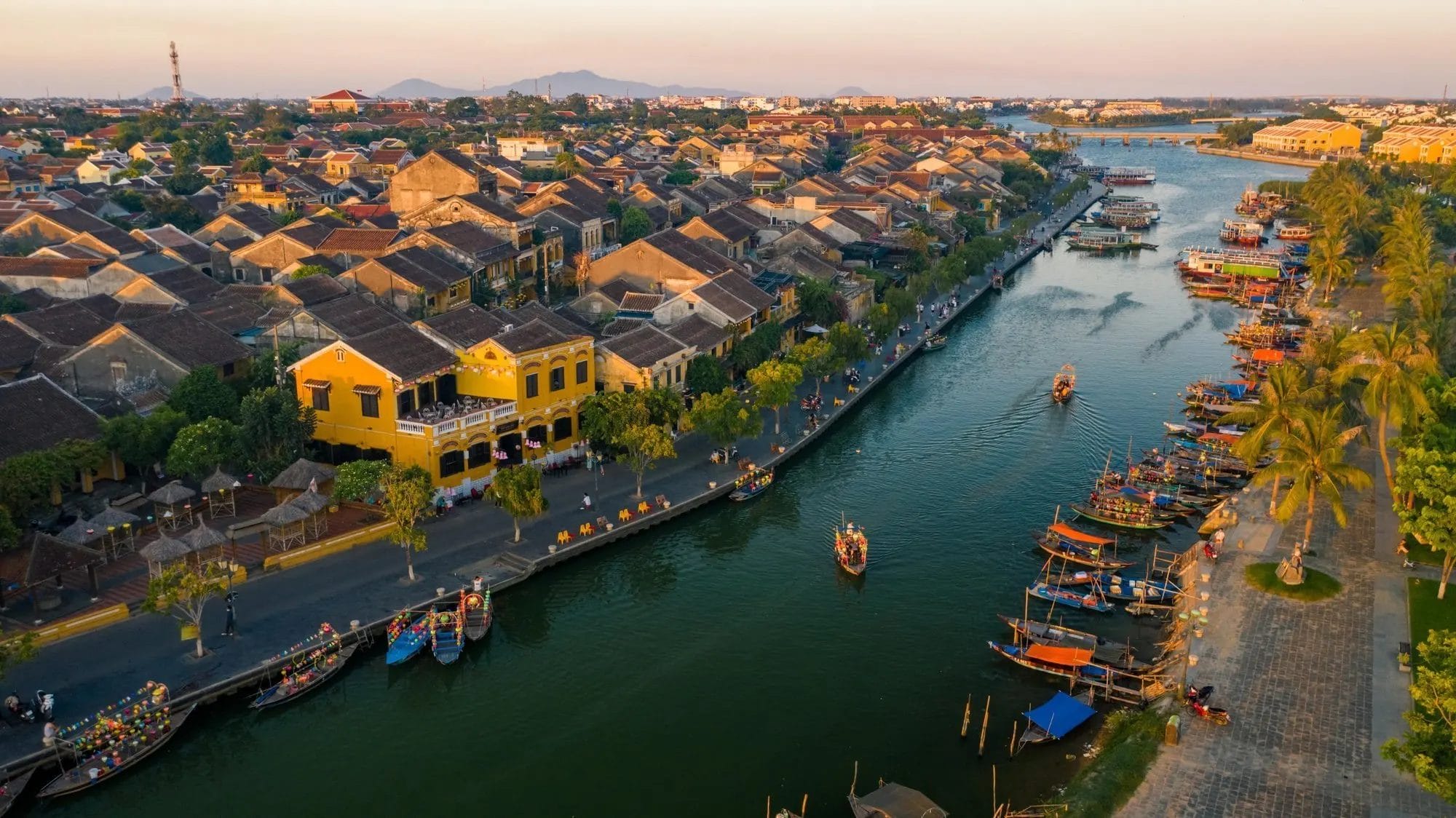
Hội An Ancient Town
Recognized in 1999, Hội An Ancient Town is an exceptionally well-preserved example of a Southeast Asian trading port dating from the 15th to the 19th century. Its streets are lined with historic wooden buildings, reflecting a fusion of indigenous and foreign cultures, including Chinese, Japanese, and European influences. The town’s charming ambiance is enhanced by its iconic lantern-lit evenings and vibrant markets.
-
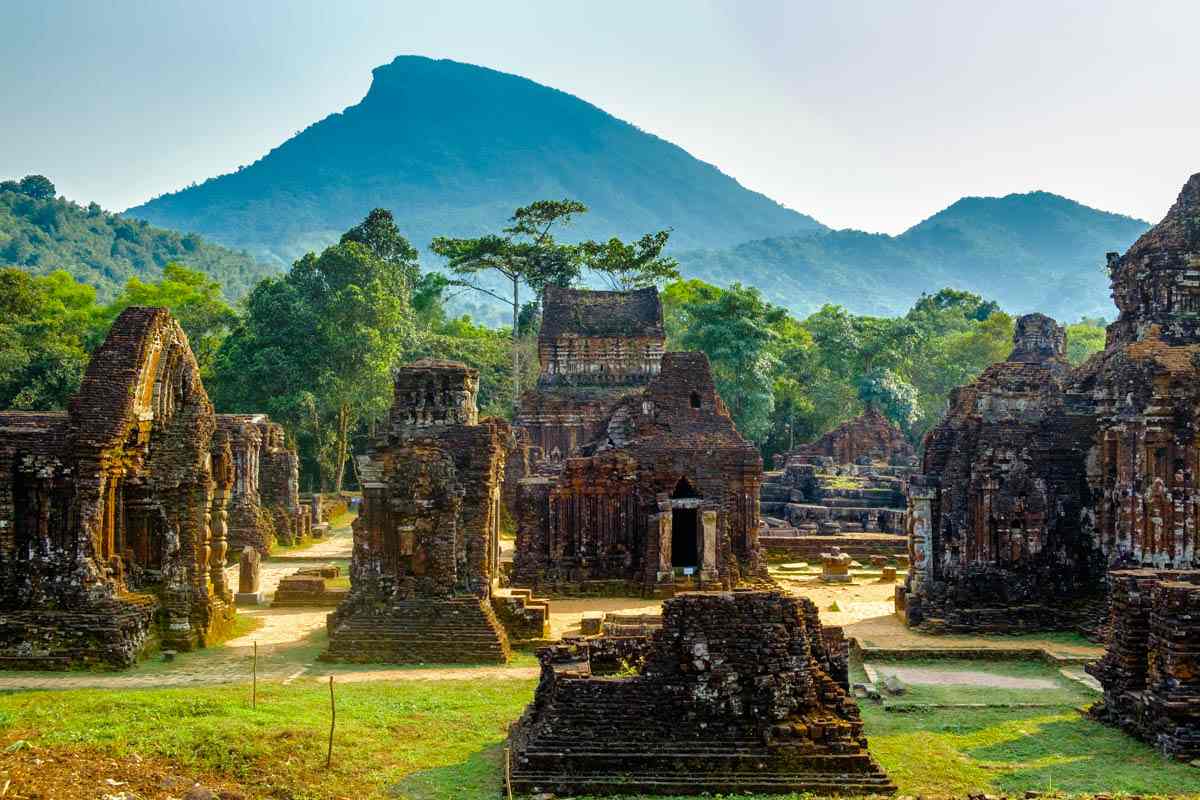
Mỹ Sơn Sanctuary
Also inscribed in 1999, Mỹ Sơn Sanctuary is a cluster of abandoned Hindu temples constructed between the 4th and 14th centuries by the Champa civilization. Nestled in a lush valley, these red-brick structures exhibit intricate carvings and provide insight into the spiritual and political life of the Champa people. Despite suffering damage during the Vietnam War, Mỹ Sơn remains a testament to ancient Cham architecture.
-
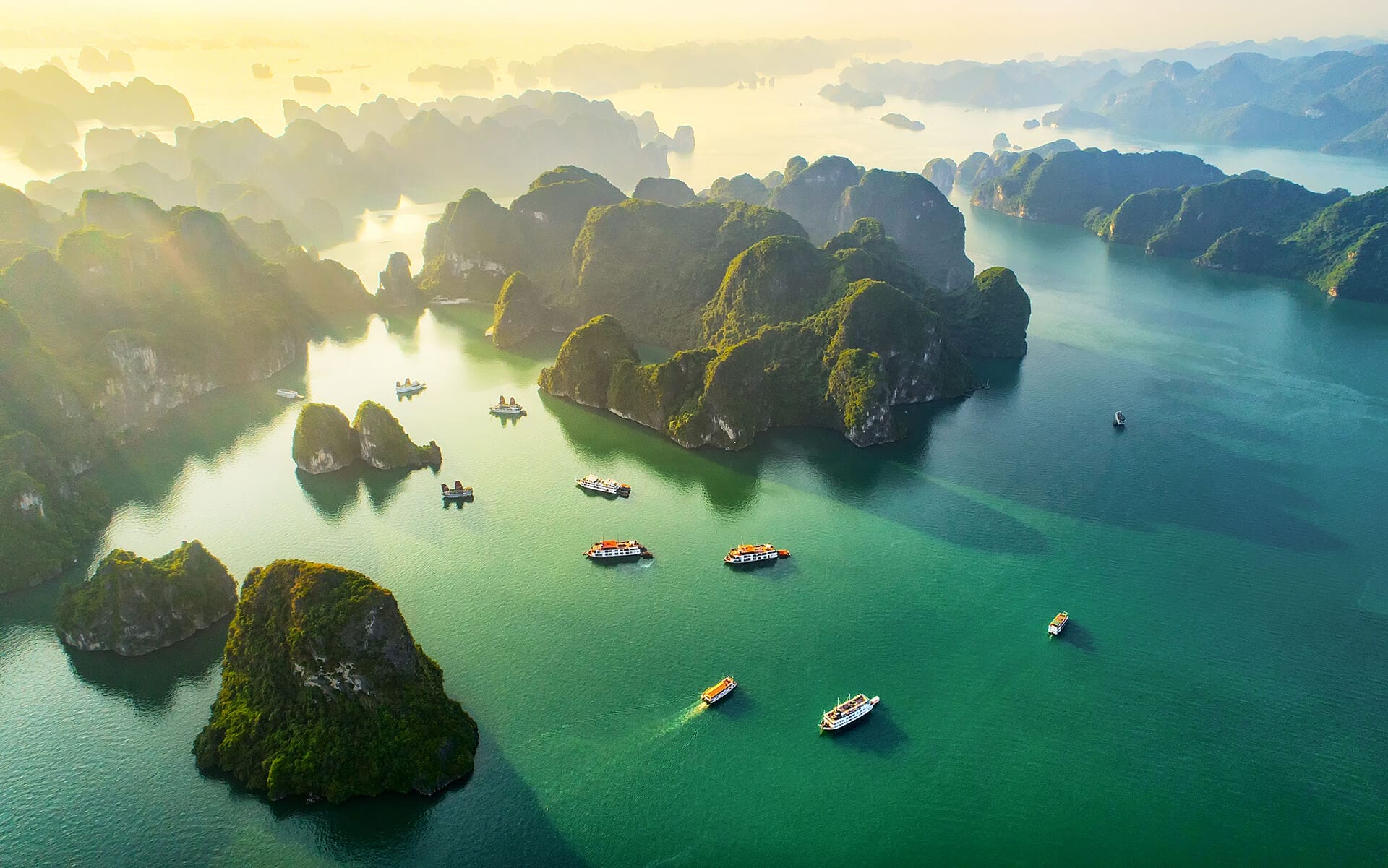
Hạ Long Bay
Designated in 1994, Hạ Long Bay is renowned for its emerald waters and thousands of towering limestone islands topped with rainforests. This natural wonder in northeastern Vietnam is celebrated for its outstanding scenic beauty and significant geological value. Visitors can explore caves, kayak through secluded lagoons, and witness floating fishing villages that have existed for generations.
-
Phong Nha-Kẻ Bàng National Park
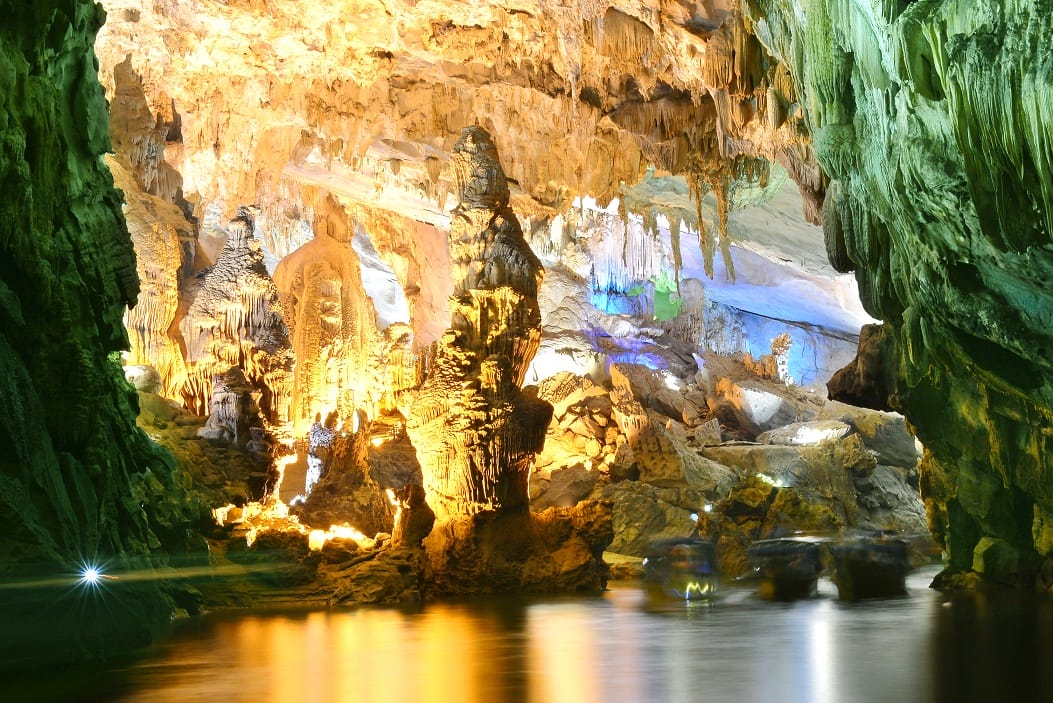
Inscribed in 2003, Phong Nha-Kẻ Bàng National Park boasts one of the world’s most impressive cave systems, including the famous Sơn Đoòng Cave, the largest known cave passage by volume. The park’s karst landscape, formed over 400 million years, features underground rivers, diverse flora and fauna, and rugged mountains, making it a paradise for adventure seekers and nature enthusiasts.
-
Central Sector of the Imperial Citadel of Thăng Long – Hanoi
Recognized in 2010, this site in the heart of Vietnam’s capital reflects a unique cultural history that spans over a millennium. The Imperial Citadel of Thăng Long was the political center of the country for 13 consecutive centuries and served as the capital of Vietnam for eight centuries. Archaeological findings here have unearthed artifacts dating back to the 6th century, offering deep insights into Vietnam’s historical evolution.
-
Citadel of the Hồ Dynasty
Inscribed in 2011, the Citadel of the Hồ Dynasty is located in Thanh Hóa Province. Built in the late 14th century, this short-lived capital of Vietnam showcases a unique architectural style with its massive stone walls and impressive gates. The citadel reflects the transition from traditional wooden structures to stone fortifications, influenced by new construction techniques and philosophies of the time.
Cambodia’s UNESCO World Heritage Sites
-
Angkor Archaeological Park
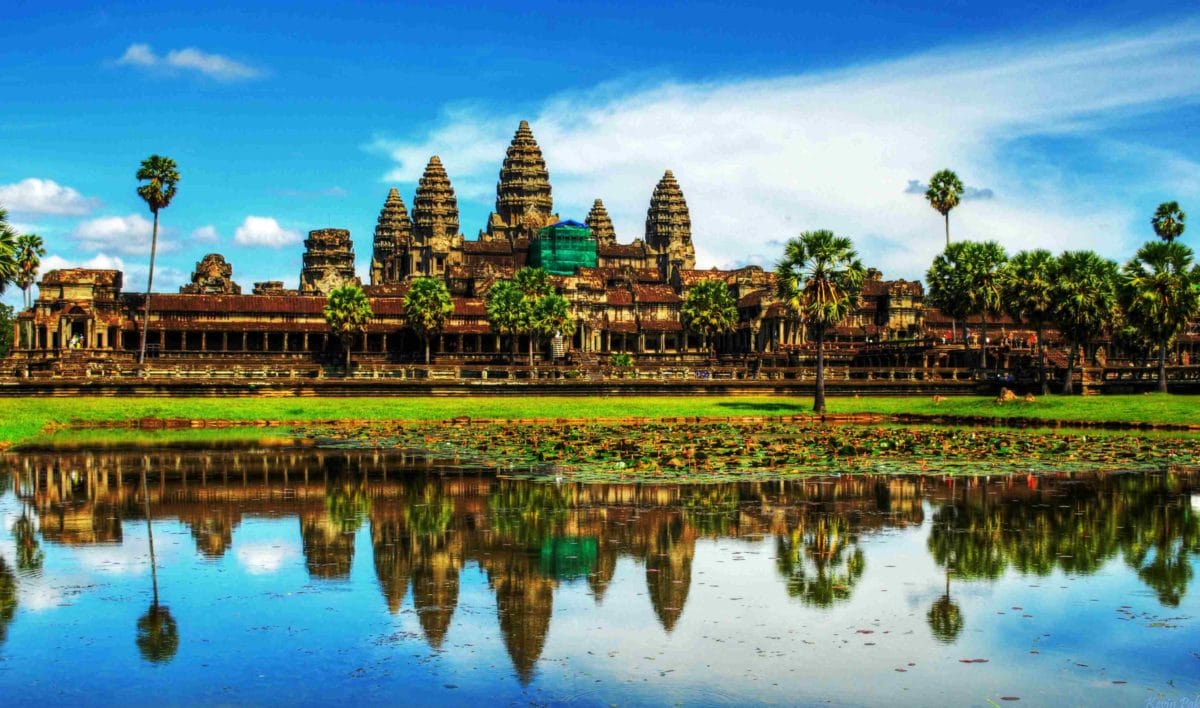
Designated in 1992, Angkor Archaeological Park is home to the magnificent remains of the Khmer Empire, which flourished from the 9th to the 15th centuries. The park includes the iconic Angkor Wat temple, the world’s largest religious monument, and numerous other temples like Bayon, Ta Prohm, and Angkor Thom. These structures are renowned for their intricate bas-reliefs and grand scale, reflecting the empire’s architectural prowess and spiritual devotion.
-
Temple of Preah Vihear
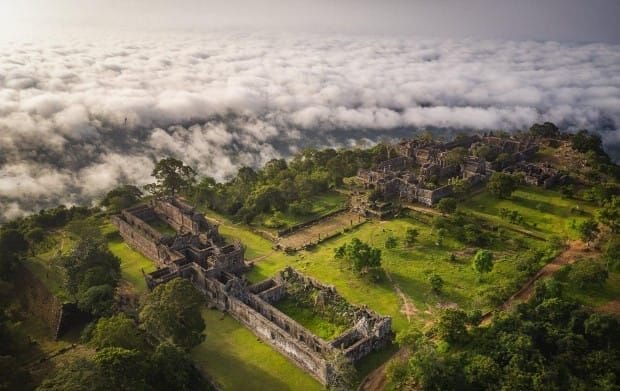
Inscribed in 2008, the Temple of Preah Vihear is perched atop a 525-meter cliff in the Dângrêk Mountains, near the Cambodia-Thailand border. Dedicated to the Hindu god Shiva, this 11th-century temple is noted for its outstanding architecture, which is adapted to the natural environment and the religious function of the site. The temple’s remote location offers breathtaking views of the surrounding plains.
Laos’ UNESCO World Heritage Sites
-
Town of Luang Prabang
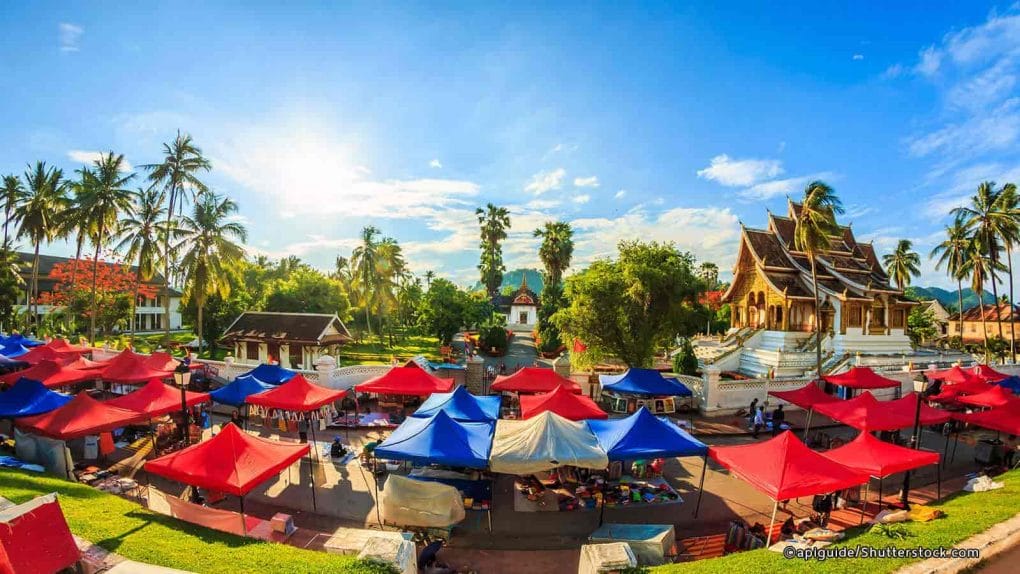
Recognized in 1995, Luang Prabang is a charming town situated at the confluence of the Mekong and Nam Khan rivers. It is celebrated for its well-preserved architectural, religious, and cultural heritage, blending traditional Lao wooden structures with colonial European architecture. The town is dotted with numerous Buddhist temples, including the renowned Wat Xieng Thong, and offers a serene atmosphere with its saffron-clad monks and vibrant night markets.
-
Vat Phou and Associated Ancient Settlements within the Champasak Cultural Landscape
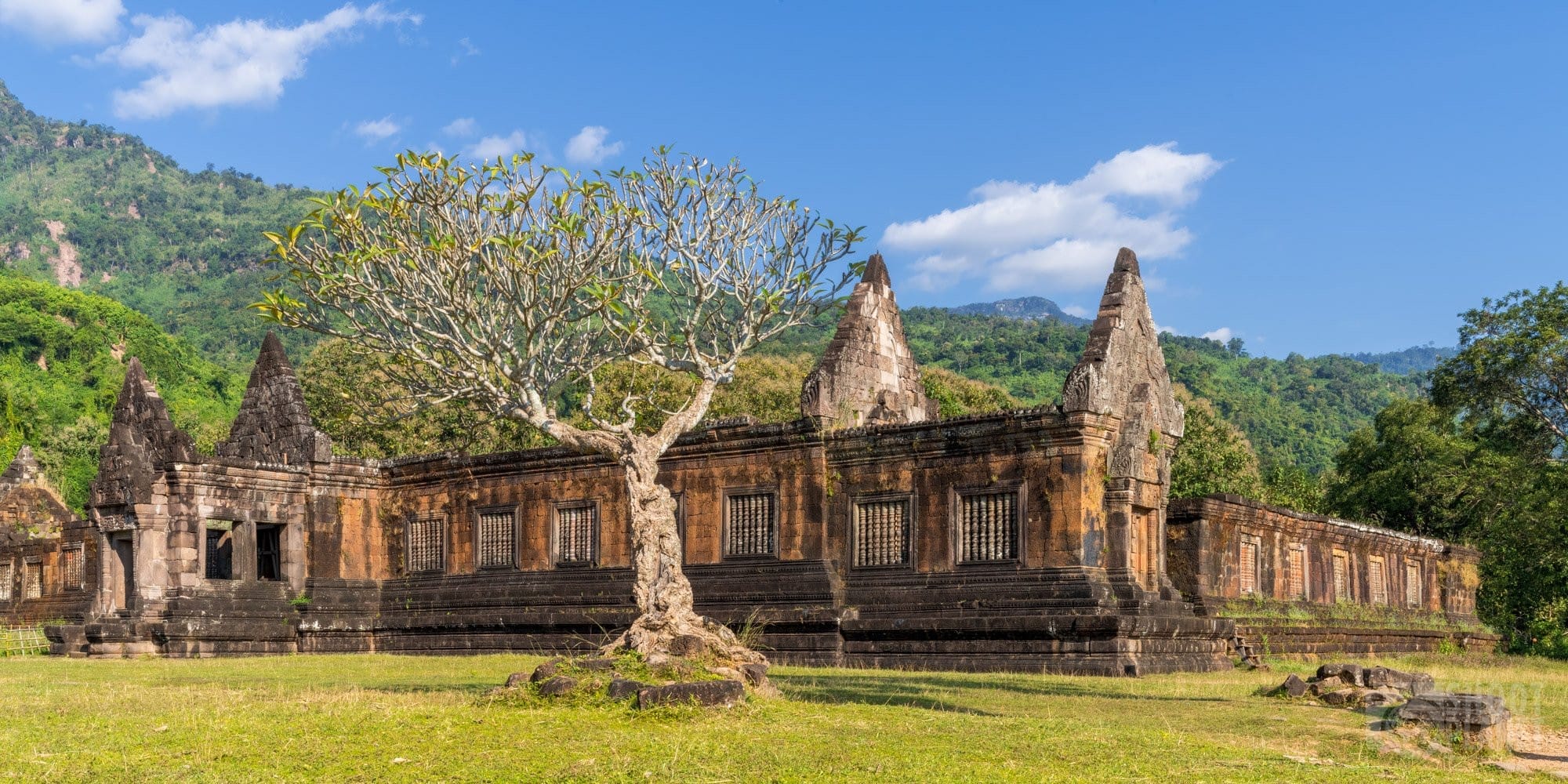
Inscribed in 2001, this site encompasses the Vat Phou Temple complex and the surrounding landscape, which was an important part of the Khmer Empire. Dating back to the 5th century, Vat Phou is a well-preserved example of Khmer architecture, with its temple structures aligned along a geometric axis, reflecting the Hindu belief in the connection between the temple and the natural environment. The site also includes ancient roadways, reservoirs, and settlements, offering insights into the region’s historical significance.
FAQS
Here are five frequently asked questions related to UNESCO World Heritage Sites in Indochina, along with their answers:
1. What are the must-visit UNESCO World Heritage Sites in Vietnam?
Vietnam boasts several UNESCO World Heritage Sites that are essential for any traveler:
-
Hạ Long Bay: Famed for its emerald waters and limestone karsts.
-
Hội An Ancient Town: A well-preserved trading port reflecting a blend of cultures.
-
Complex of Hué Monuments: The former imperial capital with historic architecture.
-
Mỹ Sơn Sanctuary: Ancient Hindu temple ruins of the Champa civilization.
-
Phong Nha-Kẻ Bàng National Park: Home to some of the world’s most impressive cave systems.
2. How many UNESCO World Heritage Sites are there in Cambodia?
Cambodia has three UNESCO World Heritage Sites:
-
Angkor Archaeological Park: The renowned temple complex including Angkor Wat.
-
Temple of Preah Vihear: A Hindu temple perched atop a cliff.
-
Sambor Prei Kuk: An archaeological site of ancient Ishanapura.
3. What makes Luang Prabang in Laos a UNESCO World Heritage Site?
Luang Prabang is recognized for its unique blend of traditional Lao architecture and European colonial influences. Situated at the confluence of the Mekong and Nam Khan rivers, the town is known for its well-preserved temples, monasteries, and traditional wooden houses, reflecting its historical significance and cultural heritage.
4. Are there any UNESCO World Heritage Sites that span multiple countries in Indochina?
Currently, there are no UNESCO World Heritage Sites that span multiple countries within Indochina. Each site is designated within the borders of a single nation.
5. How can I visit multiple UNESCO World Heritage Sites in Indochina in one trip?
To explore multiple UNESCO World Heritage Sites across Vietnam, Cambodia, and Laos, consider planning a regional tour that includes key destinations such as Hạ Long Bay, Hội An, Angkor Wat, and Luang Prabang. Many travel agencies offer packages that cover these highlights, providing a comprehensive cultural experience of Indochina.
These FAQs aim to enhance your understanding and planning of visits to UNESCO World Heritage Sites in Indochina.
Discover the wonders of Indochina’s UNESCO World Heritage Sites with our expertly curated tours. Immerse yourself in history, culture, and breathtaking landscapes.
Book your unforgettable journey today!