

Timing is Everything in Thailand Travel
Planning a trip to Thailand is like composing a beautiful piece of music—it’s not just about the destinations, but about the rhythm of your journey. The country’s four iconic gems—Bangkok, Chiang Mai, Koh Samui, and Phuket—each offer unique landscapes, cultures, and climates. But the key to unlocking their magic? Knowing exactly when to go.
Thailand doesn’t follow the four-season model familiar to Western travelers. Instead, it dances to a tropical beat, driven by monsoons, festivals, and ocean currents. Whether you’re chasing golden sunsets on a Thailand honeymoon, looking for child-friendly activities on a Thailand family tour, or simply craving a soulful Thailand vacation full of food and culture, this guide will help you decide the perfect time to visit each destination.
Let’s take a storytelling journey through time and space—from the urban pulse of Bangkok to the serene mountains of Chiang Mai, and from the lush coastlines of Phuket to the palm-fringed shores of Koh Samui.
Bangkok – Best Time to Explore the City That Never Sleeps
The Pulse of Thailand
Bangkok, Thailand’s dynamic capital, is a sensory overload of skyscrapers, street food, gilded temples, and riverboats. No matter when you go, Bangkok offers something magical—but the weather can drastically shape your experience.
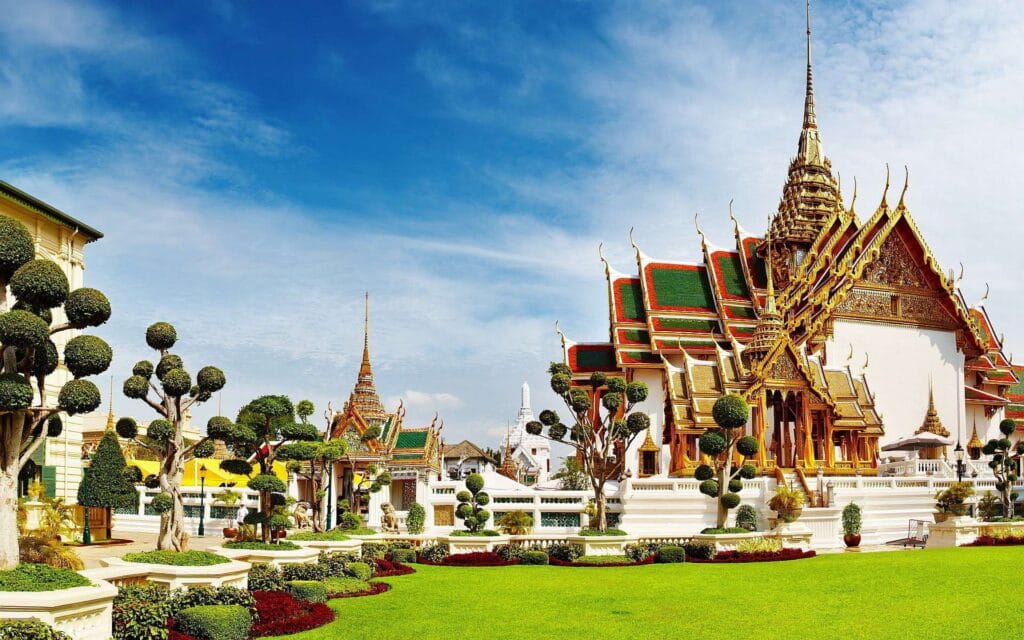
Cool Season (November to February): The Golden Window
If you’re planning your Thailand holiday and Bangkok is on your list, this is hands-down the best time to visit. The cool season brings pleasant temperatures (24–30°C) and relatively low humidity. Strolling around the Grand Palace or taking a longtail boat along the Chao Phraya River becomes not just bearable, but incredibly enjoyable.
This is peak season—hotel prices are higher, but so is the quality of the experience. Street markets bustle, cultural shows sparkle, and every corner feels alive. For Thailand family tours, it’s the ideal time: fewer rain interruptions, clear skies, and manageable heat for kids.
Hot Season (March to May): Intense But Vibrant
Bangkok turns into a furnace during these months, with temperatures soaring up to 40°C. If you’re not used to tropical heat, sightseeing can be physically demanding. However, this period hosts Songkran (Thai New Year)—an unmissable, country-wide water festival held every April. It’s playful, cultural, and wet—in all the best ways.
Songkran in Bangkok is a wild experience: expect to be splashed by strangers, soaked by children, and dance in the streets. For Thailand adventure tour enthusiasts, this offers an unbeatable cultural immersion.
Rainy Season (June to October): A Quieter Charm
Expect afternoon downpours, but also lower prices, lush greenery, and fewer tourists. Bangkok’s chaos slows down a notch during this season. If you’re someone who enjoys traveling against the tide and capturing moody photos of temples or sipping coffee in chic Thonglor cafes during a monsoon, this is your season.
Chiang Mai – Best Time to Experience Northern Soul
The Soulful Heart of Northern Thailand
Nestled among forested mountains and ancient temples, Chiang Mai is beloved by spiritual seekers, digital nomads, and families alike. Unlike Bangkok, Chiang Mai enjoys a more distinct seasonal cycle, making timing crucial.
Cool Season (November to February): Crisp Air & Cultural Fireworks
This is the absolute best time to visit Chiang Mai, especially for outdoor lovers and families. The weather is crisp—10°C in the mornings to 28°C in the afternoons—and perfect for temple hopping, visiting elephant sanctuaries, or trekking in Doi Inthanon National Park.
But what truly makes this period magical is the Yi Peng and Loy Krathong Festivals in November, when thousands of lanterns light up the night sky. It’s an unforgettable spectacle and a highlight of many Thailand vacations.

Hot Season (March to May): Smoky Skies & Songkran Fun
March is the start of Chiang Mai’s burning season, when local farmers clear land for agriculture. This leads to air pollution and haze, especially problematic for those with respiratory issues. While the temperatures rise, the haze can dampen the mountain views that draw so many here.
Yet, Songkran here is the most traditional in Thailand—filled with ancient rituals, blessings from monks, and family-friendly processions.
Rainy Season (June to October): Lush Landscapes & Slower Pace
Expect daily showers, but don’t write off the green season. Waterfalls swell, rice terraces glow, and the air feels freshly washed. Adventurous travelers and nature lovers often prefer this quieter season. The rain rarely lasts all day, and the city’s romantic vibe becomes almost cinematic.
Koh Samui – Best Time for a Beach Escape on the Gulf
Thailand’s Coconut Island
Koh Samui, located in the Gulf of Thailand, dances to a different weather rhythm than its Andaman cousins like Phuket. This difference is essential when planning a Thailand beach holiday.
Dry Season (January to March): Idyllic Island Living
This is peak beach season—calm seas, clear skies, and 28–32°C of tropical bliss. It’s ideal for honeymooners, families, and anyone dreaming of palm trees and coconut cocktails. Hotels book out fast, and prices rise accordingly.
Whether you’re snorkeling off Silver Beach or enjoying wellness retreats in Lamai, everything feels just right. This is the gold standard for any Thailand family tour seeking sun and serenity.
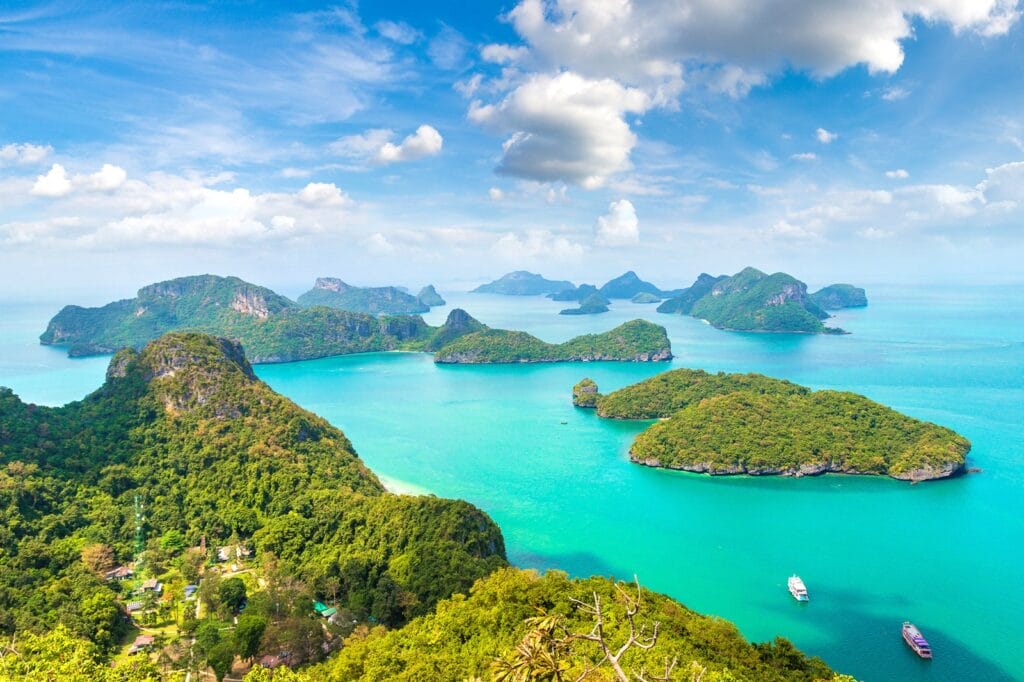
Shoulder Season (April to August): Still Beautiful with Occasional Rain
Though humidity rises slightly, the showers are brief and mostly at night. These months are great for travelers who want the sun without the crowds. Diving and kayaking conditions remain excellent, and Thai New Year celebrationsin April are quieter but still joyful on the island.
Rainy Season (October to December): The Gulf Monsoon
Koh Samui’s wettest months are October and November—frequent storms, rough seas, and flooded roads can disrupt travel plans. It’s the least ideal time for beach lovers, although budget travelers and retreat-goers may find value in off-season wellness packages.
Phuket – Best Time to Discover the Andaman’s Crown Jewel
Thailand’s Largest Island and Tourist Hub
Phuket is a global beach icon. With its mix of upscale resorts, backpacker nightlife, and family-friendly attractions, it offers something for everyone—but timing will make or break your Thailand holiday here.
Dry Season (November to March): Peak Beauty, Peak Crowd
Phuket’s dry season is a picture-perfect postcard—endless blue skies, calm turquoise waters, and temperatures in the high 20s to low 30s. From Patong to Kata Beach, the island bustles with activity.
This is the best time for diving trips to the Similan Islands, sunset cruises in Phang Nga Bay, or family outings to ethical elephant sanctuaries. Unsurprisingly, it’s also when hotels are priciest.
For Thailand adventure tour travelers, this is your time—snorkeling, island-hopping, and jungle trekking are all at their best.

Hot Season (April to May): Scorching but Fun
These months mark the transitional period before monsoon season. The heat is intense, but the sea remains swimmable. Crowds thin out slightly, making it ideal for those who can tolerate the sun and want fewer tourists.
Avoid midday exposure and take advantage of early morning kayaking tours or sunset beach walks.
Rainy Season (June to October): Moody Mornings, Quiet Nights
Phuket’s monsoon doesn’t mean constant rain—it usually pours for a few hours in the afternoon or evening. Surfing becomes popular on Kata Beach, and the dramatic skies can be mesmerizing for photographers.
Prices drop significantly, making this a great time for romantic getaways or extended vacations for remote workers.
Just be aware: boat trips to Phi Phi or James Bond Island may be cancelled due to rough seas.
Comparing Seasons Across All Four Destinations
|
Destination |
Best Time to Visit |
Weather Notes |
Crowd Level |
|
Bangkok |
Nov–Feb |
Cool, dry, ideal for sightseeing |
High |
|
Chiang Mai |
Nov–Feb |
Crisp mountain air, festivals |
High |
|
Koh Samui |
Jan–Mar |
Sunny, calm sea |
High |
|
Phuket |
Nov–Mar |
Perfect beach weather |
High |
For those planning a Thailand family tour covering all four destinations, December to February is the most harmonious period to visit all places with minimal rain and comfortable temperatures. It’s also perfect for Thailand holiday packages that combine temples, markets, beaches, and adventure.
Travel Tips Based on Your Style of Travel
For Families: Aim for Dry Season, Avoid Transition Months
Traveling with children means minimizing risk and disruption. Avoid traveling to Koh Samui in October or Chiang Mai in March. Stick to the cool season (Nov–Feb) for smooth sailing and health safety.
For Adventure Seekers: Embrace Shoulder Seasons
For Thailand adventure tour lovers—motorbiking, kayaking, diving, or hiking—April, May, and late August offer action without peak crowds. Just bring flexible plans and rain gear.
For Cultural Explorers: Follow the Festival Calendar
Time your visit to catch Loy Krathong in Chiang Mai, Songkran in Bangkok, or local fishing festivals in Koh Samui. These events create unforgettable stories beyond just scenic photos.
The Best Time Depends on Your Dream
There is no “one-size-fits-all” answer to the best time to visit Bangkok, Chiang Mai, Koh Samui, or Phuket. Each month, each region, and each traveler writes their own story. It depends on your goals, comfort level, and travel style.
Whether you dream of lanterns floating in a northern sky, a secret beach with no footprints, or temple bells ringing at sunrise—Thailand is waiting. The key is knowing when to listen to each destination’s heartbeat.
So, pack your bags—but first, choose your season wisely. Because in Thailand, timing isn’t just about weather—it’s about magic.
Tags:
best time for Phuket beach,Chiang Mai weather,Koh Samui monsoon,Thailand Adventure Tour,Thailand Family Tour,Thailand Holiday,Thailand seasons,Thailand travel,thailand vacation,when to visit Bangkok