
Thailand has long held its crown as one of Asia’s most captivating destinations—a vibrant mix of sacred temples, idyllic islands, and mouthwatering street food. But every traveler’s heart whispers the same question before boarding the plane: How safe is Thailand for tourists? The short answer—Thailand is generally safe, welcoming millions of visitors each year who return home enchanted and unharmed. Yet, like anywhere else, smart awareness and cultural understanding make all the difference between a smooth journey and an unfortunate mishap.
Let’s take an honest, experience-driven look at Thailand’s safety, the risks you might encounter, and the everyday practices that help travelers feel secure while exploring the Land of Smiles.

Thailand’s safety reputation has evolved immensely over the past two decades. From backpackers venturing along the Bangkok–Chiang Mai route to honeymooners soaking up sunsets in Phuket or Koh Samui, the country has embraced tourism as a cornerstone of its economy. Today, Thailand ranks among Southeast Asia’s safest destinations, thanks to steady governance, improved infrastructure, and a well-developed tourism support system.
The Thai government actively maintains tourist police in major cities and islands. These English-speaking officers assist with lost belongings, scams, or misunderstandings—an invaluable safety net for first-time visitors. In Bangkok, Chiang Mai, and Krabi, visible policing and tourism zones ensure visitors can explore freely at all hours, often safer than in many Western cities after dark.
What sets Thailand apart is not only its hospitality but also the country’s genuine warmth toward visitors. Locals often go out of their way to help tourists—whether it’s returning a forgotten wallet or guiding you to your hotel. However, that doesn’t mean travelers should drop their guard entirely. Petty theft, tourist scams, and occasional natural risks still exist—but they’re easily avoidable with awareness and preparation.
Common Safety Concerns and How to Handle Them
1. Petty Theft and Street Scams
Thailand’s bustling street markets and nightlife hubs are a feast for the senses, but also a magnet for opportunists. Pickpocketing in crowded places like Chatuchak Market, Khao San Road, or ferry piers can happen if you’re careless. Keep valuables close, use an anti-theft bag, and avoid flashing expensive jewelry or electronics.
Scams are more about clever persuasion than outright danger. Tuk-tuk drivers offering “special” temple tours at suspiciously low prices often lead you to jewelry or tailor shops where commissions are made. Taxi drivers who refuse to turn on the meter are another classic annoyance. The solution? Confirm the fare in advance or use apps like Grab, Thailand’s most trusted ride-hailing service.
2. Transportation Safety
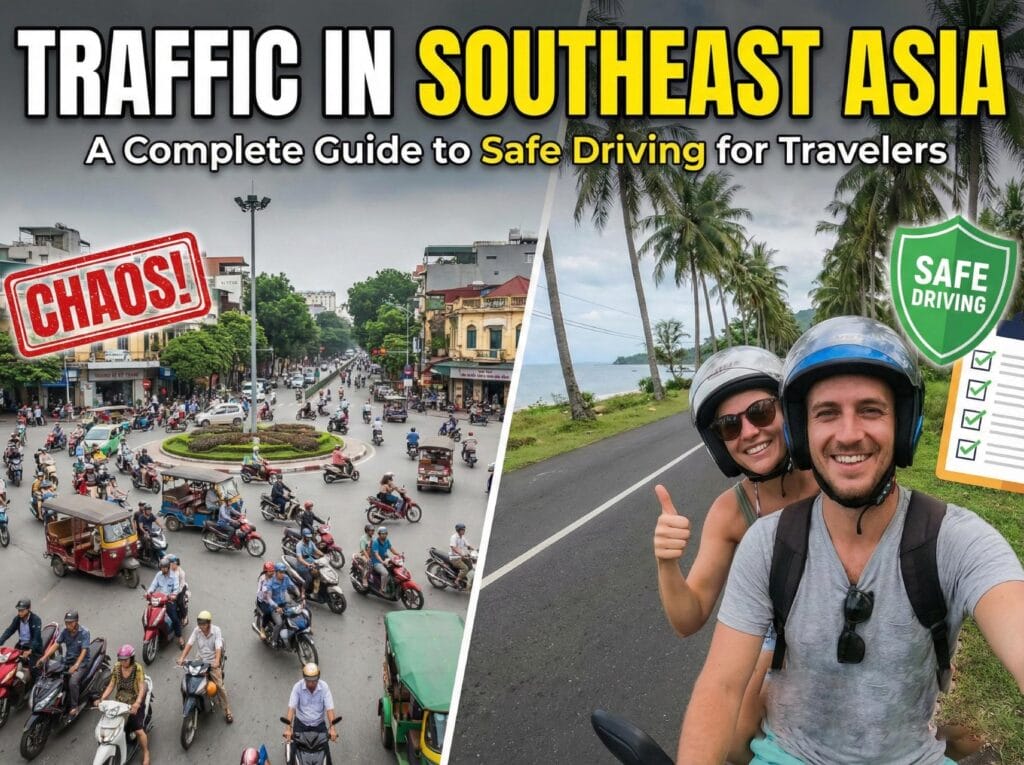
Traveling around Thailand is easy—but it helps to understand local nuances. Trains and buses are reliable for long distances, while domestic flights are among Asia’s safest. However, motorbike rentals—especially on islands like Phuket or Koh Phangan—are where travelers often get into trouble. Roads are chaotic, traffic rules fluid, and inexperienced riders are common casualties. If you do rent, always wear a helmet, have an international license, and avoid riding after dark or under the influence.
Boat travel, too, requires a touch of prudence. Always check that ferries or speedboats are operating under reputable companies and carrying life vests. The best time to visit Thailand’s islands (November to April) coincides with calm seas and minimal risk of accidents.
3. Health and Hygiene
Thailand’s healthcare system is world-class in major cities. Hospitals in Bangkok, Chiang Mai, and Phuket often cater to international travelers, offering high-quality services at reasonable prices. Still, carry travel insurance—it’s essential.
Food and water safety are mostly excellent, but use common sense: enjoy street food (it’s delicious!), but eat where locals are lining up, and make sure your food is freshly cooked. Avoid tap water; bottled water is cheap and available everywhere.
Mosquito-borne illnesses like dengue or Zika exist, though cases are minimal in major tourist areas. Use repellent, especially during evenings and jungle treks.
4. Political and Natural Events
While Thailand occasionally experiences peaceful demonstrations, they rarely disrupt tourism. Avoid political rallies or gatherings, and stay updated through official travel advisories.
Natural risks are seasonal: the monsoon season (May–October) brings heavy rains to the south and sometimes flooding in Bangkok. Check weather forecasts before outdoor activities or island-hopping tours.
Solo, Female, and Family Travelers: Real Experiences
Thailand shines as one of Asia’s most welcoming destinations for solo travelers and female tourists. Women can comfortably explore night markets, take local transport, or dine alone without unwanted attention. Respectful clothing in temples and avoiding isolated beaches after dark are simple precautions that go a long way.
For families, Thailand offers exceptional safety and hospitality. Resorts cater to children with care, and Thai people’s love for kids makes family travel easy and joyful. In places like Chiang Mai, the slower pace, nature, and cultural activities (like elephant sanctuaries and cooking classes) ensure stress-free days.
Cultural Etiquette: Safety Through Respect
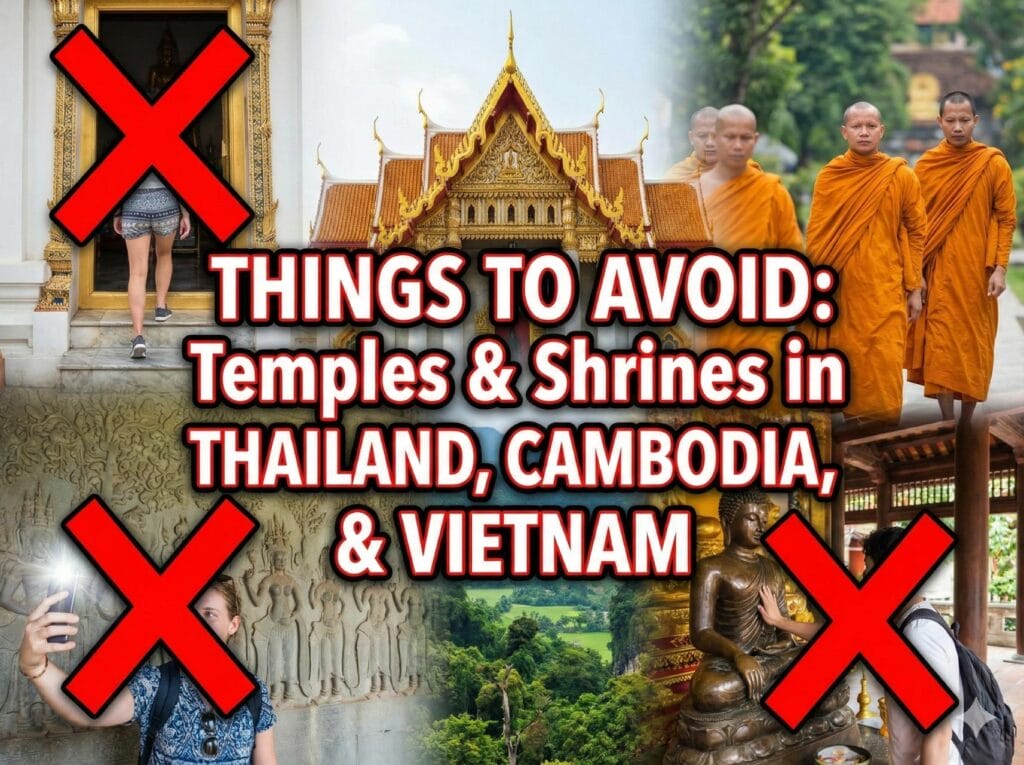
Understanding Thai cultural etiquette is not just about good manners—it’s also a form of safety. Offending locals or breaking customs can lead to uncomfortable situations. Always remove shoes before entering homes or temples, dress modestly in religious sites, and never touch a person’s head (considered sacred in Thai culture).
Respect for the monarchy runs deep. Avoid discussing politics or the royal family in public. Showing courtesy earns immense goodwill; smiling and using polite language (“Sawadee kha/khrap”) builds trust and creates a safe, friendly environment wherever you go.
How Thailand’s Safety Compares Globally
Comparing Thailand with other tourist hotspots, the numbers tell a reassuring story. Violent crime rates against foreigners remain remarkably low. Incidents of theft or scams occur at levels similar to or below those in cities like Barcelona or Rome. Police response has improved, and CCTV coverage in tourist zones provides extra reassurance.
Thailand’s success as a tourism powerhouse owes much to its infrastructure: well-lit streets, reliable public transport, and hospitality-trained staff. When travelers practice the same caution they would at home—securing belongings, staying alert in nightlife districts, and avoiding risky behavior—Thailand proves safer than many might imagine.
Real Traveler Insights: What Visitors Say
From young backpackers to retired couples, the consensus is clear: Thailand feels safe. Travelers often highlight the friendliness of locals, honesty of service providers, and general sense of comfort even when exploring off the beaten path.
A traveler from Australia once shared, “I left my phone in a taxi in Chiang Mai. The driver returned it the next day after finding me through my hotel. You don’t forget kindness like that.”
Moments like these define the real Thailand—beyond the myths and headlines. It’s a destination where, with awareness and respect, you can travel with peace of mind and an open heart.
Practical Travel Safety Tips for Thailand
-
Keep digital copies of your passport, visa, and insurance.
-
Save the Tourist Police Hotline: 1155 (English support).
-
Avoid unlicensed tour guides or random street agents.
-
Don’t carry all your cash in one place; use hotel safes.
-
When drinking in bars, always watch your glass.
-
Dress respectfully in temples and rural villages.
-
Learn a few basic Thai phrases—it goes a long way.
FAQs About Thailand Travel Safety
1. Is Thailand safe for solo female travelers?
Yes, Thailand is one of the safest countries in Asia for solo women. Stick to well-lit areas, avoid isolated beaches at night, and respect cultural norms for attire.
2. Are there dangerous areas in Thailand I should avoid?
Most tourist areas are safe. The far southern provinces near Malaysia have occasional unrest—these are far from major tourist routes. Stick to popular regions like Bangkok, Chiang Mai, and the islands.
3. What scams should tourists watch for in Thailand?
Common ones include taxi overcharges, gem store detours, and fake ticket sellers. Politely decline unsolicited offers, and book only through reputable websites or hotel desks.
4. Is public transport safe in Bangkok?
Absolutely. The BTS Skytrain, MRT subway, and airport rail link are modern, secure, and efficient—ideal for exploring without stress.
5. What should I do if I lose my passport in Thailand?
Contact your embassy immediately and report it to the Tourist Police (dial 1155). They’ll issue a report to help you get a replacement.
So, how safe is Thailand for tourists? Very safe, provided you travel smartly. The country’s warmth, structure, and respect-driven culture create an environment where visitors rarely feel threatened. Whether wandering through Bangkok’s floating markets, hiking in Chiang Mai’s hills, or cruising across Phuket’s turquoise bays, Thailand continues to deliver beauty and security in equal measure.
Travel here not just to see a country—but to experience its rhythm, kindness, and soul.
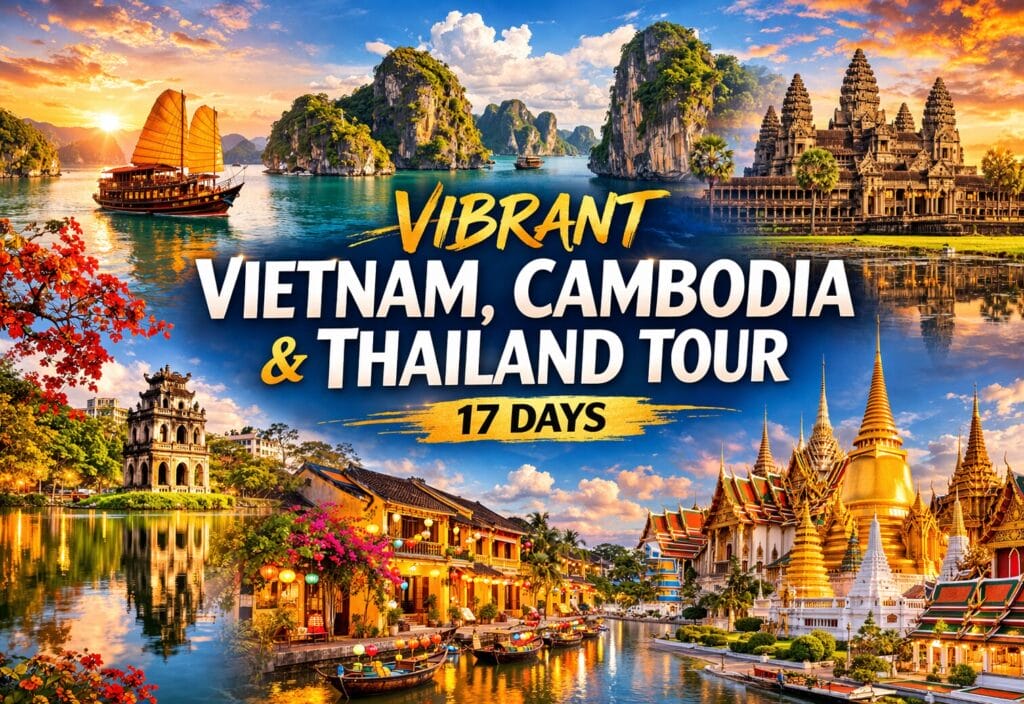
Ready to explore Thailand worry-free? Join our 10-Day Wonderful Thailand Tour through Bangkok, Chiang Mai, and Phuket—crafted for travelers seeking authentic beauty, comfort, and unforgettable experiences from dawn to dusk.
Tags:
Bangkok Chiang Mai travel,safe travel Asia,solo female travel Thailand,Thailand for tourists,Thailand honeymoon,Thailand itinerary,Thailand safety tips,Thailand scams guide,Thailand travel insurance,Thailand travel safety